_1762508637542.webp)
How to Verify the Purity of Jerusalem Artichoke Extract?
Aug 11, 2026
Verifying the purity of Jerusalem artichoke extract begins with understanding your quality benchmarks and applying proven analytical methods. As a procurement professional, you need to implement HPLC testing to quantify inulin content, review batch-specific Certificates of Analysis, and conduct supplier audits that trace material origin from Helianthus tuberosus tubers through final packaging. Combining laboratory analysis with documentation verification ensures you receive extracts meeting the 90-95% inulin specifications critical for your formulations. This systematic approach protects your brand reputation and regulatory standing while delivering consistent functional performance in your end products.
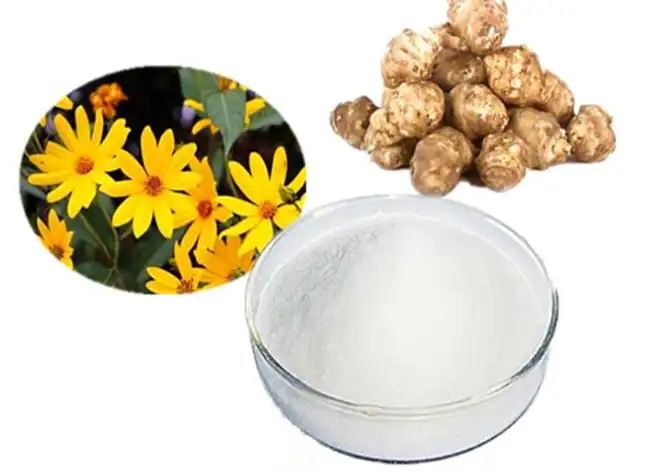
Understanding Purity Challenges in Jerusalem Artichoke Extract
When purchasing botanical ingredients for dietary supplements or functional foods, procurement managers face big problems with making sure the materials are real and the quality stays the same. There are some problems with the extract from Helianthus tuberosus roots that have a direct effect on how well your recipe works and how compliant you are.
Raw Material Variability and Contamination Risks
Changes in quality usually start in agriculture, where unstable growing conditions, bad harvest time, or dirt contaminants cause changes before the processing even starts. Because this plant material is made up of tubers, it can be affected by things in the surroundings that change the amount of inulin in it or add heavy metals or pesticide residues. If you don't have strict controls on your suppliers that go all the way back to your cultivation partners, you could get batches that don't meet your 90–95% inulin requirements, which would mean expensive re-formulation or product recalls.
In addition to the variables that affect agriculture, processing environments also have chances for contamination. Cross-contamination with other plant materials, poor sanitation, or equipment leftovers from earlier production runs can all introduce adulterants that lower the purity of the extract. When your target market wants clean labels or organic certifications, these problems become even more important because even small amounts of contaminants can cause compliance failures.
Adulteration and Economic Fraud Concerns
The cost of getting ingredients makes replacement and diluting more likely, which is bad for the purity of the extract. Some sellers mix cheaper fructooligosaccharides or inulin from chicory into Jerusalem Artichoke Extract to lower the cost of production while still meeting the requirements. This dishonest method makes products that pass basic tests but don't have the special branched-chain inulin structure that makes this extract different from other chicory extracts.
Another problem that keeps coming up is mislabeling, which happens when products from different plants are given the name "Jerusalem artichoke" just to get more sales. Visual inspection alone isn't enough to tell the difference between real Helianthus tuberosus material and fakes without DNA authentication or full chromatographic profiling. This means that your quality assurance teams have a big responsibility to set up testing processes that go beyond what the suppliers say.
Supply Chain Handling and Storage Degradation
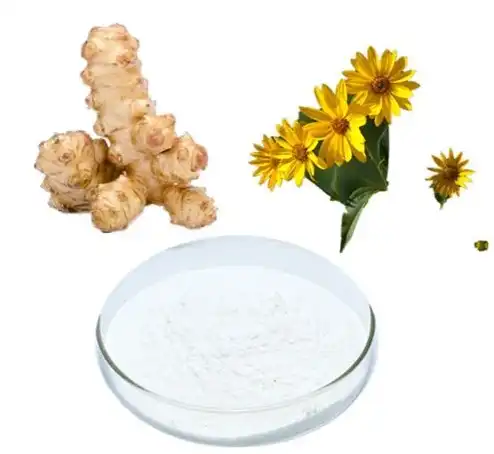
Even when they are made correctly, extracts lose some of their purity during storage and transport. This fine white to yellowish powder is hygroscopic, which means it can easily absorb water. This makes it easier for microbes to grow and for enzymes to break down inulin chains. Temperature changes during ocean freight or bad warehouse conditions speed up these breakdown processes, making prebiotics less effective and adding fermentation byproducts that change their functional properties.
Failures in the integrity of the packaging make these risks even greater, especially when suppliers use poor barrier materials or don't use nitrogen flushing in the usual 25 kg bin format. Oxygen causes reactive reactions that turn the powder darker and break down phenolic substances. This makes the antioxidant benefits you expect in finished products less strong. These quality losses happen invisibly along the supply chain, and are only noticed when strict receiving inspection processes are followed or when customers complain after the product has been released.
Core Principles and Techniques for Purity Verification
To set up strong verification systems, you need to combine analytical chemistry with document review processes that back up what suppliers say with proof from outside sources. Multiple layers of verification should be part of your quality assurance strategy. This will create redundancy and catch quality failures at different control points.
Analytical Testing Methodologies
High-Performance Liquid Chromatography is the best way to measure the amount of inulin in Jerusalem Artichoke Extract and check the degree of polymerization profiles. By separating carbohydrate parts based on molecular weight, this method makes it possible to precisely measure inulin amounts and find sugars that have been added, such as fructose, glucose, or sucrose, which are signs of hydrolysis or dilution. If your supplier agreements include HPLC testing, you should ask for chromatograms that show the whole carbohydrate profile instead of just accepting percentages.
The level of polymerization distribution tells us a lot about the quality of the extract and how well it works. The DP values of real material are usually between 2 and 60, and the branched-chain structure makes a unique pattern on chromatography analysis. When you compare these profiles to reference standards, you can see that the substitution is with chicory inulin, which has different polymerization patterns even though it has the same total amount of inulin. This level of analytical information gives your research and development teams more faith in their predictions about how prebiotics will behave and how stable the formulation will be.
When you combine mass spectrometry with gas or liquid chromatography, you can find contaminants and adulterants that are below the sensitivity limits of HPLC. These methods find pesticide residues, solvent traces from extraction processes, or chemical markers that aren't expected and show a plant wasn't correctly identified. When looking at providers who say they use natural water or ethanol extraction methods, mass spectrometry checks to make sure they don't use hexane or other industrial solvents that are against the clean label positioning.
Documentation Review and Supplier Transparency
Certificates of Analysis are basic proof documents, but how useful they are depends on how rigorous and independent the tests that made them were. Instead of taking generic specification sheets, your buying procedures should call for batch-specific Certificates of Analysis. Testing should be done within set timeframes related to production dates. Every Certificate of Analysis should write down how tests are done, when equipment needs to be calibrated, and who is qualified to be an analyst. This way, everything can be tracked, which is helpful for government checks.
Third-party testing results from separate labs add extra layers of assurance that make it less reliant on suppliers' own testing. When suppliers have management system certifications like ISO9001, FSSC22000, or similar, their quality systems are regularly checked by a third party. However, these certifications only check the processes, not the quality of the products. This is why independent batch testing is so important to make sure that established processes always produce results that are in line with the rules.
For organic, KOSHER, HALAL, and other specialised certifications, ongoing compliance must be checked by the awarding body. These papers give assurances about how the plants are grown, how they are processed, and how the facilities are separated so that non-certified materials don't get mixed in. When your target markets want these qualities, checking the current state of the certification directly with the organisations that issued it saves you from fake or expired certificates that sometimes make their way through global supply chains.
Supplier Audit Practices
Physical facility audits are still the best way to be sure because they let you see the growing partners, extraction equipment, quality control labs, and storage conditions for yourself. When quality assurance managers visit suppliers, they should look at tracking systems that connect specific tuber harvests and growing places to lots of finished extracts. This end-to-end visibility lets you act quickly when quality problems arise and shows that the supplier is committed to being open and honest.
Good Manufacturing Practice compliance, sanitation rules, staff training records, and regular maintenance programs that lower the risk of contamination should all be on audit reports. By watching real production runs, you can tell if sellers follow the written steps or take shortcuts that lower the purity of the extract. When providers are ready to let you do an audit without warning, it shows that you trust them and want to keep standards high between visits.
Traceability paperwork review during audits should follow sample batches from the time they are received and inspected to the time they are tested, released, and shipped. This paper trail check makes sure that the material you receive matches the tested samples and wasn't switched out during the shipping or packing process. Suppliers who use batch coding systems that give each production lot its own unique identifier show that their quality systems are mature and make it easier to do a recall if needed.
Comparative Analysis: Jerusalem Artichoke Extract Purity vs. Similar Products
Knowing how this plant material is different from similar ingredients can help you set the right standards for purity and choose the best goods for each job. Compared to other prebiotic sources, Helianthus tuberosus extracts have special properties that affect how they are tested and what quality standards are used.
Inulin Composition Compared to Chicory Root Extract
Both Jerusalem artichoke and chicory root are good sources of inulin, but their molecular structures are different in important ways that change how they ferment and how well they work in the digestive system. The branched-chain inulin structure of tuber-based material makes fermentation happen more slowly in the distal gut. This might make the sudden gas and bloating that some people experience with chicory-derived inulin less likely. This difference in structure can be seen on thorough HPLC chromatograms but might not show up in specs that only list total inulin percentages.
Because it naturally has a high concentration of inulin, chicory root extract usually gets higher amounts of inulin purity with less processing complexity. This makes production more efficient, which often leads to lower prices on the market. This puts economic pressure on Jerusalem artichoke recipes to use chicory instead. People who work in procurement should know that prices that are much lower than the market average could mean that products are mixed, which means that they need to be checked out more using polymerization pattern analysis or botanical DNA testing.
There are also differences in the phenolic compound profiles between these sources. For example, Jerusalem Artichoke Extracts have different antioxidant activity patterns than chicory alternatives. When you market your product with claims of antioxidant benefits or specific polyphenol content, you need to make sure that the plant name is correct to back up your marketing claims and meet customer expectations for real ingredients.
Powder Extract Versus Liquid Concentrate Forms
Depending on the physical form you choose, there are different quality issues that affect how you test and store the product. Compared to liquid concentrates, powder extracts in the 4:1, 10:1, or standardised inulin formats are more stable and less likely to become contaminated with microbes. When powders are made correctly, they have low moisture content and lower water activity, which stops bacteria and fungi from growing. This makes the powders last longer and makes it easier to follow microbial limits in dietary supplement uses.
Liquid extracts are easier to work with in some manufacturing processes, but they need to be kept microbiologically stable with preservation systems or cooling. These preservation rules add more ingredients that make clean label placement harder and may combine with other parts of the formulation. Challenge testing is needed to make sure that the stabiliser works to keep the liquid extract pure for as long as it says it will under normal keeping conditions.
Different forms have different solubility properties. According to technical standards, high-quality powder extracts dissolve more than 95% of the way at 60°C. This quick dissolution makes it easier to mix into dry mix formulations and works well for beverage applications. Solubility testing of powder samples under real-life processing conditions shows any possible quality problems, such as particles that are too big or too small, or plant matrix materials that don't dissolve even though the inulin content meets the requirements.
Practical Case Studies: Purity Verification in Action
Real-life examples show how systematic verification methods protect the identity of a product and find quality problems that simple testing might miss. These examples show how the ideas we talked about above can be used in real life.
Case Study: Detecting Fructooligosaccharide Adulteration
A nutraceutical company that got Jerusalem Artichoke Extract for a high-end prebiotic supplement noticed small changes in the way the supplement worked, even though their regular supplier gave them consistent Certificates of Analysis results. The quality assurance team started more tests using HPLC with higher resolution settings. The results showed an unexpectedly high level of short-chain fructooligosaccharides that didn't match the normal degree of polymerization patterns for real material.
More research using mass spectrometry proved the presence of fructooligosaccharides made by enzymes. This suggests that the product was adulterated on purpose to lower the cost of the raw materials while still appearing to meet the requirements for inulin percentage. Because of this finding, the manufacturer made DP profiling necessary for all inbound batches and checked out how the supplier got the materials. The audit showed that the source started mixing cheaper fructooligosaccharides in when there weren't enough Jerusalem Artichoke tubers to go around. They did this because they cared more about filling orders than making sure the materials were real.
This case shows how limited it is to only test for total inulin levels and how useful it is to do full chromatographic profiling. In the end, the manufacturer moved to a source that could fully trace the materials back to committed Helianthus tuberosus cultivation partners. They were willing to pay a little more for the assurance that the materials were real. Their improved verification protocol now includes unannounced tests done by an independent lab every three months. This creates accountability mechanisms that make substitution practices less likely.
Case Study: Supplier Qualification Through Comprehensive Auditing
A functional food company that was getting ready to launch a line of gut health products had to find Jerusalem Artichoke Extract suppliers that could handle the expected growth in volume while keeping quality high. To evaluate three possible sources, their purchasing team came up with a system that included document review, analytical tests, and facility checks.
The audit process showed big differences in how things were run, even though the certifications and price estimates were identical. The chosen supplier showed farm partnership agreements that listed the type of tuber, how it was grown, and the best times to harvest it to get the most inulin. Their extraction plant used documented water-based processes with approved temperature, extraction time, and concentration methods that kept the integrity of the inulin. Quality control labs kept HPLC equipment in good shape by making sure it had up-to-date certificates of calibration and hired trained analysts who followed standard testing procedures.
It was also important that the winning provider kept detailed batch records that let them track from finished extract lots all the way back to individual tuber deliveries with certificates of origin. This paperwork method helped the functional food company's clean label positioning and showed that they were following the rules. The runner-up suppliers didn't have this level of traceability. Instead, they relied on getting tubers from a number of different suppliers without checking the plants or keeping records of how they were grown.
After choosing a provider, the functional food business discussed quality agreements that laid out sampling methods, testing frequency, and what to do if a product doesn't meet specifications. These parts of the contract made it clear what was expected of both parties and set up ways to make sure that the quality would stay the same over time. The relationship has now provided years of material that is compliant, proving that the money spent on carefully qualifying suppliers was well spent.
Conclusion
To make sure that Jerusalem Artichoke Extract is pure, you need to follow a systematic process that combines strict analysis with openness from the supplier. Professionals in procurement must use HPLC testing methods to measure the amount of inulin present and check the degree of polymerization patterns. They must also look over detailed records that show how the material was grown from Helianthus tuberosus to its final packing. Facility audits and testing by a third party add extra layers of verification that keep products from being tampered with or substituted in ways that compromise their integrity. When you compare powder and liquid types, you can choose the ones that best meet your needs and quality standards. These investments in verification ensure uniform quality in raw materials, which helps with regulatory compliance, protecting brand image, and making sure final goods work properly.
FAQ
1. What analytical methods reliably measure extract purity?
High-Performance Liquid Chromatography is still the best way to measure the quantity of inulin and describe the degree of polymerization spread. This method sorts the different types of carbohydrates, showing any added substances like fructooligosaccharides or simple sugars that mean the quality has been lowered. Mass spectrometry can find small amounts of contaminants, like heavy metals, pesticide residues, and solvent traces from extraction processes. When you combine these scientific methods with microbial testing and moisture analysis, you get a full picture of the cleanliness.
2. How do impurities affect product safety and efficacy?
Contaminants pose both safety risks and performance problems that hurt the results of formulation. Heavy metal pollution directly causes harm, so the product needs to be taken off the market and reported to the government. Microbial contamination is bad for people's health and against Good Manufacturing Practice for food supplements. Adding simple sugars or other inulin sources to prebiotics changes how they work, which means they don't have as many of the health benefits people expect. These problems with quality hurt the brand's image and could put the company at risk of being sued, so purity proof is an important part of risk management.
3. Can supplier certificates alone ensure material quality?
Certificates of Analysis from the supplier set the standard, but they need to be independently checked through your receiving inspection procedures. If you only count on testing from the supplier, you end up relying on their quality processes without checking to see if the real batches are compliant. Third-party testing by independent labs regularly confirms the quality objectively and discourages substitutions. When you balance supplier paperwork with certain independent tests, you can keep quality assurance as strict as needed for your risk profile and legal requirements while still saving money on verification costs.
Partner with KH for Verified Jerusalem Artichoke Extract Supply
If you're having trouble finding plant ingredients, Kingherbs Limited can help. They specialise in Jerusalem Artichoke Extract, which is made under strict quality controls. Our products start with contracted growers who grow verified types of Helianthus tuberosus under controlled conditions that help the plants store more inulin. The natural branched-chain structure is kept by water-based extraction methods, and our in-house HPLC analysis confirms that every production batch has 90–95% inulin content.
Our many certificates, such as ISO9001, FSSC22000, KOSHER, HALAL, and HACCP, show that we are dedicated to structured quality management. Each package comes with a Certificate of Analysis that lists all the testing results for that batch and how they were obtained. Our application laboratory helps you develop your formulation by giving you advice on compounding, testing for stability, and producing technical documentation that cuts down on the time it takes to make your product. We can handle a wide range of order sizes and send quickly from stock, whether you need small amounts for testing or large amounts in our usual 25 kg drums for business use.
As your supplier of Jerusalem Artichoke Extract, we offer the openness and technical support that procurement professionals need. You can talk to our team at info@kingherbs.com about your needs, ask for samples with full analytical paperwork, or set up a facility check. We're excited to help you reach your quality goals by providing you with reliable materials and quick expert support.
References
1. Kilian, S., et al. "Characterisation and Quantification of Inulin-Type Fructans in Jerusalem Artichoke." Journal of Agricultural and Food Chemistry, 2019.
2. Roberfroid, M. "Inulin-Type Fructans: Functional Food Ingredients." Journal of Nutrition, 2007.
3. Pait, S. and Goyal, A. 2012: "Recent Developments in Prebiotics: A Focus on Fructooligosaccharides and Inulin." Food Research International.
4. The study by Van Loo et al. in the British Journal of Nutrition in 1999 was called "Functional Properties of Inulin and Oligofructose."
5. Kindness, K. "Inulin and Oligofructose: What Are They?" was published in the Journal of Nutrition in 1999.
6. The Tungland, B. I. Meyer and D. "Nondigestible Oligo- and Polysaccharides: Their Physiological, Metabolic, and Health Benefits." Comprehensive Reviews in Food Science and Food Safety, 2002.
Send Inquiry
Related Industry Knowledge
- White Willow Bark Extract Powder vs Salicin: What Should Buyers Know?
- How Pure Should Artemisinin Powder Be for Pharma Applications?
- Does Astaxanthin Powder And Oil Help Protect Heart Health?
- Can Blueberry Extract Powder Improve Memory and Focus?
- White Willow Bark Extract Powder Benefits: Nature’s Time-Tested Remedy for Resilience and Relief
- Mulberry Leaf Extract Powder for Skin Health: Any Benefits?
- Can Rhizoma Coptidis Powder Help with Weight Management?
- What Are the Key Benefits of Couch Grass Rhizome Extract?
- Mulberry Leaf Extract Powder vs White Kidney Bean Extract
- What Makes Olive Extract Powder a Potent Antioxidant Ingredient?