_1762508637542.webp)
How Pure Should Artemisinin Powder Be for Pharma Applications?
Jun 25, 2026
For drug companies, the quality ofArtemisinin Powderdirectly affects the safety of their products, how well they follow the rules, and how well their medicines work. Powder made from Artemisinin, which comes from Artemisia annua L. For pharmaceutical uses, leaves need to be between 90% and over 99% pure, based on the preparation and the rules that apply. This solid substance has changed the way malaria is treated all over the world, and it is now also being used in cancer research. This makes its quality requirements very important for buying teams. By understanding purity guidelines, you can make sure that your supply chain always works and meets the strict USP and EP standards needed to make pharmaceuticals.
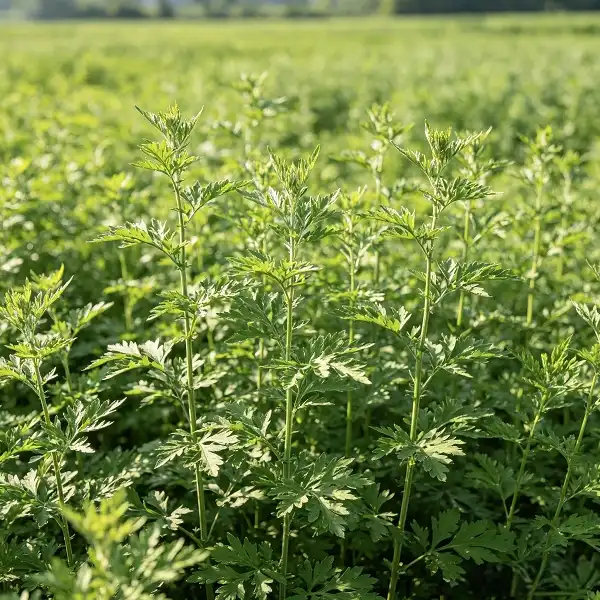
Understanding Artemisinin Powder and Its Pharma Applications
Artemisinin Powder is a new sesquiterpene lactone substance that comes from Artemisia annua L., or sweet wormwood. An endoperoxide bridge, which is what makes the molecule unique, is very good at killing malaria parasites by making free radicals when it comes in contact with the high amounts of iron found inside Plasmodium species. This process has changed the way that both mild and serious malaria cases are treated.
The Chemical Foundation of Therapeutic Activity
This clear, solid powder is identified by its molecular formula (C15H22O5) and molecular weight (282.33 g/mol). Its CAS number, 63968-64-9, is used as a standard in all world drug catalogues. The compound's melting point is between 150°C and 153°C, which means it needs to be handled carefully during production to keep the important peroxide bridge intact. Water insolubility makes it hard to make medicines, but drug makers get around this by making derivatives or using new delivery methods.
Expanding Pharmaceutical Horizons
Currently, most of the time is spent on antimalarial uses, but a new study is looking into wider medicinal possibilities. Oncology studies look into how this compound's cytotoxicity works with iron to target cancer cells that use a lot of iron. It is used in veterinary medicine to treat protozoal diseases in animals, like babesiosis. These different uses show how important it is for sourcing workers to know how purity requirements fit in with the planned medicinal uses and legal requirements.
Why Purity Matters in Artemisinin Powder for Pharma Use
Purity specifications in pharmaceutical-grade materials directly impact patient safety, treatment efficacy, and regulatory approval pathways. The pharmaceutical industry distinguishes between herbal extracts containing multiple compounds and isolated active ingredients requiring precise analytical verification.
Industry Purity Standards and Regulatory Compliance
Pharmaceutical companies usually getArtemisinin Powderthat is between 98% and 99.5% pure, which can be checked using High-Performance Liquid Chromatography (HPLC). The European Pharmacopeia (EP) and the United States Pharmacopeia (USP) set monograph standards that providers must meet by following strict testing procedures. These guidelines include requirements for tests, limits on leftover solvents, limits on heavy metals, and limits on microbe pollution. Products with ISO9001, FSSC22000, or FDA approvals show that they use structured quality management methods that keep pharmaceutical manufacturing processes safe.
The Safety and Efficacy Connection
Impurities add factors that can't be predicted to medication formulas. Related chemicals, such as deoxyartemisinin or artemisitene, may make medicines less effective or cause strange reactions. If there are more than the ICH standard limits of residual extraction solvents, they could be poisonous. Loss on drying requirements, which are usually kept below 0.5%, stop hydrolytic breakdown that weakens the structure of the lactone ring. Regulatory bodies want uniform doses, known pharmacokinetics, and dependable therapeutic results. These quality factors make it possible.
Comparing Material Grades and Derivatives
The pharmacy market has a range of material types. Research-grade powders might have 90–95% active compounds that are good for early studies but not enough to make drugs. Starting materials for artemisinin-based combination treatments (ACTs) are pharmaceutical-grade materials that are more than 98% pure. Semi-synthetic products, like artesunate and artemether, which are made from highly pure starting materials, dissolve better in water and are more bioavailable. Understanding these differences helps buying teams set the right quality levels that combine cost with the needs of the application.
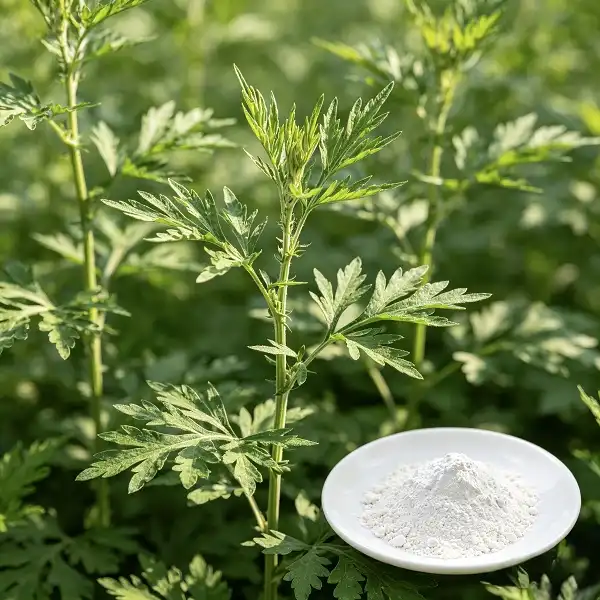
Key Factors Affecting Artemisinin Powder Purity in Procurement
Multiple variables throughout the supply chain influence final product purity. Procurement professionals who understand these factors can better evaluate suppliers and anticipate quality consistency.
Source Material Quality and Agricultural Practices
The plant source determines the quantity of the chemical at the start. There are big differences between Artemisia annua types in how much artemisinin they contain. It can be anywhere from less than 0.5% dry weight to over 1.5% dry weight, based on genetics, temperature, soil makeup, and farming methods. When you harvest is very important for both output and purity. If you harvest too early, the compounds will not be as concentrated, and if you harvest too late, they will break down. These factors can be standardized by suppliers who work directly with controlled farming bases. This makes sure that the quality of the raw materials stays the same from season to season.
Extraction Technologies and Processing Methods
Either standard organic solvent methods or supercritical fluid extraction technologies are used in modern extraction techniques. Solvent-based methods that use food-grade ethanol or petroleum ether need to be cleaned up afterward to get rid of any leftover chemicals and plant compounds that were removed at the same time. Advanced chemical methods separate the target protein from flavonoids, terpenes, and other parts of Artemisia annua. Our facilities only use clean water and food-grade ethanol in the extraction process. This way, there are no worries about dangerous leftover solvents, and the extraction process works just as well. Formulators work with drugs like this method because it makes materials with natural colours and quick dissolving properties.
Quality Assurance Protocols and Batch Consistency
Reliable providers ofArtemisinin Powderuse full quality management systems that include tests of raw materials, checks during production, and checks of the finished product. The Certificate of Analysis (COA) should have HPLC chromatograms that prove the sample's identification and purity, Gas Chromatography (GC) results that show any remaining liquids, heavy metal analyses, pesticide residue screening, and microbe testing results. Batch-to-batch uniformity shows that the process can be controlled, which is very important for pharmaceutical companies that need to keep approved formulas. Suppliers who offer thorough component spectra and stability data give buyers the information they need to make smart choices about what to buy.
How to Evaluate and Choose the Right Artemisinin Powder Supplier
Selecting a reliable supplier requires systematic evaluation across multiple dimensions beyond basic pricing considerations. Pharmaceutical procurement demands suppliers who function as technical partners rather than transactional vendors.
Certification Verification and Regulatory Alignment
Check the qualifications of the seller against the records of the real accreditation body to start the evaluation process. ISO9001 shows how to set up a quality management system, and FSSC22000 talks about food safety management for plant products in particular. Some medicinal goods can reach more customers because they have KOSHER and HALAL approvals. The ability to do organized risk analysis is shown by HACCP certification. Suppliers who work with pharmaceutical companies should show proof that they follow current Good Manufacturing Practices (cGMP) and keep their license or approval status with the regulatory bodies in the countries they want to do business in.
Technical Capabilities and Application Support
Leading providers do more than just provide raw materials; they also help with preparation and application. Having access to fully-equipped application labs lets you test in a range of forms, such as tablets, pills, liquids, or advanced delivery systems. Suppliers who can offer customized specs, such as ratio extracts (4:1, 10:1) or specific purity ranges (28%, 30-99%), show that they are flexible enough to meet a wide range of medicinal needs. During the product creation process, technical teams that know how to deal with problems related to breakdown, stability, and compatibility with excipients are very helpful.
Supply Chain Reliability and Logistics Performance
Manufacturing pharmaceuticals can't handle gaps in supply or changes in quality. Check out how your suppliers handle their stock. Suppliers who keep stock on hand make it possible to ship quickly, while seasonal suppliers may make it hard to plan production. In the development stages, it's important to be able to change the amount of an order. Suppliers who accept trial orders (often starting at 100g) through business numbers (often 25 kg at a minimum) can work with projects at all stages. Transportation choices include express services (arrival in 3–5 days), air freight, and ocean shipping, so you can choose the best speed and price for your needs. Throughout the transportation chain, the purity of the product is protected by temperature-controlled packing and the right paperwork, such as a COA and certificates.
Traceability Systems and Source Transparency
Pharmaceutical supply lines must now be able to track everything from beginning to end. When suppliers work directly with farming bases, they can track the flow of materials from certain growing areas to the end packed product. This helps find out why there were any changes in quality and provides the paperwork that regulatory checks need more and more. Geographic origin is important because Artemisia annua growing in different areas has different phytochemical profiles that change how well it is extracted and how pure it is in the end. Suppliers who control these factors, from choosing the seeds to when to gather them, give pharmaceutical manufacturers the stability they need.
Practical Guidelines on Artemisinin Powder Purity Levels for Different Pharma Applications
Matching purity specifications to application requirements optimizes both performance and cost-effectiveness. Different pharmaceutical uses demand distinct quality parameters based on regulatory expectations and therapeutic objectives.
Antimalarial Combination Therapies
According to the World Health Organization, the best way to treat Plasmodium falciparum malaria that isn't too bad is with artemisinin-based combination therapies (ACTs) usingArtemisia annua Extract Powder. In these versions, an artemisinin product is mixed with a partner drug that works for a longer time to stop tolerance from building up. In order to make ACTs, the starting material has to meet pharmacopeial standards, which usually mean being 98–99% pure as shown by HPLC analysis. The high purity ensures accurate doses, which is very important for pediatric formulas where treatment success is based on weight. It's important to look at the impurity profiles because linked substances that are structurally identical but don't have medicinal action lower the effectiveness of dose delivery. Pharmaceutical companies that make ACTs should only use materials that meet the standards of the USP or EP monograph and ask for batch-specific impurity profiles when they are qualifying suppliers.
Research Applications and Derivative Synthesis
Depending on the goals of the experiment, pharmaceutical research that is looking for new uses or creating semi-synthetic products may be able to handle a wider range of purity levels. For early screening tests looking for anti-cancer or anti-inflammatory effects, 90–95% pure material might be used if cost is more important than meeting pharmaceutical-grade standards. On the other hand, making derivatives like dihydroartemisinin, artesunate, or artemether from artemisinin needs very pure starting materials because impurities stay in the chemicals during the change steps and make cleaning harder. Research buying should find a balance between the need for cleanliness, the stage of the project, and the planned use of the materials. They should also keep clear records of the material specs used in any studies that generate clinical data.
Veterinary and Agricultural Applications
Animal health goods that treat protozoal diseases in animals or fowl are regulated in different ways than drugs for humans. Because of the high cost of expensive materials in farming markets, veterinary products often use 90–95% pure materials. Because the substance is quickly cleared from the body and has a good safety rating, it can be used in more medical situations. When suppliers offer flexible purity standards, buying teams can find quality levels that meet legal requirements and the economics of the market. Even for lower purity grades, proper analytical verification is still needed. For example, to make sure animals are safe and meet veterinary good manufacturing practice standards, veterinary makers still need HPLC proof, residue solvent testing, and heavy metal screens.
Conclusion
The purity requirements for pharmaceutical-grade materials must match the uses they're meant for, the rules that govern them, and the restorative goals. Most antimalarial formulas need to be 98–99% pure, which can be checked using HPLC. However, larger ranges may be fine for study purposes and animal uses. For procurement to go well, sellers must provide clear quality paperwork, keep stability from batch to batch, and offer expert help beyond just supplying materials. The things that affect purity, like how the plants are grown, how they are extracted, and how quality control is done, show why evaluating a seller should include more than just price. It should also look at things like manufacturing skills, certification proof, and the stability of the supply chain. As pharmaceutical uses grow in cancer and other treatment areas, it is important to keep strict quality standards in place to protect patient safety and encourage new ideas.
FAQ
What defines pharmaceutical-grade purity for this compound?
Pharmaceutical-grade material typically meets USP or EP monograph specifications requiring 98-99% purity verified through HPLC analysis on a dried basis. Additional quality parameters include loss on drying below 0.5%, residual solvents meeting ICH limits, heavy metals within pharmacopeial thresholds, and specified limits for related substances. The material must originate from controlled manufacturing environments meeting cGMP standards with full batch documentation including COA, chromatograms, and stability data.
How do impurities affect antimalarial efficacy?
Impurities reduce the concentration of active compound, potentially delivering subtherapeutic doses that fail to eliminate parasites. This incomplete clearance promotes resistance development—a critical concern given the compound's role as the last highly effective antimalarial class. Certain related substances may exhibit partial activity but with different pharmacokinetic profiles, creating unpredictable treatment responses. Residual solvents or heavy metal contamination introduce safety risks separate from efficacy concerns, potentially causing adverse reactions that complicate clinical use.
Partner with KH for Premium Artemisinin Powder Supply
Pharmaceutical manufacturers seeking a reliable artemisinin powder supplier can count on Kingherbs Limited for over 25 years of botanical extraction expertise and pharmaceutical-grade quality. We maintain direct partnerships with premium Artemisia annua cultivation bases, controlling quality from seed selection through harvest timing to ensure consistent active compound content. Our extraction processes use exclusively pure water and food-grade ethanol, producing colourless crystalline powder with verified purity levels from 28% through 99% depending on your application requirements. Every batch includes comprehensive HPLC analysis, residual solvent testing, heavy metal screening, and full regulatory documentation supporting your quality assurance processes. We hold ISO9001, FSSC22000, KOSHER, HALAL, HACCP, and FDA certifications demonstrating our commitment to pharmaceutical quality standards. Whether you need small sample quantities for R&D or commercial volumes in 25kg drums, we maintain ready stock for prompt delivery within 3-5 business days globally. Our technical team provides formulation support and stability testing, functioning as your development partner rather than just a raw material vendor. Contact us at info@kingherbs.com to discuss your specific purity requirements and receive customized quotations with detailed product specifications.
References
1. World Health Organization. (2021). Guidelines for the Treatment of Malaria, Third Edition. WHO Press, Geneva.
2. Klayman, D.L. (1985). Qinghaosu (Artemisinin): An Antimalarial Drug from China. Science, 228(4703), 1049-1055.
3. United States Pharmacopeial Convention. (2023). Artemisinin Monograph. USP 46-NF 41.
4. Haynes, R.K. (2006). From Artemisinin to New Artemisinin Antimalarials: Biosynthesis, Extraction, Old and New Derivatives, Stereochemistry and Medicinal Chemistry Requirements. Current Topics in Medicinal Chemistry, 6(5), 509-537.
5. European Pharmacopeia Commission. (2022). Artemisia annua and Artemisinin Quality Standards. European Pharmacopeia 10th Edition.
6. Efferth, T. (2017). From Ancient Herb to Modern Drug: Artemisia annua and Artemisinin for Cancer Therapy. Seminars in Cancer Biology, 46, 65-83.
Send Inquiry
Related Industry Knowledge
- Bamboo Leaf Extract in Skincare: Understanding
- What Is Angelica Officinalis Extract Used for in Supplements?
- Can Dill Seed Extract Support Metabolism and Wellness?
- What Sets Premium Watermelon Powder Apart?
- High-Purity Isatis Root Extract for Supplements
- Couch Grass Rhizome Extract: Traditional Detox Powerhouse
- Why Purple Sweet Potato Extract Leads Natural Color Innovation?
- Innovative Mango Leaf Extract Powder Applications in Supplements
- Can Polygonum Cuspidatum Extract Help Reduce Inflammation?
- Mulberry Leaf Extract Powder for Advanced Blood Sugar Support