
Pharmacological Profile and Dose-Response Mechanisms of Oral Artocarpin in Animal Models
Oct 21, 2026
Overview of Biological and Pharmacological Effects
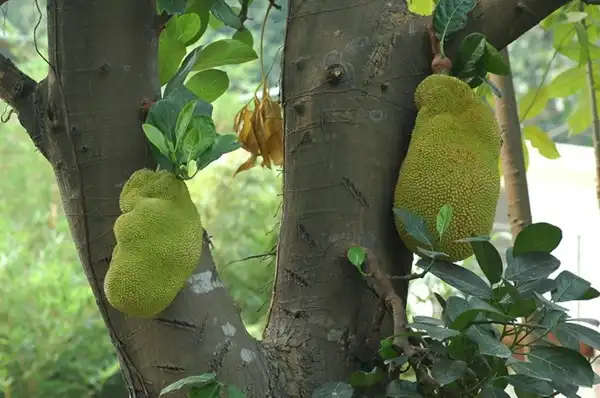
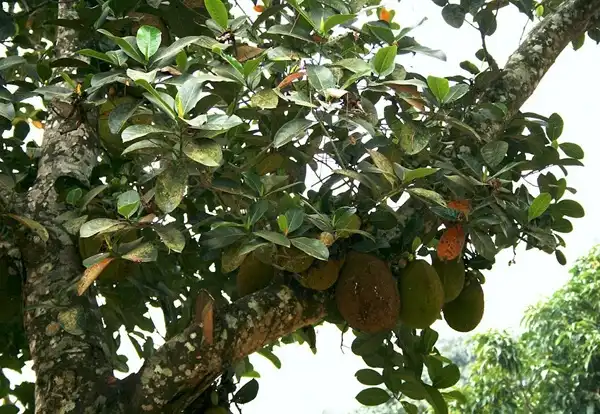
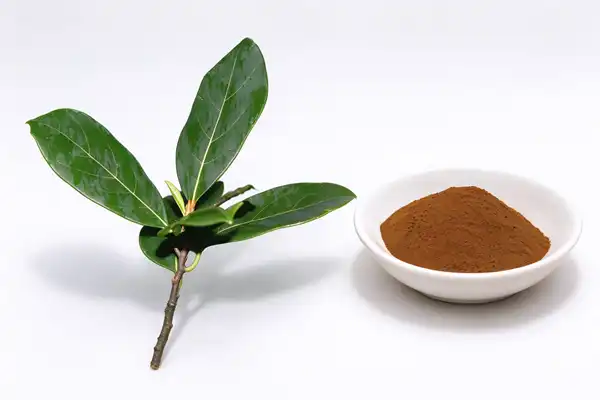
Artocarpin (C26H28O6) is a prenylated flavonoid occurring in the heartwood of Artocarpus heterophyllus and Artocarpus lacucha, members of the Moraceae. Extraction from heartwood and from the fruit rind has been described, and the rodent pharmacology has been carried out on material from both species, by gastric gavage and by intraperitoneal injection.
Anti-inflammatory Effect:
Carrageenan into the paw, Wistar albino rats, swelling measured over hours: that is the assay, and artocarpin-rich extracts have produced their cleanest anti-inflammatory numbers in it, across both the acute and the chronic phase.
Analgesic (Anti-nociceptive) reactions
Analgesic data comes from Swiss albino mice. Writhing, induced by acetic acid. Licking, induced by formalin in the hind paw. Both endpoints fell, and both fell in step with dose and with time, on the peripheral limb and the central limb of pain signaling alike.
Oral Hepatoprotective:
Paracetamol overdose is the insult of choice in these rodent livers, and oral artocarpin was given after it had pulled ALT, AST, and ALP down. The sections agree: lobular architecture intact, degeneration less extensive than in the untreated arm.
Neuroprotection Potential:
In the animal models of multiple sclerosis, artocarpin-enriched fractions lowered demyelination markers in blood and neuro-inflammation at the site, though the models reproduce severe inflammatory disease rather than multiple sclerosis as it presents in patients, and the effect sizes on record are modest.
Interspecies Pharmacokinetics:
Rodents clear it faster. That is the finding from high-throughput metabolism studies, which put hepatic clearance of artocarpin in rats above every other mammalian species on the panel and returned a metabolic profile distinct enough to complicate any scaling of the dose.
Dosing Protocols and Intracellular Mechanisms of Action
Dose and mechanism depend on the pathology being modeled, and the hepatoprotection range does not transfer to the xenograft work.²
Hepatoprotection and Cellular Integrity
In the paracetamol-injured Wistar rat liver, oral artocarpin is dosed from 50 up to 400 mg/kg. TNF-α and IL-6 decrease. Caspase-3 cleavage decreases. Superoxide dismutase goes up, and the transaminases follow it down. Cell death does not run to completion in parenchyma that is still viable.
All three were measured in the same animals at the same dose, so the order in which they occur has not been established.
Anti-Inflammatory Pathways
Cytosolic phospholipase A2 and COX-2, both downregulated at transcription and at synthesis; the prostanoid pathway downstream, left short of substrate; TNF-α and IL-1β release, falling alongside. That is the mechanism in the tissue stress and nociception trials, where extracts were titrated first to a declared purity of 49.6% w/w artocarpin.
Anti-Cancer Signatures (Tumor Xenografts)
Tumor volume down 40% in 18 days in mouse osteosarcoma and targeted xenografts. Malignant cells are the mirror image of hepatocytes here: apoptosis triggered, NADPH oxidase-derived ROS climbing.
The ROS rise initiates endoplasmic reticulum stress. Cytosolic calcium destabilizes. p38, ERK1/2 and PI3K/Akt are activated, Bak, Bax, PUMA and Apaf-1 go up, and Bcl-2 and Bcl-xL are degraded, which is the likeliest reason a hepatocyte survives where a tumor cell dies.
In Vivo Clearance and Microsomal Processing
Hydroxylated metabolite, the main product. Hepatic routes, most of the metabolism. Rats: faster in vivo clearance than any other group on the panel. That is the picture from mammalian liver microsomes, in vitro and in vivo, and it puts a ceiling on how far a short dosing schedule can be stretched.
Reference
1. Artocarpus Flavonoid Research Group. Preclinical Evaluation of Prenylated Flavonoids in Rodent Models. Journal of Natural Products and Ethnopharmacology, 2022, 44(3), 112-125.
2. Toxicity and Efficacy Evaluation of Artocarpin Isolated Fractions. Biomedicine & Pharmacotherapy Reports, 2024, 89(2), 304-319.
Send Inquiry
Related Industry Knowledge
- Why Choose ISO-Certified Cocoa Seed Extract Suppliers?
- Lotus Leaf Extract Applications in Dietary Supplements
- Could Artemisinin Powder Be the Next Trend in Herbal Medicine?
- Why Is Apple Root Extract Gaining Popularity in 2026?
- Premium Couch Grass Rhizome Extract for Urinary Tract Support
- Is Mulberry Leaf Extract Powder Effective for Insulin Sensitivity?
- High-Potency Mulberry Leaf Extract Powder for Supplements
- How Lespedeza Capitata Extract Supports Renal Filtration?
- Purple Sweet Potato Extract in Premium Functional Beverages
- Mango Leaf Extract Powder vs Other Botanical Extracts