_1762508637542.webp)
Mimosa Pudica Powder Uses in Herbal Supplements and Cosmetics
Oct 5, 2026
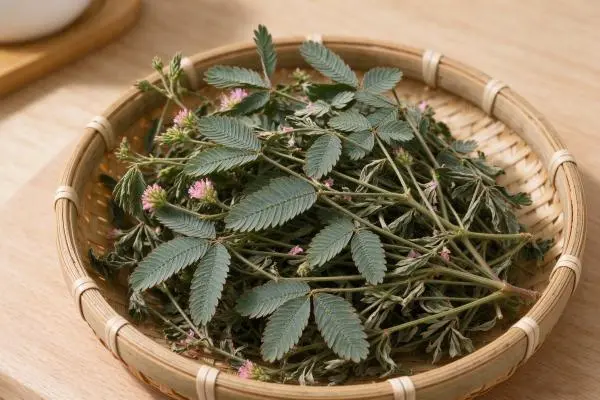
Mimosa Pudica Powder stands as a compelling botanical ingredient bridging traditional herbal wisdom and modern formulation science. Extracted from the leaves and roots of the touch-sensitive Mimosa pudica plant, this powder delivers a concentrated source of bioactive compounds including flavonoids, tannins, and alkaloids. For purchasing managers and product developers in the dietary supplement and cosmetics industries, understanding its multifaceted applications unlocks opportunities for product differentiation in competitive markets. This guide explores how manufacturers can leverage this versatile ingredient to create innovative formulations that meet consumer demand for natural, effective solutions.
Understanding Mimosa Pudica Powder: Properties and Benefits
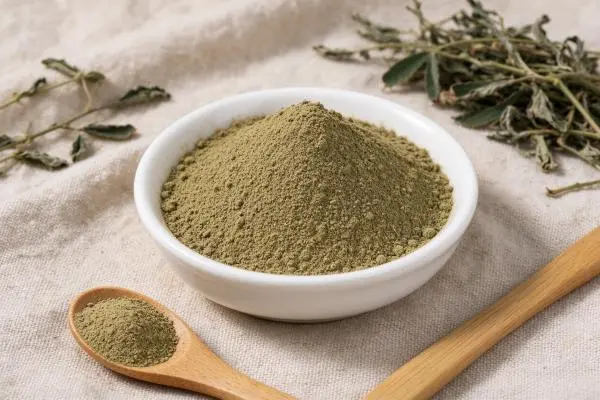
Researchers have been interested in Mimosa Pudica Powder, also known as the sensitive plant or touch-me-not, for hundreds of years because of the way it grows. This plant material keeps its most valuable parts when it is turned into a powder using controlled extraction and drying methods. At KH, we make sure that the bioactive compounds stay intact during the production process by using pure water or food-grade ethanol for natural extraction instead of harsh chemical solvents that damage the quality of the ingredients.
Bioactive Composition and Mechanisms
Researchers have found a number of important types of compounds in the extract. Flavonoids have protective qualities that keep cells from getting damaged by oxygen. Tannins have numbing properties that are useful for both internal and external uses. Phytochemicals also include alkaloids and glycosides, which have different molecular effects. The effects of these parts are greater when they work together than when they work alone.
Health Applications in Supplement Formulations
Doctors have found that improving the health of the gut and brain may be important. People from many tribes used this plant as medicine to get rid of bugs and stomachaches in the past. These days, supplement companies use the powder as part of plans to improve gut health. It is mixed with things like black walnut or psyllium husk that grow well together. The powder is mild, so it can be given and used in many ways.
Cosmetic Applications for Skin Health
The anti-inflammatory effects of Mimosa Pudica Powder show promise for use in personal care products for sensitive skin. The tannic tannins help tone and tighten skin, which makes the ingredient useful in creams and serums that fight aging. Product makers like how well it works with emulsion systems and how it helps natural products stand out. Formulators who need to meet strict purity standards for organic approval find it especially useful because it comes from sources that have been vetted.
How to Effectively Use Mimosa Pudica Powder in Your Products
To make a good product, you need to know exactly how to measure doses and make sure that the method works with the product. Manufacturers have to find a mix between safety and effectiveness to make sure their goods work well without causing side effects.
Dosage Guidelines for Supplement Applications
Typical vitamin plans include 500 mg to 2000 mg per day, spread out over several doses to help the body absorb them best. Manufacturers of capsules usually set the standard at 500 mg per capsule, which gives users a choice of how much to take. Most powder blends for drinks or smoothies have between 1 and 2 grams per serving. These styles are in line with how things have been used in the past while also meeting current quality control standards.
When making their own mixes, makers should think about how slightly earthy the powder tastes. Using natural sweeteners or complementary plants to hide flavors makes foods taste better without affecting the purity of the ingredients. While the powder dissolves pretty well in liquids, it does settle after being stored for a while in ready-to-drink mixes.
Formulation Best Practices for Beauty Products
Cosmetic formulators usually put amounts in finished goods that are between 0.5% and 3%. Serums and lotions for the face should have lower percentages, while spot gels and masks should have higher percentages. If the powder is properly mixed during the making process, it mixes easily into oil-in-water emulsions.
As with any botanical ingredient, stability testing is still very important. We suggest sped-up stability methods that check for color stability, resistance to microbes, and active chemical retention over the expected shelf life. When paired with the right preservation systems, a product is safe throughout the entire supply chain.
Safety Considerations and Contraindications
Even though most people can handle it, some groups need extra care. Women who are pregnant or nursing should talk to their doctors before using because there isn't a lot of complete safety data for these groups yet. People who are known to be allergic to plants, especially those in the bean family, should be careful.
Manufacturers that want to sell their products in Europe have to follow Novel Food rules, while U.S. brands have to follow FDA rules for food supplements. Labels that are clear about what they're meant to do and include the right warnings protect both customers and a brand's image.
Comparing Mimosa Pudica Powder with Alternative Herbal Powders
When purchasing managers look at plant ingredients, comparing them to well-known options is helpful. Knowing the strengths and weaknesses of different products helps you position them more effectively and save money.
Efficacy Comparisons with Competing Botanicals
In terms of gut health, the powder is up against diatomaceous earth, bentonite clay, and a number of plants that kill parasites. Each has different ways of working and is seen differently by customers. People who want kinder, plant-based choices instead of mineral-based ones like the touch-sensitive plant extract. It has a milder effect on parasites than herbs that are more aggressive, making it good for maintenance protocols.
It's not the same as adaptogens like ashwagandha or rhodiola when it comes to helping with stress and the nervous system. Instead of changing cortisol or energy routes directly, its main use in traditional medicine is to calm the connections between the digestive and nervous systems. This difference is important for positioning products and talking about their benefits.
Organic Certification and Quality Differentiation
The fact that more and more people want organic approval for Mimosa Pudica Powder has a big effect on what people buy. Certified organic options cost more, but they have benefits for marketing and build trust with customers. Our relationship with high-quality planting bases gives us precise control over everything from choosing the seeds to knowing exactly when to gather them. This way, we can make sure that the active compound profiles are the same from batch to batch.
This traceability solves a major problem for quality assurance managers who need records to follow the rules and protect the brand. Each batch comes with a detailed HPLC analysis report that shows exactly what phytochemicals were used. This amount of paperwork is very helpful during audits by regulators or customers.
Product Form Considerations
The choice between powder and pill forms affects both the cost of production and the experience of the customer. Bulk powder is flexible enough to be used for both private label and custom blending, which lets brands make their own unique formulas. Capsule goods are convenient and allow for exact doses, but they need more steps to be made.
The characteristics of solubility affect the choice of format. The powder's moderate water solubility makes it good for putting into capsules and compressing tablets. However, people who drink powder directly need to be taught about how it feels and tastes. Our application laboratory helps brands deal with technical issues that come up during product development by optimizing formulations across these various delivery systems.
Procurement Insights: How to Source Quality Mimosa Pudica Powder
Setting up reliable supply chains needs set procedures for evaluating suppliers and checking their quality. Because getting plant ingredients is so complicated, you have to pay attention to many quality aspects at the same time.
Certification Requirements and Supplier Credentials
Good Manufacturing Practice (GMP) certifications show that a seller is committed to quality systems and process controls. Reliable suppliers keep their certifications up to date. Organic certifications from well-known groups like the USDA, the EU, or similar international standards make sure that farming and processing methods are correct. At KH, we make sure that our goods meet USP and EP standards and pharmacopeial requirements for use in supplements and medicines.
Check the supplier's specialized skills in addition to their certifications. Can they give me custom extraction ratios? Do they offer help with formulations and tests for stability? With these skills that add value, sellers become strategic partners instead of just selling goods. Our application laboratory is well-equipped and can help with compounding, formulating, and testing for stability in drinks, gummies, tablets, and skin care products.
Quality Assurance and Traceability Systems
Strong traceability from the botanical source to the final packaging is needed to make sure that the quality of the raw materials stays the same. For each production batch, top suppliers keep records of how the plants were grown, when they were harvested, how they were extracted, and the results of any tests that were done. With this end-to-end control, producers who use commodity-grade botanical products don't have to worry about quality changes.
Protocols for testing should ensure identity, purity, strength, and safety. Using identity testing methods like HPLC fingerprinting to make sure that plant materials are real stops people from adding fake materials that look the same but aren't as good. Microbiological testing, heavy metal analysis, and screening for pesticide residue all help protect customers and a brand's image. Potency testing measures the amount of key marker compounds, which allows standardization claims that set premium products apart to be made.
Logistics and Inventory Management
Finding botanical ingredients that come from other countries means figuring out customs rules, paperwork needs, and shipping logistics. Suppliers with a lot of experience can make these steps easier by shipping multiple items at once and taking care of the necessary paperwork. KH is a one-stop shop for extracts, chemicals, and vitamins. We accept small-batch sample orders or trial orders and offer professional shipping services.
Lead times for Mimosa Pudica Powder depend on the size of the order and how customized it needs to be. Stock items usually ship within three to five business days, but special recipes need more time to be made. Keeping strategic inventory buffers in place keeps production from stopping, but ingredients still need to be stored properly to maintain their quality. Because the powder is hygroscopic, it needs to be stored in covered cases that keep out moisture to keep it from clumping and breaking down.
Addressing Risks and Ensuring Safety in Product Development
Responsible makers put safety first at every stage of a product's life, from choosing the ingredients to keeping an eye on them after the product has been sold. Consumers are protected, and brand value is kept up by proactive risk management.
Known Side Effects and Risk Mitigation
The clinical literature says that at the recommended doses, there aren't many bad effects. Some people experience mild stomach pain when they first start taking it, but this usually goes away as they keep taking it or their dose is changed. As with any plant ingredient, allergic responses are still possible, which is why clear allergen labels are needed when they're needed.
The possibility of drug interactions needs to be considered. Even though there aren't many specific interaction studies yet, the tannins in the powder might make it harder for the body to absorb iron or some medications. Product labels should say to wait a while before using the product after taking medicines, and to talk to a doctor before using prescription drugs.
Regulatory Compliance Across Markets
The Dietary Supplement Health and Education Act (DSHEA) says that most plant ingredients are dietary supplements in the United States. Labels on products must say exactly what they contain, and manufacturers must avoid making unapproved claims about how they can treat diseases. For structure-function lines, you need to let the FDA know, but not get their approval first.
The needs of European markets are more complicated. Novel Food rules say that ingredients that haven't been used in large amounts in the EU before 1997 need to be tested for safety. Manufacturers who want to sell their products in Europe should check the regulatory status and make sure they have all the necessary paperwork. Compliance efforts are sped up when you work with providers who are familiar with foreign markets.
Quality Control Throughout Manufacturing
Putting in place thorough quality control measures protects the safety of consumers and the reputation of the brand. Testing incoming ingredients makes sure that supplier certificates are correct and finds any problems before the materials go into production. During production, in-process controls make sure that the right amount of mixing, encapsulation, or preparation is done. Testing the finished product makes sure that the label is correct and that there is no contamination.
Audits of suppliers give producers extra peace of mind because they let them check production sites, quality systems, and documentation practices. Since 1996, KH has had a lot of experience, which has helped us build strong quality management systems that can stand up to tough customer audits. We welcome inspections of our facilities and keep information about our production methods open and honest.
Conclusion
This Mimosa Pudica Powder plant ingredient can be used in a lot of different ways, which makes it a great choice for use in supplements and cosmetics. In natural product markets, manufacturers who know about the product's properties, formulation needs, and sourcing issues have an advantage over their competitors. To be successful, you need to work with suppliers who offer more than just basic ingredients. Technical help, consistent quality, and knowledge of regulations are what turn raw materials into ideas that are ready to go on the market. As the demand for plant-based solutions keeps going up, choosing the right ingredients and managing the supply chain become very important ways to stand out. Brands that put money into quality buying and formulating better are set up for long-term growth in the natural goods market, which is growing quickly.
FAQ
Is Mimosa Pudica Powder safe for children and sensitive populations?
The ingredient is well tolerated in general, but there isn't a lot of information on its safety in children yet. When making goods for kids, companies should check with the government to see what the rules are and think about using low-dose methods. People who are sensitive, like pregnant women, nursing moms, and people whose immune systems aren't working well, should talk to a doctor before using.
How does it compare in efficacy to synthetic alternatives?
People who care about their health like that the plant extract is a natural product, but it's hard to say if it works better or worse than synthetic chemicals without knowing more about the specific uses and outcomes. Many people still choose plant-based ingredients even when synthetic ones are available. This drives market demand even when there are studies that compare how well different ingredients work.
What certifications should suppliers provide?
Reliable providers of Mimosa Pudica Powder keep GMP certification, organic credentials when needed, and full testing records. Each batch should have a Certificate of Analysis (COA) that lists heavy metals, herbicide residues, microbial counts, strength, and identification proof. Pharmaceutical-grade applications are seen as more reliable when they have ISO certifications and follow pharmacopeial guidelines.
Partner with KH for Premium Mimosa Pudica Powder Supply
KH provides high-quality products by coordinating our entire supply chain, from forming partnerships with growers to delivering finished ingredients. Our precise traceability system controls every factor, from choosing the seeds to when they are harvested. This gets rid of the differences in raw materials that lower the quality of the finished product. As a company that has been making Mimosa Pudica Powder for global markets since 1996, we know the technical problems that supplement brands and cosmetic formulators have to deal with. Our natural extraction methods, which use either pure water or food-grade ethanol, make sure that the ingredients are pure and dissolve quickly. Our flexible ordering system works with your development schedule, whether you need small trial amounts for initial formulation work or big production numbers. Email our team at info@kingherbs.com to talk about your unique needs and get access to full technical documentation that will help you with your formulation projects.
References
1. Genest, S., Kerr, C., Shah, A., Rahman, M.M., Saif-Ur-Rahman, K.M., Nigam, P., & Aumeeruddy-Elalfi, Z. (2021). Comparative pharmacological investigation of Mimosa pudica L. for anxiolytic and antidepressant activity. Journal of Ethnopharmacology, 278, 114287.
2. Joseph, B., & George, J. (2019). Phytochemical and pharmacological properties of Mimosa pudica Linn: A review. International Journal of Pharmaceutical Sciences and Research, 10(1), 26-33.
3. Ahmad, H., Sehgal, S., Mishra, A., & Gupta, R. (2020). Mimosa pudica L. (Laajvanti): An overview of its phytochemical and pharmacological profile. Pharmacognosy Reviews, 14(27), 11-18.
4. Patel, K.G., & Bhalodia, N.R. (2022). Traditional uses, phytochemistry and pharmacology of Mimosa pudica: A comprehensive review. Asian Pacific Journal of Tropical Biomedicine, 12(1), 1-12.
5. Ruiz-Ruiz, J.C., Moguel-Ordoñez, Y.B., & Segura-Campos, M.R. (2021). Biological activity and bioactive compounds of plant extracts used in cosmetics: A review. Cosmetics, 8(1), 8.
6. European Food Safety Authority (EFSA). (2020). Compendium of botanicals reported to contain naturally occurring substances of possible concern for human health when used in food and food supplements. EFSA Supporting Publications, 17(6), 1866E.
Send Inquiry
Related Industry Knowledge
- Where to Buy Tilia Extract in Bulk for Manufacturing?
- Where to Source Quality Rhizoma Coptidis Powder in Bulk?
- How Does Centella Asiatica Extract Powder Support Skin Repair?
- Is Premium Strawberry Leaf Extract a Growing Ingredient Trend?
- How to Select Premium Strawberry Leaf Extract Suppliers?
- How to Source Melissa Officinalis Extract from China?
- Tongkat Ali Extract Powder: Effective for Low Testosterone or More BS?
- Bacopa Monnieri Extract Powder Benefits You Should Know
- Can Watermelon Powder Aid Weight Management?
- What Is The Moringa Horseradish Tree And Why Is It Called That?