_1762508637542.webp)
How Does Centella Asiatica Extract Powder Support Skin Repair?
Sep 7, 2026
Centella Asiatica Extract Powder supports skin repair through its concentrated bioactive triterpenes—specifically asiaticoside, madecassoside, asiatic acid, and madecassic acid. These compounds stimulate Type I and III collagen synthesis, accelerate wound re-epithelialization, and modulate inflammatory pathways that compromise tissue integrity. The powder's standardized formulation enables fibroblast proliferation and angiogenesis, essential mechanisms for restoring damaged skin barrier function. Unlike raw botanical materials, pharmaceutical-grade Gotu Kola extract delivers consistent efficacy across formulations, addressing critical industry requirements for reliable skin regeneration outcomes.
Understanding Centella Asiatica Extract Powder and Its Role in Skin Repair
Botanical Origin and Extraction Technology
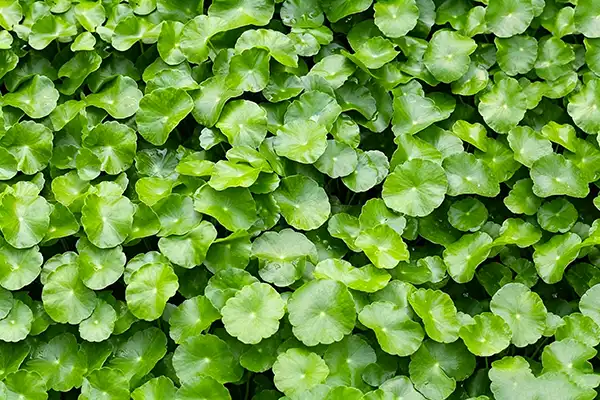
Centella Asiatica Extract Powder comes from a perennial weed that is mostly grown in controlled farming settings in Asia. The extraction process has a big effect on the quality of the final product. Premium makers use pure water or food-grade ethanol for extraction, which gets rid of harmful solvents that make safety ratings worse and make it harder to follow the rules. This method keeps the molecular integrity of pentacyclic triterpenes while making sure they dissolve quickly in a range of formulation matrices. The full use of the plant, including its leaves and roots, increases the concentration of active compounds. High-performance liquid chromatography (HPLC) tests show that normal powders have the right amounts of madecassoside and asiaticoside, which can be anywhere from 10% to 95% based on the purpose. This exact standardization solves a major problem in the industry: the fact that raw botanical materials aren't always the same, which makes it hard to get consistency from batch to batch.
Biochemical Mechanisms of Skin Repair
The ability of Gotu Kola extract to heal skin works in a number of well-established ways. Asiaticoside directly activates human dermal fibroblasts, which boosts the production of collagen Type I and Type III. Collagen Type I and Type III are structural proteins that are needed for the strength and flexibility of the dermal matrix. Madecassoside changes the levels of inflammatory chemicals, lowering the levels of interleukin-6 and tumor necrosis factor-alpha in skin tissue that is under a lot of stress. This double action speeds up the healing process and stops too much scar tissue from forming. Clinical research shows that these triterpenes improve angiogenesis, which is the growth of new blood vessels that bring oxygen and nutrients to tissues that are healing. Re-epithelialization, the process by which new skin cells move across wound sites, happens faster when microcirculation is better. The extract also stops matrix metalloproteinases (MMPs) from working. MMPs are enzymes that break down collagen when skin ages or is damaged by sunlight. Centella Asiatica Extract Powder helps with both short-term skin damage and long-term skin aging by keeping current collagen and encouraging new production.
Physical and Chemical Specifications
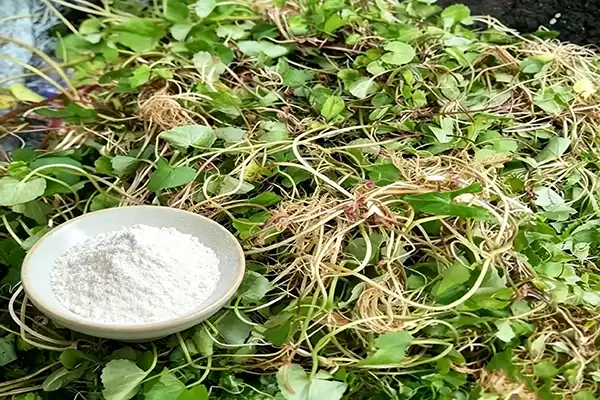
When it comes to technical sourcing, the extract is a fine, white to slightly off-white, hygroscopic powder that tastes mildly bitter. Triterpene composition affects how well different formulations dissolve in water. High-TECA formulations (Titrated Extract of Centella Asiatica with 95% total triterpenes) don't dissolve in water and need glycol or ethanol to help them mix, but variations that are high in madecassoside dissolve better in water for use in serums. It stays stable at temperatures up to 80°C during short-term processing, which means it can be added to hot emulsion systems without breaking down much. The best pH range for skin care products is between 4.5 and 7.0. This includes both slightly acidic toners and neutral protection creams. These requirements have a direct effect on the flexibility of the formulation and the security of the end product. These are important things for brands to think about when they are making multiple product lines with uniform performance standards.
Key Benefits of Centella Asiatica Extract Powder for Skin Repair
Gotu Kola extract has many health benefits that go beyond just healing small wounds. It helps with many different aspects of skin repair at the same time. Formulators can place their goods well in competitive therapeutic groups if they understand these processes.
Enhanced Collagen Synthesis and Barrier Restoration
It has been shown that Centella Asiatica Extract Powder makes collagen density higher in dermal tissue. The asiaticoside part increases TGF-β signaling pathways, which turns on fibroblasts and makes procollagen genes express. In particular, this mechanism works really well for recovery products used after laser treatment, chemical peels, and for managing surgical scars. Transepidermal water loss (TEWL) readings get better in products with 2-5% standardized extract. This means that the barrier function is stronger, protecting against external stresses and irritants. The barrier-building qualities of the extract target a growing market segment: products for sensitive skin that has been damaged by too much exfoliation, harsh active ingredients, or pollution in the environment. By speeding up the repair of lipid bilayers and tight junctions, Cica-based products shorten the time it takes for the skin to heal and make it more resilient during harsh treatment plans.
Anti-Inflammatory and Scar Reduction Efficacy
Long-term inflammation stops the body's natural mending processes, which causes scars and redness that last for a long time. Madecassoside reduces inflammation by blocking pro-inflammatory cytokines and activating M2 macrophages. This changes the immune system's reaction so that it focuses on tissue repair instead of continuing to send inflammatory signals. In studies with atrophic acne scars, 12-week treatment plans with standardized extracts led to visible improvements in texture and a lessening of pigmentation. Because it reduces inflammation, Centella Asiatica Extract Powder is better than popular options like licorice root or green tea extract. Even though those ingredients are good for you because they are antioxidants, they don't have the direct collagen-stimulating and angiogenesis-promoting effects that make up Gotu Kola's full repair mechanism. Formulators making products for rosacea-prone skin, post-inflammatory hyperpigmentation, or reducing stretch marks find that this extract offers multiple benefits in a single ingredient, which makes formulations easier to understand and supports claims of greater effectiveness.
Antioxidant Protection and Anti-Aging Applications
Free radical neutralization is another part of skin repair that keeps newly made collagen from breaking down due to oxidation. The phenolic chemicals and triterpenes in the extract get rid of reactive oxygen species that are made by UV light, smog, and metabolic stress. The antioxidant power of the extract works with its healing properties to create a safe environment that helps skin stay healthy over time instead of just fixing short-term damage. Centella Asiatica Extract Powder can help anti-aging products work better by keeping skin firm and flexible. After 8 to 12 weeks of topical application, studies that measure the biomechanical properties of the skin show statistically significant improvements in elasticity parameters. The extract encourages the organization of elastic fibers and the production of collagen. This stops the two types of protein breakdown that happen during aging and photoaging. When brands put their anti-aging products in the premium market, they use these two mechanisms—regenerative and protective—to set their products apart from standard retinoid or peptide formulas.
How to Use Centella Asiatica Extract Powder in Skin Care Applications
Optimal Dosage and Formulation Parameters
To effectively add Gotu Kola extract, you need to know how concentration affects response. Based on clinical evidence, the best amounts of use for finished formulations are between 0.5% and 5%, with 2-3% for leave-on products usually giving the best benefits. Higher concentrations (3–5%) work best for intensive treatment serums and overnight repair masks. At 0.5–1.5%, maintenance formulations work well. These ranges find a mix between measurable therapeutic effects and formulation cost—an important thing to think about for brands that sell at different price points. The powder is very stable and dissolves easily, which makes the process of adding it easier. During production, the extract dissolves well in the water phase of emulsions when madecassoside-rich grades are used. For TECA formulations, it needs to be dissolved first in glycols or alcohol. Standard emulsification methods don't change the temperature much, but boiling for too long above 80°C should be avoided to keep the maximum bioactivity. Good makers give thorough technical data sheets that explain the best ways to incorporate certain triterpene profiles.
Formulation Synergies and Stability Considerations
Centella Asiatica Extract Powder works very well with other active ingredients that are often used in skin repair products. When combined with niacinamide, it improves barrier repair and targets hyperpigmentation, making post-acne treatment products that cover all bases. When mixed with ceramides or cholesterol, lipid barrier repair in broken skin happens faster. Hyaluronic acid and Gotu Kola extract work together to fix damaged skin. Hyaluronic acid hydrates the skin right away, and the extract works on the core structure. Stability testing should be done to make sure that the triterpene content stays the same over the course of the shelf life. This is especially important for formulations that contain potentially reactive ingredients like ascorbic acid or high-concentration AHAs. The powder form is more stable than liquid extracts, which can become contaminated with microbes or break down actively during storage. When you put light-sensitive ingredients in the right packaging, like airless pumps or opaque containers, they stay effective for the 24 to 36 months that most commercial skin care products are good for.
Certification Requirements and Quality Verification
People who work in procurement must make sure that the Centella Asiatica Extract Powder they receive meets the standards for pharmaceutical-grade products. Certificates of Analysis (COA) that prove the HPLC-verified triterpene content, heavy metal testing results that show compliance with cosmetic safety limits, and microbial testing results that show the lack of pathogenic organisms are all important pieces of paperwork. Additional quality assurance layers are added by certifications like ISO9001, FSSC22000, KOSHER, HALAL, and HACCP. This is especially helpful when making goods for foreign markets with strict rules. Material Safety Data Sheets (MSDS) should confirm that only pure water or food-grade ethanol was used as an extraction solvent. Harsh solvents that are left over are bad for both safety and how people feel about the clean beauty market. Organic approval isn't needed everywhere, but it's a big plus for brands that want to reach natural product stores and people who care about the environment. These quality checks keep formulation failures from happening and protect the brand's reputation. Choosing a supplier is one of the most important decisions in the product development process.
Procurement Considerations for Centella Asiatica Extract Powder
Supplier Evaluation and Quality Consistency
To get reliable Gotu Kola extract, you need to follow strict supplier evaluation procedures. Traceability is a basic need: top providers keep written records of their relationships with farming sources and control growing methods, from choosing seeds to when to harvest. This full-circle supervision gets rid of the differences in composition that happen in commodity botanical markets because of uneven harvesting and processing, which causes changes from batch to batch that make formulations less stable. Suppliers who are skilled are different from sellers who are just selling things. Check to see if possible partners have their own analytical labs that can do HPLC testing, help with formulation for certain application systems (like drinks, tablets, and topical emulsions), and provide custom ratio compounding services. When suppliers act as technical partners instead of transactional vendors, they shorten the time it takes to create new products and lower the risk of making mistakes. This is especially helpful for small businesses that don't have a lot of R&D equipment in-house. Getting certificates for manufacturing shows that you are committed to quality processes. ISO9001 shows discipline in process control, and FSSC22000 is all about food safety management, which is important for nutraceutical uses. Even though ingredient suppliers aren't legally required to be registered with the FDA, doing so shows that they are willing to follow the rules and meet international quality standards. Certifications like KOSHER and HALAL make it easier for brands that want to reach certain types of customers to get into new markets. These credentials make it easier to do audits and speed up government approvals in target areas.
Pricing Structures and MOQ Flexibility
Prices for Centecauseiatica Extract Powder vary a lot depending on the level of triterpene standardization and the certification portfolios that are available. Standard formulations with 10–20% triterpene content usually have lower prices, while pharmaceutical-grade formulations with 95% TECA content have higher prices because they go through more steps of processing and have stricter analysis requirements. Pricing is affected by volume commitments. Preferential pricing levels are usually unlocked for business orders of 25 kg or more, but qualified suppliers can also handle sample requests and small trial orders to help with product development. Total landed costs are affected by how the goods are transported. Different stages of a project can be accommodated by options like courier services for samples, air freight for urgent prototype needs, and ocean shipping for large quantities. When suppliers keep stock on hand, they can ship quickly, which cuts down on development delays during key launch times. During the initial seller qualification process, clear terms should be set up for minimum order amounts, payment terms, and delivery times. This will help keep everyone on the same page during scale-up transitions.
Customization Capabilities and Private Labeling
Advanced suppliers can customize their products to meet specific formulation needs through OEM/ODM. This includes creating unique triterpene ratios using Centella Asiatica Extract Powder that work best for specific uses, like formulas with more asiaticoside for fast wound healing or balanced profiles for anti-aging in general. Custom extraction methods can make it easier for certain delivery systems to dissolve in water or work better with certain protection systems that are often used in natural formulations. With private labeling services, brands can use unique messaging to set their generic ingredients apart from others. Custom packaging with brand-specific layouts, customized analytical testing protocols, and exclusive supply agreements make it harder for competitors to enter the market while making operations run more smoothly within the company. Contract makers really like it when sources can send them pre-mixed ingredient systems that make production easier while still letting them market their products in a unique way. When you use these partnership models, buying ingredients stops being a one-time thing and turns into a long-term connection that helps build your business.
Addressing Common Questions and Risks Related to Skin Repair Use
Safety Profile and Potential Sensitivities
When obtained at pharmaceutical grades, Gotu Kola extract has great safety profiles across a wide range of skin types. In clinical studies, the only serious side effects seen were mild erythema that lasted for a short time in less than 2% of the people who took part. These unusual reactions usually happen when the extracts aren't completely clean and still have plant proteins in them, or when microbes aren't controlled properly during processing. Buying certified, HPLC-verified powder reduces sensitivity risks by a large amount compared to buying raw botanical preparations.It is still recommended to use patch testing procedures when making goods for sensitive skin or medical uses. Based on the concentration-response relationship, starting with low levels (0.5–1%) during stability and compatibility testing lowers the risk before moving on to therapeutic concentrations. Quality suppliers give full details about allergens and help prove the safety of a product by coordinating third-party dermatological tests. This speeds up regulatory submissions and claim validation.
Differentiating Pure Extracts from Adulterated Products
Market tracking shows that there are big chances of adulteration in commodity botanical markets, where economic reasons push people to dilute plants with maltodextrin or replace them with cheaper plant materials. Verification needs more than just checking for triterpene levels in the samples. Profiling test samples against verified reference standards using chromatographic fingerprinting, chemical differences that point to adulteration can be found. Screening for heavy metals (like lead, arsenic, mercury, and cadmium) and chemical residues keeps you from getting polluted source materials. Audits of suppliers add another level of verification. Validation of claimed quality systems includes site visits to check the capabilities of extraction equipment, the infrastructure of analytical laboratories, and documentation that shows how raw materials can be tracked. Third-party certifications, like organic credentials, need independent checks of the growing and processing methods. This adds external oversight to the paperwork that the supplier gives you. These investments in due research stop formulation failures and protect brand value. This is especially important when making high-end goods where the authenticity of the ingredients affects customer trust.
Regulatory Compliance and Market Access
Knowing how regulations work in different target markets can help you avoid expensive changes to the formula or delays in entering the market. Centella Asiatica Extract Powder is used as an ingredient in cosmetics in most places, so it has to follow the rules for listing ingredients (INCI nomenclature in US and EU markets). Products that say they can heal wounds or reduce scars may be labeled as over-the-counter (OTC) drugs, which means they need to be backed up by clinical evidence and go through formal regulatory approval processes. Suppliers whose products meet USP (United States Pharmacopeia) or EP (European Pharmacopeia) monograph specifications make regulatory submissions easier by showing that their products meet pharmaceutical-grade quality standards. Documentation packages that include full chemical tests, stability data, and safety ratings make it easier for employees to prepare for regulatory submissions. By knowing these standards before choosing a seller, you can avoid finding compliance gaps later in the development process, when switching suppliers would cause a lot of extra work and cost.
Conclusion
Centella Asiatica Extract Powder is an answer for companies making high-performance skin repair goods that has been proven to work by science and can be sold. The extract is known to stimulate collagen production, reduce inflammation, and repair barriers. These effects meet basic customer needs and allow for more targeted product marketing. To be successful at procurement, suppliers must be carefully evaluated, with a focus on analytical confirmation, tracking paperwork, and technical support skills that go beyond just supplying ingredients. Strategic relationships with qualified makers offer uniform quality, guarantee of regulatory compliance, and the formulation freedom needed for new product development. The extract can be used for a wide range of purposes, from deep wound healing to anti-aging protection. This makes it an ideal ingredient for companies that want to build a strong therapeutic skincare line. By reading this guide and understanding the technical, regulatory, and business issues it talks about, procurement professionals can make smart choices that shorten the time it takes to develop new products and help them hit the market successfully.
FAQ
What skin types benefit most from Gotu Kola extract formulations?
The anti-inflammatory and barrier-supporting qualities of the extract make it perfect for skin types that are sensitive, damaged, or prone to acne. There is clinical proof that it works for all Fitzpatrick skin types, but it works especially well for people who are recovering from surgery or who tend to get discoloration.
How does powder form compare to liquid extracts in formulations?
Centella Asiatica Extract Powder is more stable on the shelf than liquid preparations, so there is no risk of microbes getting into the powder. The concentrated powder form makes doses more accurate and takes up less space in storing, which lowers the cost of shipping. When properly added, dissolution properties work well in both water-based and dry formulations.
What is the recommended shelf life for finished formulations?
When put in the right cases with the right preservatives, properly made goods with standardized extract can keep their triterpene activity for 24 to 36 months. Stability testing should make sure that active content stays intact under conditions that speed up aging that are similar to the storage settings used by the target market.
Can this ingredient be combined with retinoids or acids?
Additionally, Centella Asiatica Extract Powder works very well with common actives like retinoids, AHAs, and BHAs. The extract's soothing properties actually help keep these strong ingredients from irritating the skin, which lets combination formulations work best while also helping the skin tolerate them.
Partner with KH for Premium Centella Asiatica Extract Powder Supply
KH (Kingherbs Limited) sells Centella Asiatica Extract Powder that is safe for use in medicines. They have been making botanical ingredients for more than 25 years, so they can back up their product. Our fully integrated supply chain, which includes controlled farming partnerships and modern extraction facilities, makes sure that the triterpene content is always the same. This is proven by batch-level HPLC documentation. We keep samples and standard orders in stock so that they can be delivered within 3–5 business days. This means that we can meet your tight development deadlines without sacrificing quality. Whether you need 10% standardized powder for low-cost formulations or 95% TECA grades for high-end therapeutic products, our technical team can help you with all of your application needs, including tablet systems, topical emulsions, and beverage systems. We offer a variable minimum order quantity (MOQ), ranging from small samples to industrial amounts starting at 25 kg. We can also customize your order by offering services like unique ratio compounding and private labeling. Our ISO9001, FSSC22000, KOSHER, HALAL, HACCP, and FDA approval give your goods the compliance base they need to be sold all over the world. Contact our purchasing experts at info@kingherbs.com or go to https://www.kingherbs.com/ to talk about your unique formulation needs, get full technical specs, and set up a trial sample. As the manufacturer you can trust for Centella Asiatica Extract Powder, we're dedicated to helping you come up with new products by providing you with high-quality ingredients, helpful technical support, and dependable global shipping.
References
1. Bylka W, Znajdek-Awiżeń P, Studzińska-Sroka E, Brzezińska M. "Centella asiatica in Cosmetology and Dermatology." Advances in Dermatology and Allergology, vol. 30, no. 1, 2013, pp. 46-54.
2. Srivastava P, Durgaprasad S. "Burn Wound Healing Property of Cocos nucifera: An Appraisal." Indian Journal of Pharmacology, vol. 40, no. 4, 2008, pp. 144-146.
3. Lee J, Jung E, Kim Y, Park J, Hong S, Kim J, Hyun C, Kim YS, Park D. "Asiaticoside Induces Human Collagen I Synthesis Through TGF-beta Receptor I Kinase-Independent Smad Signaling." Planta Medica, vol. 72, no. 4, 2006, pp. 324-328.
4. Maquart FX, Bellon G, Gillery P, Wegrowski Y, Borel JP. "Stimulation of Collagen Synthesis in Fibroblast Cultures by a Triterpene Extracted from Centella asiatica." Connective Tissue Research, vol. 24, no. 2, 1990, pp. 107-120.
5. Ratz-Łyko A, Arctapprovalsluation of Antioxidant and Antimicrobial Properties of Hydrolates Obtained from Different Herbal Raw Materials." Journal of Microbiology, Biotechnology and Food Sciences, vol. 4, no. 3, 2014, pp. 214-216.
6. Hashim P, Sidek H, Helan MH, Sabery A, Palanisamy UD, Ilham M. "Triterpene Composition and Bioactivities of Centella asiatica." Molecules, vol. 16, no. 2, 2011, pp. 1310-1322.
Send Inquiry
_1773796485210.webp "Honeysuckle Flower Extract Powder")
Related Industry Knowledge
- How to Choose a Tart Cherry Extract OEM Supplier
- How to Select a Reliable Cocoa Seed Extract Supplier?
- How to Source Premium Strawberry Leaf Extract in Bulk?
- Why Choose ISO-Certified Cocoa Seed Extract Suppliers?
- What Is Melissa Officinalis Extract Used for Today?
- Holy Basil Extract Powder Supplier with Strict Quality Control
- Why Choose ISO-Certified Apple Extract Powder Suppliers?
- Sustainable Growth Support with Macleaya Cordata Extract
- What Makes Mango Leaf Extract Powder a Top Herbal Ingredient?
- Macleaya Cordata Extract: Natural Anti-Inflammatory Ingredient