_1762508637542.webp)
How to Choose a Tart Cherry Extract OEM Supplier
Sep 3, 2026
Choosing the right OEM supplier for Tart Cherry Extract ingredients involves evaluating quality consistency, extraction methodology, certification depth, and service responsiveness. Your supplier should provide batch-level documentation, transparent traceability from orchard to powder, and technical support that extends beyond simple ingredient delivery. The ideal partner demonstrates proven manufacturing scalability, meets USP/EP compliance standards, and offers rapid sample turnaround to accelerate your product development timeline while ensuring the bioactive integrity of anthocyanins and natural melatonin remains intact throughout processing.
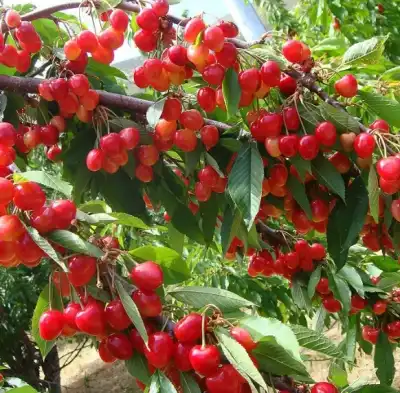
Key Criteria for Selecting a Tart Cherry Extract OEM Supplier
Quality Assurance and Certification Standards
Third-party licenses that are very strict build trust. Look for providers that have ISO9001, FSSC22000, or HACCP certifications. These show that they handle quality in a planned way throughout the whole production process. Certifications like KOSHER and HALAL make markets bigger, especially for brands that want to reach certain types of customers. When something is registered with the FDA, it means that it is in compliance and ready to enter the U.S. market. In addition to building certifications, you should also ask for batch-specific analysis results that use HPLC and UV testing. These should check the reported specs for anthocyanin content, proanthocyanidin levels, and flavonoid percentages. Carbon-13 isotope analysis is a type of authenticity testing that can tell the difference between naturally occurring compounds and synthetic ones. This is an important thing to think about when marketing "natural" products.
Extraction Technology and Solvent Safety
The way of extraction has a direct effect on both maintaining purity and bioactivity. Premium suppliers only use pure water or food-grade ethanol for extraction, not methanol or petroleum-based solvents, which can leave behind residues that aren't good for the clean-label position. The temperature protocol for extraction is very important because some anthocyanins break down at higher temperatures than others, which lowers their antioxidant potency as shown by ORAC values. Tart Cherry Extract production requires careful control of these processes to preserve its natural polyphenol profile and functional properties. Advanced suppliers use low-temperature spray-dryingor freeze-drying methods that keep the polyphenol matrix while meeting particle size requirements (usually 95% passing 80 mesh), which are needed for reliable breakdown and formulation integration. Ask possible partners to explain in detail how they remove and show proof of tests for residual solvents.
Product Specification Flexibility
Your provider should give you a lot of choices for specifications, not just basic powder forms. Ratio extracts (4:1, 10:1) give bioactives more effectively, while juice powders keep the whole fruit matrix for whole-food formulas. Standardized extracts make it possible to precisely control doses, whether the goal is 1% anthocyanins for general health uses or 10% for clinical-strength formulations. Customization is what sets special sellers apart from commodity providers. Can they make certain combinations of ingredients, like increasing the amount of melatonin above what the body naturally makes? Do they allow private marking and have open minimum order quantities? It's possible to stand out in a crowded market by making your own unique mixes that meet specific health claims. For example, for sleep-recovery goods, you could combine 3% melatonin standardization with 5% flavonoids.
Supply Chain Transparency and Traceability
Traceability from start to finish starts in the garden. Leading providers have direct ties with cultivation partners and control the types of plants used, the quality of the soil, and the time of harvest to make sure that the anthocyanin profiles are always the same. The quality changes that happen a lot with spot-market buying are lessened by this vertical integration. Ask for specific paperwork that shows how your batch of ingredients got from the plant source to the stages of processing. This should include coordinates for the harvest site, audit records for the processing center, and condition tracking for the transportation. This level of transparency not only helps you follow the rules, but it also protects your brand's reputation from supply chain contamination incidents, which are happening more and more in the botanical ingredient sector.
Evaluating Supplier Reliability and Service Performance
Production Capacity and Lead Time Consistency
Scalability tells you if a supplier can grow with your business. Check the current manufacturing throughput—can they meet the volume of orders you expect without lowering the quality? During peak seasons, when demand for supplements goes through the roof, production capacity becomes very important. Reliability in lead times affects how material is managed and when products are released. Maintaining ready stock positions by suppliers is very helpful because it allows for fast commercial order fulfillment and sample delivery within 3–5 business days. Being responsive speeds up your research and development processes and frees up working cash that would have been used to buy safety stock. Check to see if the seller uses just-in-time production or strategic inventory reserves. Each model has a different risk-reward profile for making purchases.
Technical Support and Application Expertise
Basic material availability is the very least that can be expected. Value-creating suppliers act as technical partners and offer formulation advice that addresses problems with stability that are unique to your product matrix. Do they have application labs that can test for compatibility in drink systems, gummy formulations, tablet compression, or cosmetics that are put on the skin? When dealing with pH-dependent anthocyanin stability (best below pH 3.5), avoiding hygroscopic clumping in powder blends, or controlling color degradation in light-exposed formats, technical knowledge comes in very handy. When you get help with compounding, stability testing, and shelf-life paperwork from a supplier, you don't have to do as much research and development yourself, and you can get your products to market faster.
Pricing Transparency and Value-Added Services
Wholesale price models should show clear cost patterns with no extra fees that aren't obvious. Check to see if your suppliers offer volume-based discounts that encourage partnership growth and help you get the most out of your margins as your product grows. Clear payment terms, like lines of credit, net payment plans, or deposit structures, show that the business is financially stable and flexible. Competitive pricing isn't the only thing that value-added services do. Does the supplier help with the regulatory paperwork for the markets you want to reach? Can they give you CoA templates that meet FDA or EU standards for products such as Tart Cherry Extract? Sample supply policies are very important. Suppliers who charge too much for samples or put tight NDA terms on partners could cause problems in the future. Leading suppliers allow small-batch trial orders (less than 25 kg) so that formulations can be improved before committing to larger amounts.
Reputation Verification Through Third-Party Evidence
Social proof comes from client reviews and case studies, but independent verification gives you more trust. Check to see if the seller has long-term partnerships with well-known names in your market. Being present at trade shows like SupplySide West or Vitafoods Europe shows that you are interested in the market and are respected by your peers. Service consistency patterns can be seen by looking at online reviews on different B2B platforms. Look for feedback that specifically talks about how fast contact is, how consistent the quality is across multiple orders, and how well the company can solve problems when they come up. Checking references with current clients, especially those who buy similar products, gives you a clear picture of how the partnership works day-to-day.
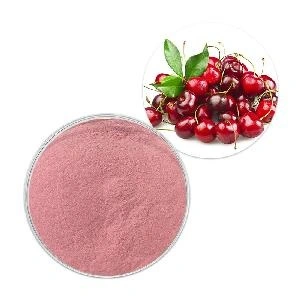
Comparing Popular Tart Cherry Extract OEM Suppliers and Brands
Market Positioning and Specialization
Leading suppliers set themselves apart by focusing on the market and certification. Natural channel sellers like Nature's Way because it has a long history and a lot of organic certifications that put it in a premium place. Gaia Herbs stresses traceability from farm to bottle through vertically integrated cultivation, which fits with brands that value honesty. With the help of clinical studies and NSF Sport approval, Sports Research goes after markets for athletic success. Knowing about these marketing tactics can help you choose suppliers who will work well with your brand's structure. If your products are meant for professional athletes who need to be tested for banned substances, you must only work with suppliers who are NSF-certified. On the other hand, if you're formulating for mass-market stores that value cost-effectiveness over premium positioning, suppliers who offer competitive ratio extracts without extensive certifications may better meet your business goals.
Organic Versus Conventional Production
Organic certification adds complexity and costs more—usually 30 to 50 percent more—but it also opens up new ways to sell products that need to be USDA or EU Organic certified. The licensing requirements cover more than just the fruit. They also cover all the tools and materials used in the processing, like maltodextrin, which is used in spray drying. Suppliers who offer organic options and use certified organic manioc maltodextrin show that they pay attention to the little things that set compliant products apart from those that fail audits. Conventional production doesn't mean lower quality as long as providers test for heavy metals and herbicide residues very carefully. Instead of making assumptions about quality differences, your choice should be based on what your target market wants. Many of the clinical studies that showed the extract worked used regular materials, which suggests that the organic state isn't necessary for biological activity, even though it can be useful for some groups.
Format Options: Powder Versus Capsule Considerations
Powder forms give you more control over how you make things, so you can add them to protein blends, drink mixes, or functional food recipes. The fine pink-red powder look is a sign of quality. A color that is too dark could mean that it was exposed to too much heat or oxidation during processing. When it comes to beverages, where undissolved particles cause quality issues, solubility traits are very important. Capsules make dosing easier and help people take them as prescribed, especially for healing uses that need steady daily intake. However, encapsulation adds more factors that can change bioavailability, such as the type of capsule shell material (gelatin vs. veggie options), the accuracy of the fill weight, and the rate at which the capsule dissolves. Suppliers who offer services for finished capsules must show that they follow GMP rules that are specific to packaging operations. This includes proof that they have cleaned properly so that cross-contamination doesn't happen between production runs.
Best Practices for Successful Tart Cherry Extract Procurement
Conducting Thorough Supplier Audits
While remote assessments are good for a first look, on-site audits show practical facts that can't be captured by paperwork. Check how clean the building is, how the raw materials are separated, and how the equipment is maintained. Check to see if the processing equipment is made of stainless steel, which reduces the risk of contamination, and make sure that the systems that keep an eye on temperature and humidity are always on. Talk to people who work in quality assurance to find out how technically competent they are. Can they describe key control points that are specific to preserving anthocyanin in ingredients such as Tart Cherry Extract? Do they know what changing the amount of water activity means for the stability of powder? Technical fluency at the operational level shows that quality systems do more than just make sure that paperwork is filled out correctly; they also make everyone in the organization aware of quality.
Negotiating Contracts with Risk Mitigation Terms
The terms of a contract should include good ways to settle disagreements before they happen. Set accepted levels for active compound specifications. For example, a product that says it has 5% anthocyanins should say whether 4.8% is okay or if the price needs to be changed. Set clear rules for how to handle batches that don't meet specifications, including when to investigate, take appropriate action, and give replacement products. Payment plans that are balanced with delivery milestones are good for everyone. Do not agree to terms that require full payment up front unless you have thoroughly checked the supplier's image and financial health. In contrast, longer net terms may mean that the seller is having trouble paying their bills. Make deals with payments due at set times, like when the production is finished or when the goods are shipped. This will make sure that everyone is motivated and help both companies manage their cash flow. Make your order volume commitments more flexible, especially when a new product comes out and it's hard to predict how much demand there will be. Minimum order amounts should allow for market testing steps without putting too much risk on inventory. On the other hand, set volume goals that justify the supplier's capacity allocation after you're sure there is demand in the market.
Building Strategic Long-Term Partnerships
Transactional relationships work best for individual orders, but they miss chances for people to work together to come up with new ideas. Strategic sources help you plan your research and development by giving you information about new uses, new ways to send products, or ingredients that work well together to create synergistic effects. This partnership method shortens the time it takes to make a product and makes it more competitive at the same time. As customer knowledge and government rules change, sustainability programs have a bigger impact on which suppliers are chosen. Partners who invest in clean energy, reduce waste, and use ethical sources are in line with business responsibility goals and protect supply chains from future legal changes. Collaborative sustainability programs create shared value that goes beyond the economics of the immediate purchase. Communication rhythm is very important. Set up regular points of contact that go beyond just taking orders. For example, holding quarterly business reviews to talk about pipeline goods, capacity planning, and quality measurements can help everyone stay on the same page and avoid confusion during key times. With this level of relationship depth, providers stop being interchangeable sellers and become strategic assets.
Conclusion
To choose an OEM supplier for sour cherry ingredients, you need to carefully look at their quality control, technical skills, service reliability, and ability to work with you. The best supplier makes sure that bioactive compounds are always the same by using validated testing protocols for products such as Tart Cherry Extract. They also keep clear records of all steps in the process, from growing the plants to making the products, and they offer technical support that includes helping with formulation optimization. Certification level, extraction method, and production scalability all have a direct effect on how well your product complies with regulations, where it stands in the market, and how well it can make money. Procurement teams make sure the supply chain is stable by doing thorough research, making risk-balanced contracts, and building strategic relationships. They also make sure that product innovation happens, which sets brands apart in the competitive wellness market. The money spent on evaluating suppliers pays off in fewer quality problems, shorter development times, and a better image in the market.
FAQ
How do I verify anthocyanin content authenticity?
Ask for HPLC chromatograms that are specific to the batch and show the full polyphenol profile, not just one spot. Real Montmorency cherry extract has unique peaks for cyanidin-3-glucoside and flavonoids that are related to it. Carbon-13 isotope testing can tell the difference between synthetic compounds and naturally occurring anthocyanins because they have different isotopic signatures. If suppliers refuse to comply with these requests for verification, they should be watched out for because it is still common in the ingredient market for sweet cherries to be adulterated with synthetic colorants or cheaper varieties.
What advantages does extract powder offer compared to juice concentrate?
Powder forms are more stable, so they don't need to be kept in the fridge and have a much longer shelf life. Because it is concentrated, it is easy to control the exact dose. Giving the same amount of anthocyanin in smaller serving sizes makes consumers more likely to follow the directions. Powders can be used easily in capsule, tablet, and dry-blend forms, where liquid concentrates can be hard to work with. Taking out the water lowers the cost of shipping and the carbon efootprint and it also stops microbes from growing, which can happen with liquid goods.
What minimum order quantity should I expect?
Reliable suppliers can accommodate sample requests and small-scale trial orders, which let you improve the formulation before making a full commercial commitment. Sample sizes are usually between 100g and 1 kg, and for special needs, trial production runs can start at 5 to 10 kg. Standard business orders usually need at least 25 kg (one drum), but new names may be able to work with established providers who have stock on hand. During the product testing phase, you shouldn't make too many commitments, so make sure that your volume needs match your market validation stage.
Partner with KH for Premium Tart Cherry Extract Solutions
Because they've been making botanical ingredients since 1996, KH has been able to consistently meet the high standards of dietary supplement brands, functional food developers, and nutraceutical manufacturers around the world. Prunus cerasus L. is where our sour cherry powder comes from. Verifies anthocyanin standardization from 0.5% to 10%, with full specifications that include ratio extracts, juice powders, and custom formulations that increase melatonin levels. Through our ISO9001, FSSC22000, KOSHER, HALAL, and HACCP-certified facilities, we keep full tracking from linked cultivation bases. This makes sure that your products have the bioactive consistency they need. Our extraction method only uses pure water or food-grade ethanol. This keeps heat-sensitive polyphenols safe while giving you a fine pink-red powder that dissolves quickly and makes your manufacturing processes easier. We shorten the time it takes to create new products by having samples and standard specs ready in stock and ready to ship within 3–5 business days. Our application laboratory helps you find the best recipe for soft capsules, tablets, topical treatments, and drinking systems. We are more than just an ingredient supplier; we are your professional partner. We accept both small-batch test orders and scalable business amounts. Our MOQ structures are flexible enough to support brands at all stages of their growth. Email our team at info@kingherbs.com to get full HPLC analysis results, application technical data, and samples that show why top brands choose KH as their main supplier of Tart Cherry Extract. Let us work together to turn your product ideas into formulas that are the best on the market and are backed by the highest quality ingredients.
References
1. Kelley, D.S., et al. (2018). "A Review of the Health Benefits of Cherries." Nutrients, 10(3), 368.
2. Howatson, G., et al. (2012). "Effect of tart cherry juice on markers of recovery following marathon running." Scandinavian Journal of Medicine & Science in Sports, 22(4), 553-560.
3. Pigeon, W.R., et al. (2010). "Effects of a Tart Cherry Juice Beverage on the Sleep of Older Adults with Insomnia." Journal of Medicinal Food, 13(3), 579-583.
4. Traustadóttir, T., et al. (2009). "Tart cherry juice decreases oxidative stress in healthy older men and women." The Journal of Nutrition, 139(10), 1896-1900.
5. Seymour, E.M., et al. (2014). "Anthocyanin pharmacokinetics and dose-dependent plasma antioxidant activity following whole tart cherry intake in healthy humans." Journal of Functional Foods, 11, 509-516.
6. Bell, P.G., et al. (2014). "The Effects of Montmorency Tart Cherry Concentrate Supplementation on Recovery Following Prolonged, Intermittent Exercise." Nutrients, 8(7), 441.
Send Inquiry
Related Industry Knowledge
- How to Select Artemisinin Powder for Custom Formulations?
- What are the main benefits of Ivy Extract Powder for skin care?
- Can Angelica Officinalis Extract Enhance Functional Beverage Formulas?
- Passionflower Extract Powder: A Natural Way to Help with Stress & Sleep Support
- Is Organic Sea Buckthorn Seed Oil Good for Sensitive Skin?
- What Are the Key Benefits of Couch Grass Rhizome Extract?
- Couch Grass Rhizome Extract: Natural Support for Urinary Health
- Consumer Guide: Mango Leaf Extract Powder Benefits & Uses
- Mango Leaf Extract Powder vs Other Botanical Extracts
- What Does A Mulberry Leaf Look Like?