_1762508637542.webp)
How to Select a Reliable Cocoa Seed Extract Supplier?
Aug 27, 2026
Selecting a trustworthy supplier for botanical extracts derived from Theobroma cacao seeds requires evaluating certifications, production standards, testing protocols, and sourcing transparency. Procurement managers and formulators must prioritize suppliers who demonstrate consistent quality control, comprehensive batch documentation, and responsiveness to custom formulation needs. Reliable partners providing Cocoa Seed Extract should offer clear Certificates of Analysis, comply with USP and EP standards, and maintain full traceability from cultivation to delivery. This approach mitigates risks associated with adulterated materials, contamination, and supply chain disruptions that can jeopardize product efficacy and brand reputation in competitive markets.
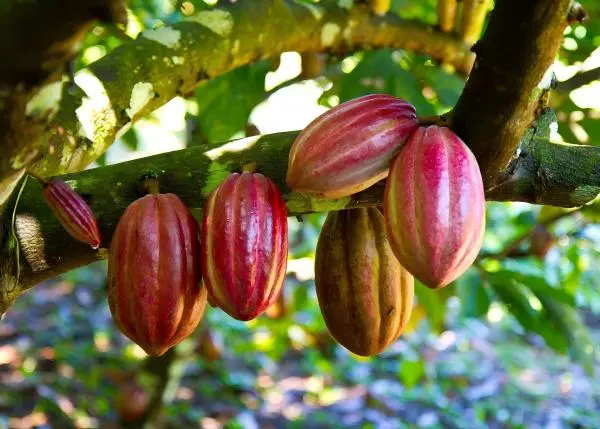
Core Criteria for Evaluating Cocoa Seed Extract Suppliers
To find manufacturers who can consistently provide high-potency Cocoa Seed Extract, you need to carefully evaluate them across a number of different areas. Reliable relationships are built on things like testing that is open and clear, the ability to make more, and holding everyone in the supply chain accountable.
Certifications and Compliance Standards
Suppliers with a good reputation keep certifications like ISO9001, FSSC22000, KOSHER, HALAL, HACCP, and FDA registration. These credentials show that they follow international standards for quality management and food safety. Organic certifications prove that farming and processing methods do not use pesticides. This is especially important for clean-label products aimed at health-conscious consumers. GMP compliance makes sure that the places where medicines are made meet the high standards for keeping them clean and making sure that each batch is the same.To check these certifications, you need to ask for up-to-date paperwork and confirm registration numbers with the organizations that issued them. Suppliers should be happy to give you renewed records and audit reports that show they are still following the rules, not credentials that have expired. This openness shows that operations are honest and people are aware of the rules, which is important for cross-border trade.
Third-Party Testing and Certificates of Analysis
Access to full Certificates of Analysis for every batch is a source skill that cannot be negated. CoAs must include information on the amounts of active ingredients using approved methods, such as UV spectroscopy for measuring polyphenols and HPLC for measuring theobromine and methylxanthine. Inspections for heavy metals, microbial limits, and pesticide residues should all be standard parts of paperwork. Progressive suppliers hire outside labs to do verification tests, so their own quality control teams don't have any possible bias. This approval by a third party gives you extra peace of mind when exact measurements are needed, like when formulas need exact theobromine-to-caffeine ratios or when clinical uses need specific procyanidin profiles.
Production Capacity and R&D Capabilities
Flexible suppliers who can handle both small test orders and large-scale business production are very important for product development processes. With sample availability and minimum order quantities starting at 25kg, R&D teams can test formulations without having to commit to too much inventory. Manufacturers who keep stock on hand and can ship quickly—usually within 3-5 business days for standard specs—can support flexible production plans. Advanced suppliers offer technical partnerships that go beyond just supplying ingredients. Time-to-market is sped up by application laboratories that offer compounding advice, stability testing, and formulation optimization for skin care systems, drinks, gummies, and tablets. Custom ratio development and function-specific changes help supplement markets stand out in a crowded field.
Transparent Supply Chains and Sustainable Sourcing
Being able to track the quality from planting to extraction to packing increases trust in the consistency of the quality. When suppliers work directly with growing bases, they decide which varieties to use, how good the soil is, and when to collect, all of which have a direct effect on the concentrations of phytochemicals. There should be proof that the plants came from certain places in the world that are known for having better Theobroma cacao genetics. Sustainable practices like fair trade partnerships, caring for the environment, and ethical labor standards are becoming more and more important in buying choices. Brands that want to attract socially conscious customers need providers that can show they care about protecting the environment and building up communities in cocoa-growing areas.
Comparing Different Types of Cocoa Seed Extract Products and Suppliers
Understanding how product variations align raw material requirements with formulation goals is essential. Functional profiles for Cocoa Seed Extract differ depending on the extraction rates, standardization methods, and processing techniques used.
Extraction Ratios and Standardization Options
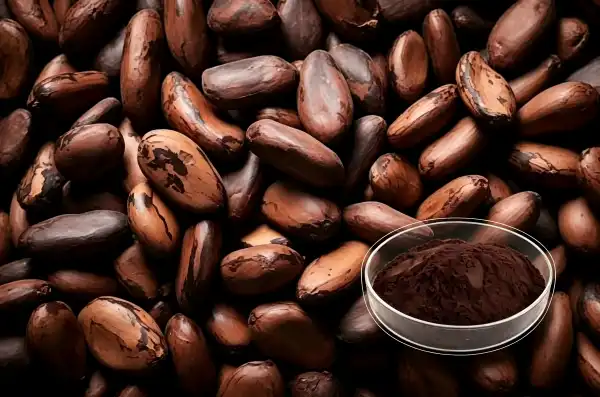
Ratio extracts like 4:1 and 10:1 show concentration levels; for example, 10:1 means that 10 kg of raw seeds make 1 kg of extract. These forms work well for uses that value standard botanical strength. Standardized extracts that list flavonoid percentages (1% to 20%), polyphenol ranges (10% to 40%), or theobromine content (4% to 98%) make it easier to make controlled formulations that need to be dosed consistently. The hydro-ethanol extraction methods keep the heat-sensitive polyphenols while getting rid of the dangerous chemical leftovers. Pure water or drinkable ethanol liquids: make sure that the label is clean and that the ingredients dissolve quickly in water-based mixtures. The fine brown powder that is made has a typical cocoa smell, which makes functional drinks and nutritional products more appealing to the senses.
Organic Versus Conventional and Potency Considerations
Organic licenses come with higher prices, but they meet the growing demand from customers for foods that don't contain pesticides. If you buy conventional extracts from reputable growers who follow integrated pest management protocols, they may have the same phytochemical profiles but cost less. High-potency choices with more than 40% polyphenols or 20% theobromine are used in clinical dose supplements. Moderate amounts are good for food and cosmetics because they balance effectiveness with taste.
Supplier Reputation and Market Positioning
Reliability can be judged by looking at a manufacturer's track record through industry references, sales histories, and customer feedback. Established nutraceutical brands, pharmaceutical companies, and global beauty companies that they work with have shown they can meet strict requirements. Longevity in the production of plant extracts, like businesses that last for decades, shows that the company has good technical know-how and the market is stable. Joining industry groups, going to trade shows, and working together on written research projects all show that you are committed to innovation and knowledge leadership. These things set basic sellers apart from strategic partners who can help with long-term product development projects.
Navigating Procurement Processes for Cocoa Seed Extract
Cost management and quality assurance must be balanced in order for Cocoa Seed Extract purchasing strategies to work. This means that total acquisition costs and supplier responsiveness must be carefully evaluated.
Cost Analysis Beyond Unit Pricing
When you look at the price per kilogram, you have to take into account all the hidden costs, like foreign shipping, customs taxes, certification fees, and changes in the value of the currency. Buying in bulk lowers the cost per unit, but you need to make sure you have the right storage facilities to keep the product stable. Plant extracts that are sensitive to moisture need to be stored in climate-controlled facilities to keep them from clumping together and losing their effectiveness. Negotiating bulk discounts while keeping the option to change specifications is the best way to make buying more efficient. Suppliers with tiered pricing structures reward customers as they buy more without penalizing initial trial orders. This helps relationships grow from the R&D phase through the commercialization phase.
Minimum Order Quantities and Lead Time Management
Knowing the MOQ standards keeps production from being held up. Manufacturers who offer sample orders and small kilogram trial orders make it possible to test formulations before making commercial commitments. Standard 25kg drum packaging works with a wide range of production batch sizes and makes logistics easier. Lead times depend on how complicated the standardization is and how full the inventory is. Items that are ready to ship within days are called "ready stock." However, custom extractions that need specific theobromine percentages or unique ratio preparations may take several weeks. Purchasing managers should set restart points that take into account the time it takes to ship, clear customs, and check the quality of the goods when they arrive.
Sourcing Channels and Communication Efficiency
When compared to trading middlemen, direct manufacturer relationships often offer better technical support and more customization options. Manufacturers know more about their products, keep an eye on quality standards, and can quickly adapt to changes in specifications. Online business-to-business (B2B) marketplaces make it easier to find suppliers, but credentials and skills must be carefully checked. Clear inquiry procedures speed up the process of finding. When customers give detailed requests that include needed standardizations, order amounts, delivery times, and certification needs, providers can give accurate quotes and find problems with compatibility early on. Responding to initial questions through responsive conversation is a sign of a long-term, reliable relationship.
Ensuring Long-Term Success with Your Cocoa Seed Extract Supplier
Strategic relationships for Cocoa Seed Extract supply go beyond just buying things; they also include working together to create partnerships that give you a competitive edge through creativity and operational excellence.
Contractual Agreements and Risk Mitigation
Complete supply deals should include quality standards with allowable ranges of deviation, testing methods for approval or rejection, and ways to handle materials that don't meet the standards. Buyers are protected by warranty clauses that cover issues like loss of potency, contamination, or delivery failures. Penalty clauses for missing deadlines or not following the specs make people responsible. Contracts must include protections for intellectual property when creating unique formulations or extraction methods. Confidentiality agreements protect formula details and market strategies. This is especially important for brands that set themselves apart by using unique combinations of ingredients.
Collaborative Innovation and Technical Partnership
Suppliers who keep application labs and recipe knowledge up to date are useful for research and development. Innovation cycles are sped up by joint research projects that look into new ways to deliver drugs, like microencapsulation for better bioavailability or stability optimization for harsh pH environments. Formulators can fine-tune compositions that target specific therapeutic targets when they have access to detailed HPLC component spectra. Custom compounding services that offer pre-blended ingredient systems make production simpler and make sure that each run is the same. When suppliers offer stability data for different storage conditions and compatibility tests with common excipients, it makes regulatory submissions and commercialization timelines shorter.
Sustainability Integration and Brand Alignment
As people become more aware of how their actions affect people and the world, ethical sourcing becomes a bigger factor in B2B buying choices. Suppliers with Fair Trade licenses, carbon impact reduction programs, and community development programs in cocoa-growing areas are in line with what companies are required to do to be sustainable. These relationships strengthen company stories and appeal to groups of people who care about the environment. Partnership loyalty is kept up by regular checks of suppliers to make sure they continue to follow quality, ethical, and environmental standards. Setting goals together around sustainability metrics encourages ongoing growth, which is good for everyone, including customers further down the line.
Conclusion
To find a reliable partner for Cocoa Seed Extract, you need to look at their certifications, how open their testing is, how much they can produce, and how well they follow quality and moral standards. When purchasing goods, people need to look at more than just price. They should give more weight to suppliers who offer detailed documentation for each batch, help with custom formulations, and quick technical service. Manufacturers who show they follow ISO standards, keep stock on hand, and offer flexible minimum order quantities can do both small-scale production and initial trials. In the fast-paced markets for nutraceuticals, cosmetics, and functional foods, strategic relationships that are based on clear contracts, working together on new ideas, and a commitment to sustainability give businesses an edge. Thoroughly screening suppliers shields the brand's image and makes sure that formulations always give customers the health benefits that were promised.
FAQ
What standardization should I request for cardiovascular formulations?
Heart health claims are backed up by Cocoa Seed Extract standardized to contain 20% to 40% total polyphenols and specific amounts of epicatechin. A theobromine level of 10% and 20% can help widen blood vessels without being too stimulating. Ask for CoAs that show procyanidin profiles and prove nitric oxide production through in vitro tests so that you can make the best mixture.
How can I verify organic certification authenticity?
Check certification numbers against databases from the organization that issued them, like the USDA Organic or EU Organic registries. Ask for full audit trails that show pesticide-free farming, inspections of the processing facility, and records of the chain of custody. Renewing documents and third-party verification reports should be easy to see and get from a legitimate provider.
What moisture content specifications prevent quality degradation?
Botanical extracts should keep their wetness levels below 5% to stop the growth of microbes and the breakdown of molecules. Ask the CoA to show proof of the water content using Karl Fischer titration methods. When things are properly packed in moisture-barrier boxes with desiccants, they stay stable during storage and travel in a range of weather conditions.
Partner with KH for Premium Cocoa Seed Extract Supply
Since 1996, KH has been a specialized manufacturer of Cocoa Seed Extract and other botanical ingredients. They provide pharmaceutical-grade plant extracts to companies that make nutraceuticals, cosmetics, and functional foods. Our facilities use pure hydro-ethanol methods to make fine brown powder from Theobroma cacao seeds. These methods keep the flavonoid integrity while getting rid of solvent leftovers. Standardizations that are available include 4:1 and 10:1 ratio extracts, flavonoids from 1% to 20%, polyphenols from 10% to 40%, and theobromine amounts from 4% to 98%. All of these were checked using UV and HPLC testing. We keep a lot of certificates, like ISO9001, FSSC22000, KOSHER, HALAL, HACCP, and FDA registration, to make sure we meet world quality standards. Sample orders and trial quantities are sent out within 3-5 business days. Commercial orders starting at 25kg are quickly filled from stock. Our application laboratory offers custom compounding solutions, stability testing, and recipe optimization for skin care systems, drinks, gummies, and pills. Each batch is backed up by thorough component spectra. As your expert partner, we can help you buy everything you need, from extracts to vitamins, minerals, and amino acids. We can also help with operations, including shipping by courier, air, or sea. Get in touch with our team at info@kingherbs.com to talk about your unique needs and get a reliable supply for your next formulation creation.
References
1. Andres-Lacueva, C., et al. "Flavanol and Flavonol Contents of Cocoa Powder Products: Influence of Processing and Relationship with Antioxidant Capacity." Journal of Agricultural and Food Chemistry, vol. 56, no. 9, 2008, pp. 3111-3117.
2. Martín, M. Ángeles, et al. "Cocoa Flavonoids: Recent Advances in Molecular Mechanisms on Health." Critical Reviews in Food Science and Nutrition, vol. 53, no. 9, 2013, pp. 945-963.
3. Rusconi, M., and A. Conti. "Theobroma cacao L., the Food of the Gods: A Scientific Approach Beyond Myths and Claims." Pharmacological Research, vol. 61, no. 1, 2010, pp. 5-13.
4. Stark, T., et al. "Compositional and Sensory Characterization of Oxidative Off-Flavors in Cocoa." Journal of Agricultural and Food Chemistry, vol. 54, no. 7, 2006, pp. 2357-2362.
5. Wollgast, J., and E. Anklam. "Review on Polyphenols in Theobroma cacao: Changes in Composition During the Manufacture of Chocolate and Methodology for Identification and Quantification." Food Research International, vol. 33, no. 6, 2000, pp. 423-447.
6. Aprotosoaie, A. C., et al. "Flavor Chemistry of Cocoa and Cocoa Products: An Overview." Comprehensive Reviews in Food Science and Food Safety, vol. 15, no. 1, 2016, pp. 73-91.
Send Inquiry
Related Industry Knowledge
- Can Melissa Officinalis Extract Support Calm and Relaxation?
- Angelica Officinalis Extract Extraction Process Explained for Buyers
- How Quickly Can Blueberry Extract Powder Show Visible Benefits?
- How Fast Can Tongkat Ali Extract Powder Boost Your Energy Levels?
- What Industries Use Nettle Extract Powder the Most Today?
- Onion Extract: Nature’s Solution for Thinning Hair?
- What Is Bacopa Monnieri Extract Powder Used For?
- Sustainable Growth Support with Macleaya Cordata Extract
- How to Formulate Supplements With Macleaya Cordata Extract?
- Purple Sweet Potato Extract for High-Value Antioxidant Formulas