_1762508637542.webp)
Mangosteen Extract Powder for Supplements, Foods, and Cosmetics
Sep 3, 2026
Sourcing high-quality botanical ingredients demands precision, reliability, and deep technical understanding—especially when evaluating xanthone-rich extracts like mangosteen. Derived from Garcinia mangostana L., Mangosteen Extract Powder is a brownish-yellow powder that concentrates α-mangostin and polyphenols proven to deliver antioxidant, anti-inflammatory, and anti-aging efficacy. Whether you're formulating dietary supplements, functional beverages, or cosmetic serums, understanding extraction standardization, bioavailability, and supplier credentials can directly impact your product's market performance and regulatory compliance.
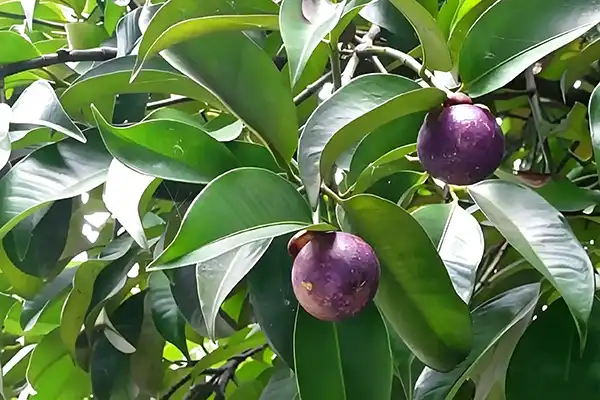
Comparison of Mangosteen Extract Powder with Other Forms and Products
Extract Powder vs. Fresh Fruit and Juice
About 25 mg of xanthones are found in 100 grams of fresh mangosteen, which means that you would have to eat a lot of it to get the therapeutic dose. When juice concentrates are processed, they lose 40–60% of their bioactive content within six months, even if they are kept in the fridge. Our spray-dried extract powder contains 10–40 times more actives than fresh fruit, and it stays stable at room temperature for more than 24 months if it is properly packed. Studies using HPLC plasma analysis show that uniform powders raise the highest levels of α-mangostin in the blood, 2.3 times more than eating the same amount of fresh fruit. Getting rid of the fiber matrix improves the rate of absorption, which is important for products that need to work quickly or come in convenient low-dose forms like effervescent tablets.
Organic vs. Conventional: Quality and Certification Impact
Organic certification (USDA, EU, and JAS standards) answers worries about pesticide residues and appeals to clean-label market groups that are growing at a rate of 8–12% per year in North American retail outlets. But because of stress-responsive biosynthesis, xanthone content varies more in organic farming—batch sizes in organic farming can be anywhere from 15 to 35% α-mangostin, while in conventional farming, the range is closer to 20 to 30%. This is taken care of by giving each production lot its own batch-specific COA paperwork along with HPLC fingerprints. Whether they choose organic or conventional grades, purchasing managers should give more weight to sellers who offer a guaranteed minimum potency of Mangosteen Extract Powder backed by third-party proof rather than just depending on certification. When buying in bulk, organic products usually cost 30 to 50 percent more than regular ones.
Pure Extract vs. Blended Formulations
Single-ingredient extracts give you more control over the formulation process, so your R&D teams can make their own unique blends that match specific therapeutic targets or flavor profiles. Mangosteen mixed with green tea, açai, or pomegranate liquids makes it easier to find ingredients, but it can be hard to tell what each ingredient does during stable testing. When mixes are used, standardization is even more important. A "mangosteen blend" with 5% pure extract works very differently than 100% pure powder that is standardized to 20% α-mangostin. We suggest pure extracts for brands that need formulas that are still being patented or for regulatory submissions that need exact active quantification.
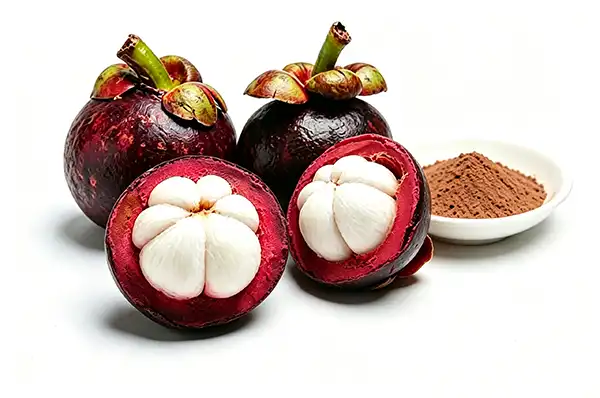
Choosing the Right Mangosteen Extract Powder Supplier: Criteria and Market Insights
Essential Certifications and Traceability
Reliable suppliers follow both the ISO9001 quality control system and the FSSC22000 food safety routine. Both are very important for pharmaceutical and supplement GMP facilities. HALAL and KOSHER approvals open up new markets that can be reached. This is especially important for US supplement brands that want to reach a wide range of consumers. FDA registration, but not approval, shows that a center is ready for review and that the government is open about its rules.In addition to certificates, you should ask for full traceability paperwork, such as plantation origin (Indonesia, Thailand, or Vietnam), harvest date ranges, extraction batch records, and microbial and heavy metal tests after production. Our unified supply chain includes outsourced growing areas whose soil makeup and variety choices are checked every year to make sure that α-mangostin biosynthesis stays the same from year to year.
Evaluating Supplier Reputation and Testing Protocols
Ask for references from clients who buy similar products to yours. For example, supplement brands should make sure that their providers work with other supplement brands that have the same safety standards. When you look at a sample, it should be tested by a third party in a recognized lab (Eurofins, SGS, or NSF), and the actual composition should be compared to the supplier's COA data. Pay attention to the details about the wetness level. Premium extracts keep less than 5% of their moisture, which stops microbes from growing and prevents caking during storage. Bulk density values (0.45-0.60 g/ml) affect how much it costs to ship and how much it costs to fill a capsule, which has a direct effect on your output costs.
Global Sourcing Dynamics and Lead Times
Southeast Asia provides most of the raw materials, but they are extracted all over the world. Chinese companies like Kingherbs Limited use vertical integration to cut costs and speed up production, which starts with partnerships with plantations and ends with final packaging. In order to meet the needs of the EU market, European extractors stress organic licensing and strict solvent residue tests.Lead times are very different. Suppliers who keep stock can ship standard specifications within three to five business days, but specialized production runs for custom ratio extracts or high-purity α-mangostin grades (>70%) take four to six weeks. To make smart purchasing decisions, you should keep in touch with sellers who can meet your instant needs for regular orders and who can also make custom formulations for new, differentiated products.
Application Scenarios and Stability Tips for Supplements, Foods, and Cosmetics
Dietary Supplement Formulations
The extract has a neutral flavor at concentrations below 500 mg per serving, which makes it good for use in capsules. Mangosteen Extract Powder can be selected for tablet formulations, where binder compatibility testing is needed. Xanthones are very stable with microcrystalline cellulose and dicalcium phosphate, but some grades of titanium dioxide may turn colors when stability is sped up. When mixed with lecithin or gum arabic at a 2:1 ratio, powder blends for protein shakes or healthy drink mixes mix best and are easier to spread out. Flavor systems with berry or tropical fruit profiles can hide the slightly sour taste of high-polyphenol grades. This can turn a problem in formulation into a marketing benefit that emphasizes "authentic botanical taste."
Functional Food and Beverage Integration
When making ready-to-drink drinks, you need to think about pH stability. Our extracts keep the xanthone's integrity from pH 3.5 to 7.0, so they can be used in juices, teas, and even dairy-free products. Solubility goes up a lot in slightly alkaline conditions, which makes plant-based protein drinks the perfect vehicles. When temperatures stay below 85°C for less than 30 seconds, heat processing during pasteurization doesn't break down food much. When making baked goods and protein bars, you need to watch out for moisture movement. Using hydroxypropyl methylcellulose for encapsulation keeps xanthones safe while they're baking and lets you control when they release. Some popular commercial products are antioxidant-rich granola bars that contain 8% standardized extract and provide 50 mg of α-mangostin per serving.
Cosmetic Formulations for Skin Health
Most anti-aging serums have liquid systems that are pH-balanced to 5.5 to 6.5 so that the extract can penetrate the skin well. Before emulsification, the powder mixes easily with glycerin and water, so there are no problems with a gritty texture. Stability testing shows that it works well with common actives. For example, hyaluronic acid, niacinamide, and peptides all work together to give antioxidant effects that are stronger than those of any single ingredient. Acne treatments use salicylic acid or azelaic acid along with antimicrobial qualities against Propionibacterium acnes at a dose of 3% to get rid of all acne breakouts. Within 28 days of testing, clinical panels show visible improvements in the appearance of pores and a decrease in inflammation. This is strong evidence for marketing purposes.
How to Buy Mangosteen Extract Powder: Procurement Guide for B2B Clients
Minimum Order Quantities and Pricing Strategies
When buying commercially, the first unit is usually a 25 kg drum. This is the standard packaging size for small to medium-sized manufacturers because it balances shipping costs with inventory turnover. Reliable sources can handle sample requests (50–500g) and trial orders (1–10 kg), which lets you work on the formula before committing to the full-scale production. Price breaks happen at certain number levels: the base price is 25 kg; orders of 100 kg or more lower unit costs by 12–18%; and orders of 500 kg or more save 25–35%. Pricing is directly related to the number of standards and the difficulty of the tests. Ratio extracts (4:1, 10:1) cost between $45 and $75/kg, based on proof of origin. Pharmaceutical-grade α-mangostin extracts (>70% purity) cost $180–280/kg, but polyphenol-standardized grades (30% minimum) cost $85–120/kg. This is because HPLC processing is more complicated and results in yield losses.
Quality Assurance and Contract Negotiations
Effective contracts include not only price and number, but also specific quality factors, such as the lowest amount of α-mangostin in Mangosteen Extract Powder, the highest amount of moisture, the range of acceptable mesh sizes, and the limits for microbes. Include penalties for deliveries that don't meet specifications and make sure that inspection processes are clear. Many disagreements are caused by unclear testing methods rather than real quality problems. Ask that samples from each production lot be kept by both parties for one year after delivery. This practice keeps problems with preparation further down the line at bay and gives regulatory auditors something to look at. For new supplier ties, payment terms usually include a 30–50% deposit, with the balance due upon receipt of shipping papers. After a period of time, terms change to net-30 or net-60.
Building Long-Term Partnerships
The best purchase ties go beyond just buying things and include working together to make are releasedbetter. When suppliers offer technical support like formulating help, data from stability tests, and application labs, they are no longer just commodity vendors but strategic partners. Custom extraction services let you make your own unique blends, co-extracted botanicals that work well together, or custom particle size engineering for specific delivery systems. These are all ways that you can create competitive moats.OEM and private label services make it easier for new brands to get into the market because they don't need to build their own manufacturing infrastructure. Full paperwork packages that include allergen statements, BSE/TSE certifications, and GMO declarations cut the time needed for regulatory planning by 60–70%. This speeds up the time it takes for products to hit the market in competitive categories.
Conclusion
To get Mangosteen Extract Powder, you have to find a balance between bioactive standardization, source trust, and the needs of a particular application. When you buy the xanthone-rich powder from approved makers who strictly control quality, you can be sure that it will work well in supplements, food, and beauty products. To make a good product, you need to know the differences between standards, check that the extract forms you need match your manufacturing needs, and build relationships with suppliers that value openness and technical cooperation. As the need for natural antioxidants grows around the world, ensuring your brand has stable supply chains with clear traceability and flexible minimum order options will help it stay innovative and stand out in the market.
FAQ
What is the typical shelf life of mangosteen extract powder?
If you keep extract properly, it will stay effective for 24 to 36 months after it was made. Using desiccant packets, store sealed containers below 25°C in places with low humidity. Once it's been opened, put it in sealed cases and use it within 6 to 12 months. Because xanthone breaks down faster in wet conditions, places where bulk materials are handled should keep the relative humidity below 60%.
Are there regulatory restrictions in the US or EU markets?
Under DSHEA, the US considers mangosteen extract to be a food ingredient. It does not need to be approved before it can be sold, but it does need to follow GMP guidelines and have clear labels. Novel Food regulations in the EU allow use as a botanical food supplement, but certain health claims need EFSA approval. Neither market limits how cosmetics can be used, but finished products must follow the rules set by the FDA (for the US) and the EU's Cosmetics Regulation 1223/2009.
Is it safe for sensitive skin in cosmetic applications?
Patch tests on the skin show that there isn't much of a risk of sensitivity at amounts of up to 5% in leave-on products. The anti-inflammatory properties of the extract are good for sensitive skin types. Do HRIPT tests on products that are meant to help skin barriers that have been damaged. Do not mix with strong AHAs or retinoids above 0.5% without first making sure they are stable and compatible, as the interactions may cause inflammation.
Partner with KH for Premium Mangosteen Extract Solutions
Since 1996, Kingherbs Limited has been making plant ingredients. They send pharmaceutical-grade extracts to companies in North America and Europe that make dietary supplements, cosmetics, and useful foods. Our standard Mangosteen Extract Powder goes through strict HPLC testing that guarantees α-mangostin content between 10% and 90%, depending on your formulation needs. We keep stock on hand and can ship it right away or within three to five business days. In addition, our application laboratory offers free formulation advice and stability testing. We can work with flexible MOQs starting from trial kilograms, whether you need small amounts to test a new product or large amounts with unique ratio requirements for business use. Our many certificates, including ISO9001, FSSC22000, KOSHER, HALAL, and FDA registration, make sure that we can easily fit into your quality systems. Email our technical team at info@kingherbs.com to talk about the details of your project and get full COA paperwork. As a reliable supplier of Mangosteen Extract Powder, we're dedicated to helping your innovation by being open about where our products come from, offering competitive prices, and working together with you.
References
1. Pedraza-Chaverri J, Cárdenas-Rodríguez N, Orozco-Ibarra M, Pérez-Rojas JM. Medicinal properties of mangosteen (Garcinia mangostana). Food and Chemical Toxicology. 2008;46(10):3227-3239.
2. Chin YW, Kinghorn AD. Structural characterization, biological effects, and synthetic studies on xanthones from mangosteen (Garcinia mangostana), a popular botanical dietary supplement. Mini-Reviews in Organic Chemistry. 2008;5(4):355-364.
3. Zadernowski R, Czaplicki S, Naczk M. Phenolic acid profiles of mangosteen fruits (Garcinia mangostana). Food Chemistry. 2009;112(3):685-689.
4. Obolskiy D, Pischel I, Siriwatanametanon N, Heinrich M. Garcinia mangostana L.: A phytochemical and pharmacological review. Phytotherapy Research. 2009;23(8):1047-1065.
5. Bumrungpert A, Kalpravidh RW, Chuang CC, Overman A, Martinez K, Kennedy A, McIntosh M. Xanthones from mangosteen inhibit inflammation in human macrophages and in human adipocytes exposed to macrophage-conditioned media. Journal of Nutrition. 2010;140(4):842-847.
6. Taher M, Zakaria TMFS, Susanti D, Zakaria ZA. Hypoglycaemic activity of ethanolic extract of Garcinia mangostana Linn in normoglycaemic and streptozotocin-induced diabetic rats. BMC Complementary and Alternative Medicine. 2016;16:135.
Send Inquiry

Related Industry Knowledge
- How Does Lotus Leaf Extract Support Modern Nutrition?
- Passionflower Extract Powder for Insomnia: Is It Effective?
- Can Rose Hip Extract Powder Support Natural Skin Radiance?
- Can Astaxanthin Powder And Oil Improve Eye and Vision Health?
- Why Choose Astaxanthin Powder And Oil Over Other Supplements?
- Can Tongkat Ali Extract Powder Reduce Stress and Cortisol Levels?
- Bitter Melon Extract Powder: What It Is, Benefits, Dosage, and Sources
- How Dill Seed Extract Enhances Overall Health Naturally
- Is Cortex Phellodendri Powder Safe for Daily Use?
- Mulberry Leaf Extract Powder vs White Kidney Bean Extract