_1762508637542.webp)
Is Holy Basil Extract Powder Right for Your Product Line?
Aug 10, 2026
If you're evaluating botanical ingredients to enhance your product portfolio, Holy Basil Extract Powder—derived from Ocimum sanctum—deserves serious consideration. This adaptogenic powder has demonstrated consistent market demand across dietary supplements, functional foods, cosmetics, and pharmaceutical formulations. With standardized specifications ranging from ratio extracts to 1-2.5% ursolic acid verified by HPLC testing, this ingredient addresses critical formulation challenges while meeting regulatory expectations. The answer depends on your target market, formulation goals, and supplier reliability, but the ingredient's versatility and well-documented bioactivity make it compelling for brands seeking differentiation in wellness categories.
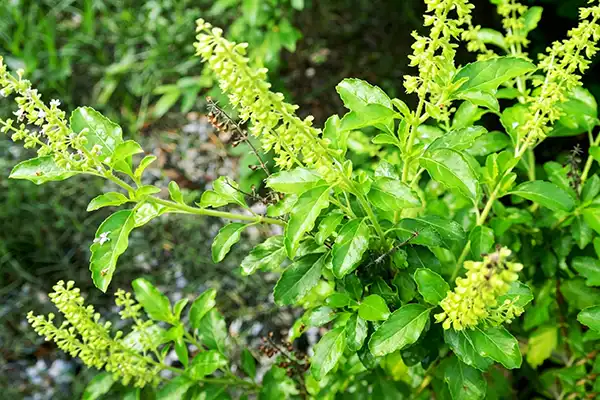
Understanding Holy Basil Extract Powder and Its Market Potential
Botanical Origins and Extraction Integrity
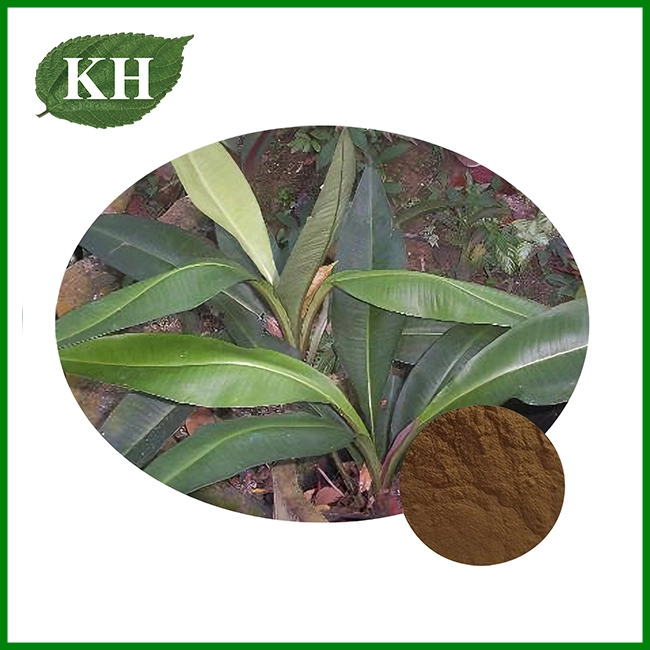
In the Indian region, Ocimum sanctum, which most people just call "Tulsi," has been an important part of traditional health practices for hundreds of years. We get the fine brownish-yellow Holy Basil Extract Powder we do today from carefully controlled processes that take the herb's concentrated form from its stems and leaves. At Kingherbs Limited, we only use pure water or drinkable ethanol to extract our herbs. We don't use harsh solvents that damage the purity of the ingredients.
The method of extraction has a direct effect on the bioactive profile. During processing, ursolic acid, oleanolic acid, eugenol, and other flavonoids become more concentrated. This makes a powder that consistently has medicinal promise. Because we work with good planting bases, we can choose the varieties, change the soil, and decide when to harvest them—all of these are important factors that determine the active ingredient content before the extraction process even starts.
The synergistic chemical structure that makes Tulsi work is kept safe by modern extraction methods. Instead of raw herb powders that can vary in strength, standardized extract forms give procurement managers the stability from batch to batch that they need for large-scale production. Its natural brownish-yellow color comes from the phytochemicals it contains, not from coloring or cooking aids.
Key Bioactive Compounds and Health Benefits
This plant product is known for its healing properties because it contains many different phytochemicals. Standardized to 1.2 to 2.5 percent in premium grades, ursolic acid has been shown in published research to help with inflammation and metabolism. Essential oils like eugenol and oleanolic acid are good for your heart health and kill germs.
Multiple health uses are supported by research written in peer-reviewed journals. Adaptogenic effects help the body deal with physiological responses to stress, according to studies. Various tests that measure antioxidant activity confirm that cells can be protected. Immune modulation studies show that the body's natural defenses can work better without being overstimulated.
The compound's synergy is more important than the sum of its parts. Triterpenic acids and flavonoids work together to make results that can't be made with a single molecule. This is why whole extract forms often do better in formulation tests than synthetic alternatives, especially for products that aim for overall wellness rather than just one symptom relief.
Current Market Trends and B2B Demand Drivers
The nutraceutical industry has seen steady growth in adaptogen-based formulas, with Tulsi extracts becoming especially popular among picky manufacturers. As more people become aware of ways to deal with stress, brand makers are looking for ingredients that have both historical and current scientific support. This plant extract is the only one that fits all of these criteria.
Patterns can be found in distribution routes. Standardized Tulsi products are always in demand, according to OEMs that work with stress-relief supplement lines. More and more, people who make functional drinks are using adaptogenic botanicals and are looking for water-soluble formats with neutral flavor profiles. Cosmetic makers like the antioxidants because they can help fight aging on the skin.
Regulatory environments tend to favor ingredients that have been used for a long time and have a lot of solid documentation. Quality Tulsi extracts come with certificates like ISO9001, FSSC22000, KOSHER, HALAL, HACCP, and FDA compliance. These certifications meet the paperwork needs of sourcing teams that are making goods for foreign markets. This level of approval lowers the chance of regulatory problems during the development of new products.
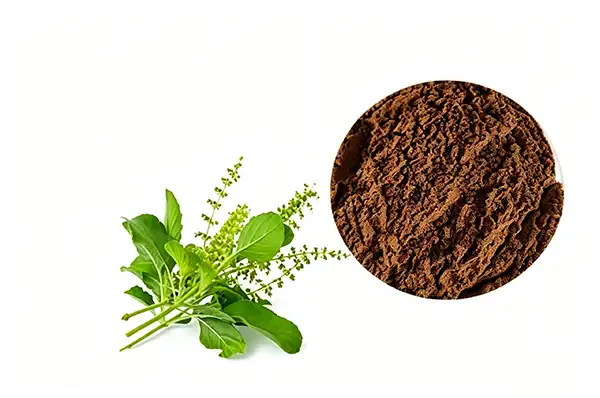
Evaluating Holy Basil Extract Powder for Your Product Line: A Criteria Screening Approach
Defining Your Target Market and Regulatory Requirements
Product line fit starts with a clear picture of the market. Companies that make dietary supplements to help with stress, the immune system, or metabolic health will find that Tulsi extract naturally fits with what people want in these areas. Nutraceutical businesses that are working on functional foods can use the fact that it is GRAS-compatible in the right formulas.
Regulatory systems are very different between countries. Manufacturers in the United States need to pay attention to FDA rules about food supplements, which require correct labeling and proof of claims. European markets require that Novel Food rules be followed when they apply, even though Tulsi has been used for a long time. Brands that want to export need providers who know what the target market needs and can provide the right paperwork.
Organic certification changes how a product is positioned in the market and how much it costs. Even though our normal grade meets strict quality standards, brands that want to reach the premium organic market should check with their suppliers to make sure they can provide certified organic supply lines. From the farm to the final packing, the certification process needs relationships with suppliers that have full infrastructure for tracking.
Quality Metrics and Specification Standards
Purity analysis is the first step in evaluating an ingredient. Testing by a third party should prove that the amount of heavy metals is below the legal limits, the amount of microbes is below the limits set by the government, and there are no pesticide leftovers. Because we use clean extraction methods, you don't have to worry about solvent waste, which is a problem for some plant providers.
Formulation dependability is based on standardization methods. HPLC testing gives the accuracy needed to make sure that the amount of ursolic acid is within the range of 1.2 to 2.5%. This standardization lets R&D teams figure out exact doses and guess how well each batch will work. There is another way to describe specifications that uses ratio extracts. They can be used in traditional formulation methods where whole-herb equivalency is more important than isolated compound concentration.
Manufacturing fit is affected by physical traits. The way particles are spread out affects how well capsule filling equipment works, how evenly tablet formulations are mixed, and how quickly liquids dissolve. The fine Holy Basil Extract Powder we sell dissolves easily and can be used for a wide range of manufacturing needs, from capsules to drinking systems. If the color stays in the natural brownish-yellow range, it means that the cooking and keeping conditions were right.
Supplier Assessment and Logistical Capabilities
The operational skills of the supplier are also looked at as part of the product specs. For manufacturers to have stable supply chains, they need partners with enough production capacity, systems for managing inventory, and infrastructure for quality control. Because we keep samples in stock and can ship them quickly, we can meet the tight deadlines for product development sample delivery.
Supply chain theft can be stopped by checking certifications. Asking for current certificates directly from the organizations that issue them proves that they are real. Our wide range of certifications, which include those for food safety, quality management, and religious dietary compliance, shows that we are dedicated to long-term quality control rather than one-time testing.
Logistics infrastructure decides whether buying is viable. We offer a variety of shipping options, such as courier services for samples, air freight for urgent orders, and ocean shipping for buying in bulk at a low cost. The standard 25 kg drum packing works well for business production, and our ability to handle sample and small trial orders helps with product development without requiring too many minimum orders.
Comparing Holy Basil Extract Powder with Other Herbal Extracts and Forms
Stability and Formulation Advantages Over Fresh Herbs
Even though they are traditionally appealing, fresh Tulsi leaves make it hard to make many things. Moisture content raises the risk of bacterial instability, which means that protective systems are needed, which could go against the clean label positioning. Seasonal access adds unpredictability to the supply chain, making it harder for producers who need consistency all year to plan their production.
These problems are taken care of by Holy Basil Extract Powder forms. When compared to similar amounts of crude material, the concentrated version saves money on shipping costs and storage space. If you store things the right way, they last a lot longer. For example, our product stays potent for 24 months under controlled conditions, while fresh plants go bad in just a few days.
Standardization is by far the best thing about it. The potency of fresh herbs varies a lot depending on how they were grown, when they were picked, and how they were handled. Specifications for extracts ensure set amounts of active compounds, which lets formulators figure out exact doses and confidently back up label claims. This level of certainty is very important for goods that need to be approved by regulators or backed up by clinical evidence.
Liquid Extracts Versus Powder Forms
There are some uses that are better with liquid extracts, usually tinctures made with alcohol. Manufacturers of drinks sometimes prefer liquid forms for direct inclusion, and some traditional ways of formulating call for liquid transport. Bioavailability profiles are different for each format, but when properly processed, well-formulated powders have similar absorption.
Powder forms are useful for production in their own ways. Since dry ingredients are needed to make capsules and tablets, powder is the clear choice for these popular supplement forms. Powders are easier to move and store because they are lighter and take up less space. Powder forms are also more stable because they don't need the preservative systems that liquid extracts do to stop microbes from growing.
The choice of media is affected by cost factors. When making powder, concentration ratios are higher, so each gram of powder contains more active chemicals than a normal liquid extract. This concentration efficiency means lower costs per dose on a business scale. This is especially important for brands that need to compete in price-sensitive markets while still meeting quality standards.
Positioning Against Alternative Adaptogens
In Western markets, ashwagandha is the most popular adaptogen, which creates both competitive and complementary forces. While ashwagandha focuses on lowering cortisol and improving physical performance, Tulsi extract is naturally suited for supporting the immune system and improving respiratory health. Instead of seeing them as direct competitors, formulation strategies can use both botanicals in a way that makes them work better together.
Ginseng and rhodiola products are aimed at different types of customers and cost different amounts. These options usually come at higher prices, leaving room in the market for Tulsi-based goods that are marketed as easy-to-acquire adaptogens that have many health benefits. Because it has been used for a long time and in many different ways, Tulsi is very flexible, which is something that other adaptogens can't do.
The story of Ocimum sanctum's organic and ethical sourcing helps to set it apart in the marketing world. People who want real botanical ingredients instead of generic herbal extracts respond well to cultural heritage positioning. When paired with strict quality paperwork and clear sourcing practices, this narrative edge helps support premium positioning.
Procurement Strategies: Where and How to Source Quality Holy Basil Extract Powder
Identifying Trustworthy Suppliers and Verification Protocols
Instead of comparing prices, evaluating a supplier's skills is the first step in finding one. Before asking for quotes, manufacturers should look at the framework for legal compliance, quality control, and output capacity. Kingherbs Limited has been in business since 1996 and has become very good at managing its supply chain by learning a lot about hundreds of different plant-based products.
Sample testing is an important way to make sure. Ask for samples that come with Certificates of Analysis that show the results of third-party tests that prove the samples' name, check for purity, and list the standard compound content. Our in-depth HPLC analysis reports make component spectra easier to understand. This way, your quality assurance team can make sure that the specifications meet your needs before committing to bulk orders.
Professional suppliers and commodity traders can be told apart by traceability documentation. From the seeds to the finished Holy Basil Extract Powder, there is full control, which includes growing base partnerships, harvest paperwork, and processing records. This makes sure that the material is real and not mixed up with or misidentified botanicals. This ability to track becomes very important when dealing with possible quality problems or answering regulatory questions.
Bulk Purchasing Tactics and Inventory Management
Making volume agreements can save you money, but they also put your goods at risk. Our business minimum order number of 25 kg strikes a balance between economies of scale and the need for more working capital that comes with keeping too much stock on hand. You can get the best cash flow without losing supply continuity by negotiating shipping times that work with your production plan.
One secret cost of buying in bulk is that quality drops during storage. Controlled temperature and humidity, protection from light, and sealed containers that keep moisture out are all things that should be done to keep food fresh for as long as possible. Many manufacturers don't think these requirements are important, so when quality changes, they blame inconsistent suppliers instead of bad storage.
Just-in-time purchasing works best for companies that make well-known products that are in high demand. Our ready stock situation supports this method, which lets you keep production flexible while lowering the costs of keeping inventory. On the other hand, buffer inventory helps new product sales during the market evaluation phase, when demand is still unknown.
International Logistics and Customs Compliance
Choosing a way of transport means weighing costs and speeds. Ocean freight has the lowest cost per kilogram for large sales, but it takes weeks to get the goods to you. Air freight cuts transit times by a huge amount while also raising costs. It's good for urgent restocking or high-value, low-weight orders. Courier services are the fastest way to send samples and small trial quantities, which helps with quick product development cycles.
For customs procedures to work, the right paperwork and classification must be used. Harmonized Tariff Schedule codes tell you how much tax to pay and what kinds of goods you can buy. Because we've shipped to many different international markets before, we can give you accurate paperwork that keeps clearance delays to a minimum. If you know what the destination country needs, from phytosanitary certificates to label registration, you can avoid expensive shipment rejections or long border holds.
Compliance with packaging rules goes beyond just protecting things. It also includes meeting legal standards. Our 25kg drum packaging meets foreign shipping standards and keeps the quality of the product safe while it's being shipped. Labeling certain information on business packaging is required in some markets. Professional providers know this and can handle it without any special requests.
Integrating Holy Basil Extract Powder Into Your Product Line: Best Practices and Case Studies
Dosage Recommendations and Formulation Synergies
According to clinical research, the best doses are usually between 300 mg and 600 mg of standardized extract per day, split into one or two doses. These ranges are not strict rules; different dosages may be appropriate for different products depending on standardization levels, delivery formats, and intended use cases. Our application laboratory can help you figure out the best way to dose your ingredients to reach your specific formulation goals.
Ingredient synergy makes the benefits of each component even greater. Combining Tulsi extract with other adaptogens works well, making stress-relieving mixtures that work on many biochemical processes. When combined with vitamin C and zinc, it strengthens the defense system. Adding metabolic support ingredients like chromium or berberine to health products makes them more effective at controlling blood sugar in many ways.
Delivery format influences bioavailability and buyer satisfaction. Capsule forms make dosing easier and don't require worrying about taste. Tablets can give bigger doses in a single unit, but they need the right ingredients and compression profiles. To get around Tulsi's naturally unique taste, functional beverage uses need processing and flavor hiding methods that don't involve water.
Compliance Guidelines for Major Markets
In order to avoid being classified as a drug, US food supplement rules require claims about structure and function. While claims about treating diseases require drug approval, claims about supporting normal immune function or helping the body deal with stress are still okay. Label disclaimers and the right proof documents protect against action by the government.
The rules that govern markets in the European Union are more complicated. Holy Basil Extract Powder is usually considered a standard food ingredient, so it doesn't have to follow the rules for Novel Foods. However, some uses may need to be looked at on a case-by-case basis. When it comes to health claims, European markets have tighter rules than US markets. Often, a lot of clinical proof is needed before a claim can be approved.
Quality system requirements extend beyond the specifications for ingredients. Good Manufacturing Practice compliance, which can be shown through facility checks and organized processes, is necessary for brands to grow beyond the startup stage. Our FSSC22000 and ISO9001 certifications show that we have systematic quality management that helps you meet GMP standards by making sure that the ingredients you use are of high quality.
Risk Management and Consumer Trust Building
Being open about possible side effects and situations where the product shouldn't be used protects the brand's image. A published study on Tulsi extract shows that it is very safe, but pregnant women and people who take blood-thinning drugs should talk to their doctors before using it. Instead of ignoring possible worries, responsible labeling includes these warnings.
Testing and certification by a third party boosts consumer confidence. Products with seals from independent testing groups show that they are committed to quality proof beyond what the maker says. Our wide range of certifications provides the supporting documentation that makes these third-party verification processes possible.
Traceability communication turns equipment in the supply chain into marketing assets. More and more, consumers want to know where ingredients come from and how they are processed. Our partnerships with controlled planting bases and solvent-free extraction methods give us access to real stories that connect with ethical shoppers looking for products that are in line with their values.
Conclusion
Tulsi powder is a good ingredient for companies that want to make products for adaptogenic health areas that are becoming more popular with customers. When you combine standard use validation with new scientific backing and the ability to work with a wide range of formulations, you get a lot of promise for product development. Quality buying is still very important—specifications, certifications, and the dependability of the seller will show you whether this botanical adds to your product line or makes things more difficult. Procurement teams should give more weight to suppliers who can show that they have a system for quality control, complete documentation, and helpful technical support that goes beyond just selling ingredients. Adaptogenic botanicals are likely to stay in high demand for a long time. Brands that want to stay in this category for a long time should form strategic Holy Basil Extract Powder supplier partnerships.
FAQ
1. What certifications should I require from a Tulsi extract supplier?
Good providers offer ISO9001 for quality control systems, FSSC22000 for food safety, and HACCP for protocols for hazard analysis. For some groups of people, religious food labels like KOSHER and HALAL are important. FDA registration shows that the company is focused on the US market. In addition to certificates, you should ask for third-party lab reports that confirm the amount of heavy metals, microbes, and active compounds in each batch.
2. How does standardization level affect formulation decisions?
Standardization to 1-2.5% ursolic acid gives a clear picture of the bioactive substance, which lets you figure out the right dose and make sure the product always works the same way. Higher standardization concentrates active compounds, which lowers the amount of ingredient weight needed per dose, which is helpful when capsule size is limited. Ratio extracts offer whole-herb equivalency without focusing on a single compound, which fits with traditional ways of making medicines. Choice rests on how you position your goods, how you plan to make claims, and what you think your target customers will want for their Holy Basil Extract Powder formulations.
3. Can this ingredient ship internationally without complications?
For international shipping, you need the right paperwork, like commercial invoices, certificates of analysis, and maybe even phytosanitary certificates, based on the rules at the location. Suppliers with a lot of experience, like Kingherbs Limited, know what these rules are and provide the information that is needed. Different levels of urgency and price can be met with different types of transportation, from courier services to ocean freight. Depending on the way chosen, travel times can be anywhere from days to weeks.
Partner With KH for Your Holy Basil Extract Powder Supply Needs
Kingherbs Limited can help you with your product development problems because they have almost 30 years of experience working with botanical ingredients. As a well-known company that makes Holy Basil Extract Powder, we keep an eye on quality from the time we start working with farmers to the time we make the powder. We only use natural methods for extraction. Our wide range of certifications meets the needs of a wide range of markets, and our ready-to-ship inventory supports both sample evaluation and commercial production timelines. We keep an application laboratory that helps with recipe optimization, customizing chemical ratios, and stability testing, among other things. These are services that go far beyond just providing basic ingredients. Our flexible purchasing options can meet your needs, whether you need small test quantities to prove ideas or stable business amounts with batch-level HPLC documentation. Get in touch with our technical team at info@kingherbs.com to talk about your formulation goals, ask for samples with full analysis reports, or look into custom standardization options that will set your product line apart in the wellness market.
References
1. Cohen, M. M. (2014). Tulsi - Ocimum sanctum: A herb for all reasons. Journal of Ayurveda and Integrative Medicine, 5(4), 251-259.
2. Jamshidi, N., & Cohen, M. M. (2017). The Clinical Efficacy and Safety of Tulsi in Humans: A Systematic Review of the Literature. Evidence-Based Complementary and Alternative Medicine, 2017, 9217567.
3. Pattanayak, P., Behera, P., Das, D., & Panda, S. K. (2010). Ocimum sanctum Linn. A reservoir plant for therapeutic applications: An overview. Pharmacognosy Reviews, 4(7), 95-105.
4. Singh, N., Hoette, Y., & Miller, R. (2002). Tulsi: The Mother Medicine of Nature. International Institute of Herbal Medicine, Lucknow, India.
5. Mondal, S., Varma, S., Bamola, V. D., Naik, S. N., Mirdha, B. R., Padhi, M. M., & Mahapatra, S. C. (2011). Double-blinded randomized controlled trial for immunomodulatory effects of Tulsi (Ocimum sanctum Linn.) leaf extract on healthy volunteers. Journal of Ethnopharmacology, 136(3), 452-456.
6. Gupta, S. K., Prakash, J., & Srivastava, S. (2002). Validation of traditional claim of Tulsi, Ocimum sanctum Linn. as a medicinal plant. Indian Journal of Experimental Biology, 40(7), 765-773.
Send Inquiry

Related Industry Knowledge
- Can Lotus Leaf Extract Support Healthy Metabolism?
- Can White Willow Bark Extract Powder Help Reduce Chronic Discomfort?
- Can White Willow Bark Extract Powder Promote Healthy Blood Flow?
- Integrating Astaxanthin into a Balanced Diet: Recipes and Tips
- How to Select Premium Macleaya Cordata Extract Powder?
- Is Wild Yam Extract Powder the Future of Hormone Care?
- Valerian Root Extract Powder vs Whole Root Powder — Key Differences
- High-Purity Isatis Root Extract for Supplements
- Can Couch Grass Rhizome Extract Help UTI Symptoms?
- Polygonum Cuspidatum Extract for Comprehensive Wellness Solutions