_1762508637542.webp)
How Does Rice Bran Extract Promote Antioxidant Protection?
Aug 31, 2026
Rice bran extract contains bioactive compounds such as gamma-oryzanol, tocotrienols, and ferulic acid that have antioxidant properties. These compounds donate electrons, neutralising damaging free radicals at a cellular level. This efficiently halts the oxidative chain reactions before they may harm DNA, proteins, and lipids. The extract has a unique combination of fat- and water-soluble antioxidants, which permits a broad cellular protection in many biological processes and hence a powerful action against oxidative stress compared to antioxidants operating via just one channel.
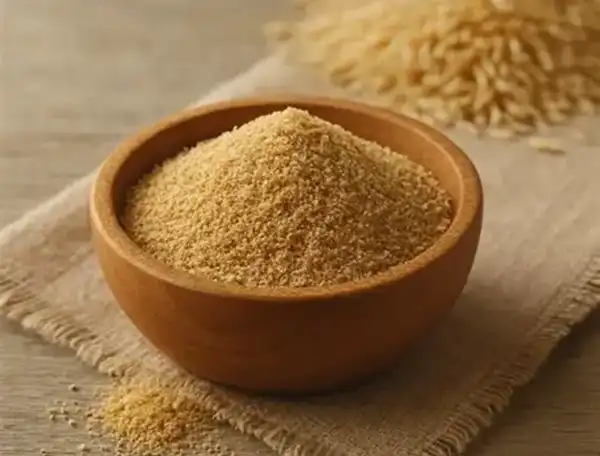
Understanding Rice Bran Extract and Its Antioxidant Properties
The outer layer of rice grains (Oryza sativa L.) is a rich source of compounds generated by plants to defend their seed embryos from potential injuries caused by external factors. These beneficial chemicals are removed, and we end up with a concentrated form of nature’s defensive mechanism that can be employed in business.
The Science Behind Bioactive Compounds
The antioxidants in Rice Bran Extract complement each other. Gamma-oryzanol is a mixture of ferulic acid esters and plant sterols that inhibit oxidation via several mechanisms. Researchers believe that gamma-oryzanol is 97-102% more potent than normal vitamin E in neutralising free radicals. The tocotrienol portion is a better form of Vitamin E and may penetrate the cell membranes more efficiently than the normal tocopherols. Good phenolic acids, notably ferulic acid 98%purity. They emit hydrogen, which helps the antioxidants act better.
Extraction Methods and Antioxidant Potency
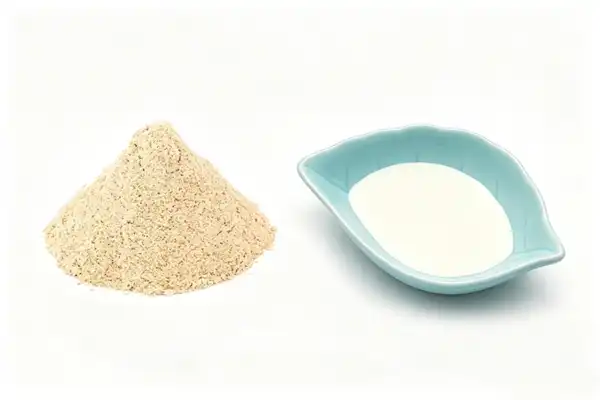
The biological activity of these chemicals is directly reliant on the method of their separation. KH employs solvent-safe extraction with clean water or food-grade ethanol, unlike chemical solvents that may be toxic, damage the product, or leave unwanted residues. This technique permits to preserve heat sensitive substances that would be destroyed at high temperatures. Another innovative method is the supercritical CO2 extraction that maintains the bioactivity and delivers pharmaceutical-grade purity. It is a thin, light yellow powder, exceedingly stable, and can resist temperatures up to 180°C, and consequently far surpasses the thermal stability of typical vitamin E.
Product Forms and Quality Specifications
Ratio extracts (4:1 and 10:1), ceramide-standardized versions (1%, 3%, and 10%), gamma-oryzanol concentrates (97–102%), and ferulic acid isolates (98%) are some of the standardized extracts that KH offers. Each standard is used for a different kind of preparation. The powder form dissolves quickly in the right carrier systems, which makes it easier for the ingredients to be evenly spread throughout finished products. Quality checks using UV and HPLC tests give procurement managers the batch-level records they need to follow quality assurance and legal rules. The main problem in many ingredient supply lines is that the quality of the raw materials isn't always constant. This level of analytical thoroughness fixes that problem.
Key Benefits of Rice Bran Extract's Antioxidant Protection in B2B Applications
This botanical ingredient can be used in a lot of different businesses. Its effectiveness is backed by science, and Rice Bran Extract meets the market's desire for natural, clean-label products. Understanding these uses helps people who make decisions find smart chances to come up with new products.
Health and Nutrition Applications
In dietary supplement forms, the antioxidant compounds help heart health by keeping LDL cholesterol from oxidizing, which is a key step in the formation of atherosclerotic plaque. Clinical findings show that gamma-oryzanol helps control cholesterol levels by lowering bad LDL while keeping good HDL levels the same. Hepatoprotective properties protect liver cells from environmental toxins and metabolic stress, which answers more and more people's questions about detoxification support. Managing blood sugar is another proven benefit, with parts that make insulin work better and lessen glucose spikes after meals. Because it helps the metabolism, the extract is a good addition to functional foods that aim to prevent chronic diseases.
Cosmetic and Personal Care Innovation
There is steady pressure on the cosmetics business to find natural preservatives and antioxidants that work just as well or better than the manmade ones. Ceramides from rice bran that are naturally found in concentrations of 1 to 10 percent help with skin barrier dysfunction, which is a major issue in anti-aging and sensitive skin products. These sphingolipids fix the structure of the stratum corneum, which makes it better at keeping water in and lessening transepidermal water loss. The UV-blocking qualities of ferulic acid work with sunscreens to give your skin even more protection against damage from the sun and early aging. Antioxidants protect follicle cells in hair care products, which is good for the health of the skin and lowers oxidative stress, which can cause hair loss.
Industrial Differentiation and OEM Advantages
Contract manufacturers and original equipment manufacturers (OEMs) gain a competitive edge by using formulations with verified botanical antioxidants. Premium market groups choose brands with clean labels because they make them more appealing to customers, which supports higher prices and builds brand trust. Product stability improvements make high-fat foods last longer on the shelf because lipid oxidation usually leads to rancidity, off-flavors, and nutrient degradation. Because the extract is stable at high temperatures, it is very useful in baked goods, molded snacks, and other prepared foods that need to be heated. Beauty applications are a mix of pharmaceutical and beauty uses, making them appealing to people who want therapeutic benefits in their personal care products.
Comparing Rice Bran Extract with Other Antioxidant Sources
When purchasing, workers look at antioxidant ingredients; they need to think about how well they work, how much they cost, how they are regulated, and where they fit in the market. Comparing things with knowledge helps you make smart buying choices that improve both the performance of the system and its ability to make money.
Rice Bran Extract Versus Conventional Alternatives
Standardized rice bran oil has some good things in it, but it's not as strong as standardized products. During the extraction process, carrier oils are taken away, which raises the density of the active compounds by 4–10 times, depending on the ratio. The tocotrienol part in our extract is better at protecting lipid systems from damage and is more bioavailable than vitamin E (tocopherols) that are separated. Even though synthetic antioxidants like BHT and BHA are cheaper, they are being looked at more closely by regulators and consumers, which opens up market opportunities for natural alternatives. The ingredient made from rice has the same or better oxidative stability without the bad label image.
Comparative Analysis with Other Botanical Extracts
Oat bran, wheat bran, and other grain products are good for you because they are antioxidants, but they usually don't have as many of the active ingredients that you need. The gamma-oryzanol content that is unique to rice gives heart health and metabolism benefits that can't be found in other grains. Similar chemicals are found in Rice Bran Extract, but it is harder to make and usually costs more per unit of active ingredient. The allergen profile is also important. Rice is naturally gluten-free and rarely causes allergic reactions, which means it can be used in more markets than wheat-based products. Because of these things, it works especially well for hypoallergenic formulations that are meant to help sensitive groups.
Organic Versus Conventional Sourcing
It's not just the approval status that changes when you choose between organic and standard grades. For products to be certified organic, they must be able to be tracked from planting to processing. This helps quality assurance managers who are worried about supply chain openness. The fact that rice naturally takes in arsenic from the land and water is a real cause for worry when it comes to heavy metal buildup. Premium providers use strict testing methods to make sure that arsenic and lead levels are below 1ppm, which are important standards for goods that people will eat every day. KH's relationship with controlled planting sites lets them precisely control the soil conditions, harvest times, and varieties chosen, which directly addresses problems with quality consistency.
Procurement Considerations for Rice Bran Extract in Bulk
Finding the lowest unit price is not enough to successfully buy ingredients in bulk. Long-term supply relationships rely on stable quality, dependable transportation, technical support, and following the rules. These are the things that set professional sellers apart from commodity traders.
Supplier Evaluation and Certification Requirements
Certifications are a good way to start the screening process, but more research is needed to make sure that actual compliance. ISO9001 sets up methods for managing quality, FSSC22000 makes sure food is safe all the way through the supply chain, and HACCP shows how to analyze risks. Religious certificates, like KOSHER and HALAL, make it easier for goods that are aimed at certain groups of people to reach more customers. When a building is registered with the FDA, it means that it has been inspected and that it follows Good Manufacturing Practices. KH keeps all of these certifications up to date and has a lot of paperwork that can be used for audits. The company's traceability system goes all the way down to the planting base and keeps track of seed types, growing conditions, and harvesting procedures. Generic suppliers can't match this level of detail.
Pricing Dynamics and Volume Considerations
Extract prices depend on how hard the extraction method is, how accurate the grading is, how much it costs to certify, and how much demand there is in the market. Most of the time, ratio extracts (4:1, 10:1) are cheaper than highly purified single-compound versions like 98% ferulic acid, but they still have a lot of antioxidant benefits for many uses. When you make a volume commitment, you can get better prices, but the minimum order quantities must fit with how quickly you can sell your inventory and how much space you have. KH has flexible MOQ structures that allow for sample amounts for research and development, small-kilogram trial batches for pilot production, and commercial orders starting at 25 kg. This way, KH can meet the needs of both new brands trying formulations and established makers needing container-load volumes.
Logistics and Product Stability During Transit
To keep antioxidants' potency while they're being shipped internationally, you need to pay attention to the materials used for packaging, the storage conditions, and the time they are in transit. The 25kg drum packing standard does a good job of protecting the product while also being easy to handle. Oxidation during storage is the main way things break down, so oxygen barrier properties are very important when choosing packaging. Changes in temperature during ocean freight can speed up the breakdown of materials that aren't properly packed. KH keeps a lot of high-turnover specifications in stock so that they can be shipped quickly. This cuts down on the time that inventory is held and makes sure that customers get newly made items that still have the most shelf life left. Courier, plane freight, and ocean shipping are all types of transportation that can meet pressing needs and reduce costs.
Best Practices for Utilizing Rice Bran Extract to Maximize Antioxidant Benefits
To properly add this ingredient, you need to know about formulation chemistry, dosage parameters, stability issues, and how this Rice Bran Extract interacts with other ingredients. These technical insights help R&D teams do their best work while still following the rules and keeping customers safe.
Application-Specific Dosage Guidelines
Dietary supplements usually have between 50 and 300 mg per dose, but this depends on the amount of standardization and the effects that are wanted. For functional food uses, 0.1 to 2% of the total recipe weight is used, matching how well it works with cost and taste concerns. Most cosmetic formulas have a concentration range of 0.5 to 5%, with leave-on products having lower concentrations and specialized treatments having higher ones. These ranges are just starting points that need to be improved by testing for stability and, if necessary, clinical approval. KH's application laboratory helps with this development process by giving formulation advice, conducting stability tests, and making compounding suggestions that are specific to your product matrix.
Synergistic Antioxidant Combinations
Using more than one type of antioxidant increases the overall protective effect more than using just one type of antioxidant. When you mix the extract with ascorbic acid derivatives, you get synergistic regeneration, which means that vitamin C turns oxidized vitamin E compounds back into their active form. This interaction makes antioxidants last longer and lowers the amount needed to provide the same level of protection. When used in cosmetics, mixing ferulic acid with vitamins C and E has been shown to provide better photoprotection than either vitamin alone. The calming qualities keep other delicate ingredients from breaking down, which extends the shelf life of the product and keeps it working for as long as it's used. These technical benefits lead to better product performance, which boosts customer happiness and the reputation of the brand.
Real-World Implementation Case Studies
When a medium-sized supplement company changed the formula of a heart health product, they switched from synthetic antioxidants to a standardized extract of gamma-oryzanol. This allowed them to use a clean label and keep the product's oxidative stability during accelerated shelf-life testing. A functional beverage maker put the water-dispersible grade into a ready-to-drink format that was meant to help people recover from exercise. The clarity and taste profile stayed the same for 18 months. A beauty product company released a barrier-repair lotion with 3% ceramides from rice bran. Tests on real customers showed changes in how much water was lost through the skin's surface and how hydrated they felt. These real-world examples show how the ingredient can be used in a variety of product categories and prove how useful it is.
Conclusion
Researchers have shown that Rice Bran Extract protects cells from free radicals by working with many beneficial chemicals to strengthen cellular defenses. The ingredient meets important needs in the industry, like clean-label formulation, natural preservation, and a useful difference in markets with a lot of competition. To be successful in procurement, you need to work with suppliers who offer standardized specifications, full certifications, technical support, and openness in the supply chain. KH's method of being fully integrated from forming relationships with planting bases to delivering the finished product, guarantees consistent quality and reliable supply. This botanical ingredient meets the technical needs of formulators while also meeting the performance, safety, and market appeal that modern consumers want. It can be used in dietary supplements, functional foods, cosmeceuticals, and pharmaceuticals.
FAQ
Is Rice Bran Extract suitable for vegan and allergen-sensitive formulations?
The extract comes from the plant Oryza sativa L., so it can be used in veggie and vegetarian goods without any problems. Rice rarely causes allergic reactions and doesn't contain gluten, so it's a good choice for people who are worried about the allergens that come from wheat and oats. Because of this, your potential market reach includes people with different dietary needs and those who can't have certain allergens.
How does natural antioxidant efficacy compare with synthetic alternatives?
Clinical tests using DPPH and ORAC assays show that ferulic acid and gamma-oryzanol can remove free radicals as well as, or better than, BHT and BHA at the right concentration levels. Market study shows that people are willing to pay more for clean-label goods, which shows that natural ingredients are becoming more and more popular. Synthetic chemicals are becoming more and more limited by regulations in major markets, which means that investing in natural options is a smart move.
Can Rice Bran Extract meet pharmaceutical-grade purity requirements?
Our standards for ferulic acid 98% and gamma-oryzanol 97-102% are the same as those set by the USP and EP for botanical ingredients. Heavy metal tests show that the arsenic and lead levels are below 1ppm, which is the strictest level allowed by the pharmaceutical industry. When non-CO2 extraction methods are used, solvent residue testing makes sure that the rules are followed. The wide range of certifications and batch-level documentation helps meet GMP requirements for pharmaceutical applications and dietary supplements.
Partner with KH for Premium Rice Bran Extract Supply
KH offers a lot more value than just providing basic ingredients. Our Rice Bran Extract, which is standardized to gamma-oryzanol, ceramides, and ferulic acid standards, gives your formulations the antioxidant power they need. It is certified by ISO9001, FSSC22000, KOSHER, HALAL, HACCP, and the FDA. From forming relationships with growing bases to the final extraction, we keep an eye on quality to make sure that the active ingredient content stays the same and that each batch can be fully tracked. As a supplier of Rice Bran Extract with a lot of experience, we keep a lot of it in stock so that we can send regular orders and samples within 3–5 business days. Our application laboratory helps you with the creation process by giving you HPLC analysis results, advice on how to make the best formulations, and stability testing for cosmetic, gummy, tablet, and beverage systems. Small-batch trial orders help you make sure the product works before making a business investment. Email our expert team at info@kingherbs.com to get samples, talk about unique specs, or look into compounding options that are made to fit the needs of your product. Getting ingredients doesn't have to be a pain; we can help with the technical side and make sure you always have what you need.
References
1. Orthoefer, F.T. (2005). Rice Bran and Rice Bran Oil: Antioxidant Functional Lipid Components. Bailey's Industrial Oil and Fat Products, Volume 6, Specialty Oils and Oil Products.
2. u, Z. and Godber, J.S. (1999). Purification and Identification of Components of Gamma-Oryzanol in Rice Bran Oil. Journal of Agricultural and Food Chemistry, 47(7), 2724-2728.
3. Patel, M. and Naik, S.N. (2004). Gamma-oryzanol from Rice Bran Oil—A Review. Journal of Scientific and Industrial Research, 63(7), 569-578.
4. Lerma-García, M.J., Herrero-Martínez, J.M., Simó-Alfonso, E.F., Mendonça, C.R., and Ramis-Ramos, G. (2009). Composition, Industrial Processing and Applications of Rice Bran Gamma-Oryzanol. Food Chemistry, 115(2), 389-404.
5. Imsanguan, P., Roaysubtawee, A., Borirak, R., Pongamphai, S., Douglas, S., and Douglas, P.L. (2008). Extraction of Alpha-Tocopherol and Gamma-Oryzanol from Rice Bran. LWT - Food Science and Technology, 41(8), 1417-1424.
6. Cicero, A.F. and Gaddi, A. (2001). Rice Bran Oil and Gamma-Oryzanol in the Treatment of Hyperlipoproteinaemias and Other Conditions. Phytotherapy Research, 15(4), 277-289.
Send Inquiry
Related Industry Knowledge
- How to Choose a Top Yucca Extract Manufacturer for Global Supply?
- Where to Buy Scutellaria Baicalensis Extract from a Supplier
- What Are the Main Applications of Bamboo Leaf Extract?
- Why Choose Tongkat Ali Extract Powder Over Synthetic Alternatives?
- How Does Blueberry Extract Powder Support Immune Function?
- The Anti-Aging Power of Rosehip Botanical Extract
- Can Wild Yam Extract Powder Support Menopause Comfort?
- Can Dill Seed Extract Support Metabolism and Wellness?
- Purple Sweet Potato Extract for High-Value Antioxidant Formulas
- How Valerian Root Extract Powder Enhances Deep Restful Sleep?