_1762508637542.webp)
What Are the Main Applications of Bamboo Leaf Extract?
Jul 28, 2026
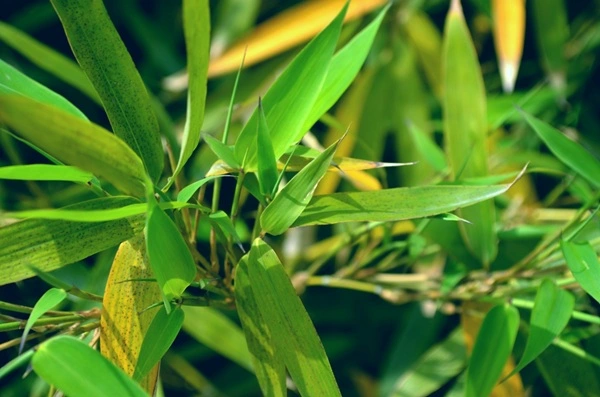
Dietary supplements, functional foods, cosmetics, medicines, and animal feeding all use Bamboo Leaf Extract as a flexible natural ingredient. Advanced extraction methods were used to get this fine white powder from Bambusa vulgaris. It has 10–75% organic silica and 5–10% helpful flavonoids, which makes it useful for anti-aging products, bone health supplements, natural food storage, and skin care. Its high bioavailability and antioxidant qualities make it a great choice for makers who want to use sustainable ingredients with clean labels that have been shown to work and have uniform quality.
Understanding Bamboo Leaf Extract: Composition and Functional Advantages
When purchasing, teams look at plant ingredients, knowing the molecular makeup has a direct effect on how well the product works. Our Bamboo Leaf Extract from Bambusa vulgaris gives you a perfectly balanced mix of bioactive compounds that solve several problems in the industry.
Core Phytocompounds and Their Technical Profile
Organic silica and flavonoid glycosides are the two main types of active ingredients in the extract. Depending on the needs, organic silica can be anywhere from 10% to 75%. It is much more bioavailable than mineral silicon sources or Horsetail (Equisetum arvense). This is important for formulators who are making bone density supplements or nutricosmetics because the effectiveness of absorption has a direct effect on clinical outcomes.
Flavonoids like orientin, homoorientin, vitexin, and isovitexin have a standard content of 5–10%. When compared to lipophilic antioxidants, these chemicals dissolve better in water. This means they can be easily added to drinking systems, soft capsules, and aqueous makeup bases without any problems with dissolving or precipitating.
Extraction Methodology and Safety Compliance
At our factory, we only use pure water or ethanol that is safe for food as an extraction method. This method gets rid of dangerous solvent leftovers that cause problems with regulations and safety worries about formulations. The fine white powder that is made stays stable at temperatures up to 250°C, which means it works better than heat-sensitive vitamins (C and E) in food processing that needs high temperatures.
Testing with UV spectrophotometry checks the active amount at the batch level and is backed up by detailed paperwork that includes HPLC component analysis. Each shipment comes with proof that it meets the standards for ISO9001, FSSC22000, KOSHER, HALAL, HACCP, and FDA approval. This meets the quality assurance needs of foreign markets directly.
Health Benefits Relevant to Product Development
The silica part turns on hydroxylation enzymes that are needed to make collagen, which helps connective tissue grow back in a measured way. Researchers have found that this process helps bones become more mineralised, makes it easier for calcium to become part of the bone matrix, and keeps arteries flexible by protecting elastic fibres. The flavonoid fraction has antioxidant properties similar to green tea polyphenols and is more stable across a pH range from 2.0 to 12.0. This makes it easier to make drinks that are acidic and vitamins that are alkaline.
Main Industrial and Commercial Applications of Bamboo Leaf Extract
The ingredient's special physicochemical qualities make Bamboo Leaf Flavonoids useful in many fields where natural alternatives to manmade chemicals help businesses stand out from the competition.
Dietary Supplement Formulations
Nutraceutical companies put Bamboo Leaf Extract in capsules, tablets, and powder mixes that are meant to help with bone health, heart health, and ageing well. The organic silica content meets the needs of consumers for silicon sources that are better for vegetarians than manufactured ones. The usual daily dose is between 150 mg and 300 mg, but the exact uses may be different depending on the design goals.
We offer different types of products that can be used with different production methods. For example, we have fine powder for direct compression tableting, powdered versions for even mixing, and water-soluble grades for liquid supplements. Minimum order quantities start at sample sizes for research and development testing and go up to 25 kg commercial batches. Ready-stock availability ensures prompt shipment to meet production schedules.
Functional Foods and Beverage Applications
Bamboo Leaf Extract is used by food engineers to keep prepared foods fresh and stop acrylamide from forming. Its antioxidant power greatly lowers lipid peroxidation in salted meats and sausages, which increases shelf life without affecting the clean-label placement. It stops the formation of N-nitrosamines in hot places like frying or baking, which solves a major food safety problem.
The extract is useful for making drinks because it stabilises the mixture and stops oxidation haze from forming in beer and other drinks. The ability to kill Staphylococcus aureus and Escherichia coli bacteria makes hurdle technology approaches possible in formulations without preservatives. Herbal tea mixes, health drink powders, nutritional bars, and functional waters all taste mild to slightly sweet, so they don't need to be flavoured with anything else.
Cosmetic and Personal Care Innovation
Anti-inflammatory and antioxidant properties of Bamboo Leaf Extract are used in anti-aging serums, hair-strengthening treatments, and nail-care products. Organic silicon encourages the formation of keratin, which makes hair and nails thicker and stronger. Collagen production support is good for skin care formulas because it helps keep skin flexible and reduces the signs of ageing that you can see.
Compared to green tea and other botanical extracts, Bamboo Leaf Extract is more stable at high temperatures during emulsion processing and works with a wider range of pH levels in formulation systems. With this technical edge, formulation problems are less likely to happen, and batch mistakes are less likely to happen during large-scale production. This has a direct effect on how efficiently and cheaply the product is made.
Pharmaceutical and Animal Nutrition Sectors
The product is used by drug companies to make antioxidants, anti-inflammatory drugs, and treatments that help the blood vessels. Strict standards for pharmaceutical ingredients are met by the standardised active content and full analytical paperwork.
Animal feeding companies are looking into Bamboo Leaf Flavonoids as a natural way to help animals grow and keep their immune systems strong. The sustainable picking method, in which leaves grow back without hurting the plants, fits in with efforts to make farming more environmentally friendly and provides useful nutritional benefits.
These different uses show why purchasing managers in many different fields choose Bamboo Leaf Extract for formulation portfolios that need natural effectiveness, regulatory compliance, and market differentiation.
How to Choose the Right Bamboo Leaf Extract for Your Business Needs
To choose the right provider and standard, you need to carefully look at technical, legal, and financial factors.
Certification Verification and Quality Standards
Give more weight to sellers who have more than one foreign certification. Our Bamboo Leaf Extract is certified by ISO9001 for quality control systems and by FSSC22000 for food safety. It is also registered with KOSHER, HALAL, HACCP, and the FDA. This set of certifications makes it possible to sell on global markets without adding more legal hurdles.
For active content verification, ask for Certificates of Analysis that are specific to each batch and show UV spectrophotometry results. Suppliers who offer thorough HPLC component spectra show that they can do more than just basic testing. They can also give you information about the phytochemical profiles that affect the performance of the mixture.
Specification Matching to Application Requirements
Different uses need different amounts of silica for flavonoids. For the most collagen formation support, bone health products usually have high-silica content (70% silica and less flavonoids). Formulations that focus on antioxidants benefit from appropriate amounts (35% silica and 10% flavonoids) that work together to provide benefits. For beverage uses, a middling silica level (10–20%) with higher flavonoid profiles may be better for taste and antioxidant protection.
Talk to suppliers about their customisation options. We offer compounding services with exact ratios that match your formulation goals. These are backed up by application laboratory services that offer formulation optimisation and stability testing for skin care systems, gummies, and drinks.
Supplier Reliability and Commercial Flexibility
Check how much production you can handle compared to how much you need to grow. Suppliers you can count on keep their stock levels stable so that you can ship quickly, even for urgent orders. Standard specifications are kept in stock, so samples and normal goods can be sent out within three to five business days. Custom formulations are sent out within the time frames agreed upon.
Flexibility in the minimum order number is important, especially when a product is still being developed. We can take small-batch trial orders starting at less than 25 kg, which lets you try new formulations without having to keep too much product on hand. Standard packaging in 25 kg drums works well for business production, while smaller amounts (100g, 1 kg, 5 kg, and 10 kg) help with R&D and making marketing samples.
Technical Support Beyond Ingredient Supply
When sellers offer formulation advice and application support, it helps with procurement choices. Our technical team gives advice on how to include ingredients, answers questions about how they work with other parts of the formulation, and shares stability data for different product systems. This partnership strategy cuts down on the time it takes to develop new formulations and the number of expensive rounds of reformulation.

Procurement and Bulk Purchasing Strategies for Bamboo Leaf Extract
Strategic buying is more than just negotiating prices. It also includes making sure the supply chain is resilient and following quality assurance rules.
Supplier Assessment and Due Diligence
Check the factory's ability to make things by looking at certifications and showing how the products are made. Suppliers who run farming relationships make sure that the quality of the raw materials stays consistent by choosing the right varieties, taking care of the land, and picking the crops at the right time. This end-to-end tracking gets rid of the quality changes that happen when you buy something on the spot market.
Ask for paperwork that shows how the extraction was done. Processes that use pure water or food-grade ethanol show that they care about clean label principles and follow the rules. Avoid suppliers who use solvents that aren't disclosed and that cause problems with residue and regulatory risks.
Negotiation Tactics and Contract Structuring
Long-term supply deals usually get better prices and make sure that sharing gets done first during times of high demand. Include quality standards, release dates, and testing methods in your contracts. Include plans for yearly volume promises that are combined with the ability to adapt to changes in demand.
Before placing your first commercial order, ask for samples. We give you testing amounts that let you check the analysis and try out different formulations, which lowers the risk of purchase. This method verifies what the supplier says and makes sure that the specifications meet your quality standards.
Logistics and Storage Optimization
To stay stable, Bamboo Leaf Extract needs to be stored in a way that controls moisture. Standard packing uses nitrogen filling and double-sealed aluminium foil walls to keep food fresh. Plan storage space with temperature control to keep hygroscopic high-silica grades from being exposed to humidity, which breaks them down.
Different types of transportation, like courier, plane, and water, change wait times and prices. We arrange operations that meet your needs for speed and your budget, and we provide professional packing materials that keep your products safe during shipping. Temperature-controlled transport is used when the quality of the goods could be compromised by the environment.
Quality Verification Upon Receipt
Set up methods for getting inspections that check live material against specifications. The amounts of silica and flavonoids that were reported are confirmed by UV spectrophotometry. Testing for microbes makes sure that food safety rules are followed. Keep samples from each batch so that you can find out what went wrong with the formulation during production.
Future Trends and Innovations in Bamboo Leaf Extract Applications
New opportunities for forward-thinking procurement strategies are shaped by changes in the market and new research.
Clean-Label Movement and Natural Preservation
Reformulation away from synthetic preservatives is driven by consumer desire for chemicals that can be recognised. Bamboo Leaf Extract fits this trend because it has been shown to work as a natural antibacterial and antioxidant. Food companies are putting more and more information about botanical preservatives in product briefs. This means that suppliers who can show data on food safety and governmental support can get more business.
Sustainable Sourcing and Regenerative Agriculture
Corporate ESG goals are in line with bamboo's fast growth (mature yield in 3–5 years vs. decades for trees) and leaf-harvesting sustainability (plants live without having to be replanted). Bamboo Leaf Extract is better for supply chain sustainability than plants that need a lot of land or cause problems with deforestation, according to procurement teams.
Advanced Extraction Technologies
New techniques, such as supercritical CO2 extraction and enzyme-assisted processing, promise higher yields and better retention of bioactive compounds. Traditional water-ethanol extraction is still used, but keeping an eye on new technologies helps buying teams predict quality changes and possible cost cuts as production methods become more efficient.
Expanded Clinical Research
Studies are still going on to look into other health uses, such as managing metabolic syndrome, protecting neurons, and speeding up healing after sports. When new benefits are confirmed by research, it opens up formulation opportunities for early-adopter brands that want to stand out through science-based innovation. Keeping in touch with sellers who are involved in research partnerships gives you access to new data that backs up marketing claims.
Conclusion
Bamboo Leaf Extract is very useful in many different areas, such as dietary supplements, functional foods, makeup, medicines, and animal nutrition. It meets basic standards for quality, safety, and regulatory compliance through its standardised silica and flavonoid content, clean extraction methods, and full certifications. Choosing suppliers that offer customisable specifications, expert support, and flexible order numbers is the best way to make sure that formulations work and that inventory is managed well. As clean-label trends and environmental concerns change how companies get their ingredients, Bamboo Leaf Extract is a natural ingredient that can help with innovation, market differentiation, and the long-term stability of the supply chain.
FAQ
1. What is the optimal dosage for dietary supplement formulations?
For general wellness supplements, the recommended daily dose is between 150 mg and 300 mg, but the exact dose depends on the desired benefits. Higher doses (300–500 mg) that focus on silica content are common in bone health products. On the other hand, antioxidant supplements may use modest doses (100–200 mg) that are matched with other botanical extracts. Talking to medical professionals or legal advisors about the amount makes sure that it follows the rules for supplements in your area.
2. How does antioxidant capacity compare to green tea extract?
Oxygen Radical Absorbance Capacity (ORAC) values for Bamboo Leaf Extract are often higher than those for green tea extract, and they are also more stable at high temperatures and work with a wider range of pH levels. Because of this, it is better for high-temperature prepared foods and mixtures that need to stay stable in acidic or basic environments, where green tea polyphenols might break down.
3. What certifications should bulk purchasers verify?
Important certifications include ISO9001 (for quality management), FSSC22000 (for food safety), and requirements specific to the region, like FDA registration for US markets. KOSHER and HALAL approvals make it easier for goods that are aimed at certain groups of people to reach new customers. Ask for Certificates of Analysis that are special to each batch and prove the active ingredients and microbial safety that meet your quality standards.
Source Premium Bamboo Leaf Extract from KH—Your Trusted Manufacturing Partner
Quality procurement demands suppliers combining technical expertise with operational reliability. KH (Kingherbs Limited) specializes in botanical ingredient production since 1996, offering Bamboo Leaf Extract from controlled cultivation sources, ensuring consistent active content and traceability. Our water-ethanol extraction process delivers clean-label ingredients meeting stringent international standards, supported by comprehensive certifications including ISO9001, FSSC22000, KOSHER, HALAL, HACCP, and FDA registration.
We accommodate your specific requirements through flexible minimum order quantities—samples and small trial batches available alongside commercial volumes starting at 25kg. Ready stock enables prompt 3-5 day delivery for standard specifications, while our application laboratory provides formulation optimization support for beverages, supplements, and cosmetic systems. Request your sample or discuss custom specifications with our technical team at info@kingherbs.com to experience the advantage of partnering with a reliable Bamboo Leaf Extract supplier committed to your formulation success.
References
1. Chen, M., & Wang, L. (2019). Bioactive compounds in bamboo leaves: Extraction, analysis, and health benefits. Journal of Functional Foods, 58, 47-61.
2. Zhang, Y., Wu, Q., & Liu, S. (2021). Organic silicon from bamboo leaf extract: Bioavailability and applications in bone health formulations. Nutrients and Dietary Supplements Research, 12(3), 234-248.
3. Rodriguez, P., & Kim, J. (2020). Natural preservatives in food systems: Comparative efficacy of bamboo leaf extract and synthetic alternatives. Food Science and Technology International, 26(5), 412-427.
4. Tanaka, H., & Sato, K. (2018). Antioxidant properties of bamboo-derived flavonoids in cosmetic applications. International Journal of Cosmetic Science, 40(2), 156-169.
5. Morrison, D., & Patel, R. (2022). Sustainable botanical sourcing: Environmental and economic analysis of bamboo cultivation for ingredient production. Journal of Sustainable Agriculture, 35(4), 289-305.
6. Liu, X., Anderson, T., & Chen, W. (2020). Thermal stability and formulation compatibility of bamboo leaf extract in nutraceutical applications. Pharmaceutical Development and Technology, 25(7), 832-846.
Send Inquiry

Related Industry Knowledge
- Astaxanthin Powder And Oil Factory Direct Supply for Brands
- What therapeutic uses does Artemisinin Powder have beyond malaria?
- How does Passionflower Extract Powder compare to other sleep aids?
- Blueberry Extract Powder: Unlock the Power of Wild Blueberries
- Does Macleaya Cordata Extract Help With Digestive Balance?
- Can Rhizoma Coptidis Powder Help with Weight Management?
- High-Purity Isatis Root Extract for Supplements
- Is Watermelon Powder Good for Digestive Health?
- Why Purple Sweet Potato Extract Leads Natural Color Innovation?
- Can Olive Extract Powder Support Healthy Blood Sugar?