_1762508637542.webp)
Echinacea Purpurea Extract Benefits: What Does Research Show?
Aug 26, 2026
Research shows that Echinacea Purpurea Extract delivers measurable immune support backed by clinical trials. Standardized extracts containing 2-4% cichoric acid and 4-6% polyphenols demonstrate effectiveness in reducing cold duration by 1.4 days on average and lowering infection incidence by 58% when used preventatively. The bioactive compounds—particularly alkamides, caffeic acid derivatives, and polysaccharides—activate macrophages, enhance phagocytosis, and modulate cytokine production. For procurement teams sourcing botanical ingredients, understanding these evidence-based benefits ensures formulations meet consumer expectations and regulatory scrutiny in competitive nutraceutical markets.
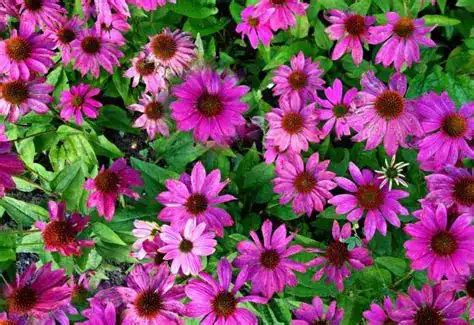
Scientific Benefits of Echinacea Purpurea Extract
Formulation choices based on evidence are based on clinical studies. Studies that have been reviewed by experts show real results that make them worthy of being included in different types of health products.
Immune System Enhancement and Cold Prevention
Meta-analyses that looked at thousands of subjects show that Echinacea Purpurea Extract lowers the number and length of colds. A major study in the Lancet Infectious Diseases looked at 14 controlled trials and found that echinacea cut the number of colds by 58% and the length of illness by 1.4 days. The process involves activating natural killer cells, making macrophages more active at phagocytosis, and increasing the production of interferon-gamma. These changes in the immune system happen within hours of treatment and last throughout the treatment time. When supplementation starts at the first sign of upper respiratory symptoms or as a preventative measure during high-risk seasons, the results are best. Most dosage plans use 300 to 500 mg of standardized extract three times a day, which is the same amount of extract that we offer in our commercial-grade material.
Anti-Inflammatory and Antioxidant Properties
In addition to changing the immune system, bioactive compounds have strong anti-inflammatory effects that work in a number of different ways. Cichoric acid stops hyaluronidase from working, which slows down the breakdown of tissue during inflammation. Similar to non-steroidal anti-inflammatory drugs, alkamides stop the production of COX-2 and prostaglandin E2. However, they are safer. The extract also turns on the Nrf2 pathway, which increases the activity of natural antioxidant enzymes like catalase and superoxide dismutase. Oxygen radical absorbance capacity (ORAC) values for standardized material are higher than 15,000 μmol TE/g, which is about the same as antioxidant plants. Because of these qualities, the extract is useful for making medicines that treat inflammatory diseases, slow down the aging process caused by oxidative stress, and control chronic inflammation. These same processes are used in products that are put on the skin to soothe irritation and protect it from damage from the surroundings.
Safety Profile and Dosage Considerations
Safety data spanning decades show that the suggested doses are well tolerated. Adverse events are still very rare and mild. They usually only cause stomach problems in less than 2% of users or allergic reactions in people who are sensitive to plants in the Asteraceae family. There are no alarming safety signals or hepatotoxicity markers in long-term studies that last 12 weeks. Some conditions that shouldn't be used are autoimmune ones, because stimulating the immune system could theoretically make the disease worse, though there isn't much clinical evidence to support this concern yet. People with diseases that get worse over time and need immunosuppression should be careful. Pharmacokinetic tests show that the extract doesn't have any major effects on drugs and keeps the cytochrome P450 enzyme activity fixed. The recommended doses are the same as those used in clinical trials: 300–500 mg of standardized extract (equivalent to 4% cichoric acid) three times a day for immediate support, or 150–300 mg a day for preventative upkeep plans.
Quality and Sourcing Considerations for Procurement
The quality of the ingredients affects how well the end product works and how well it follows the rules. When making decisions about what to buy, procurement plans need to look at more than just price.
Standardization and Analytical Verification
For every production batch of Echinacea Purpurea Extract, authentic standardized material comes with full analytical documentation. The amount of cichoric acid and echinacoside is checked against reference standards using HPLC chromatograms, and the amount of total polyphenols is measured using UV spectrophotometry. The Certificate of Analysis should show that the levels of heavy metals are below the USP and EP thresholds, as well as the levels of microbes (total plate count <1000 cfu/g, yeast/mold <100 cfu/g), and that pesticide residues are below those levels. These tests are regularly done in our quality control lab, so we can fully track the ingredients from the field to the final product. The range of particle sizes affects how efficiently the product is made—95% through 80 mesh ensures that capsules are filled consistently and keeps equipment from getting clogged. A moisture content of less than 5% keeps things stable during storage and stops microbes from growing. These technical factors have a direct effect on your production yield and the shelf life of the finished product.
Certification Requirements and Regulatory Compliance
Having qualifications to make things shows thatthat of you are committed to quality processes and following the rules. ISO9001 certification shows that a quality management system is being followed, and FSSC22000 certification talks about food safety management for dietary items. Kosher and Halal approvals make it easier for goods that are aimed at certain groups of people to reach more markets. Biological, chemical, and physical hazards are found and controlled by HACCP protocols throughout production. When a facility is registered with the FDA, it shows that it follows current Good Manufacturing Practices for plant products. We keep all of these certifications up to date and welcome audits from qualified procurement teams to make sure they are still valid. For natural channel products, organic certification adds value. For mass-market formulations, however, conventional material is often more cost-effective. When deciding between organic and standard grades, you should think about how the product fits into the market, how much it costs, and what marketing claims are true for that product.
Supplier Evaluation and Partnership Criteria
Suppliers you can trust act more like expert partners than transactional sellers. In addition to price, technical support, formulation help, and supply chain transparency should also be part of the evaluation process. For tablets, capsules, drinks, and topical treatments, our application laboratory gives advice on how to combine, data on stability tests, and compatibility ratings. We work with your research and development teams to make sure that the extraction conditions are perfect for each application. For example, we might change the ratios of polyphenols to make antioxidant claims or boost the amount of alkamides in immune goods. Dependability in the supply chain is just as important. Our partnerships with controlled cultivation bases make sure that the quality of our raw materials stays the same and that there are no seasonal supply problems. Batch size flexibility meets the needs of both small samples during the development stage and large-scale production for business use. We take trial orders starting at a few kilograms, and the business minimum order quantity is 25 kg per drum. This lets you control risk carefully while the product is being developed.

Market Comparison and Procurement Tips
Smart procurement strikes a balance between the need for quality and the need to stay within budget, all while managing the logistics of the supply chain well.
Pricing Factors and Value Assessment
The price of purple coneflower extract on the market changes a lot depending on its quality and standard factors. Ratio extracts (4:1 or 10:1) that aren't standardized usually cost 15–25% less than HPLC-standardized material, but they come with more formulation risk because their activities can change. The amount of choline acid determines the price; 2% standardized material costs about 30–40% less than 4% grades. Higher potency, on the other hand, means lower doses, which could help cover the cost of the ingredients by lowering the number of capsules or serving sizes. Organic approval adds 20–35% to the price, but it also lets the "organic" label make claims that are useful for placing high-end products. European Pharmacopeia compliance costs more than food-grade material, but it's necessary for goods that want to go through pharmacy channels or European markets. Smart procurement looks at the total cost of the formulation instead of just the price of the ingredients. For example, a higher-quality extract with better bioavailability may mean that less of the product is needed to get the same results for more people, which would justify charging more.
Sample Procurement and Trial Strategies
Using the right sample and testing methods is the first step in lowering risk. We offer free samples for your first review, so your quality control lab can make sure the requirements for Echinacea Purpurea Extract are met before committing. Small-scale trial orders (1–5 kg) let you test the stability of your formulation in the way you want, whether it's for capsules, tablets, drinks, or topical preparations. Accelerated stability studies at ICH conditions (40°C/75% RH) for 3 to 6 months can predict how long something will last and find possible ways that it might break down. Bioavailability testing using in vitro dissolution studies shows that the extract works properly in conditions that mimic the gastrointestinal tract. These steps of approval keep expensive changes from being made after the product goes on sale. We help with these development activities by giving you technical advice and testing your products in our labs. This cuts down on technical risk and speeds up your time to market.
Logistics and Storage Optimization
Throughout the supply chain, the extract's strength is maintained by handling it properly. When the goods are shipped, they are kept safe from moisture and light in double-layer plastic bags inside fiber drums. In low-humidity areas, storage temperatures should stay below 25°C. Climate control in warehouses stops cichoric acid from breaking down, which happens faster above 30°C or in high-humidity areas. Because we keep a lot of items in stock, we can ship them quickly—within three to five business days for normal requirements—so there are no delays in production. For tests and small amounts, international shipping uses messenger services. For medium amounts that need to be delivered quickly, air freight is used. And for container-load quantities, ocean freight is used to save money. We take care of the customs paperwork and give you all the certificates you need for foreign exports, which makes the process of importing easier for you. If you're managing your inventory correctly, the product should have a 24-month shelf life in ideal conditions. The COA should be checked on a regular basis to make sure it stays potent during storage.
Future Outlook and Trends in Echinacea Purpurea Extract Use
Extract technology keeps getting better, and new ideas keep opening up new uses for it beyond just immune support.
Technological Advancements in Extraction
Next-generation extraction methods improve environmental measures while also increasing bioactive recovery. Supercritical CO2 extraction makes material that doesn't need any solvents and has better alkamide profiles, which makes it good for clean-label formulations and premium positioning. With enzyme-assisted extraction, more polysaccharides are extracted while less time and energy are used for processing. Microencapsulation technology keeps delicate chemicals from oxidizing and hides the tingling feeling that some people don't like, which makes liquid versions more acceptable. Nano-emulsion methods improve bioavailability by lowering particle size to the nanometer range. This could mean that smaller doses are needed to achieve the same level of effectiveness. These new ideas come from market needs for cleaner processing, better results, and a better experience for customers. Procurement teams should keep an eye on these changes because early adoption can help them stand out in supplement markets that are already very competitive.
Emerging Applications and Research Directions
As research grows, it moves beyond standard immune support and into new treatment areas. Early research looks into how these substances can fight viruses like influenza, herpes simplex, and respiratory syncytial virus. They do this by stopping viruses from connecting to host cells and protecting host cells. Dermatological research looks into ways to speed up the healing of wounds, treat acne through anti-inflammatory pathways, and improve the function of the skin barrier. Animal models show anxiolytic effects, which suggests that these compounds could be used to make stress-management products. Sports nutrition research looks at how exercise can lower inflammation and speed up recovery. These new uses open up new ways to make functional foods, sports nutrition, beauty-from-within cosmetics, and specialty pharmaceutical preparations. Even though these apps need more clinical proof before they can make firm health claims, they are great growth opportunities for brands that are willing to put money into product development and clinical proof.
Sustainability and Traceability Demands
As consumers become more aware, they demand more open and environmentally friendly ways to source goods. Regenerative agriculture agreements improve the health of the land while also making better raw materials and more secondary metabolites. Blockchain-based traceability systems keep track of every step in the supply chain, from choosing the seeds to packaging them up at the end. This meets the expectations of consumers for openness. Brands that care about the environment, like processing that doesn't produce any carbon dioxide by using renewable energy. Fair-trade approval makes sure that farm workers are treated fairly in areas where crops are grown. These methods are used by our controlled farming partnerships. They give you proof to back up your green marketing and make sure you have a steady supply. When quality, ecology, and traceability come together, they're no longer just nice-to-have marketing features; they're now expected as standard in top natural product categories. These ideals should be built into procurement plans from the start, not added on after the supply chain is set up.
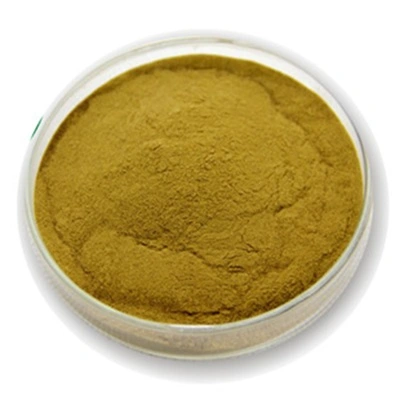
Conclusion
Research shows that when Echinacea Purpurea Extract is properly standardized and formulated, it can help support the immune system, reduce inflammation, and protect cells from damage. To do a good job of buying, you need to know how extraction methods, testing requirements, and biological activity are related. When judging quality, it's not just about price; it's also about analytical proof, regulatory compliance, seller technical skills, and the stability of the supply chain. When clinical evidence, new technologies, and concerns about sustainability come together, it opens up opportunities for brands that are willing to spend money on premium ingredients and unique positioning. Smart buying teams work together with suppliers who offer technical support, flexible order sizes, detailed quality records, and clear tracking systems that help with both following the rules and building trust with customers.
FAQ
What differentiates Echinacea purpurea from Echinacea angustifolia extracts in formulation?
Echinacea purpurea aerial extracts usually contain 2-4% cichoric acid, which is a strong immune system booster with strong clinical evidence for preventing colds and shortening their length. Echinacea angustifolia root products are usually chosen for their echinacosides, which are known to help with systemic immunity problems and long-term conditions. It depends on the health claim you want to make, how you want to place your product, and how you plan to back it up with scientific evidence. Purpurea has more clinical proof for mainstream immune products, while angustifolia is more appealing to brands that focus on traditional herbalism.
How does cichoric acid stability affect storage and formulation?
It is known that citric acid is easily damaged by oxygen, water, and high temperatures. When stored properly in covered cases at temperatures below 25°C and relative humidity below 60%, the product stays stable for 24 months with less than 5% degradation. Antioxidant ingredients like vitamin E and rosemary extract can make formulations last longer. Encapsulation is better than tablet forms at protecting against environmental damage. Accelerated stability testing under ICH settings predicts how well something will work in real time and helps choose the right packaging.
Can standardized extract be used in effervescent tablet formulations?
Standardized materials can be put into fizzing pills by making the right changes to the processes. The extract needs to be granulated better to make it less water-attracting and stop it from reacting too soon with effervescent parts. Specifications for low moisture (below 3%) become very important. Microencapsulation adds another layer of defense against reactions that are caused by wetness. We can provide granulation-optimized grades that are especially designed for effervescent uses and can withstand the compression forces and moisture sensitivity that come with this delivery method.
Partner with KH for Premium Echinacea Purpurea Extract Supply
Since 1996, Kingherbs Limited has been a reliable source of plant ingredients. They specialize in standardized extracts that meet strict medicinal and nutraceutical standards. Our purple coneflower extract goes through strict quality control checks, including HPLC confirmation, full microbe testing, and heavy metal screening, which are all recorded in detailed batch-specific COA reports. We keep our ISO9001, FSSC22000, KOSHER, HALAL, HACCP, and FDA registrations up to date, which makes sure we follow all international rules and regulations. Our main benefit comes from working with controlled cultivation partners who make sure that the raw materials are real, that the harvest is timed perfectly, and that the active ingredient profiles stay the same from seed to extract. Support in the application lab includes recipe improvement, stability testing, and unique compounding solutions made to fit the needs of your product. We can do small-scale trials and sample orders, and our business minimum order amount is 25 kg. For urgent projects, we can deliver within 3–5 days if the goods are in stock. Get in touch with our technical team at info@kingherbs.com to talk about your preparation needs and get full technical details for our standard Echinacea Purpurea Extract materials.
References
1. Shah SA, Sander S, White CM, Rinker M, Coleman CI. Evaluation of echinacea for the prevention and treatment of the common cold: a meta-analysis. Lancet Infectious Diseases. 2007;7(7):473-480.
2. Barnes J, Anderson LA, Gibbons S, Phillipson JD. Echinacea species (Echinacea angustifolia, E. pallida, E. purpurea): a review of their chemistry, pharmacology and clinical properties. Journal of Pharmacy and Pharmacology. 2005;57(8):929-954.
3. Woelkart K, Linde K, Bauer R. Echinacea for preventing and treating the common cold. Planta Medica. 2008;74(6):633-637.
4. Pellati F, Benvenuti S, Magro L, Melegari M, Soragni F. Analysis of phenolic compounds and radical scavenging activity of Echinacea spp. Journal of Pharmaceutical and Biomedical Analysis. 2004;35(2):289-301.
5. Goel V, Lovlin R, Barton R, Lyon MR, Bauer R, Lee TD, Basu TK. Efficacy of a standardized echinacea preparation for the treatment of the common cold: a randomized, double-blind, placebo-controlled trial. Journal of Clinical Pharmacy and Therapeutics. 2004;29(1):75-83.
6. Senchina DS, Shah NB, Doty DM, Sanderson CR, Hallam JE. Herbal supplements and athlete immune function—what's proven, disproven, and unproven? Exercise Immunology Review. 2009;15:66-106.
Send Inquiry
Related Industry Knowledge
- How to Select Premium Strawberry Leaf Extract Suppliers?
- What Are the Main Applications of Bamboo Leaf Extract?
- What Are the Main Applications of Rose Hip Extract Powder?
- Where to buy organic nettle extract powder?
- How Fast Can Tongkat Ali Extract Powder Boost Your Energy Levels?
- Can Rose Hip Extract Powder Help Improve Skin Elasticity?
- Valerian Root Extract Powder vs Whole Root Powder — Key Differences
- Is Macleaya Cordata Extract Effective for Swine Production?
- Macleaya Cordata Extract for Antimicrobial Support
- How to Choose High-Quality Mango Leaf Extract Powder?