_1762508637542.webp)
Why Is Apple Extract Powder Popular in Wellness Products?
Aug 13, 2026
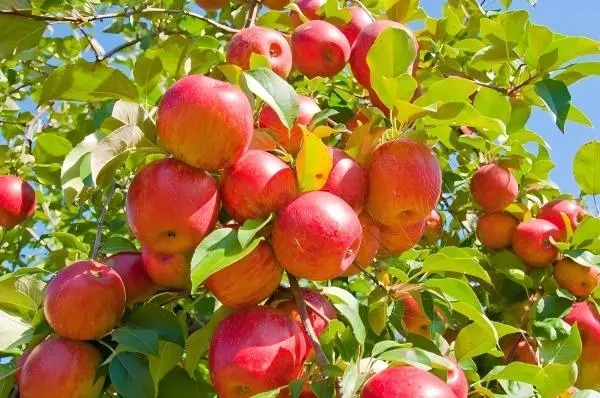
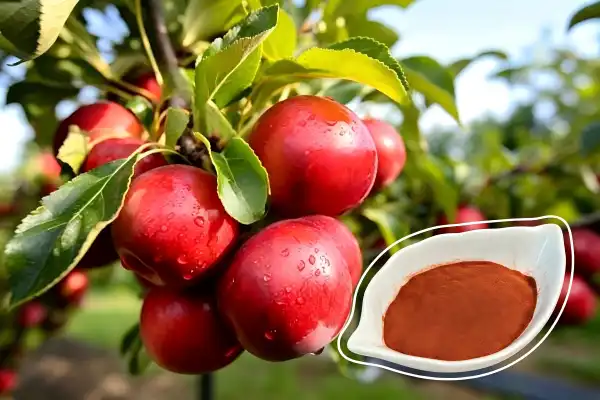
The Apple Extract Powder is a vital health element, as it provides a rich source of bioactive chemicals, including polyphenols and procyanidins, in a stable and adaptable form. This fine reddish-brown powder, derived from the fruit of Malus Pumila Mill., provides formulators with constant antioxidant efficacy, regulatory compliance parameters, and clear label appeal. Its ability to promote cardiovascular health, skin integrity and metabolic wellness touches on a number of consumer wellness concerns in one botanical source, making it a significant asset for businesses looking for distinction and effectiveness.
Why Apple Extract Powder Stands Out in the Market
Competitive Positioning Against Alternative Ingredients
In comparison to apple cider vinegar or single-compound extracts like resveratrol, Apple Extract Powder has a wider range of uses. Apple cider vinegar has acetic acid, which helps metabolism, but it doesn't have the concentrated polyphenol makeup that is needed for strong antioxidant promises. Apple Extract Powder is easier for consumers to recognize and looks better on the label than grape seed extract, which also contains procyanidins. Because ratio extracts come in 4:1 and 10:1 concentrations, formulators can find the best mix between cost-effectiveness and potency needs. This is a level of freedom that isn't often found in competing plant extracts.
Market Trends Driving Demand
The health product industry has seen a sharp rise in demand for antioxidant-rich plant-based ingredients with clear stories about where they came from. Because people prefer natural sources to synthetic ones, extracts from popular foods are seen as high-end ingredients that are also easy to get. Changes in regulations that support natural preservation and clean-label formulations make the market even more important. Procurement experts have noticed that brands that use standardized botanical extracts have more loyal customers. This is especially true for products that have ISO9001, FSSC22000, KOSHER, HALAL, HACCP, or FDA compliance certifications.
Assessing the Quality of Suppliers and the Differences in Their Services
When looking for a trusted maker, you need to look at more than just price. Important differences include batch-level documentation that checks the amount of active ingredients using HPLC analysis, traceability that goes all the way back to planting base partnerships that decide which varieties to grow and when to harvest them, and extraction processes that only use pure water or food-grade ethanol to get rid of any solvent residues. Suppliers with ready stock and quick shipping reduce disruptions in the supply chain, and those who can handle sample and small-kilogram trial orders allow for low-risk formulation testing. These features of the service directly address buying problems like long wait times, inconsistent quality, and the inability to grow.
The Manufacturing Process and Quality Standards
From Raw Material Selection to Final Powder
The first step in the production process is getting fresh apples from controlled farming partnerships. The soil makeup and harvest timing are carefully controlled to get the highest polyphenol content. Fruits are washed and prepared, and then they are extracted using pure water or food-grade ethanol. The temperature is kept constant so that thermosensitive bioactives are not lost. The Apple Extract Powder that is made is filtered to get rid of any impurities, then it is concentrated and spray-dried to make a fine reddish-brown powder with particles that can be used in different dosage forms. This methodical process makes sure that the end standards are always met, whether they are 30% or 80% polyphenols. This can be checked through UV/HPLC testing.
Important certifications and rules for quality assurance
Companies that keep their ISO9001 certification show that they have strong quality control systems that cover all stages of production. Systematic risk analysis is used to deal with food safety risks in FSSC22000 certification, which is needed for Apple Extract Powder that goes into the supply chains of functional foods and dietary supplements. KOSHER and HALAL licenses help businesses reach more customers by meeting the dietary needs of religious groups. HACCP guidelines, on the other hand, keep food from getting contaminated by keeping an eye on key control points. Following FDA rules makes sure that you're following Good Manufacturing Practices for plant products. All of these certifications show that the supplier is reliable and follows the rules, which is good for quality assurance managers.
Batch Documentation and Technical Support
There is a Certificate of Analysis for each production batch that lists the percentages of polyphenol and procyanidin B2, as well as the results of heavy metal screening, microbial testing, and solvent residue analysis. This information helps technical formulation experts decide which ingredients are best for certain uses and backs up regulatory reports. Suppliers who offer application laboratory support, such as help on compounding, formulation optimization, and stability testing, act as technical partners instead of transactional suppliers. This speeds up the development of new products and lowers the risks associated with formulations.
Strategic Procurement of Apple Extract Powder
Sourcing Channels and Engagement Models
As a general rule, procurement tactics involve working directly with makers or approved distributors. When you work directly with a manufacturer, you can get custom specifications like specific polyphenol-to-procyanidin ratios, priority allocation during supply constraints, and technical collaboration on new formulation challenges. Even though wholesale platforms may be convenient, they don't always offer custom ratios or batch reserve services. When evaluating buying channels, you have to weigh the unit cost against services that add value, like regulatory support, developing analysis methods, and fixing formulation problems.
Pricing Factors and Making a Budget
Pricing systems are affected by several things. Due to higher costs and lower returns in agriculture, certification status, especially organic certification, brings higher prices. The amount of polyphenols in Apple Extract Powder is directly related to its price, since better consistency needs more precise processing and input of raw materials. The cost per kilogram shows that ratio extracts at 10:1 are more concentrated than 4:1 choices. The amount you buy has a big effect on the price per unit, and business orders that meet the 25 kg minimum order number usually get better rates. Comparing your product to similar botanical extracts like green tea or grape seed helps you decide how to spend your money and estimate your return on investment.
Logistics and Storage Things to Think About
You can use courier services for samples and small amounts, air freight for orders that need to be delivered quickly (usually within 5–10 business days), and ocean freight for large shipments that need to be cost-effective over a 20–45-day period. The standard 25 kg drum packaging keeps the Apple Extract Powder safe while it's being shipped and makes keeping track of inventory easier. To keep polyphenols from breaking down due to oxidation, they need to be stored in cool, dry places away from direct light. Sealed packages keep the Apple Extract Powder stable throughout its shelf life. These logistics rules make sure that the bioactive structure stays the same from the factory where it's made to the end product.
Leveraging Apple Extract Powder in Product Development
Applications Across Wellness Product Categories
Apple Extract Powder works well with a wide range of formulation systems. The Apple Extract Powder is mixed with carriers and excipients at rates usually between 5 and 15% in nutritional pills and tablets. This helps with antioxidants and heart health. Functional drinks use smaller amounts of Apple Extract Powder because it dissolves easily, making clear or slightly colored solutions that deliver polyphenol benefits without sediment. The Apple Extract Powder is used in masks, creams, and serums for skin care. The polyphenols in it protect against external stresses and help keep the structure of dermal collagen. When used in functional foods like protein bars and gummies, Apple Extract Powder boosts antioxidant levels and adds a natural fruit flavor.
Formulation Best Practices and Actives That Work Well Together
To get the best results, you need to think about how stable the polyphenols are at different pH levels that are common in food and supplement matrices. Combining antioxidants with vitamin C makes them work better through synergistic processes. Similarly, using hyaluronic acid with Apple Extract Powder in skin care makes the benefits of hydration and anti-aging even stronger. Stability testing under accelerated conditions shows that the Apple Extract Powder stays effective when stored according to the guidelines given. Formulators can get technical help in the form of HPLC component spectra for every batch. This lets them precisely change other active ingredients to meet label claims.
Regulatory Compliance and Market Access
Product makers have to deal with rules and regulations that cover health claims and chemical safety. In the United States, the Food and Drug Administration (FDA) regulates plant extracts used in dietary supplements. These extracts must be properly labeled, and structure-function promises must be backed up. Novel Foods rules and specific polyphenol content statements must be followed to sell food in the European Union. Products that meet USP (United States Pharmacopeia) and EP (European Pharmacopeia) standards make it easier for products to be approved by regulators and released in more than one market. Working with providers who offer legal ingredients shortens the time it takes to get a product to market and lowers the regulatory risk that the company faces.
Conclusion
Apple Extract Powder ingredients are widely used because they have a unique mix of research support, formulation flexibility, and market acceptance. Professionals in procurement know that buying choices aren't just about comparing prices; they also have to do with quality stability, technical support, and making sure that suppliers follow the rules. In competitive markets, suppliers who offer full certifications, flexible order quantities, batch-level traceability, and quick delivery times have a strategic advantage. As clean-label, evidence-based ingredients with multiple benefits become more important in health product development, this concentrated Apple Extract Powder is positioned to become an important part of innovation processes in the nutraceutical, cosmetic, and functional food sectors.
FAQ
What differentiates apple extract from apple juice powder?
Apple juice powder mostly keeps the fructose and glucose and very little of the fiber. It's mostly used for flavoring and not for health reasons. Apple Extract Powder is standardized to have a polyphenol content of between 30 and 80%. It concentrates bioactive compounds through selective extraction processes, and HPLC testing shows that it helps the heart and fights free radicals. This standardization lets formulators make sure that label claims are the same from one production batch to the next.
Are there safety considerations or known side effects?
When used at the suggested levels, which are usually 100 to 500 mg per day in supplement forms, Apple Extract Powder has great safety benefits. People who are known to be allergic to apples may sometimes develop rare reactions. Manufacturers of good products include data on heavy metal screening and microbial testing with every batch. This keeps contaminants below the limits set by regulations. Teams in charge of buying things should make sure that suppliers follow HACCP rules and keep FDA compliance paperwork.
How can buyers verify supplier quality and reliability?
Ask for Certificates of Analysis that show the amounts of polyphenols found using UV/HPLC techniques, as well as the results of heavy metal screening and microbe counts. Check the building's certificates, such as ISO9001, FSSC22000, and any faith certifications that apply. You can ask for samples to be tested by a third party. Check how quickly the provider responds to technical questions and how willing they are to help with application support. Reliable makers keep Apple Extract Powder on hand, can handle sample orders, and can show full traceability from working with farmers to packaging the goods.
Partner with KH for Premium Apple Extract Powder Supply
KH's vertically integrated production skills make it easy for quality assurance managers and procurement directors to find a reliable Apple Extract Powder provider. Since 1996, we've been experts in organic ingredients. We make sure that each batch is the same by working with controlled planting bases and using pure water or food-grade ethanol for extraction. We are not just a transactional vendor; we are also your strategic sourcing partner. We have ready stock that lets us deliver samples and standard orders within 3–5 business days, and each batch is certified by ISO9001, FSSC22000, KOSHER, HALAL, HACCP, and FDA. We also offer technical support services like HPLC component spectra and formulation optimization. Email our team at info@kingherbs.com to ask for samples, talk about custom polyphenol specifications, or look into bulk purchasing terms that will help you reach your product development goals.
References
1. Boyer, J., & Liu, R. H. (2004). Apple phytochemicals and their health benefits. Nutrition Journal, 3(5), 1-15.
2. Hyson, D. A. (2011). A comprehensive review of apples and apple components and their relationship to human health. Advances in Nutrition, 2(5), 408-420.
3. Kahle, K., Kraus, M., & Richling, E. (2005). Polyphenol profiles of apple juices. Molecular Nutrition & Food Research, 49(8), 797-806.
4. Lata, B., Trampczynska, A., & Paczesna, J. (2009). Cultivar variation in apple peel and whole fruit phenolic composition. Scientia Horticulturae, 121(2), 176-181.
5. McGhie, T. K., & Walton, M. C. (2007). The bioavailability and absorption of anthocyanins: Towards a better understanding. Molecular Nutrition & Food Research, 51(6), 702-713.
6. Vrhovsek, U., Rigo, A., Tonon, D., & Mattivi, F. (2004). Quantitation of polyphenols in different apple varieties. Journal of Agricultural and Food Chemistry, 52(21), 6532-6538.
Send Inquiry
Related Industry Knowledge
- Holy Basil Extract Powder Bulk Purchasing Guide for Importers
- What Makes Nettle Extract Powder a Trending Botanical Ingredient?
- What therapeutic uses does Artemisinin Powder have beyond malaria?
- Ivy Extract Powder: Is It Better Than Cough Syrup?
- Why Is Rose Hip Extract Powder Popular in Beauty Supplements?
- Onion Extract Benefits You Can’t Ignore in 2026
- Valerian Root Extract Powder for Beverage & Tea Formulations
- Valerian Root Extract Powder vs Whole Root Powder — Key Differences
- Why Is Macleaya Cordata Extract Popular in Animal Nutrition?
- How Polygonum Cuspidatum Extract Supports Heart Health Naturally?