_1762508637542.webp)
Why Choose Natural White Willow Bark Extract Powder for Supplements?
Jul 27, 2026
Taking natural White Willow Bark Extract Powder as a supplement has been shown to help with health problems for hundreds of years and is now supported by modern science. This plant-based drug, whose salicin level has been standardised through precise HPLC testing, gives companies a clean-label option that meets customer needs for gentle pain relief and anti-inflammatory support. Unlike manufactured options, natural White Willow Bark Extract Powder contains a complex mix of phytochemicals that work together in the body to create long-lasting effects that are easier on the stomach. This means that procurement managers and formulation experts can make supplement products that are unique, meet legal requirements, and build brand authority in the wellness market, which is very competitive.
Understanding White Willow Bark Extract Powder and Its Benefits
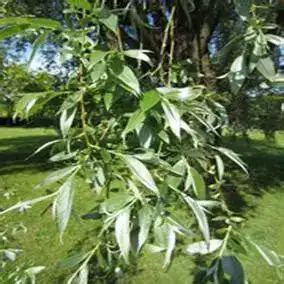
The powdered natural White Willow Bark Extract Powder comes from the inner bark of Salix alba trees, which is where the main bioactive compound salicin builds up during the trees' seasonal growth cycles. This glycoside molecule works as a prodrug and is slowly changed into salicylic acid in the liver and stomach by enzymes. The metabolic route provides a milder pharmacological profile compared to synthetic salicylates. This is why there is less gastric irritation seen in clinical observations.
The Phytochemical Advantage of Whole-Plant Extraction
Along with salicin, good White Willow Bark Extract Powder also has flavonoids and polyphenolic tannins that work with salicin to improve therapeutic outcomes in several different biological ways. These secondary molecules help protect cells from damage, support blood vessels, and change how cells respond to stress. Studies in phytotherapy journals show that whole-plant extracts often work better than separate compounds in effectiveness tests. This is because phytochemicals work together to make plants more effective. Using pure water or food-grade ethanol for extraction keeps these helpful co-actives while getting rid of dangerous solvent residues. This makes sure that the product is safe and meets regulatory requirements.
Clinical Applications Driving B2B Demand
Natural White Willow Bark Extract Powder can be used as a supplement in several different ways. Joint health products use their anti-inflammatory properties to help older people stay mobile and comfortable. Sports nutrition companies use it in rehab plans to help with soreness caused by exercise without the stomach problems that come with regular NSAIDs. Its keratolytic and sebum-regulating properties are valued by cosmetics companies. It is used as a botanical alternative to synthetic beta-hydroxy acids in acne treatment systems. Because it can be used in many different industries, White Willow Bark Extract Powder is a useful ingredient for making a wide range of products.
Quality Considerations When Selecting White Willow Bark Extract Powder
When industrial buyers evaluate the quality of an extract, they have to make important choices because differences in sources and processing have a direct effect on how well the product works and whether it meets regulations. The main differences between pharmaceutical-grade and food-supplement-grade materials are the levels of purity, the number of microbes allowed, and the heavy metal limits. Pharmaceutical-grade White Willow Bark Extract Powder must follow USP or EP monograph standards, which means that the testing methods must be proven, and strict batch documentation must be kept.
Certification Requirements for Global Market Access
Full certification packages make it easier for products to be sold and approved by regulators around the world. The ISO9001 certification shows that the quality management system is strict, and the FSSC22000 certification talks about food safety management in production settings. The KOSHER and HALAL certifications help businesses reach more people who have to follow certain dietary rules. Getting registered with the FDA and following HACCP rules gives companies more confidence to enter the U.S. market. All of these qualifications lower the risk of procurement and shorten the time it takes to create a product by meeting regulatory standards ahead of time.
Critical Quality Parameters for Procurement Specifications
Salicin standardisation is the most important quality metric. Concentrations can be anywhere from 15% to 98%, depending on the needs of the application. HPLC research gives accurate measurements while also looking for contaminants or compounds that haven't been reported. Levels of heavy metals must be shown to be below 10 parts per million (ppm), with specific limits for mercury, arsenic, lead, and cadmium. For dietary products, microbiological tests should show that the total plate counts are less than 1,000 CFU/g and that pathogens like Salmonella, E. coli, and Staphylococcus aureus are absent. Following USP <561> guidelines for pesticide residue analysis ensures that agricultural contaminants are safe. All of these factors together describe high-end materials that can be used in branded products.
If the moisture level is less than 5%, the glycosides don't break down during storage, so the product can last up to 24 months if stored properly. Particle size distributions smaller than 80 mesh make sure that powder mixtures are mixed evenly, and that capsule fill weights stay the same. Measurements of bulk density between 0.4 and 0.65 g/ml improve the efficiency of packaging and handling during production.
Comparison of White Willow Bark Extract Powder with Alternative Solutions
To figure out how to position yourself in the market, you need to compare natural White Willow Bark Extract Powder to both botanical alternatives and man-made compounds. The amount of salicin in raw White Willow Bark Extract Powder varies, usually between 0.5% and 3%. This means that much higher doses are needed to reach therapeutic levels. Because standardized White Willow Bark Extract Powder is so concentrated, it works reliably at smaller doses, which lowers the cost of formulation per dose and increases consumer compliance.
Natural Extract Versus Synthetic Salicylates
Synthetic aspirin (acetylsalicylic acid) works quickly, but it has a well-known risk of stomach ulcers because it directly irritates the mucosa. Natural White Willow Bark Extract Powder is bioactivated in the liver, so it doesn't have to be exposed to the stomach first. Instead, salicylic acid is spread throughout the body over a long period of time. In clinical studies that compared the two methods, the natural extract had much better gastrointestinal tolerability scores and had similar pain-relieving effects for long-term conditions. This difference is especially helpful for long-term nutrition plans where manufactured NSAIDs can't be used because of certain conditions.
Synergistic Combinations with Complementary Botanicals
Formulation makers are putting together White Willow Bark Extract Powder with other anti-inflammatory plants more and more to make specific mixes that help with certain health problems. Standardised turmeric extract targets inflammatory mediators through different pathways, and when combined with salicin, the effects are stronger. Boswellia serrata extract stops 5-lipoxygenase from working, which works with White Willow Bark Extract Powder's cyclooxygenase modulation to control all eicosanoid levels. Ginger extract has added pain-relieving qualities and helps keep the digestive system healthy. These synergistic mixtures make it possible for products to be differentiated and for labels to make more claims that are backed up by mechanical reasoning.
Procurement Guide: How to Source High-Quality White Willow Bark Extract Powder
Quality assurance, supply dependability, and cost optimisation are all important parts of good buying strategies. Building relationships with vertically integrated suppliers lets you see where your raw materials come from and how they are processed. Kingherbs Limited uses this method by working directly with controlled planting bases. These bases use agronomic practices like choosing the right varieties, managing the soil, and figuring out the best time to gather to make sure that the phytochemical profiles are uniform from the botanical source level.
Evaluating Supplier Capabilities and Service Infrastructure
Full supplier evaluation includes more than just product specs; it also looks at technical support skills that speed up formulation development. Application labs that can do stable tests, dissolution tracking, and formulation compatibility studies are very helpful for research and development. Suppliers who offer customisation services, such as custom ratio extracts (4:1, 10:1, 15:1, and 25:1) and specific salicin amounts, make it possible to precisely control the mixture. Trial sales for small amounts (starting at 1 kg) lower the original investment risk during the product development phase. On the other hand, the ability to buy in bulk (starting at 25 kg) improves unit economics for production scaling.
Logistics infrastructure has a big effect on how well the supply chain works. Suppliers who keep ready-to-ship inventory can deliver samples within three to five business days and ship commercial orders quickly, cutting down on lead times that make it hard to plan production. Multiple types of transportation, such as courier, air freight, and ocean shipping, give you options for both quick restocking and cost-effective container loads. Properly packing goods in 25 kg fibre drums with food-grade bags inside keeps them safe during international shipping and meets the needs of different warehouse systems for handling.
Traceability and Documentation Requirements
For regulatory compliance and quality investigations, strong batch documentation systems keep the records needed for the chain of custody. Full Certificates of Analysis should have full test results, names of reference standards, analyst signatures, and information about the lab's approval. Batch-specific HPLC chromatograms make it possible to check phytochemical fingerprints and find problems with the analysis. Origin documentation, such as botanical identification certificates and harvest records, backs up claims of natural origin and geographical sourcing. This kind of documentation makes it possible to fully track ingredients from the time they are grown in the field until they are delivered to the customer.
Ensuring Product Safety and Regulatory Compliance in Global Markets
To navigate regulations, you need to know the rules that apply in each area about how to use plant ingredients, how to name them, and how to make marketing claims. White Willow Bark Extract Powder is considered a dietary ingredient by the FDA and is subject to DSHEA rules. It needs to have proper identity paperwork and production controls, but not premarket approval. European markets follow rules set by the EFSA and each member state. Depending on how the product is positioned, these rules may include limits on new foods or standards for traditional uses registration.
Dosage Guidelines and Contraindication Management
According to clinical research, adults who want to reduce inflammation should take between 60 mg and 240 mg of salicin every day. This is equal to about 400 mg to 1,500 mg of standardised White Willow Bark Extract Powder having 15-20% salicin. Formulation makers have to think about people who are sensitive to salicylates, people who have bleeding problems, or people who are also taking anticoagulant medications. Children and women who are pregnant or breastfeeding are restricted users who need to talk to a healthcare provider. Clear label warnings that explain these safety measures show that you are responsible for the product and lower your risk of liability.
Label Claim Substantiation and Marketing Compliance
Claims about the structure-function of ingredients that talk about how they help the body work normally need to be backed up by human clinical trials, systematic reviews, or mechanistic studies that show biological plausibility. Claims must not use disease terms and must accurately describe benefits in line with FDA or EFSA rules. Verification testing by a third party through independent labs improves proof documents and gives concrete quality assurance that retailers and customers value. Publication of batch-level testing results through QR codes or online portals as part of transparency programs builds consumer trust and shows commitment to quality assurance.
Continuously keeping an eye on the market and competitors helps find out how regulations are being interpreted and enforced. Hiring regulatory experts or lawyers who specialise in dietary supplement compliance can help lower the risks that come up when making labels and claims.
Conclusion
Supplement makers who want to blend traditional botanical knowledge with modern quality standards can use natural White Willow Bark Extract Powder as an important element. The ingredient's proven effectiveness, good safety profile, and clean-label positioning are all in line with consumer wellness trends and make it easy to use in a wide range of products. To be successful in this competitive market, you need to work with suppliers who have full quality systems, clear traceability, and expert help that goes beyond just providing ingredients. Standardised potency, strict testing procedures, and regulatory compliance documentation that are put first in procurement choices set brands up for long-term growth in both domestic and foreign markets.
FAQ
1. What salicin concentration should I specify for supplement formulations?
Salicin levels between 15% and 25% are considered normal for most dietary supplement uses, and these levels provide therapeutic levels at acceptable dose amounts. Higher concentrations that are close to 98% pure are good for medicinal uses or micro-dosing methods where ingredient loading levels are limited by the amount of space available in the formulation. Custom concentrations make it possible to precisely balance a formula when using several botanical extracts that work in different ways.
2. How does extraction methodology impact final product quality?
The water-ethanol extraction process keeps the whole range of phytochemicals, including polar and semi-polar compounds, as well as the main salicin content. This includes flavonoids, tannins, and other useful compounds. This solvent system doesn't leave behind harmful chemicals like those found in methanol, hexane, or chlorine solvents, which would make it harder to put on a clean label and would need a lot of tests to see if they are still present. Heat-sensitive chemicals don't break down at low temperatures, so biological activity is kept throughout the processing.
3. What lead times should I anticipate for custom formulation development?
For stock specifications, sample evaluation usually takes three to five business days. This lets you quickly get a sense of quality parameters and formulation compatibility. Custom ratio extracts or specific salicin amounts usually make production and testing take an extra two to three weeks. For accurate shelf-life estimates, full stability studies need 3–6 months of fast conditions or up to 24 months of real-time ageing data.
Partner with KH for Premium White Willow Bark Extract Powder Supply
Supplement makers looking for a reliable White Willow Bark Extract Powder provider with proven quality systems and technical know-how can't do better than KH (Kingherbs Limited). Our supply chain is vertically integrated, so you can track all the way from the controlled planting bases to the final packaging of the ingredients. This makes sure that the salicin content and phytochemical profiles are always the same and meet your exact formulation needs. With ISO9001, FSSC22000, KOSHER, HALAL, and FDA approval among our certifications, we meet the strictest legal standards in markets around the world. Our application laboratory can help you with formulation, stability testing, and suitability studies, which shortens the time it takes to make a new product and lowers the technical risks. Email our team at info@kingherbs.com to talk about your particular needs, get detailed specs, or set up sample packages that show how good our products are. Our flexible MOQ structure and ready-stock inventory make sure that you get what you need quickly, whether you need small amounts for testing or a large amount for production.
References
1. Schmid B, Lüdtke R, Selbmann HK, Kötter I, Tschirdewahn B, Schaffner W, Heide L. "Efficacy and tolerability of a standardized willow bark extract in patients with osteoarthritis: randomized placebo-controlled, double blind clinical trial." Phytotherapy Research, 2001.
2. Vlachojannis JE, Cameron M, Chrubasik S. "A systematic review on the effectiveness of willow bark for musculoskeletal pain." Phytotherapy Research, 2009.
3. Shara M, Stohs SJ. "Efficacy and Safety of White Willow Bark (Salix alba) Extracts." Phytotherapy Research, 2015.
4. Mahdi JG, Mahdi AJ, Bowen ID. "The historical analysis of aspirin discovery, its relation to the willow tree and antiproliferative and anticancer potential." Cell Proliferation, 2006.
5. Nahrstedt A, Schmidt M, Jäggi R, Metz J, Khayyal MT. "Willow bark extract: the contribution of polyphenols to the overall effect." Wiener Medizinische Wochenschrift, 2007.
6. Oltean H, Robbins C, van Tulder MW, Berman BM, Bombardier C, Gagnier JJ. "Herbal medicine for low-back pain: a Cochrane review." Spine, 2014.
Send Inquiry
Related Industry Knowledge
- Tongkat Ali Extract Powder for Men and Women: Hormonal Health Guide
- How does Passionflower Extract Powder compare to other sleep aids?
- How Does White Willow Bark Extract Powder Help Reduce Inflammation?
- Can Astaxanthin Powder And Oil Improve Eye and Vision Health?
- The Anti-Aging Power of Rosehip Botanical Extract
- Is Dill Seed Extract the Next Trending Herbal Ingredient?
- Can Rhizoma Coptidis Powder Promote Healthy Gut Function?
- White Paeony Extract Powder: Choosing Quality Raw Material
- Innovative Mango Leaf Extract Powder Applications in Supplements
- What Makes Olive Extract Powder a Potent Antioxidant Ingredient?