_1762508637542.webp)
Where to Buy Bulk Mimosa Pudica Powder for Import and Distribution
Oct 8, 2026
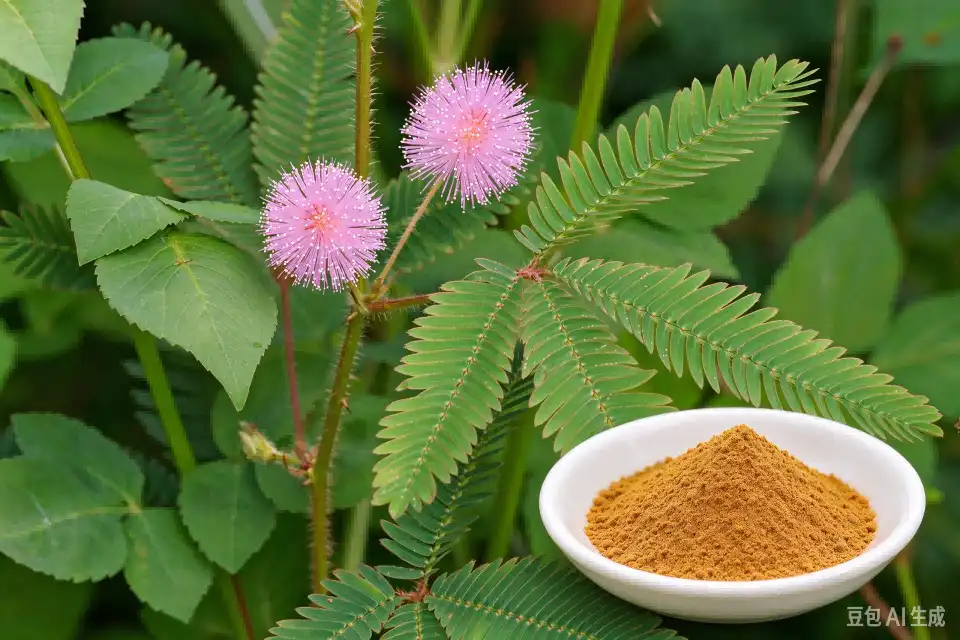
Sourcing high-quality Mimosa Pudica Powder in bulk requires partnering with suppliers who understand the complexities of international trade, botanical extract stability, and regulatory compliance. Procurement managers seeking dependable sources should prioritize manufacturers offering batch-level traceability, natural extraction methods, and comprehensive technical support. Established suppliers with proven expertise in herbal ingredient production—such as those maintaining GMP-certified facilities and offering rapid sampling services—provide the foundation for successful import and distribution partnerships across North American markets.

Criteria for Choosing Bulk Mimosa Pudica Powder Suppliers
Quality Metrics and Testing Standards
Reliable providers set themselves apart by following strict quality control rules. Specifications for purity should include thorough HPLC reports that confirm the ranges of active ingredients. Leading makers give batch-specific paperwork that shows the amount of alkaloids, microbe testing results, heavy metal analysis, and pesticide residue screening. Products that are extracted with clean water or food-grade ethanol are safer than those that are extracted with chemical solvents. Buyers who care about quality should make sure that their sellers do more than just in-house testing. They should also make sure that the specs of the Mimosa Pudica Powder are checked by a third-party laboratory.
Another important quality factor is the ability to track products from where they were grown to where they are sold. Suppliers who work directly with controlled planting bases can guaranty the authenticity of botanical varieties and the best time to harvest, both of which have a direct effect on the concentrations of phytochemicals. This end-to-end control gets rid of the differences in raw materials that make formulations less consistent.
Essential Certifications and Compliance
Supplier approvals are an objective way to show that business standards have been met. ISO 9001 approval shows that quality management is organized, and GMP compliance shows that best practices for manufacturing are followed. Facilities should meet USP or EP standard requirements for providers that want to work with pharmaceuticals. Aside from self-certification, audits by reputable third parties add more credibility. Procurement managers should ask for up-to-date clearance papers and check with the organizations that issued them to make sure they are still valid.
Regulatory compliance includes more than just making things; it also includes having the right paperwork for foreign trade. Suppliers who know about FDA import rules, EU Novel Food rules, and international phytosanitary standards make it easier to clear customs and cut down on shipping delays.
Logistics and Supply Chain Reliability
Dependable services are what set good providers apart from great partners. When planning production schedules, lead time consistency is very important. Top-tier suppliers keep a good supply of standard products on hand and are also open to making custom formulations. Their shipping choices should be able to handle orders of all kinds, from small samples (which should be delivered within 3–5 business days) to full containers. Clear communication about work schedules, shipping times, and possible delays builds trust, which is important for relationships that last.
Pricing Structures and Commercial Terms
To be competitive, prices must strike a balance between being affordable and ensuring quality. Often, suspiciously low prices mean that the quality has been lowered, testing has not been done properly, or supply lines are not reliable. Clear pricing plans take into account different levels of quality, the number of orders, and the need for customization. Different suppliers have different minimum order amounts. Manufacturers who are pragmatic will take smaller trial orders from new customers and offer big discounts to those who have already worked with them. Payment terms that follow the rules of foreign trade, like letters of credit or T/T arrangements, keep everyone safe and make deals go smoothly.
Comparing Bulk Suppliers and Product Forms for Optimal Procurement
Product Format Considerations
For business-to-business buyers, bulk Mimosa Pudica Powder is clearly better than finished capsules or liquid extracts. The powder form gives formulators the most freedom to make their own mixes, change doses, and add ingredients to a wide range of delivery methods, such as tablets, drinks, topical creams, and even animal feeding products. It is much more cost-effective to buy concentrated powder instead of pre-encapsulated goods, especially for companies that have their own encapsulating lines.
Buyers should check the mesh size specs to make sure they work with the machines they use to make things. Free-flowing properties keep computerized systems from getting clogged, and uniform particle distribution helps with smooth mixing. Suppliers who offer different types of powder, from standard extracts to concentrated ratios, make it possible to precisely control the formulation.
Organic Versus Conventional Options
The level of certification has a big effect on both how the market is positioned and how much things cost. Organic-certified products cost more, but they can reach high-value markets that are becoming more and more health-conscious. The process of getting certified checks the growing methods, processing methods, and dealing methods used throughout the supply chain. Even tho it costs more, brands that want to sell in high-end stores or export markets with strict organic rules benefit from getting ingredients that are certified.
Conventional (non-organic) options work well in low-cost situations and are safe and effective as long as they come from a reliable supplier. Quality assurance tests are still very strict, no matter if the product is organic or not. Strategic buyers sometimes keep two sets of sources: organic ingredients for high-end products and regular grades for cheaper ones.
Evaluating Supplier Reputation
Customer feedback and suppliers that have been around for a long time can help you make decisions. Manufacturers that have been in business for decades show that they are stable and have a lot of experience. Testimonials from clients, especially European buyers of raw materials for health foods and cosmetics, show that the products work better in real life than what they say they do in ads. Suppliers that get constant praise for batch stability, biological activity, and technology responsiveness show that they can meet tough B2B needs.
Case studies shed light on the best ways to do things. One medium-sized supplement company teamed up with a plant expert who could provide unique extraction ratios and help in the application lab. The supplier's advice on how to improve the recipe helped the brand make a unique product that was quickly accepted by the market. Long-term distribution relationships that work well are based on this kind of teamwork, where suppliers act as technical partners instead of transactional vendors.
How to Navigate the Procurement Process for Bulk Mimosa Pudica Powder
Step-by-Step Ordering Guide
The process of buying starts with communicating clear specifications. Buyers should list the pure levels, extract ratios, organic certification needs, number limits, and shipping dates they need. By asking for samples, you can see how they work before committing to large quantities of production. Reliable suppliers offer samples for free or at a small cost, along with analytical documentation.
While negotiating, make sure you understand all of the business terms, such as the length of time prices are valid, when payments are due, who is responsible for shipping (FOB, CIF, or DDP terms), and how to settle quality disputes. Written purchase agreements protect both parties by writing down details like requirements, delivery dates, and how the Mimosa Pudica Powder must be accepted.
Import Documentation and Regulatory Compliance
For international purchases, you need to keep very detailed records. Among the most important pieces of paper are commercial invoices, packing lists, bills of lading, certificates of analysis, phytosanitary certificates, and statements of origin. Importers in the United States must make sure that their sources provide proof that they follow FDA rules, including proof of GRAS status if needed. The type of ingredient decides whether a product needs a pre-market notice or an NDI submission.
Working with customs brokers who know how to bring in plant ingredients will help you avoid delays that cost a lot of money. These experts know how to deal with tariff classifications, duty calculations, and inspection rules. Building trust with customs officials by consistently and legally shipping goods makes it easier to ship things in the future.
Shipping and Lead Time Management
When choosing a transportation method, you have to weigh cost and time. Samples and pressing orders can be sent by air freight within days, but the cost per unit goes up. Sea freight is good for shipping large amounts of goods, but the travel time can be several weeks depending on the origin port. Smaller buyers can get the economics of ocean freight from suppliers who offer consolidated shipping choices, without having to commit to full containers.
Customs processing times depend on the place and the type of goods being sent. Adding extra time to production plans to account for checks that come up out of the blue keeps stock from running out. Accurate inventory planning depends on being in touch with sources ahead of time about when production will end and when the ship will leave port.
Risk Management and Quality Assurance
The integrity of the product depends on how it is stored and handled throughout the supply chain. Temperature-controlled shipping keeps heat-sensitive plant compounds safe, and moisture-barrier packaging keeps hygroscopic powders from breaking down. As soon as you get the goods, you should do verification testing by comparing them to the specifications written in the certificates of analysis. Setting up quality deals that spell out accepted levels of deviation and how to fix problems protects against deliveries that aren't up to par.
Having more than one qualified seller lowers the risk of being dependent on a single source. Dual-sourcing strategies make sure that bthe usiness keeps going even when primary suppliers have problems with production or can't meet demand. Regular source checks, which can be done virtually or in person, make sure that agreed-upon standards are still being met.
Leveraging Mimosa Pudica Powder in Your Product Line—Business Opportunities
Target Application Sectors
Botanical ingredients like those from the Mimosa Pudica Powder are used in a lot of different types of products. A big market for digestive health vitamins, with formulas that focus on traditional health support. Topical skin care products use ingredients that have been used for a long time to make soothing mixtures. This appeals to people who want natural cosmetic ingredients. Powdered herbs are used by beverage makers to make functional drinks that follow the latest trends in holistic health.
Formulation Development Support
Working together with suppliers on technical issues speeds up the launch of a successful product. Application laboratories that can test how well ingredients work in different types of media, like drinks, gummies, tablets, and skin care emulsions, can give very useful formulation advice. Stability studies tell us how long something will last in different storage situations, while solubility tests find the best ways to spread it out. Custom combining solutions with specific active amounts from suppliers allows for the creation of unique formulations that set brands apart in competitive markets.
Color and taste have a big effect on how well a product is accepted by consumers. When ingredients are removed naturally, they have pure colors that come from the natural features of the plants, not from artificial uniformity. Responsible sellers stress that the slight differences in color between batches are a sign of real plant-based materials, not fake ones that are all the same.
Marketing and Brand Positioning
Botanical products work best when customers know about them. Marketing plans should talk about where ingredients come from, how pure the extraction is, and the history of traditional use. When used in marketing materials, third-party certifications and proof of tests help people accept the product. Putting products on the market as natural solutions backed by science brings together traditional botanical knowledge and modern health expectations.
Partners in distribution help businesses reach more customers. Working with well-known stores, online shopping platforms, and practitioner networks can help your brand get seen faster. Suppliers who know how the market works can give advice on placing strategies and ways to set yourself apart from competitors that appeal to specific groups of people.
Competitive Advantage Through Supplier Partnerships
Strategic relationships with suppliers give you a long-term edge over your competitors. Partners who offer stable quality get rid of the costs of formulating changes that come with different ingredients. Production stops that hurt customer relationships can be avoided with reliable delivery schedules. Suppliers become strategic partners that help businesses grow when they offer technical support that goes beyond just providing ingredients. This support can include formulation optimization, legal advice, and market information.
Conclusion
To find mass Mimosa Pudica Powder to import and distribute, you need to carefully evaluate suppliers on quality, compliance, and relationship levels. The market for botanical ingredients is growing, which means that buying workers who find reliable suppliers now will have a lot of possibilities. Distributors can do well in the competitive nutraceutical and cosmetic markets by giving preference to sellers who can show full traceability, natural extraction methods, thorough testing routines, and quick technical support. Buyers can turn botanical ingredient sourcing into a strategic advantage that drives product innovation and market differentiation by understanding regulatory requirements, improving the procurement process, and using formulation expertise.
FAQ
What quality documentation should I expect from reputable suppliers?
Comprehensive suppliers give certificates of analysis for each batch that show the ranges of active ingredients using HPLC, as well as heavy metal screening, microbial contamination testing, pesticide residue analysis, and moisture content. Testing dates, lab certifications, and a clear list of the testing standards used should all be included in the documentation. Suppliers with ISO and GMP certifications show copies of their most recent certificates. Suppliers of organic goods show proof of their certification process from recognized organizations. By asking for these papers before you buy, you can avoid problems with quality and make sure that your finished goods meet all regulations.
How can I verify authentic Mimosa Pudica Powder versus adulterated products?
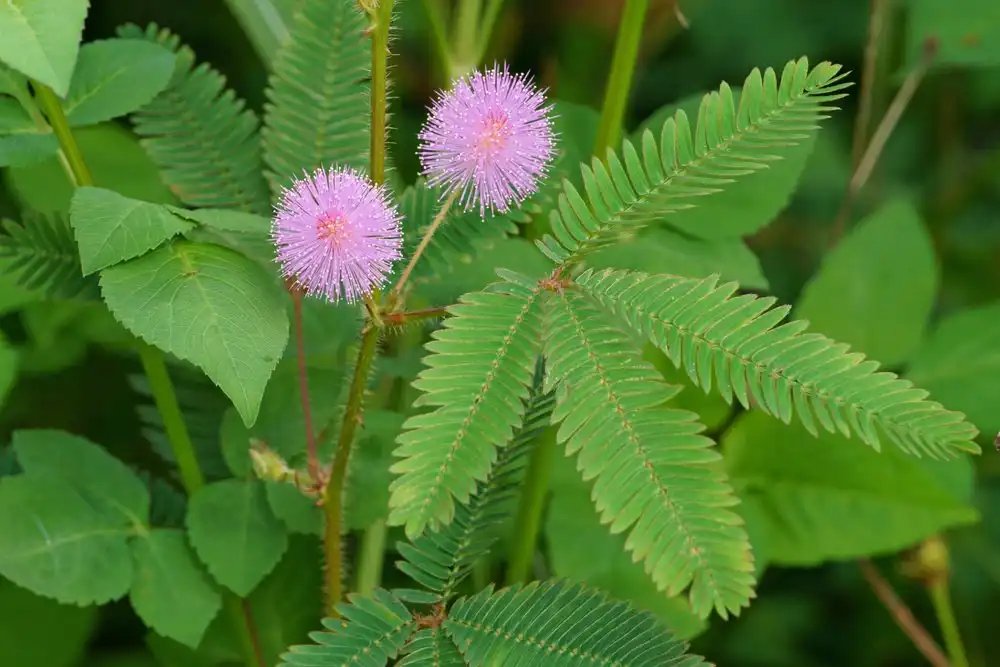
Verification of authenticity starts with suppliers being open about where the Mimosa Pudica Powder comes from and how it is extracted. Ask for specifics about the plant part used (root vs. aerial parts), where it came from, and when it was harvested. Manufacturers with a good reputation keep in touch with limited farming bases instead of buying from commodity markets. Third-party lab testing that compares received samples to well-known plant standards proves the species name and active compound profiles. When suppliers refuse to give you information about where the materials came from or proof of testing, you should be wary. Having ties with well-known makers who have been in business for a long time lowers the risk of adulteration.
What are typical minimum order quantities for bulk botanical powders?
Minimum order amounts are very different depending on the seller and the type of product. Sample orders of 1 to 5 kilograms are often accepted by well-known manufacturers at the start so that the product can be evaluated. Standard production runs usually start at 25 to 100 kilograms, and when bigger numbers are reached, better prices apply. Some suppliers let clients set their own minimum order quantities (MOQs) as long as they agree to make regular purchases. Talking about your exact number projections and growth plans with potential providers during the first meetings can help you find ones whose minimum requirements match your business's size.
Partner with KH for Premium Mimosa Pudica Powder Supply
KH (Kingherbs Limited) has been working with botanical ingredients for almost 30 years and can help buying managers find reliable Mimosa Pudica Powder sources. Our vertically integrated operations make it possible to track products from their certified planting bases all the way to their final packaging. This ensures batch consistency, which is important for the success of formulations. We only use pure water and food-grade ethanol for extraction, which makes powders that are very pure in color and dissolve quickly. Each package comes with full analytical paperwork and thorough HPLC component spectra to support USP and EP compliance. For drinks, gummies, tablets, and skin care products, our application laboratory gives compounding advice, formula optimization, and stability testing. Our expert team works together to come up with solutions that meet your exact needs, whether you need standard specs or custom extraction ratios. We ship samples and stocked items within three to five business days, which helps with quick product development schedules. You can email our team at info@kingherbs.com to ask for samples, talk about your formulation needs, and find out how our wide range of plant ingredients and technical relationship approach can help your supply chain.
References
1. Singh, R., & Kumar, S. (2021). Phytochemical and Pharmacological Properties of Mimosa pudica: A Comprehensive Review. Journal of Medicinal Plants Studies, 9(2), 145-152.
2. Thompson, L. M. (2022). Global Botanical Extracts Market Analysis: Trends, Opportunities, and Regulatory Landscape 2022-2028. Natural Products Industry Report, International Trade Publications.
3. Anderson, K. P., & Williams, J. (2020). Quality Assurance in Herbal Ingredient Procurement: A Guide for Dietary Supplement Manufacturers. Nutraceutical Business Review, 15(4), 78-91.
4. European Food Safety Authority. (2021). Guidance on Safety Assessment of Botanical Preparations Intended for Use as Ingredients in Food Supplements. EFSA Journal, 19(3), 142-168.
5. Martinez, D. R. (2023). Supply Chain Management for Botanical Ingredients: Best Practices in International Procurement and Distribution. Journal of Herbal Commerce and Trade, 12(1), 34-49.
6. United States Pharmacopeial Convention. (2022). USP-NF General Chapter 563: Identification of Articles of Botanical Origin. USP 45-NF 40, Official Monographs and Standards.
Send Inquiry
Related Industry Knowledge
- How to Source Melissa Officinalis Extract from China?
- Why Is Angelica Officinalis Extract a Premium Herbal Ingredient?
- How Does Rose Hip Extract Powder Boost Collagen Production?
- What Industries Use Nettle Extract Powder the Most Today?
- Mango Leaf Extract Powder Market Trends: What to Expect?
- How Dill Seed Extract Supports Detox and Cleansing
- How Rhizoma Coptidis Powder Supports Digestive Balance
- Is Macleaya Cordata Extract an Effective Natural Pesticide?
- Is Valerian Root Extract Powder Safe for Everyday Use?
- How Lespedeza Capitata Extract Supports Renal Filtration?