_1762508637542.webp)
What Should You Check Before Buying Apple Extract Powder?
Aug 6, 2026
When sourcing Apple Extract Powder for commercial formulations, buyers must verify five critical elements: standardized active compound concentrations (polyphenols 30%-80%, procyanidin B2 levels), rigorous third-party certifications (ISO9001, FSSC22000, KOSHER, HALAL), clean extraction processes using only water or food-grade ethanol, complete batch-level traceability from orchard to final packaging, and supplier technical support capabilities beyond basic ingredient delivery. These checkpoints directly impact formulation consistency, regulatory compliance, and end-product efficacy across dietary supplements, functional foods, cosmetics, and pharmaceutical applications.
Understanding Apple Extract Powder: Definition and Key Attributes
What Defines Quality Apple Extract?
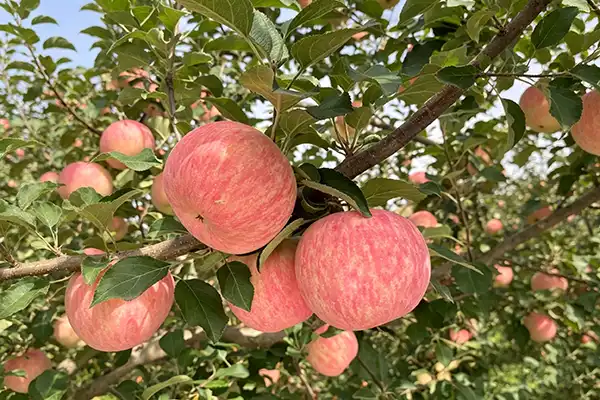
Apple Extract Powder is a concentrated plant-based ingredient that comes only from the fruit of the Malus Pumila Mill. tree. Manufacturers use advanced extraction techniques to turn fresh apple biomass into a fine reddish-brown powder that keeps the bioactive compounds of the fruit but doesn't become unstable when it comes to moisture. The process of concentration raises the polyphenol content well above the levels found in whole fruit. Standardized ratios, such as 4:1 or 10:1, show that four to ten kilograms of fresh apples can be turned into one kilogram of finished extract. This method of concentration solves the problem of seasonal supply and perishability in the industry by turning a fragile fresh good into an ingredient that can be kept properly and still be used for 24 months.
When extract powder is made correctly, it contains a lot of different types of compounds that are high in nutrients. These include polyphenols that range from 30% to 80% by weight, procyanidin B2 that ranges from 0.2% to 10% by weight, natural pectin fibers, and organic acids like malic acid. These parts work together to provide antioxidant protection (measured by ORAC values), circulatory support (through changing the way arteries work), and metabolic benefits related to controlling glucose levels. How well these molecules are made affects whether they stay bioavailable or break down during processing.
How Production Methods Impact Quality
The purity of the final product depends on the extraction method. The most important choice is the solvent: water extraction makes the label read better, but it also usually results in lower polyphenol amounts. Food-grade ethanol extraction, on the other hand, recovers more active compounds without leaving behind any harmful leftovers. Kingherbs Limited only uses pure water or food-grade ethanol systems. They don't use harsh chemical solvents like hexane or acetone because they leave behind leftovers that can be found and make safety ratings less reliable. This way of extracting the powder makes sure that it dissolves quickly when it is mixed into drinks, gummy bears, or pill mixtures.
Controlling the temperature during the separation and drying steps keeps heat-sensitive chemicals from breaking down. Spray-drying at controlled temperatures keeps the structures of procyanidins while achieving the fine particle size distribution needed for mixing evenly in commercial formulations. When companies try to save money by preparing foods at high temperatures, they destroy up to 40% of the bioactive polyphenols. This results in lower-quality goods that don't pass stability tests and have inconsistent batch performance. The final color profile, a fine reddish-brown look, shows the quality of the material; darker or faded colors mean that there was oxidation or a processing mistake.
Critical Comparison Factors Before Purchase
Distinguishing Extract Types and Their Applications
The market for botanical materials has a lot of apple-based goods that are very different in how they work and what they are made of. Apple juice powder is made by simply drying out pressed apple juice. It has a lot of natural sugar (often more than 60%) and not many polyphenols because it is filtered and heated. This means that juice powder can be used to add flavor, but it can't be used in health-related products that need to have documented bioactive content. During fermentation, apple cider vinegar powder loses most of its fruit polyphenols and gains more acetic acid. This means that it can be used for very different things in digestive health products.
Pure Apple Extract Powder that has been carefully extracted to a certain amount of polyphenols and procyanidins is the best for use in cosmetics and health products. To cut costs, some providers sell mixed goods that contain apple extract and carriers like maltodextrin or silica. This lowers the concentrations of the active compounds and adds more ingredients to the certificate of analysis. When making clean-label goods, procurement managers must specifically ask for pure extract specs without any additives. This must be confirmed through HPLC analysis showing real polyphenol content instead of vague claims of "apple extract."
Organic approval makes it easier to compare products in a new way. For USDA Organic or EU Organic certification, recorded orchard management methods, pesticide-free farming, and separate processing tools are needed. Even though organic versions cost more, they make it easier for brands that want to sell in natural stores and foreign markets with strict waste limits to get into those markets. Conventional production gives you more options for where to get your materials and costs less, so it's good for mass-market products where organic claims don't give you much of a competitive edge.
Evaluating Standardization and Specification Ranges
Standardization is the most important part of buying plants for industrial use. Generic "apple extract" that doesn't have specified polyphenol percentages leads to formulation uncertainty and batch-to-batch variability that makes it hard to make things. Professional suppliers give clear specifications: UV spectrophotometry checks the polyphenol content between 30% and 80%, and HPLC fingerprinting measures the procyanidin B2 content between 0.2% and 10%. These ranges let buying teams choose the right grade for each job. For example, 30% polyphenol grades are good for cost-effective functional food uses, while 80% amounts are better for high-end dietary supplements with dosage-related label claims.
Verification of the testing method is just as important as the numbers themselves. UV spectrophotometry can measure polyphenols in a broad sense, but it can't tell the difference between different types of compounds. On the other hand, HPLC (High-Performance Liquid Chromatography) can separate and measure specific compounds such as procyanidin B2, phloridzin, and chlorogenic acid. Suppliers who only do UV spectrophotometry testing might give false information about the total active content by counting non-bioactive phenolic compounds, either by accident or on purpose. Asking for HPLC chromatograms with retention times and peak identification makes sure that the analysis is accurate and lets you directly compare different providers.
Quality and Compliance Checks for Procurement Managers
Essential Certifications and Their Real-World Implications
Certification portfolios show how mature a business is and how well it can reach new markets. ISO9001 recognition shows that you have well-thought-out quality management systems that include checking the qualifications of suppliers, keeping an eye on production, and following corrective action methods. FSSC22000 adds to these standards by focusing on food safety by using HACCP guidelines and foundational programs that stop physical, chemical, and biological contamination. These basic certifications are the bare minimum that trustworthy suppliers must meet to get in.
Certifications for religious and dietary needs open up a lot of new market opportunities. Getting a KOSHER certification from a reputable organization lets you make new recipes for Jewish people who follow a strict diet and lets you sell your products through specialty stores. In the same way, HALAL approval meets the nutritional needs of Muslims and is especially useful for exporting to the Middle East and Southeast Asia. FDA registration means that a company is aware of U.S. regulations and is ready for inspections, but it does not mean that the product is approved. Suppliers who keep their licenses up to date across these categories show that they are committed to full compliance rather than just going after small market groups.
Having more than one license also shows that the business is financially stable and has grown. Keeping up with the yearly audits, paperwork systems, and building standards for five or more certification groups costs a lot of money that small suppliers can't afford. Instead of taking posted certificates, procurement managers should use issuing body databases to make sure that the certificates are real when looking at new sellers. This is because fake paperwork is still a problem in the industry.
Laboratory Testing Beyond Basic Specifications
Full analytical testing keeps a brand's reputation and regulatory standing safe. Professional sellers offer more than just checking for polyphenol and procyanidin content in Apple Extract Powder. They also test for heavy metals (like lead, arsenic, cadmium, and mercury), yeast/mold, E. coli, Salmonella, and allergens. These factors have a direct effect on the safety of the product and its ability to get through customs.
Heavy metal contamination is especially dangerous for botanical ingredients because plants take in and store soil contaminants as they grow. California Proposition 65 and the rules in the European Union set strict lead limits (usually between 0.5 and 1.0 ppm for plants) that need to be tested and recorded. When suppliers get their fruit from controlled farms with soil testing programs, they are proactively preventing infection instead of rejecting batches after they have been made.
Stability testing shows how long something will last in different storage conditions. Accelerated stability studies that put samples in high temperatures and high humidity for three to six months can predict how things will break down, which helps buying teams set up the right inventory rotation plans and storage needs. Suppliers who give stability data show that they are sure of how they process products and help customers avoid costly failures after being stored in a warehouse.
Sourcing and Cost Considerations in Bulk Purchasing
Selecting Manufacturers Versus Trading Companies
The structure of the supply chain has a big effect on costs, quality control, and expert help. Direct producers keep up with ties with suppliers of raw materials, run extraction equipment, and check quality at every stage of production. Because of this vertical integration, the extraction ratios, particle size distribution, and carrier choice can be changed to fit the needs of each application. For key accounts, manufacturers can reserve batches, make custom package designs, and give these accounts a priority production schedule.
Trading companies bring together goods from many different makers. This gives customers a wider range of options, but it also makes the supply chain less clear. Trading relationships can make buying easier by letting you get multiple ingredients from a single supplier, but they put you farther away from the actual production facilities and make it harder to get technical support. When problems arise with formulation, trading companies have to ask manufacturers about them instead of giving direct engineering support.
Since 1996, Kingherbs Limited has been a vertically integrated company, which means that it controls quality systems, growing partnerships, and extraction operations. This structure makes it possible to track the fruit all the way from the orchard to the final shipment. This solves the major problem of supply chain transparency that quality assurance managers are worried about. Because we can make both small trial orders and large commercial amounts, our R&D teams can test recipes with real production-grade material instead of specially made samples that are different from commercial batches.
Understanding MOQ Terms and Pricing Structures
Minimum order amounts are based on how much it costs to make something and how to handle inventory. Many botanical providers have minimum orders of 100 to 500 kilograms, which makes it hard for small brands and R&D teams that need trial amounts. This business practice forces early choices about scaling up before formulation optimisation and stability tests are finished, which raises the financial risk for new brands.
Progressive suppliers know that a trial order today could turn into a business relationship tomorrow. Kingherbs Limited lets product makers test performance across multiple test runs before committing to 25-kilogram drum purchases. They do this by offering sample quantities and small-kilogram trial orders that are not limited to commercial quantities. Small to medium-sized businesses can get around their lack of working capital with this flexible approach. It also helps them build long-term relationships based on product success rather than fake buy benchmarks.
Structures for wholesale prices for Apple Extract Powder usually include levels of volume, payment terms, and shipping plans. Spot pricing for single orders costs more than yearly contracts that agree to a certain amount of traffic and have quarterly call-offs. The way a package is delivered has a big effect on how much it costs to deliver. Courier services can deliver samples quickly (3–5 days), air freight can handle medium-sized shipments (7-14 days), and ocean freight can lower the cost per kilogram for container-load volumes (30–45 days). By looking at the total landed cost instead of the ex-works price, budgetary surprises can be avoided, and accurate product costing can be done while the formulation is being developed.
Making the Final Decision: Checklist Before Buying
Matching Specifications to Application Requirements
For different commercial uses, different specification objectives are needed. Dietary supplements with antioxidant claims need to have high polyphenol concentrations (60% to 80%) and documented ORAC values and procyanidin B2 quantification to back up the claims on the label. When used in cosmetics, solubility, particle size uniformity for a smooth texture, and protection against microbial contamination in emulsion systems are the most important factors. In functional food uses, bioactive content and flavor effect must be balanced. This is because higher polyphenol concentrations can make foods more bitter, which may need to be hidden.
Food-grade materials have to follow different rules than pharmaceutical-grade materials. The USP and EP standards set very strict limits on residual solvents, rules for cleanliness, and methods for analysis that go above and beyond food-grade standards. Even though these grades are more expensive, pharmaceutical and nutritional brands that want to show clinical proof should say that their products are compliant with EP or USP standards. This will help them with future regulatory reports.
Another important specification that is often ignored during the original procurement process is how well the product dissolves in water. Standard spray-dried extracts can dissolve partially in water and settle to the bottom of the bottle, which is fine for tablet and capsule uses where dissolution happens in gastric fluid. For clear drink mixes, micronized grades that are specially processed and have better solubility properties that stop clouding and settling are needed. This requires clear specifications during supplier qualification.
Building Long-Term Supplier Relationships
Strategic sourcing is more than just buying things; it also involves building partnerships. As opposed to just selling goods, suppliers who offer technical support services like formula consultation, access to application labs, and help with stability testing become valuable innovation partners. Kingherbs Limited has a fully stocked applications laboratory that helps with compounding, testing for compatibility in drink systems, gummy matrices, tablets, and skin care products, and planning stability studies. Customers can speed up product development with this technology infrastructure, and they can also avoid formulation mistakes that waste time and money.
Customization features set you apart from competitors. Forward-thinking brands don't just accept standard catalogue items; they ask for custom compounding solutions with specific polyphenol-to-procyanidin ratios, unique particle size distributions, or proprietary blends that combine apple extract with botanicals that work well together. These needs can be met by suppliers with research and development (R&D) capabilities and adaptable production systems. This lets them create unique formulations that competitors can't easily copy.
After recent world problems, supply chain stability has become an important thing to think about when buying things. Having suppliers with ready-to-ship goods, a variety of raw material sources, and flexible logistics networks helps keep things running smoothly when supplies run low. Kingherbs Limited can quickly ship regular orders from stock, which keeps cash flow from being affected and production from being held up by long wait times. This operating potential is especially useful when demand is high during the busy season and lead times from rival providers are extended to 60 to 90 days.
Conclusion
To buy Apple Extract Powder successfully, you need to carefully consider a lot of different factors. These include: standard active compound specifications checked by HPLC analysis; full certification portfolios that cover food safety and religious dietary needs; clear supply chain relationships with direct manufacturers who can offer technical support; and flexible payment terms that can accommodate both trial-scale and commercial-volume needs. The concentration ratio, polyphenol percentage, type of extraction fluid, and testing method all work together to show whether an extract performs the same way in different production runs. When purchasing managers take the time to qualify suppliers, ask for detailed analytical documentation, and build long-term relationships with technically skilled manufacturers, they can get better formulation results while lowering quality risks that could hurt the brand's reputation and its ability to follow regulations.
FAQ
1. Does having an organic label really affect the quality of apple extract?
Organic approval proves that crops and food are grown and processed without using pesticides, which has a direct effect on heavy metal and pesticide residue test results. Organic approval is very helpful for brands that want to sell in natural stores or in foreign markets with strict rules about residues. However, conventional production may be fine for mass-market uses. The certification raises the cost of raw materials by 15 to 30 percent, but it also opens up more premium distribution channels and backs up clean-label marketing claims that make health-conscious consumers choose a product. The quality of Apple Extract Powder is directly improved through these rigorous sourcing standards.
2. How can I be sure that the flavonoid level is correct from my suppliers?
Not just a summary of the UV spectrophotometry results; ask for full HPLC chromatograms that show the identification of each compound along with its retention time. You can look at the chromatogram profiles of batch samples and reference standards side by side. Verification can be done by independent third-party testing through qualified laboratories, but it costs more and takes more time. Reliable sellers, like Kingherbs Limited, include detailed certificates of analysis with every shipment. These certificates show how the products were tested and what the results were. This lets quality control teams compare the specs to their own internal standards.
3. What shelf life should I expect from properly stored extract powder?
Usually, food stays fresh for 24 months if it is kept in sealed containers at a controlled temperature (below 25°C) and low humidity (below 60% RH). When hygroscopic powder is exposed to damp conditions, it soaks up water, which makes it crystallise and speeds up the breakdown of polyphenols. Buying 25-kilogram drums instead of large bags is a better way to keep moisture out. Because opening things too often shortens their shelf life, moving large amounts to smaller working containers helps keep the quality of materials in busy production areas.
Partner with Kingherbs for Premium Apple Extract Powder Supply
Kingherbs Limited is your dedicated Apple Extract Powder manufacturer. They have 28 years of experience working with botanical ingredients, as well as advanced extraction technology and strict quality control systems. Our fully connected businesses allow us to track everything from the farms we work with to the finished powder. We only use pure water or food-grade ethanol for extraction, which ensures a clean color and quick dissolving. We keep our ISO9001, FSSC22000, KOSHER, HALAL, HACCP, and FDA certifications up to date, which gives your formulations the compliance base they need. Unlike commodity sellers, we have flexible MOQ terms that let us take sample and small-kilogram trial orders along with commercial 25-kilogram amounts. We also have ready stock that lets us deliver within 3–5 business days.
Our applications laboratory helps with formulation optimisation for dietary supplements, functional foods, cosmetics, and pharmaceuticals. This turns us from a supplier of ingredients into a technical partner. Custom compounding lets you get the exact polyphenol ratios and procyanidin concentrations you need to set your product apart. This is backed up by thorough HPLC analysis results and stability testing data. Email our team at info@kingherbs.com to talk about your particular needs, get technical specs, or set up a sample review. We don't just sell botanical ingredients; we also offer full solutions that solve your formulation problems and meet the needs of your supply chain.
References
1. Boyer, J., & Liu, R. H. (2004). Apple phytochemicals and their health benefits. Nutrition Journal, 3(5), 1-15.
2. Hyson, D. A. (2011). A comprehensive review of apples and apple components and their relationship to human health. Advances in Nutrition, 2(5), 408-420.
3. Kschonsek, J., Wolfram, T., Stöckl, A., & Böhm, V. (2018). Polyphenolic compounds analysis of old and new apple cultivars and contribution of polyphenolic profile to the in vitro antioxidant capacity. Antioxidants, 7(1), 20.
4. Osada, K., Suzuki, T., Kawakami, Y., Senda, M., Kasai, A., Sami, M., ... & Itakura, H. (2006). Dose-dependent hypocholesterolemic actions of dietary apple polyphenol in rats fed cholesterol. Lipids, 41(2), 133-139.
5. Francini, A., & Sebastiani, L. (2013). Phenolic compounds in apple (Malus x domestica Borkh.): compounds characterization and stability during postharvest and after processing. Antioxidants, 2(3), 181-193.
6. Bars-Cortina, D., Macià, A., Iglesias, I., Garanto, X., & Motilva, M. J. (2017). Phytochemical profiles of new red-fleshed apple varieties compared with traditional and new white-fleshed varieties. Journal of Agricultural and Food Chemistry, 65(8), 1684-1696.
Send Inquiry
Related Industry Knowledge
- About Astaxanthin for Skin Health and Revitalization
- Angelica Officinalis Extract Extraction Process Explained for Buyers
- How Fast Does Bitter Melon Extract Powder Deliver Benefits?
- Is Organic Nettle Extract Powder Better for Premium Products?
- How is Pure Artemisinin Powder extracted and standardized for purity?
- Ivy Extract Powder: Uses, Benefits, Safety & Quality Guide
- Can Cortex Phellodendri Powder Help with Skin Conditions?
- What Are the Main Uses of Macleaya Cordata Extract?
- Best Uses of Valerian Root Extract Powder in Supplements
- Vine Tea Extract Benefits: Science-Backed Health