_1762508637542.webp)
What Is Rice Bran Extract? Benefits, Uses, and Buying Guide
Sep 30, 2026
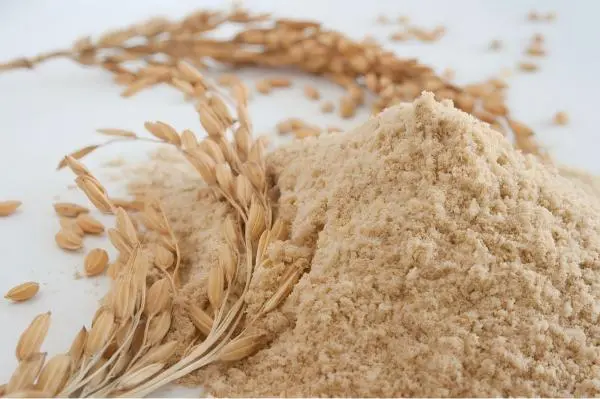
Rice bran extract is a concentrated botanical component that is derived from the outer layer of rice grains that are of the Oryza sativa L. species. Gamma-oryzanol, ferulic acid, tocotrienols, and rice ceramides are all supplied in the form of a fine powder that is a pale yellow colour. The concentrations of these various components are predetermined. Due to the fact that it possesses antioxidant characteristics, the capacity to preserve the skin barrier, and favourable effects on cardiovascular health, this ingredient is highly sought after by research and development directors, formulators, and procurement teams in the functional food, cosmetics, and dietary supplement industries. This book covers all of the relevant areas, such as composition, clinical function, and supplier selection criteria, so that you can make sure that your next decision on sourcing is based on reliable data.
What Is Rice Bran Extract?
Botanical Origin and Composition
Rice bran extract is made from the aleurone layer and germ of the rice plant Oryza sativa L., which has been grown for thousands of years throughout Asia. This nutrient-dense top layer is usually thrown away during normal rice grinding. The bioactive part is concentrated into a stable, fine powder by using ethanol or supercritical CO₂ extraction. The end result is a light yellow powder that contains chemicals like ferulic acid, phytosterols, gamma-oryzanol, and tocotrienols that are only found in small amounts in raw bran.
Standardized Specifications That Matter
The rice bran extract we sell at KH (Kingherbs Limited) comes in the following tested sizes:
- Ratio Extracts: 4:1 and 10:1 strengths
- Rice Ceramides: 1%, 3%, and 10% normal grades
- γ-Oryzanol: 97% to 102% pure
- Ferulic Acid: 98% pure ferulic acid
- Test Methods: We use UV and HPLC to test the product.
Before agreeing to buy large amounts, these specs give purchasing managers and quality assurance teams the batch-level confidence they need.
Why Clean Extraction Matters
No dangerous industrial solvents are used in our process; only pure water or drinkable ethanol is used. This keeps the natural color of the powder and preserves the stability of tocotrienols that are sensitive to heat. Clean extraction also backs up clean-label claims, which are something that more and more nutraceutical brands and makeup formulators are asking their raw material sources to do.
Health and Functional Benefits of Rice Bran Extract
Cardiovascular and Cholesterol Support
A study in the American Journal of Clinical Nutrition found that gamma-oryzanol from rice bran sources lowers the absorption of LDL cholesterol in the gut while keeping HDL levels the same. This makes rice bran extract look like a scientifically proven active ingredient instead of a cheap filler for supplement companies making heart-healthy softgels or functional food lines.
Antioxidant Protection at the Cellular Level
In order to combat free radicals and slow down the oxidation of lipids, tocotrienols and ferulic acid that is 98% pure function together. A study that was conducted in 2017 and published in the journal Food Chemistry demonstrated that ferulic acid is capable of significantly inhibiting oxidative chain reactions that occur in cellular membranes. When it comes to high-fat food mixes, such as snack sauces or cooking oils, rice bran extract is superior to mixed tocopherols. This is due to the fact that rice bran extract is better able to withstand heat and its antioxidant effects are more diverse.
Skin Barrier and Anti-Ageing Function
In makeup, rice ceramides from this product fix the stratum corneum by joining with lipid bilayers. This stops trans-epidermal water loss (TEWL) in skin barriers that aren't working well. Gamma-oryzanol and ferulic acid also stop tyrosinase from working, which lowers melanogenesis and treats inflammation-related hyperpigmentation. Because of these well-known effects, rice bran extract can be used as a legal ingredient in anti-ageing serums, barrier-repair creams, and UV-protective formulations.
Industrial and Supplement Uses of Rice Bran Extract
Dietary Supplements and Nutraceuticals
In order to assist with the regulation of cholesterol levels, the maintenance of metabolic health, and the provision of antioxidant support, the standardised gamma-oryzanol rice bran extract is formulated into softgels, capsules, and tablets. The fact that it is compatible with CoQ10, vitamin C, and plant sterols makes it an easy component to incorporate into cardiovascular stacks with other components. KH offers rice bran extract for sale in drums of 25 kilograms, complete with HPLC batch data. Due to this, it is helpful for both small-scale production as well as production on a big scale.
Cosmetics and Personal Care
Personal care formulators like ferulic acid as a co-antioxidant that keeps vitamin C and vitamin E stable in serums and rice ceramides for their ability to protect the skin. A lot of brands that are changing their recipes to avoid using artificial preservatives use rice bran extract to keep emulsions stable. It supports clean-label placement in the North American and European cosmetics markets because it is non-GMO, vegan, and gluten-free.
Functional Foods and Beverage Applications
More and more, rice bran extract is being added to functional foods like yoghurt, protein bars, and drinks with added nutrients. The extract is very stable in acidic food systems (pH 3.0–5.0), but for dairy matrices, microencapsulated forms are best to keep proteins from reacting with each other. The 4:1 and 10:1 ratio extracts let food technologists change the dose without changing the texture or taste.
How to Choose and Buy Rice Bran Extract: A B2B Buying Guide
It takes more than just looking at price sheets to find the right rice bran extract supplier. When you buy something, these are the main things you should look for to protect your recipe and supply chain:
- Standardized Active Content: Each batch must have an analysis report that has been checked by HPLC. If your application needs high-potency actives, you should only accept ferulic acid at 98% and gamma-oryzanol between 97% and 102%.
- Extraction Process Transparency: Ask directly if ethanol, water, or chemical solvents are used. Ethanol and supercritical CO₂ extraction keep bioactives that are sensitive and back clean-label claims. Solvent leftovers, on the other hand, can keep ingredients from being used in food and supplements.
- Certifications on Record: Check for ISO9001, FSSC22000, HACCP, FDA registration, KOSHER, and HALAL certifications for the U.S. market. You can't skip these; they decide if your product can legally be sold in stores and institutions.
- MOQ and Sample Policy: A reliable supplier of rice bran extract will give you samples and small test orders before you make a big purchase. With a commercial MOQ of 25 kg per drum, KH ships samples and small batches in 3–5 business days.
- Technical Support Availability: Having formulation support helps you make better choices about purchases. KH's application laboratory helps with mixing, tests for stability, and changes to the ratios of drinks, candies, tablets, and skincare products.
These criteria do more than just weed out bad suppliers; they also keep expensive changes from having to be made because of inconsistent raw material quality further down the line.
Top Rice Bran Extract Brands and Suppliers: Trusted Options for Global Buyers
KH (Kingherbs Limited) — Established Manufacturer Since 1996
Since 1996, KH has been making botanical and herbal ingredients and has become one of China's most well-known botanical manufacturers. The company is responsible for the quality of the ingredients, from the relationships at the planting base to the final extraction. They check the validity of the active ingredients at the source instead of just testing the materials that come in. Each shipment of rice bran extract comes with a full HPLC analysis report. This gives purchasing managers and quality assurance teams the proof they need to file with regulators and keep internal quality records.
Sourcing and Logistics Flexibility
KH ships to the US and around the world by express, air freight, and ocean freight. Shipping is quick when there is ready stock, and the 25 kg drum format fits with normal warehouse and production intake processes. If a brand has particular requirements, like ceramide ratios above 10% or certain gamma-oryzanol concentrations, KH's expert team can help with formulation advice and co-development.
OEM and Private Label Opportunities
In addition to its bulk extract supply, KH can also make final goods in the form of soft capsules for brands that want to stand out. This lets businesses that make food supplements and nutraceuticals go straight from getting ingredients to making finished dosage forms, without having to deal with multiple vendors.
Conclusion
Rice bran extract has been shown to improve cardiovascular health, protect against free radical damage, repair skin barriers, and stabilise food. It has a standard bioactive profile with gamma-oryzanol levels between 97% and 102%, ferulic acid levels between 98% and 102%, and ceramide levels between 1% and 10%. This makes it a technically rigorous ingredient for both formulators and procurement teams. Choosing a rice bran extract provider with clear extraction methods, testing at the batch level, and ongoing expert support lowers both formulation risk and supply chain uncertainty. It is increasingly clear that this ingredient is useful, so companies making supplements, cosmetics, and functional foods should continue investing in it.
FAQ
Does rice bran extract contain gluten?
Gluten is not found in rice by nature. Cross-contamination is a risk, though, when milling facilities are shared. Ask for a Certificate of Analysis with ELISA-tested gluten results below 20 ppm if the product claims to be safe for celiacs. KH's rice bran extract is made in a way that is approved by HACCP.
How does gamma-oryzanol compare to standard vitamin E?
Tocotrienols work as lipid-soluble antioxidants in cell membranes, and gamma-oryzanol stops the absorption of cholesterol in the gut. Since they work in different ways, they shouldn't be switched out for each other in circulatory or antioxidant preparations.
Is rice bran extract water-soluble for beverage applications?
Native grades are drawn to fats. To keep the phases from separating in clear drinks or functional waters, ask for forms that are nano-emulsified or cyclodextrin-encapsulated. The technical team at KH can help you figure out which grades will work best in your beverage system.
What is the recommended storage condition?
Keep away from direct light and moisture in a cool, dry place. When stored in a normal warehouse, sealed 25 kg drums stay stable.
Partner with KH for Your Rice Bran Extract Supply
KH has tested and approved rice bran extracts that range from ratio extracts to high-purity γ-Oryzanol 97%–102%. These products are backed by ISO9001, FSSC22000, KOSHER, HALAL, and FDA approvals. As a reliable company that makes rice bran extract, KH offers HPLC batch paperwork, quick sample shipping (within 3–5 business days), and help with unique formulations. To get a sample or a quote for your business, email our team at info@kingherbs.com or visit www.kingherbs.com right now.
References
1. Cicero, A. F. G., & Gaddi, A. (2001). Rice bran oil and gamma-oryzanol in the treatment of hyperlipoproteinaemias and other conditions. Phytotherapy Research.
2. Juliano, C., Cossu, M., Alamanni, M. C., & Piu, L. (2005). Antioxidant activity of gamma-oryzanol. International Journal of Pharmaceutics.
3. Graf, E. (1992). Antioxidant potential of ferulic acid. Free Radical Biology and Medicine.
4. Fang, N., Yu, S., & Badger, T. M. (2003). Characterisation of phytochemicals in rice bran. Journal of Agricultural and Food Chemistry.
5. Vissers, M. N., Zock, P. L., & Katan, M. B. (2000). Bioavailability and antioxidant effects of olive oil polyphenols in humans. European Journal of Clinical Nutrition.
6. Rogel-Castillo, C., & Rathjen, T. (2017). Ferulic acid antioxidant activity in food systems. Food Chemistry.
Send Inquiry
You may like