
What Is Couch Grass Rhizome Extract? A Buyer’s Guide
Nov 27, 2026
When you’re sourcing botanical ingredients for a supplement, food, or personal care line, you’ve certainly wondered what couch grass rhizome extract is and if it’s a good match for your formulation. This tutorial explains the solution in simple words. Couch grass rhizome extract (CGR) is obtained from cleaned and dried subterranean rhizomes of perennial grass Elymus repens that has been utilized in traditional herbal remedies for centuries. I’ll take you through the process of how it’s created, what criteria are important, which compounds determine quality, and how procurement teams may vet a supplier before placing an order. By the end of this, you will know what to ask for and what to avoid.
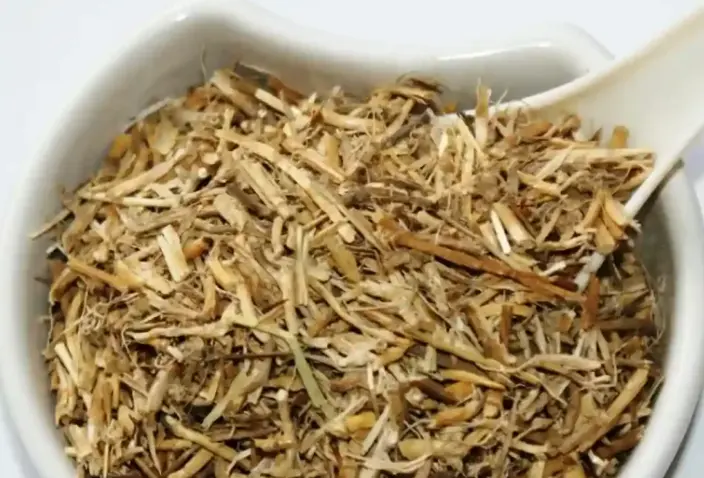
Quick Answer: Key Facts About Couch Grass Rhizome Extract
It’s not often that procurement teams get the opportunity to study a full technical report before a sourcing call. The most relevant information is given here in simple and unique replies.
- Couch Grass Rhizome Extract is prepared from the washed, dried underground rhizomes of Elymus repens (formerly Agropyron repens), not from the leaves, seeds, or whole plant. Buyers should check this plant-part claim on each Certificate of Analysis before accepting a shipment.
- The strength of an extract is determined by the solvent employed, the ratio of plant to extract, and the drying technique. Typical criteria for commercial goods are 2:1, 4:1, or 10:1. Some corporations have their own formulation labs and can create unique ratios.
- A standardized extract will define the marker chemicals and the permitted ranges’ numerical values. A non-standardized extract will only provide you a general ratio (e.g., 4:1); therefore, buyers expecting consistency across batches should ask for marker-compound data, not simply the ratio number.
- Traditional use in herbal medicine does not equate with a clinically proven health claim, and regulatory teams in the US, EU, and other markets should consider historical use data and clinical data as two separate types of evidence.
- Powdered couch grass rhizome extract is easily shipped, has a longer shelf life, and is ideal for use in capsules, tablets, and dry mixtures. Liquid extracts may be easier to use in certain beverage and tincture applications, but add to shipping weight and cost.
Before making an order, ensure you know the minimum order quantity, the lead time, the paperwork package, the packaging style, and whether the supplier’s certifications (ISO, HACCP, organic, Kosher, Halal) comply with the regulatory requirements of your target market.
These are the facts on which the rest of this book is built, and these are the facts that explain why and how every argument is made.
What Is Couch Grass Rhizome Extract and Where Does It Come From?
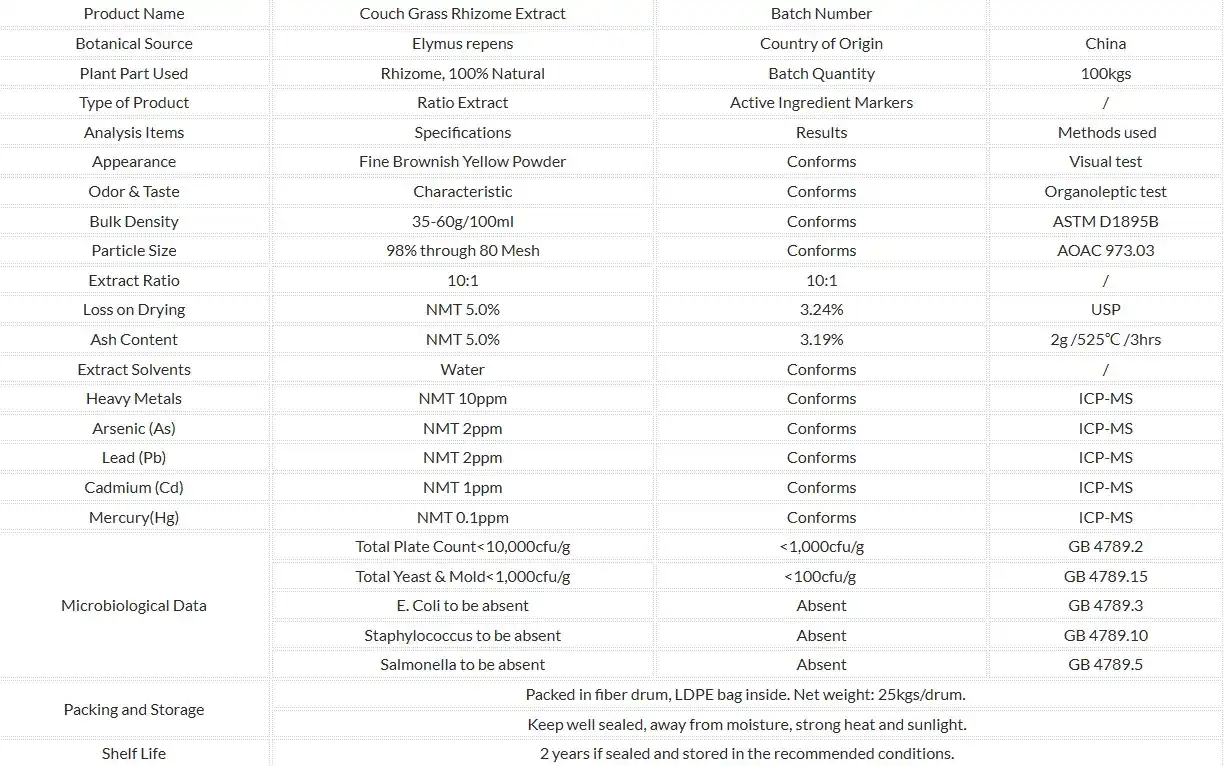
Product Name: Couch Grass Rhizome Extract
Botanical Source: Elymus repens
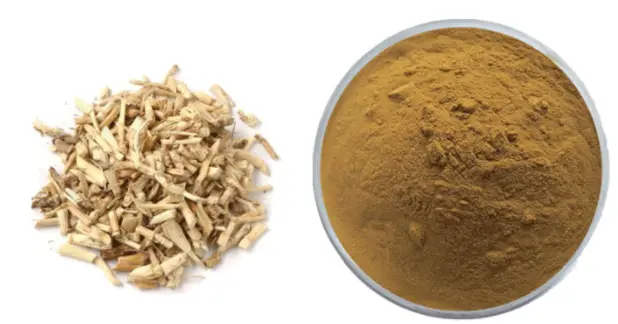
Appearance: Fine Brownish Yellow Powder
Plant Part Used: Rhizome
Specification: 2:1; 4:1; 10:1
Certifications: ISO9001, FSSC22000, KOSHER, HALAL, HACCP, FDA, ORGANIC(EU), ORGANIC(USDA)
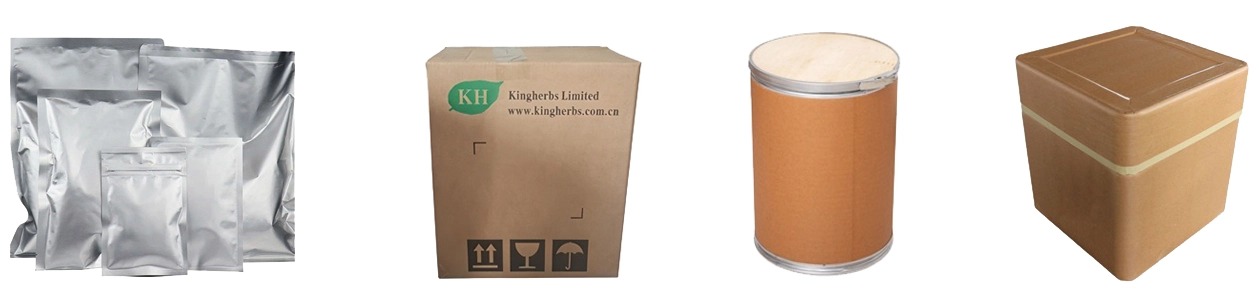
Packing Size: 25kg/drum
Transportation: Courier, Air, Ocean
MOQ: sample and small kgs trial order available, commercial order MOQ 25kg
Delivery: Ready stock, Prompt shipment
Botanical Identity, Plant Part, and Common Names
Its scientific name is Elymus repens (L.) Gould; however, many merchants and older pharmacopeial publications still use the synonym Agropyron repens (L.) P. Beauv. It is also known as quackgrass, creeping couch, couch grass root, and couchgrass. So why is this name uncertainty a problem for procurement? If an ingredient is labeled incorrectly, it may fail an identity check during incoming QC. The commercial ingredient should be declared as a rhizome extract and not as a leaf, stem, seed, or whole plant preparation, since only the rhizome part of the plant is recorded in the European herbal monographs (European Medicines Agency, 2011).
What Couch Grass Rhizome Extract Is and Is Not
Couch grass rhizome extract is a concentrated preparation made by extracting processed rhizomes with water, ethanol, or other permitted solvents and concentrating and drying the resulting product to a powder or liquid. This is not couch grass powder, which is just the plant ground up, with no extraction, and a far lower concentration of active compounds. Nor is it wheatgrass extract, which is produced from Triticum aestivum and has an entirely different chemical profile. If the buyer does not comprehend these expressions, they run the danger of obtaining the wrong raw material for a product that is reliant on extracted, concentrated actives.
Botanical Source and Raw-Material Controls
The last extract depends on where the rhizome is located. The amounts of polysaccharide and minerals vary according to soil conditions, time of harvest, and whether the plant is cultivated or wild-picked. I recommend asking suppliers for country of origin, crop status, organic certification status, and harvest date range. A supplier that can't answer these questions on the spot frequently can't provide batch-level traceability either, which adds downstream risk for regulatory filings and private label claims.
How Is Couch Grass Rhizome Extract Made? Extraction Methods Explained
Solvent Choice and Why It Matters
Commercial-grade couch grass rhizome extract is produced largely by pure water extraction and food-grade ethanol extraction. Both methods are free from the residual solvent problems of hexane and other industrial solvents. Generally, water extraction yields a final product with greater polysaccharide content, although ethanol extraction may concentrate certain flavonoid fractions better. There is no one approach that is “better.” It depends on the application you want — a water-soluble beverage powder or an alcohol based tincture.
Processing Steps From Rhizome to Powder
- The rhizomes are unearthed, the soil is washed off, and they are cut into smaller pieces so that more surface area is exposed for extraction. This phase also reduces the microbial load before the processing begins and reduces the drying time needed later in the process.
- The rhizomes are sliced and extracted in water or ethanol at a specified temperature. The soluble polysaccharides, flavonoids, and organic acids are removed from the plant material, leaving behind the fibrous material, which is filtered away.
- The liquid extract is concentrated under reduced pressure to remove excess solvent and spray-dried or vacuum-dried to a fine powder. This technique has an impact on the ultimate moisture content and shelf stability of the produced material.
- Each batch must be checked for identity, active substance, and microbiological screening before it leaves the facility, ensuring consumers have a documented trail from raw rhizome to the finished powder.
- Thus, two vendors supplying the “same” couch grass rhizome extract manufacturer ratio may produce powders that differ widely in solubility, color, and quantities of marker compounds.
What Specifications and Extract Ratios Should Buyers Check?
Understanding Extract Ratios
A ratio of 4:1 signifies that it takes four kilograms of raw rhizome to make one kilogram of final couch grass rhizome extract. This figure is a good starting point, but it does not mean that you have a certain quantity of active chemicals unless the provider additionally provides marker-compound data. For example, two 10:1 couch grass rhizome extract manufacturers from different vendors may include varying polysaccharide percentages due to differences in raw material quality, date of harvest, and processing methods.
| Extract Ratio | Typical Form | Common Use Case | Relative Potency |
|---|---|---|---|
| 2:1 | Powder or liquid | Broad-spectrum herbal blends | Lower concentration |
| 4:1 | Powder | Capsules, tablets, general supplements | Moderate concentration |
| 10:1 | Powder | Premium formulations, smaller dosing | Higher concentration |
Documentation to Request Before Ordering
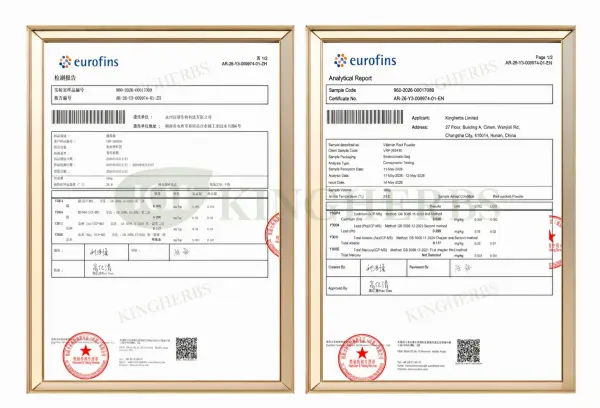
- A Certificate of Analysis for the individual batch being supplied (not a general specification document) demonstrating identification confirmation, appearance, moisture content, and any marker-compound findings connected to that specific lot number.
- HPLC (high-performance liquid chromatography) report showing the actual ingredient levels discovered in the batch, since this is the only method to guarantee that acouch grass rhizome extract manufacturer translates into a quantifiable, repeatable concentration of active substance.
- Heavy metal and pesticide residue testing results within the limits specified by USP or EP for botanical substances and microbiological testing including total plate count, yeast, mold, and relevant pathogens.
- A traceability note linking the final batch back to a harvest area and processing date, which is especially important for firms claiming organic or non-GMO claims on their own packaging.
- Buyers that want this paperwork up front avoid the usual dilemma of getting a product that fits the spec sheet on paper but fails internal testing when it shows up.
What Active Compounds Does Couch Grass Rhizome Extract Contain?
Key Compound Classes
Couch grass rhizome extract includes polysaccharides (including fructans such as triticin), flavonoids, and organic acids, with lower levels of mucilage and mineral salts such as potassium. These kinds of compounds explain why the rhizome has long been used in traditional medicines for comfort in the urinary and digestive realms. Most material supporting Agropyron repens is observational or traditional usage records, not big controlled human studies (National Center for Biotechnology Information, PubMed database). It is important to distinguish between historical use and demonstrated clinical results.
Marker Compounds for Quality Control
Couch grass does not have one single marker ingredient widely acknowledged, as do certain herbs. Many producers employ total polysaccharide content or particular flavonoid fractions as internal quality indicators. I usually suggest asking a supplier what marker chemical they test against and what the acceptability range is. A provider without a designated marker ingredient is dependent on the extract ratio alone, which, as discussed above, does not guarantee consistency across batches.
What Are the Applications and Benefits of Couch Grass Rhizome Extract?
Couch Grass Rhizome Extract [Couch Grass Rhizome Extract] is most often seen in formulas targeting the following areas. These are conventional use categories associated with the chemical classes in the rhizome, not separate claims for the drugs; therefore, the wording of the labeling should be vetted by a trained regulatory contact in your target market.
- Urinary tract comfort support: This extract has a long traditional history of relaxing the urinary system and promoting normal bladder and kidney function therefore is a typical inclusion to urinary wellness blends along with cranberry or D-mannose.
- General anti-irritant support: Traditionally used to help alleviate mild irritation in the urinary system and digestive lining, the couch grass rhizome extract manufacturer offers gentle support rather than therapy for a diagnosed ailment.
- Supports natural elimination: The extract is linked to aiding the body’s regular process of removing waste via the kidneys and urinary system, which fits in well with detox-positioned supplement lines.
- Digestive comfort: Some formulators include it in the mix to help keep digestion running smoothly and alleviate occasional bloating, sometimes together with other digestive-support botanicals in a blend rather than using it alone.
- mild diuretic-type support: The potassium content and conventional usage profile make this extract a mild support for fluid balance and renal function as part of a larger wellness formula.
- That is why this ingredient still stays on the radar of procurement teams at supplement brands, functional beverage firms, and even animal nutrition formulators, as these traditional application categories demonstrate.
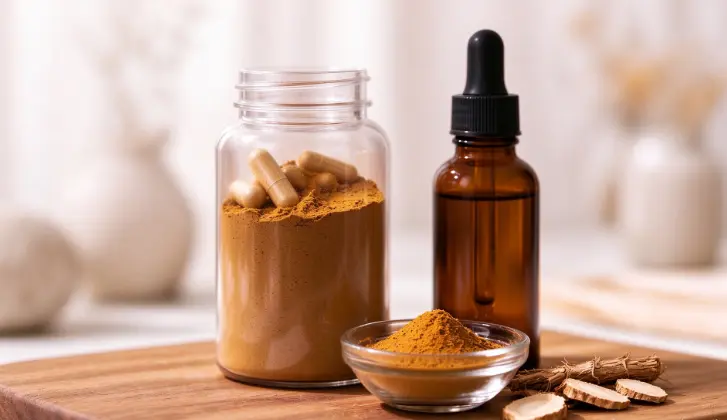
Powder or Liquid Extract: Which Format Fits Your Formulation?
Why Powder Extract Dominates Supplement Manufacturing
Powdered couch grass rhizome extract is normally a fine brownish-yellow powder, and is sent for less cost per active gram since it has no solvent weight. It has a longer shelf life, mixes well into capsule and tablet lines, and does better throughout temperature fluctuations during maritime freight. For contract producers using automated capsule or tablet equipment, powder is nearly always the practical go-to.
When Liquid Extract Makes Sense
Liquid extracts may ease the creation of tinctures, drops, or certain beverage bases, since the substance is already dissolved, avoiding a processing step. This means more weight to transport, in certain circumstances a lower shelf life, and a more limited variety of uses for the end product. Powder is the choice for most of the nutritional supplement and functional food companies I deal with unless the completed format dictates a liquid input.
How Do You Verify Quality, Safety, and Regulatory Compliance?
Certifications That Signal a Controlled Supply Chain
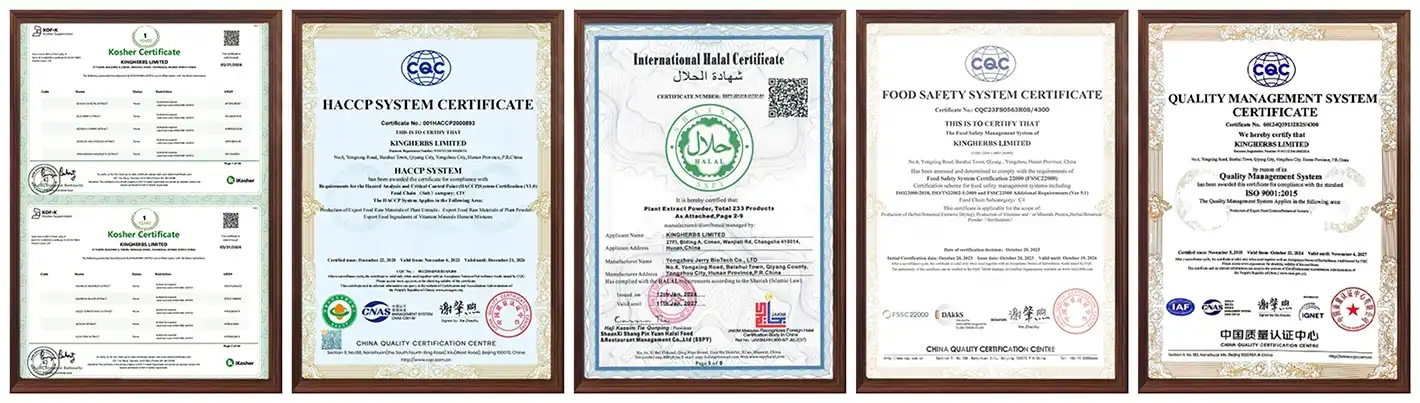
Look for suppliers with ISO 9001, FSSC 22000, and HACCP certification at the plant level, and Kosher and Halal certification if your completed product is going to those markets. If a brand is making organic claims, FDA-registered facilities and USDA or EU Organic certification are important. These certifications don’t guarantee that you will have a perfect batch every time, but they do indicate that there is a defined quality management system behind the goods.
Testing and Certificate of Analysis Review
- A typical quality issue procurement teams hear from foreign ingredient sourcing is a generic or outdated COA; therefore, make sure the Certificate of Analysis indicates the particular batch number corresponding to the physical shipment.
- Make that heavy metal results (lead, arsenic, cadmium, mercury) are below USP <232> or EP limits and that pesticide residue testing is included for the panel applicable to the import requirements of your target market.
- Botanical powders have a larger baseline microbial risk than refined chemical ingredients. Review microbiological data for total aerobic count, yeast and mold, and pathogen screening (e.g., Salmonella, E. coli).
- Ask whether the supplier preserves reference samples of each batch so that you may have it independently retested if a disagreement develops after the shipment has gone into production.
- Common Red Flags During Supplier Vetting
- If a supplier can’t generate a batch-specific COA in a few business days, or won’t name the extraction solvent, or can’t explain its extract ratio based on real marker-compound testing, it’s displaying early warning flags. In my experience of examining incoming supplier files, these three holes are the cause of most of the quality complaints that end up on the desk of a procurement manager.
What Real-World Use Cases Show Couch Grass Rhizome Extract in Action?
Dietary Supplement Capsule Lines
A typical mid-sized US supplement company producing a urinary wellness capsule line would combine a 4:1 couch grass rhizome extract with cranberry extract and D-mannose. The couch grass component gives traditional-use placement and a pleasant fiber-proximate texture that assists capsule fill uniformity throughout manufacturing runs.
Functional Beverage and Tea Blends
Functional beverage formulators may occasionally choose the lower-ratio 2:1 couch grass rhizome extractfor its moderate flavor profile and water solubility, and incorporate it into detox-positioned teas or ready-to-drink wellness shots where a strong herbal taste might damage consumer acceptability.
Animal Nutrition and Agricultural Inputs
The same classic digestive-comfort usage pattern found in human supplements has been studied by animal nutrition businesses for couch grass derivatives in horse and companion animal digestive support formulae; however, dose and regulatory mechanisms vary greatly across species.
Case Study: Fixing a Traceability Gap for a Supplement Brand
In 2024, after we sent three consecutive batches of couch grass rhizome extract with COAs including obsolete marker-compound ranges, a US-based contract manufacturer contacted our team. Their own QC has found an 18% rejection rate on inbound shipments over two quarters, delaying two product releases. We looked at their formulation aim and then gave them a 4:1 extract with batch-matched HPLC data and a reference sample retention policy. Their QC rejection rate for the following four shipments was under 3%, and their sample-to-production lead time was reduced from around 21 days to 9 days. The brand’s QA manager said the lab was able to remove one whole re-verification cycle every batch, or an estimated six to eight working hours per incoming shipment, due to a single recorded marker-compound range for all batches.
How to Choose a Reliable Couch Grass Rhizome Extract Supplier?
Questions to Ask Before You Commit
Before signing a purchase order, I would recommend that procurement teams ask the supplier directly about the extraction solvent, marker-compound testing, minimum order quantity for trial runs, standard lead time for both samples and commercial orders, and whether technical formulation support is included at no added cost. A supplier that will answer all five questions in writing, not simply orally on a sales call, is demonstrating the type of documentation discipline that saves difficulties down the road.
Why Buyers Choose Kingherbs for Couch Grass Rhizome Extract
Kingherbs Limited has been making botanical and herbal products since 1996 and supplies nutritional supplement, culinary, cosmetic, pharmaceutical, and animal nutrition companies across North America, Europe, and Asia. Our couch grass rhizome extract is a fine brownish-yellow powder prepared by extraction with clean water from the rhizomes of Elymus repens. It is supplied in ratios 2:1, 4:1, and 10:1. Each batch is accompanied by an HPLC analytical report. Our facility is ISO 9001, FSSC 22000, HACCP, Kosher, Halal, FDA, EU, and USDA Organic certified. We also have direct agreements with planting bases, which allow us to oversee the variety selection, soil quality, and harvest time, as opposed to collecting from unverified third parties.
Want to begin by placing a trial order? At KH, we provide samples and small-kilogram trial batches within 3-5 business days. The normal commercial minimum order size is 25kg per drum, so you may try the extract in your own recipe before purchasing a bigger number. info@kingherbs.com for a current Certificate of Analysis or for a formulation consultation for your unique use.
Conclusion
Couch grass rhizome extract is a traditional herbal ingredient from the dried rhizomes of Elymus repens. It is available as a powder or liquid and may be used in supplements, food, cosmetics, and animal nutrition. The extract ratio gives you half of the tale, but marker compound tests and batch-specific documentation tell you the rest. Buyers who examine botanical identification, solvent process, certification status, and Certificate of Analysis information before purchase prevent the quality issues that waste time and money later. Whether it’s a 2:1 mix for a beverage, or a 10:1 concentration for a capsule line, the sourcing inquiries are the same. Ask for evidence, not a product name.
FAQ
1. What is couch grass rhizome extract used for?
Couch grass rhizome extract is traditionally used in urinary tract comfort formulas, digestive support blends, and natural detox-positioned supplements. It is not an approved treatment for any diagnosed medical condition, so label claims should stay within structure-function language permitted in your target market.
2. Is couch grass rhizome extract the same as wheatgrass?
No. Couch grass comes from Elymus repens, while wheatgrass comes from Triticum aestivum. The two plants belong to different species within the grass family and carry different compound profiles, so they are not interchangeable in a formulation.
3. What extract ratio should I choose for a capsule supplement?
Most capsule and tablet manufacturers choose a 4:1 ratio for a balance between potency and cost per unit. Brands targeting a premium or lower-dose format often move to 10:1, while broad-spectrum blends sometimes use 2:1.
4. How do I verify the quality of a couch grass rhizome extract supplier?
Request a batch-specific Certificate of Analysis, an HPLC report showing marker-compound levels, and documentation of heavy metal and microbiological testing. Confirm the supplier's facility certifications (ISO, FSSC 22000, HACCP, Organic) match your market's regulatory needs before placing a commercial order.
5. Does couch grass rhizome extract have clinical proof behind its traditional uses?
Current literature on Agropyron repens leans heavily on traditional use records and smaller observational studies rather than large controlled clinical trials (National Center for Biotechnology Information, PubMed database). Brands should treat traditional use and clinical proof as separate categories in their marketing claims.
6. What is the typical lead time for ordering couch grass rhizome extract samples?
Sample and small trial-order lead times typically run three to five business days when the supplier holds ready stock, with commercial order lead times depending on the 25kg minimum order quantity and shipping method selected.
Ready to Source a Verified Couch Grass Rhizome Extract Supplier?
If your team needs a dependable couch grass rhizome extract manufacturer with batch-level documentation, flexible ratios, and fast sample turnaround, KH can help you move from inquiry to formulation testing without the usual back-and-forth. Our technical team supports beverage, gummy, tablet, and skincare applications with compounding advice and stability testing. Email info@kingherbs.com with your target specification, and we will send a sample quote along with the current Certificate of Analysis.
References
1. European Medicines Agency, Committee on Herbal Medicinal Products (HMPC). "Community Herbal Monograph on Elytrigia repens (L.) Desv. ex Nevski (Agropyron repens (L.) P. Beauv.), Rhizoma." 2011. https://www.ema.europa.eu/en/documents/herbal-monograph/final-community-herbal-monograph-elytrigia-repens-l-desv-ex-nevski-agropyron-repens-l-p-beauv_en
2. USDA Natural Resources Conservation Service. "Elymus repens (L.) Gould, PLANTS Database Profile." https://plants.usda.gov/home/plantProfile?symbol=ELRE4
3. CABI. "Elytrigia repens (Couch Grass), Invasive Species Compendium Datasheet." 2021. https://www.cabi.org/isc/datasheet/21821
4. National Center for Biotechnology Information. "Agropyron repens Pharmacological Studies, PubMed Database." https://pubmed.ncbi.nlm.nih.gov/?term=Agropyron+repens
5. United States Pharmacopeia. "Botanical Ingredient Quality Standards and General Chapters." 2024. https://www.usp.org/health-quality-safety/botanicals
6. U.S. Food and Drug Administration. "Dietary Supplement Labeling Guide." https://www.fda.gov/food/dietary-supplements
About the Author
Cathy is a Manager at Kingherbs Limited, where she works directly with supplement brands, contract manufacturers, and ingredient buyers on botanical extract sourcing and specification review. She has spent years helping procurement and QA teams interpret Certificates of Analysis, extract ratios, and compliance documentation for herbal raw materials used across North America, Europe, and Asia.
Send Inquiry
Related Industry Knowledge
- Vine Tea Extract Benefits: Is It Worth Adding to Your Routine?
- Mulberry Leaf Extract Powder: Benefits, Uses, and Quality Tips
- Bacopa Monnieri Extract Powder Buying Guide for Brands Apple Root Extract
- Can Wild Yam Extract Powder Support Women’s Wellness?
- Why Choose Centella Asiatica Extract Powder for Skincare?
- Angelica Officinalis Extract in Functional Food Applications
- Integrating Astaxanthin into a Balanced Diet: Recipes and Tips
- Clinical Insights: Couch Grass Rhizome Extract Uses
- Mango Leaf Extract Powder: Nature’s Antioxidant Powerhouse
- Boost Your Product Line with Premium Vine Tea Extract