_1762508637542.webp)
Why Choose Centella Asiatica Extract Powder for Skincare?
Sep 2, 2026
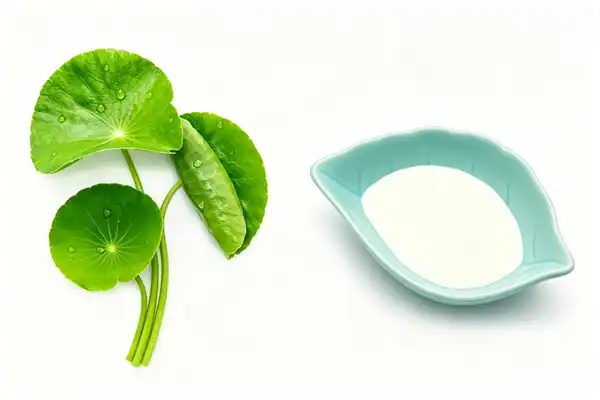
Centella Asiatica Extract Powder offers scientifically proven skincare advantages that meet key formulation issues for cosmetics makers and nutraceutical businesses. This standardised botanical ingredient is derived from the complete Centella Asiatica plant and is rich in bioactive triterpenes like madecassoside, asiaticoside, asiatic acid, and madecassic acid. Its purity is between 10% and 95%. These chemicals consistently and measurably enhance wound healing and collagen formation and have anti-inflammatory benefits. This ingredient will provide procurement managers with access to scientifically established actives, with batch-level documentation, alleviating the industry pain point of inconsistency around botanical ingredients, while fulfilling rising consumer demand for effective, natural skincare solutions.
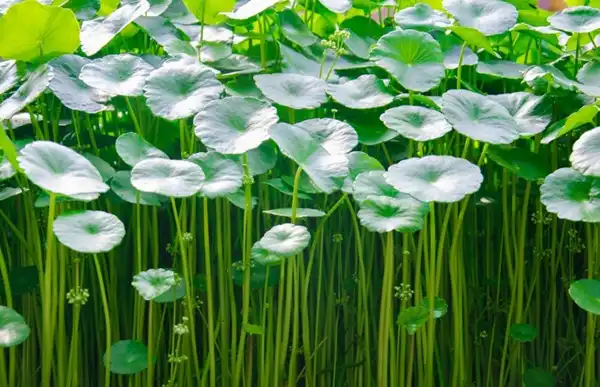
Core Skincare Benefits of Centella Asiatica Extract Powder
The healing power of this plant product comes from several ways it works, which have been backed up by studies in dermatology. Triterpene compounds have been shown in clinical studies to change inflammatory pathways, improve microcirculation in dermal tissue, and turn on genes that make extracellular matrix. These many-faceted effects have real benefits in many areas of skin care, meeting consumer needs for products for sensitive skin, anti-aging treatments, and recovery products after surgery.
Accelerated Wound Healing and Skin Repair
According to studies published in pharmaceutical journals, Centella Asiatica Extract Powder (asiaticoside) helps fibroblasts multiply and boosts the production of collagen types I and III at wound sites. This biological activity speeds up the healing process for cuts, scrapes, acne scars, and dark spots that appear after inflammation. Brands that are making therapeutic skin care lines for damaged skin barriers can get an edge over their competitors by using controlled products with proven active levels. The reaction that changes with concentration lets formulators find the best doses between 0.5% and 3% in finished goods, taking cost and effectiveness into account.
Anti-Inflammatory and Soothing Properties
Madecassoside has strong anti-inflammatory effects by stopping the production of pro-inflammatory cytokines, especially TNF-α and IL-1β. This mechanism explains why the ingredient works so well to calm down skin conditions like rosacea, eczema flare-ups, and sensitivity caused by stress in the environment. Compared to man-made choices like corticosteroids, this plant option is kinder and can be used for a longer time without any negative effects. Formulations for sensitive skin can use this ingredient because it can both lessen noticeable redness and make skin stronger against future discomfort.
Collagen Synthesis and Anti-Aging Effects
Collagen breakdown that happens with age is one reason why wrinkles and lack of firmness are obvious signs of old skin. Triterpenes from Centella Asiatica stop this process by increasing the production of procollagen and stopping the activity of matrix metalloproteinases (MMPs), which break down collagen structures that are already there. Because it does two things, this ingredient is useful in both anti-aging serums and overnight treatments. Combining this extract with additional actives like hyaluronic acid or peptide complexes gives formulators more options when making products for people with older skin. These actives work together to make the products work better overall.
How to Use Centella Asiatica Extract Powder in Skincare Formulations
With technical formulation knowledge, raw materials can be turned into products that are ready for the market and give customers a consistent experience. R&D teams can get the most out of this botanical's healing potential by learning about the best ways to incorporate it, how much to use, and how to keep the product's integrity over time by understanding stability issues.
Optimal Dosage Ranges and Efficacy Thresholds
Clinical efficacy studies set concentration standards that help with formulation choices. Doses that work well for relaxing and reducing inflammation are usually between 0.5% and 2% in finished goods. Anti-aging products that try to stimulate collagen may need higher amounts between 2% and 5%, especially if they are made with lower-quality types. High-purity TECA (Titrated Extract of Centella Asiatica) that is standardized to 95% total triterpenes lets formulators get medicinal amounts at lower inclusion rates. This lowers the cost of raw materials while still upholding the integrity of the label claim. Technical formulators should look at application data sheets from the supplier that include concentration suggestions for their product's purity grade.
Solubility and Formulation Compatibility
The Centella Asiatica Extract Powder form is clearly better than liquid oils or extracts, especially when it comes to controlling the concentration and making different formulations. Different types that are water-soluble and high in madecassoside work well in water-based systems, like toners and essences. Other types, called lipophilic TECA grades, dissolve easily in glycol phases and can be added to emulsions. When formulators work with cream or balm bases, they usually mix the powder into the hot water phase at temperatures below 75°C to keep the bioactivity. Before mixing the extract with other active ingredients, serum developers like to dissolve it first in propylene glycol or butylene glycol. This makes sure that the extract is spread evenly and doesn't become cloudy. The ingredient stays stable at pH levels between 4.5 and 7.0. It works with most systems for keeping cosmetics fresh and with other active ingredients like niacinamide, vitamin C derivatives, and alpha hydroxy acids.
Packaging and Storage Best Practices
To keep the potency of ingredients from the time they are manufactured until they are used in a product, storage conditions must be carefully monitored all along the supply chain. Because the powder absorbs water, it needs to be packed in a way that keeps it dry. It is usually sent in 25 kg fiber drums with two plastic inner bags. People who buy in bulk should keep their containers in climate-controlled warehouses where the temperature stays below 25°C and the relative humidity stays below 60%. Stability data in technical documentation show that properly stored material stays fully active for 24 months after it was made. There are different types of transportation, such as courier services for samples, air freight for pressing orders, and ocean shipping for big purchases. These types of transportation meet a range of logistical needs and keep product quality safe by monitoring temperature during travel.
Choosing the Right Centella Asiatica Extract Powder Supplier
Reliability in the supply chain has a direct effect on the uniformity of product quality, compliance with regulations, and, in the end, brand image. When purchasing managers look at possible suppliers, they need to consider more than just the price per unit. They also need to look at the suppliers' operational capabilities to ensure a successful long-term partnership.
Traceability Systems and Quality Control Infrastructure
Leading sellers use end-to-end tracking that starts with where the food comes from. Working with certified planting bases gives you more control over farming methods, such as choosing the right varieties, managing the soil's composition, and choosing the best time to harvest. This seed-to-powder control gets rid of the quality changes that happen a lot in commodity plant markets where raw materials go through many middlemen. When it comes to quality control, manufacturers who have their own testing labs with HPLC, GC-MS, and bacterial analysis tools can do it faster than those who hire outside testing companies. Ask for proof of batch-specific testing methods that include confirming identity, measuring active ingredients, checking for heavy metals, analyzing pesticide residues, and testing for bacterial limits. Suppliers who make Certificates of Analysis easy to access and are willing to give customers retention samples to check for quality show they care about quality.
Certification Portfolio and Regulatory Alignment
To get into global markets, you have to follow the rules set by regional governments. Suppliers with FSSC22000 certification meet international standards for food safety that can be used for nutraceutical products. GMP certification, on the other hand, shows that they can make pharmaceutical-grade products. KOSHER and HALAL certifications help brands that cater to certain groups of customers reach more customers. Even though ingredient suppliers are not formally needed to be registered with the FDA, doing so shows that they are willing to follow U.S. regulatory standards. When making products for European markets, procurement teams should make sure that suppliers know about the EU Cosmetics Regulation requirements, such as registering substances under REACH and following the lists of substances that are not allowed in Annex II. Suppliers who provide regulatory support documentation speed up the process of registering a product in target markets. This cuts down on the time it takes for new formulations to reach the market.
MOQ Flexibility and Sample Programs
During the development cycle of a product, small amounts must be tested first before large orders can be placed. To deal with this, progressive suppliers offer sample amounts and trial orders that are less than the usual 25 kg minimums. This method lets formulators try Centella Asiatica Extract Powder for stability, compatibility, and taste appeal without having to spend a lot of money up front. Once the formulation development is done successfully, business orders usually start at 25 kg amounts, with discounts for buying in bulk at 100 kg, 500 kg, and 1000 kg or more. Check how quick the supplier is when you ask for a sample. If you can get a sample within three to five business days from ready stock, that shows that the supplier is efficient and cares about customer service, which can extend to business ties.
Addressing Concerns: Safety, Side Effects, and Regulatory Compliance
Product safety is a must for brands that want to keep customers' trust and avoid costly refunds or steps from regulators. Even though the extract has a strong safety profile based on both traditional use and modern clinical studies, responsible manufacturers are still aware of possible issues.
Safety Profile and Contraindications
Numerous dermatological studies have shown that applying Centella extract to the skin is safe for people of all ages and skin types. The ingredient doesn't usually cause allergic reactions, but some people who are already allergic to plants in the Apiaceae family have reported contact sensitivity. If formulators are making products for sensitive skin, they might want to do repeat insult patch testing (RIPT) studies to back up their claims that their products are safe. Oral use as a food supplement has different issues that are outside the scope of this talk, but the difference makes labeling requirements clearer. Based on available safety data, pregnant and nursing women are not at risk for using the product topically. This means that the potential market is bigger.
Meeting FDA and International Standards
In the United States, cosmetic regulations overseen by the FDA require companies to make sure their products are safe, but they don't require pre-market approval. Ingredient suppliers that help with compliance give safety data sheets (SDS), allergen declarations, and proof that no banned substances are present. When brands make therapeutic claims, they need to be careful not to blur the line between drugs and cosmetics. They need to make sure that their marketing language doesn't cross into drug territory, which would require New Drug Applications. The European Union has tougher rules about cosmetics, such as requiring safety tests and naming a responsible person. Suppliers who know about these rules can help with regulatory issues by giving chemical data, exposure estimates, and paperwork that helps with making the CPSR (Cosmetic Product Safety Report). This technical partnership speeds up entry into the market while lowering the risks of noncompliance that could delay product launches or lead to orders to pull products from the market.
Conclusion
Successful skincare brands stand out in the global market by carefully choosing high-quality plant products. Centella Asiatica Extract Powder has benefits that have been proven by science. These benefits meet the needs of people who want natural, effective ways to deal with skin damage, sensitivity, and aging. To make the best purchasing decisions, brands have to weigh the standardization of active ingredients, the reliability of suppliers, regulatory compliance, and the availability of technical support. This helps brands make successful formulations and stand out in the market. Collagen-stimulating, anti-inflammatory, and wound-healing qualities have been proven, and the purity levels have been checked using HPLC. This provides the scientific basis for marketing claims and customer happiness. By looking at suppliers' licensing portfolios, traceability systems, MOQ flexibility, and technical know-how, you can make sure that the relationship fits with your long-term business goals.
FAQ
How does extract powder differ from raw Centella Asiatica leaf?
The amount of active compounds in raw botanical material changes based on the growing factors, harvest time, and plant growth. Standardized extract powder focuses on bioactive triterpenes in certain amounts that have been proven by HPLC tests. This gives consistent performance to formulations. During the extraction process, inert plant matter like cellulose and chlorophyll is removed. These parts of the plant don't have any therapeutic value and could change the color of the formulation or make it less stable.
What documentation verifies ingredient purity and authenticity?
Suppliers you can trust give you Certificates of Analysis that are special to each batch. These certificates show the amounts of active compounds, heavy metals, pesticide residues, and microbiological limits. Identity proof using thin-layer chromatography or spectroscopic methods, tracking of the production date and expiration date, and allergen declarations are some of the other documents that are needed to meet legal requirements.
Can this ingredient combine with other skincare actives?
Hyaluronic acid, niacinamide, peptides, and vitamin derivatives are just a few of the ingredients that work very well with the extract. When formulators mix strong acids (below pH 3) or high-concentration AHAs, they should test for stability. However, most common cosmetic formulations don't pose any compatibility issues. When used in membrane repair formulas, the plant works well with ceramides and cholesterol.
Partner with KH for Premium Centella Asiatica Extract Powder Supply
To make great skin care products, you need more than just good ingredients. You also need a business partner who cares about the success of your recipe. KH keeps ready-to-ship items in stock so that samples and standard orders can be delivered within 3–5 business days. This cuts down on development delays that make time-to-market longer. Our HPLC-verified extracts, which are measured from 10% to 95% total triterpenes, meet strict quality standards and come with full ISO9001, FSSC22000, KOSHER, HALAL, and FDA approvals. As a company that has been making Centella Asiatica Extract Powder since 1996, we offer more than just basic ingredient supply. We also offer expert formulation support, such as application laboratory services for stability testing and custom compounding solutions. Our MOQ structure is open enough to meet the needs of both research and development samples and large-scale commercial production. Our prices are clear because we work directly with growing bases. Get in touch with our technical team at info@kingherbs.com to get batch-specific Certificates of Analysis, talk about your formulation needs, and find out how our end-to-end traceability systems protect the quality of your brand's most important ingredient investments.
References
1. Bylka, W., Znajdek-Awiżeń, P., Studzińska-Sroka, E., & Brzezińska, M. (2013). Centella asiatica in cosmetology. Postępy Dermatologii i Alergologii, 30(1), 46-49.
2. Gohil, K. J., Patel, J. A., & Gajjar, A. K. (2010). Pharmacological Review on Centella asiatica: A Potential Herbal Cure-all. Indian Journal of Pharmaceutical Sciences, 72(5), 546-556.
3. James, J. T., & Dubery, I. A. (2009). Pentacyclic Triterpenoids from the Medicinal Herb, Centella asiatica. Molecules, 14(10), 3922-3941.
4. Bylka, W., Znajdek-Awiżeń, P., Studzińska-Sroka, E., Dańczak-Pazdrowska, A., & Brzezińska, M. (2014). Centella asiatica in dermatology: an overview. Phytotherapy Research, 28(9), 1117-1124.
5. Nasir, M. H., Abdulla, M. A., Nor, S. M., & Halim, K. H. A. (2011). Safety assessment of standardized methanol extract of Centella asiatica during pregnancy in Sprague-Dawley rats. Pharmaceutical Biology, 49(6), 654-658.
6. Brinkhaus, B., Lindner, M., Schuppan, D., & Hahn, E. G. (2000). Chemical, pharmacological, and clinical profile of the East Asian medical plant Centella asiatica. Phytomedicine, 7(5), 427-448.
Send Inquiry
Related Industry Knowledge
- Apple Extract Powder OEM Solutions for Supplement Brands
- Benefits of astaxanthin - nature's most powerful antioxidant
- How Fast Does Bitter Melon Extract Powder Deliver Benefits?
- How does Angelica extract support digestion?
- Passionflower Extract Powder: A Natural Way to Help with Stress & Sleep Support
- Why Is Apple Root Extract Gaining Popularity in 2026?
- Isatis Root Extract Active Compounds Explained
- Couch Grass Rhizome Extract Powder: Complete Buyer’s Guide
- Is Couch Grass Rhizome Extract Effective for Kidney Health?
- Why Japan Chooses China’s Purple Sweet Potato Natural Food Colorant?