
Top Uses of Centella Asiatica Extract Powder in Cosmetics
Oct 27, 2026
One of the most demanded botanical actives in the cosmetic composition of today is the centella asiatica extract powder of Centella asiatica. Centella asiatica L. (Gotu Kola or Cica) whole plant, high-grade white powder, delivers a rich profile of triterpene bioactives including madecassoside, asiaticoside, asiatic acid, and madecassic acid. Standardized to 10-95% (Madecassoside + Asiaticoside, HPLC validated), it provides formulators with consistent, batch-to-batch performance for serums, creams, post-procedure products, and hair care. First, B2B buyers and product developers need to know where and how this ingredient performs best to be able to make smart sourcing selections.
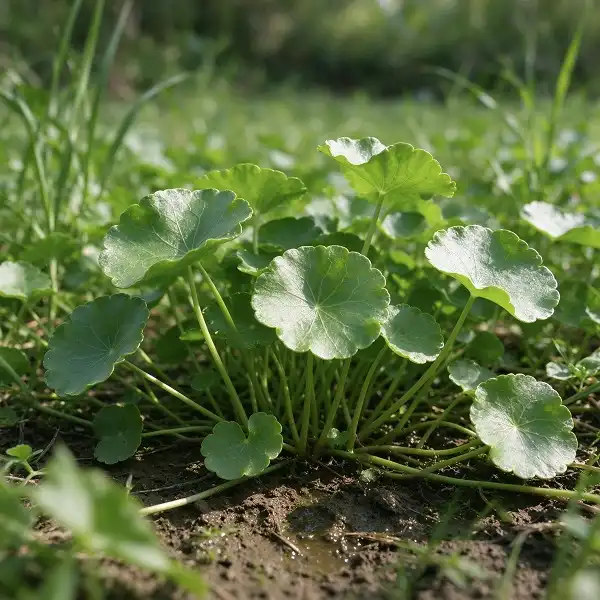
Understanding Centella Asiatica Extract Powder and Its Cosmetic Benefits
Prior to evaluating suppliers and determining formulation parameters, it helps to understand how Gotu Kola powder differs from raw plant material or liquid extracts.
What Is Special About the Powdered Form?
The amount of active triterpenes in fresh centella leaves varies according to the harvest season, the locality, and the treatment. This means no more guessing with the powdered extract. Bioactives are extracted in water or food-grade ethanol, then dried to a stable, free-flowing white powder. This delivers a specified potency, longer shelf life, and known solubility, which cannot be achieved with raw plant material at commercial scale.
The Key Bioactives and What They Do
All four of the main chemicals, madecassoside, asiaticoside, asiatic acid, and madecassic acid, have a function to play. Asiaticoside and madecassoside are glycosides that are water-soluble and increase the synthesis of Type I collagen and minimize transepidermal water loss (TEWL). Asiatic acid and madecassic acid are aglycones with significant anti-inflammatory effects, and have been proven in peer-reviewed research to reduce pro-inflammatory cytokines like IL-1β and TNF-α. Together, they tackle skin restoration, barrier function, and aging at the cellular level.
Why do formulators care for a standardized triterpene content?
The cica repair serum has to have. Standardized centella asiatica extract powder evaluated by HPLC and recorded at the batch level helps quality assurance teams get the evidence they need for label claims, regulatory filings, and stability studies. Efficacy without such conditions is anecdotal, not guaranteed.”
Top 5 Cosmetic Applications of Centella Asiatica Extract Powder
The demand for cica extract powder has grown over the last decade, in part because it may be employed in a broad range of product categories. It has consistently and reliably delivered results in five beauty areas.
- Anti-Aging Serums & Creams: Asiatic acid is considered to directly enhance the activity of fibroblasts to increase the density of Type I collagen and improve skin suppleness. Clinical studies have shown a substantial decrease in fine lines with topical treatment over an 8-12 week timeframe. The extract is often included by the formulator into water-phase emulsions or gel bases at 0.5-2% for mature or photo-damaged skin.
- Post-Procedure Wound & Recovery Products: The powder of Centella asiatica extract promotes re-epithelialization and decreases the visible recovery period in dermo-cosmetic treatments after laser resurfacing or chemical peels. Its triterpenes reduce inflammatory signaling without modifying the rheology of carrier emulsions, making it suitable for complicated post-procedural formulations.
- Products for Acne & Sensitive Skin: Madecassoside has both anti-inflammatory and antimicrobial qualities; thus, it may assist with two of the primary causes of acne — inflammatory response and bacterial growth. It may soothe redness and help prevent post-acne scarring, making it a suitable active ingredient for toners, spot treatments, and gel moisturizers for reactive skin types.
- Products that Reinforce the Skin Barrier: Gotu Kola extract has been shown to restore barrier function. It increases ceramide-associated proteins and reduces TEWL; therefore, treatments that claim to be for eczema-prone or impaired skin may provide actual structural support to the stratum corneum. It is a wonderful position for the extract in the ‘barrier cream’ and doctor-recommended product categories.
- Applications in Hair and Scalp Care: The triterpenes of Gotu Kola promote the activity of the hair follicles and increase the microcirculation of the scalp tissue. Formulators are jumping on the bandwagon of consumer demand for scalp-first hair health regimens and are using the powder in shampoos, scalp serums, and leave-on treatments for thinning hair and scalp irritation.
The 5 application categories cover the whole spectrum of the chemical's functionalities. These are tried-and-true approaches, not marketing promises, and that is important for sourcing teams looking for genuine product positioning.
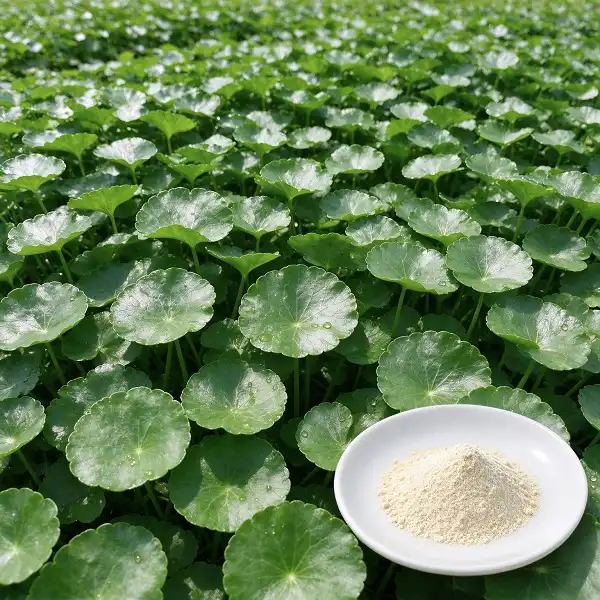
How to Effectively Formulate with Centella Asiatica Extract Powder
Understanding dosage and compatibility protects both product efficacy and formulation stability.
Recommended Usage Levels by Product Type
Normally, inclusion levels range from 0.1 to 2.0 % depending on the application. Post-treatment creams and targeted serums do well at 1.0%-2.0% Daily moisturizers and toners are 0.1%–0.5%. Scalp serums are normally 0.5%-1.0%. Above 2% does not contribute much in terms of effectiveness and may be creating solubility issues.
pH Range and Stability Considerations
The stability of Centella asiatica extract powder in the pH range of 4.5-6.5, which is the ideal pH range for the majority of skin-care products, was examined. It is not to be used with very alkaline chemicals and oxidizing agents, which may lead to deterioration of the triterpene content. • Addition of water phase at moderate temperature (<60oC) to preserve bioactivity. Production HPLC batch reports provide quick verification of active content.
Solubility and Compatibility
The powder is sparingly soluble in water and propylene glycol. This leads to greater homogeneity of the anhydrous systems when disseminated in a glycerin pre-mix before being added to the emulsion phase. It is compatible with niacinamide, hyaluronic acid, peptides, and most botanical co-actives, providing R&D teams ample opportunity to formulate without stability issues.
How to Source High-Quality Centella Asiatica Extract Powder
Ingredient quality is only as reliable as the supplier behind it.
Certifications That Matter for B2B Buyers
Seek providers who have ISO9001, FSSC22000, HACCP, KOSHER, HALAL, and FDA facility registration. The certifications are for documented controls of the process and not only for testing of product. HPLC CoA batch-level madecassoside and asiaticoside content for quality assurance teams’ regulatory filings.
MOQ, Sampling, and Lead Time
Flexible entry points reduce procurement risk. 4. Suppliers with sample amounts and small trial orders in kg enable the formulation teams to test the component for validation before going to commercial scale. We have them available and can dispatch them to you right away by courier, air, or ocean freight. MOQ 25kg/barrel (standard commercial MOQ). This allows for fast development cycles and high-volume manufacturing.
Traceability and Technical Support
Traceability from planting base to final powder is also important, in addition to certification. Suppliers that control the source of raw materials, i.e., variety selection, soil conditions, and harvest time, provide more consistent active content than those who acquire open market herb material. The gap between ingredient sourcing and final product launch involves technical assistance capabilities such as formulation guidance and stability testing.
Addressing Safety and Regulatory Compliance
In general, Gotu Kola extract is believed to be well tolerated for cosmetic treatments. Sensitization reactions are infrequent but have been reported in allergic patients to plants of the Apiaceae family. Final consumer products, particularly those for sensitive or injured skin, should still be patch tested. The chemical is used as a cosmetic active in the US market and does not need premarket authorization. However, label claims must conform to FDA cosmetic criteria. Compliance with EU Cosmetics Regulation (EC) No 1223/2009 for EU Markets. Procurement teams need to demand all the safety documents from suppliers, including analysis of heavy metals and residual solvent tests, to ensure responsible marketing of the product and help in dossier preparation.
Conclusion
The study is excellent, and applications are vast. Therefore, Centella asiatica extract powder deserves to be employed in significant cosmetic compositions. Its standardized triterpene content makes it a trustworthy, performance-based active for anti-aging and post-procedure recuperation, plus barrier repair and scalp health for formulators. The way forward for procurement and R&D teams is clear: choose a supplier with established quality systems, HPLC-documented batches, and the technical expertise to support your formulation work.
FAQ
1. Is centella asiatica extract powder more effective than fresh plant material in cosmetics?
Yes. The powdered extract delivers standardized concentrations of active triterpenes — typically 10%–95% combined madecassoside and asiaticoside — whereas fresh plant material provides inconsistent bioactive levels. The powder also offers a defined shelf life and predictable solubility, which are requirements for commercial cosmetic production.
2. Can this extract be combined with other botanical actives?
It combines well with niacinamide, hyaluronic acid, peptides, green tea extract, and allantoin without documented stability conflicts. This compatibility makes it practical for multi-active formulations targeting anti-aging or barrier repair.
3. How long does it take to see visible results in a skincare product?
Published studies report measurable improvements in collagen density and skin elasticity after 8–12 weeks of consistent topical use. Calming effects on redness and irritation are typically observed more quickly, within 1–3 weeks.
4. What extraction method is used in quality-grade powders?
Reputable manufacturers use pure water or food-grade ethanol extraction. These methods preserve bioactive integrity without leaving harmful solvent residues, an important compliance point for both EU and U.S. regulatory frameworks.
5. What is the shelf life of the powdered form?
When stored in a sealed container in a cool, dry environment below 25°C, Centella asiatica extract powder typically maintains full potency for 24 months. Batch CoA documents confirm initial active content at the time of shipment.
Request a Sample from KH — Trusted Centella Asiatica Extract Powder Supplier
KH (Kingherbs Limited) has supplied standardized botanical actives since 1996. Our centella asiatica extract powder is produced under ISO9001, FSSC22000, KOSHER, HALAL, HACCP, and FDA-registered conditions, with full HPLC batch documentation and water/ethanol extraction processes. We support sample orders, trial batches, and commercial supply at a 25 kg/drum MOQ. Contact our team directly at info@kingherbs.comto request specifications and pricing.
References
1. Bylka, W., Znajdek-Awiżeń, P., Studzińska-Sroka, E., & Brzezińska, M. (2013). Centella asiatica in cosmetology. Postępy Dermatologii i Alergologii, 2013.
2. Shukla, A., Rasik, A. M., Jain, G. K., Shankar, R., Kulshrestha, D. K., & Dhawan, B. N. (1999). In vitro and in vivo wound healing activity of asiaticoside isolated from Centella asiatica. Journal of Ethnopharmacology, 1999.
3. Hashim, P. (2011). Centella asiatica in food and beverage applications and its potential antioxidant and neuroprotective effect. International Food Research Journal, 2011.
4. Puttarak, P., Dilokthornsakul, P., Saokaew, S., & Dhippayom, T. (2017). Effects of Centella asiatica (L.) Urb. on cognitive function and mood-related outcomes. Scientific Reports, 2017.
5. Gohil, K. J., Patel, J. A., & Gajjar, A. K. (2010). Pharmacological review on Centella asiatica: A potential herbal cure-all. Indian Journal of Pharmaceutical Sciences, 2010.
6. Somboonwong, J., Kankaisre, M., Tantisira, B., & Tantisira, M. H. (2012). Wound healing activities of different extracts of Centella asiatica in incision and burn wound models. BMC Complementary and Alternative Medicine, 2012.
Send Inquiry
Related Industry Knowledge
- Is Avocado Refined Oil a Smart Choice for Your Diet?
- Why Choose ISO-Certified Cocoa Seed Extract Suppliers?
- Cocoa Seed Extract Wholesale for Global Supplement Brands
- Blueberry Extract Powder Price and Wholesale Buying Guide
- Angelica Officinalis Extract Benefits for Women’s Wellness
- Nettle Extract Powder: Nature’s Support for Prostate and Hormone Health
- How to Use Bacopa Monnieri Extract Powder Effectively?
- How Wild Yam Extract Powder Helps Maintain Body Balance
- Why Is Macleaya Cordata Extract Popular in Animal Nutrition?
- Can Olive Extract Powder Help Manage Blood Pressure Naturally?