_1762508637542.webp)
Cocoa Seed Extract Wholesale for Global Supplement Brands
Aug 5, 2026
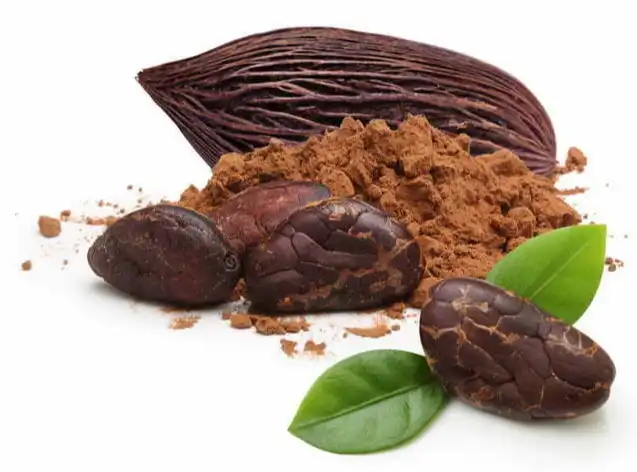
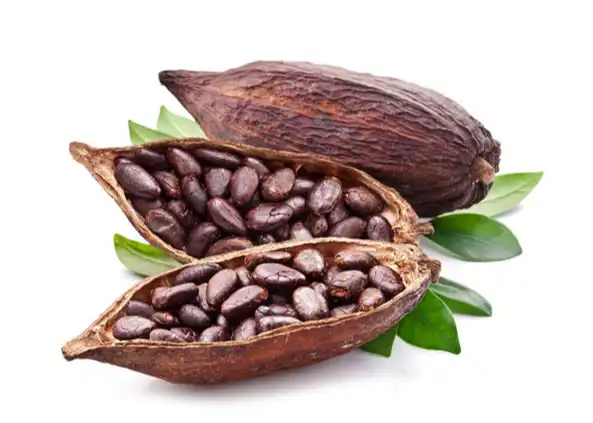
Sourcing premium cocoa seed extract for your supplement formulations requires understanding both the ingredient's therapeutic potential and the supply chain complexities that impact quality, consistency, and regulatory compliance. Cocoa extract comes from the seeds of the Theobroma cacao plant. It has a lot of antioxidants, theobromine, and flavonoids that are good for your heart, brain, and metabolism. There is more and more pressure on global supplement brands to offer scientifically proven, clean-label ingredients that appeal to health-conscious customers. Getting things in bulk takes more than just finding the best prices. You need to build relationships with suppliers who can help you make goods that stand out in a market that is getting more and more crowded. These suppliers should provide batch-level paperwork, natural extraction methods, and quick technical support.
Understanding Cocoa Seed Extract and Its Benefits for Supplement Brands
Theobroma cacao seeds are used to make cocoa seed extract, which is a pure plant ingredient. Its power comes from improved hydro-ethanol extraction. This method separates the most important bioactive compounds while keeping their therapeutic properties. The result is a fine brown powder that smells like cocoa and dissolves quickly in a variety of formulation matrices.
Origin and Extraction Methods That Preserve Bioactivity
How safe and useful the result is depends on how it was separated. Our hydro-ethanol extraction method gets rid of harmful chemical solvents while still getting epicatechin, catechin, and procyanidins out of the plant. The alkali process that is used to make cocoa powder kills up to 90% of the good flavanols. These natural steps make sure that the extract keeps all of its antioxidant power, which can be seen in tests that look for DPPH and nitric oxide. With theobromine levels ranging from 4% to 98% and flavonoid levels ranging from 10% to 40%, this makes a stable powder that can be used in different ways.
Key Bioactive Compounds and Their Therapeutic Roles
As the main flavanol in cocoa extract, epicatechin, procyanidin oligomers open up blood vessels by turning on the nitric oxide pathway and are also found in it. Along with theobromine, methylxanthines gently wake up the heart and lungs without making you feel jittery like coffee does. These chemicals work together to improve the performance of capillaries, lower signs of inflammation like C-reactive protein, and make insulin work better. If you take 200 to 500 mg of cocoa flavanols every day, it can help keep your blood pressure in a healthy range and make your brain work better by sending more blood to it.
Health Benefits Driving Market Demand
Cardiovascular wellness remains the primary application driver, as cocoa polyphenols inhibit ACE enzyme activity and promote vasodilation. Emerging research highlights neuroprotective mechanisms that support brain health during aging, making Cocoa Seed Extract valuable for cognitive support formulations. The ingredient's mood-modulating properties stem from compounds that influence neurotransmitter activity, offering natural stress management benefits. Anti-inflammatory effects position cocoa extract as a versatile functional ingredient across multiple supplement categories, from sports nutrition to healthy aging protocols.
Comparing Cocoa Seed Extract Products: Making Informed Decisions
Product choice affects how well a product works, how the government positions it, and how consumers see it. Knowing the differences between ingredients that come from cocoa helps procurement teams choose the right raw material for their needs.
Cocoa Seed Extract vs. Cocoa Powder and Cacao Nibs
Chocolate powder is made from ground, fat-free cocoa beans that don't have a lot of the same active chemicals. These are just cocoa beans that have been broken up. They are harder to package and dose because they have fats and fibres in them. Another type of cocoa seed extract is concentrated. This type has exact amounts of antioxidants and theobromine that have been shown by HPLC tests. In other words, the doses of medicines are always the same from one production run to the next. Extract types dissolve better in both water-based and lipid-based delivery ways. This makes it faster to make healthy drinks, pills, and tablets.
Organic vs. Conventional Extracts: Certification Value
Customers want foods that are free of chemicals and come from safe sources more and more, and organic approval meets that need. Pure extracts from controlled farming settings can be just as good, though, as long as sellers follow strict testing rules for heavy metals like cadmium, which builds up in cocoa plants that grow in volcanic soils. What makes a difference are systems that keep track of growing methods, crop times, and how the food was treated after harvest. All of these things can change how long flavonoids last, even if the food is organic.
Powder vs. Liquid Extract Forms
Powder extracts are used to make most supplements because they are stable, easy to work with, and work with equipment that makes capsules. They usually have less than 5% moisture and particles ranging in size from 100% to 80 mesh so that they blend evenly. Liquid extracts are useful for making drinks, but you need to be careful about the amount of alcohol in them, how they are stored, and how they are preserved. Most business-to-business buyers in the dietary supplement industry prefer powder forms because they can be used with a variety of delivery methods and have longer shelf lives when stored at room temperature.
Wholesale Procurement Essentials for Global Supplement Brands
You need to look at more than just the basic product specs that suppliers give you in order to set up reliable supply chains for Cocoa Seed Extract. It looks at how to improve operations, make partnerships more flexible, and make sure quality.
Supplier Certification and Quality Benchmarks
Manufacturers you can trust have ISO9001, FSSC22000, and GMP approvals, which show they have systems in place to keep the manufacturing process clean and under control. Getting approved by KOSHER and HALAL makes it easier for brands that serve certain groups of people to come into new markets. Getting registered with the FDA and following the HACCP rules shows that you care about food safety standards that meet the needs of the U.S. market. Ask possible business partners to show you their batch analysis certificates. These should include results from heavy metal tests, HPLC profiles of polyphenols, and microbe limits that meet USP and EP pharmacopoeia standards.
Pricing Structures and Volume Considerations
Cocoa Seed Extract pricing reflects multiple variables: raw material origin, extraction ratio, standardization level, and certification scope. Ratio extracts like 4:1 or 10:1 typically cost less than highly standardized polyphenol or theobromine concentrates due to processing complexity. Volume commitments influence unit pricing, with commercial orders starting at 25kg drums offering better economies than small trial quantities. However, leading suppliers accommodate sample requests and small-batch testing to support formulation development before full-scale production commitments.
Logistics and MOQ Flexibility
Standard packing in 25 kg fabric drums keeps the items safe and makes them easy to move. But some providers let you choose your own pack sizes to fit your production plans. For samples that need to be sent within three to five working days, you can use messenger services. For urgent restocking, you can use air freight, and for cheaper large sales, you can use ocean shipping. They all have different minimum order sizes, but the ones that really care about their customers will take trial orders as small as 1 kg to help with research and development. The commercial MOQ for regular production is 25 kg.
Why Trust Certified Cocoa Seed Extract Suppliers: Brand Credibility and Benefits
Picking a supplier is more than just getting things; it's also about making relationships that will last for a long time. If you find the right manufacturing partner, they will work with you to develop your product and help with technical issues. They will also keep the supply chain stable.
Characteristics of Reputable Manufacturers
Big buyers put money into relationships with controlled farms that make sure the quality of the raw materials stays the same from the time the seeds are picked until they are sold. They have well-equipped labs for research that can use HPLC to make detailed profiles of each component. This lets them do accurate checks from batch to batch. Quickly responding technical support teams can help with problems with recipes, stability tests, and regulatory paperwork. Kingherbs Limited has been making plant-based ingredients for more than 25 years. They keep a lot of stock on hand so they can ship quickly and offer application lab support to help people figure out the best way to combine ingredients for use in drinks, candy, pills, and skin care products.
Traceability and Transparency
From the base that is grown to the finished Cocoa Seed Extract, end-to-end tracking systems keep an eye on the whole process. You can now find out where the cocoa comes from, how it's handled, and where quality checks are carried out. People should be told ahead of time about any possible supply problems, changes in gathering that could affect phytochemical profiles, and changes to rules that could affect approvals. Being open makes buying things less risky and helps companies that use lean manufacturing methods better plan their stock.
Custom Formulation and Private Label Opportunities
There is a lot of competition in the supplement market, so new supplements often have special recipes with certain amounts of compounds or mixes of ingredients that work well together. You can get cocoa powder mixed with other plants, vitamins, or minerals from companies that have been in business for a long time. It is possible for new names to get their products on the market without having to buy expensive tools through private labelling. This is possible because the dosage forms are already made, like soft pills. When suppliers offer these useful services, they turn into important business partners who help you stick to your innovation plan.
Optimizing Your Supplement Line with Cocoa Seed Extract: Best Practices
To successfully integrate a product, you need to pay attention to formulation science, dosing procedures, and placement that is based on evidence. These things make sure that the product is safe and can be sold.
Dosage Guidelines and Safety Profiles
Clinical research supports daily cocoa flavanol intakes ranging from 200mg to 900mg for cardiovascular benefits, with most studies clustering around 500mg. Theobromine content should be considered for products intended for evening use, as methylxanthines can affect sleep patterns in sensitive individuals. Cocoa Seed Extract demonstrates excellent safety profiles with minimal side effects at recommended doses, though excessive intake may cause digestive discomfort due to fiber content. Formulation strategies should account for bioavailability enhancers like piperine or lipid matrices that improve polyphenol absorption.
Formulation Tips for Diverse Delivery Systems
It is easy for the extract to run and pack down, which is good for pill recipes. But pills with a lot of weight might need fillers like microcrystalline cellulose to keep them from capping. If you're making drink powder mixes, you should know that the extract is a little bitter. You can hide this by microencapsulating it or adding other flavours. Process temps around 120°C can break down polyphenols if vitamin C or mixed tocopherols are not used to protect them. This can make it hard to keep the temperature stable when making sweets. The best way to protect lipid-soluble fractions while keeping fast dissolution profiles is in soft capsule matrices.
Leveraging Clinical Evidence in Marketing
If a product claims to work and there is research that backs it up, people are more likely to believe it. Flavonols in cocoa have been shown to be good for the heart in many studies. The European Food Safety Authority (EFSA), for instance, has given the green light to certain health claims at certain dose levels. It makes the brand more trustworthy to put goods in a way that makes it clear how standardised they are and to mention relevant studies. You can be sure that the claims on the label are true if you have batch-specific certificates of analysis that show flavonoid content. This will also help your products stand out from others on the market that use chocolate materials that aren't uniform.
Conclusion
When big supplement companies buy a lot of Cocoa Seed Extract, they have to know a lot about the supplier's skills, the product requirements, and the form needs. A lot of different items can benefit from adding this protein because it is good for the heart, brain, and body. You need to work with makers that offer clear tracking, natural extraction methods, and technical know-how that goes beyond just giving you ingredients if you want to be successful. Put permits, open minimum order amounts, and quick contact at the top of your list. This will make sure that your supply chain can handle both current output needs and future innovation projects. As the need for clean-label products based on proof grows, cocoa extract is an ingredient that has been scientifically proven to be good for you.
FAQ
1. How does Cocoa Seed Extract differ from standard cocoa powder?
Standard cocoa powder undergoes defatting and often alkalization, which destroys 60-90% of beneficial flavanols. Cocoa Seed Extract concentrates these bioactive polyphenols through solvent-based extraction, delivering standardized, therapeutic doses. The extract offers superior solubility and potency compared to powder suspensions, making it ideal for precise dosing in supplement formulations.
2. What certifications should I verify when sourcing wholesale Cocoa Seed Extract?
Priority certifications include ISO9001 for quality management systems, FSSC22000 for food safety, and GMP for manufacturing practices. KOSHER and HALAL approvals expand market reach. Verify USP or EP compliance for pharmacopeia standards. Request batch-specific certificates of analysis showing HPLC verification of polyphenol content and heavy metal testing results.
3. Can Cocoa Seed Extract support cardiovascular health claims?
Yes, provided dosage meets regulatory thresholds. EFSA approves cardiovascular claims for products delivering 200mg cocoa flavanols daily. Clinical studies demonstrate that 500mg doses support healthy blood pressure through vasodilation mechanisms. Ensure your supplier provides standardized extracts with documented polyphenol levels to substantiate label claims.
Partner with KH for Premium Cocoa Seed Extract Supply
KH stands ready to support your formulation goals with pharmaceutical-grade Cocoa Seed Extract backed by comprehensive certifications and technical expertise. Our hydro-ethanol extraction process delivers polyphenol concentrations from 10% to 40% and theobromine standardization up to 98%, verified through HPLC analysis. We maintain ready stock for prompt shipment within 3-5 business days for samples and regular inventory, with flexible MOQs starting at small trial quantities. As an established cocoa seed extract manufacturer since 1996, we offer more than ingredients—our application laboratory provides compounding optimization, stability testing, and formulation support across capsules, tablets, beverages, and soft gels. Contact our team at info@kingherbs.com to request samples, discuss custom specifications, or explore how our end-to-end traceability and one-stop procurement services can strengthen your supplement portfolio.
References
1. Katz, D.L., Doughty, K., & Ali, A. (2011). "Cocoa and Chocolate in Human Health and Disease." Antioxidants & Redox Signaling, 15(10), 2779-2811.
2. Hooper, L., Kay, C., Abdelhamid, A., et al. (2012). "Effects of Chocolate, Cocoa, and Flavan-3-ols on Cardiovascular Health: A Systematic Review and Meta-Analysis of Randomized Trials." American Journal of Clinical Nutrition, 95(3), 740-751.
3. Scholey, A.B., French, S.J., Morris, P.J., et al. (2010). "Consumption of Cocoa Flavanols Results in Acute Improvements in Mood and Cognitive Performance During Sustained Mental Effort." Journal of Psychopharmacology, 24(10), 1505-1514.
4. Grassi, D., Desideri, G., Necozione, S., et al. (2008). "Blood Pressure is Reduced and Insulin Sensitivity Increased in Glucose-Intolerant, Hypertensive Subjects After 15 Days of Consuming High-Polyphenol Dark Chocolate." Journal of Nutrition, 138(9), 1671-1676.
5. Martín, M.A., Goya, L., & Ramos, S. (2013). "Potential for Preventive Effects of Cocoa and Cocoa Polyphenols in Cancer." Food and Chemical Toxicology, 56, 336-351.
6. European Food Safety Authority (EFSA). (2012). "Scientific Opinion on the Substantiation of a Health Claim Related to Cocoa Flavanols and Maintenance of Normal Endothelium-Dependent Vasodilation." EFSA Journal, 10(7), 2809.
Send Inquiry

Related Industry Knowledge
- Can Ivy Extract Powder Relieve Respiratory Congestion Fast?
- Passionflower Extract Powder for Insomnia: Is It Effective?
- Blueberry Extract vs Powder: Unveiling Health Benefits
- How Does White Willow Bark Extract Powder Help Reduce Inflammation?
- Ivy Extract Powder: A Traditional Medicine for Cough and Respiratory Health
- White Willow Bark Extract: Nature’s Salicylic Acid for Gentle Exfoliation
- Why Rhizoma Coptidis Powder Is a Natural Health Game-Changer
- Macleaya Cordata Extract in Modern Phytogenic Feed Additives
- Premium Couch Grass Rhizome Extract for Detox & Wellness
- Vine Tea Extract vs Other Herbal Antioxidants: What Sets It Apart?