_1762508637542.webp)
Rhizoma Coptidis Powder: Uses in Modern Herbal Applications
Sep 18, 2026
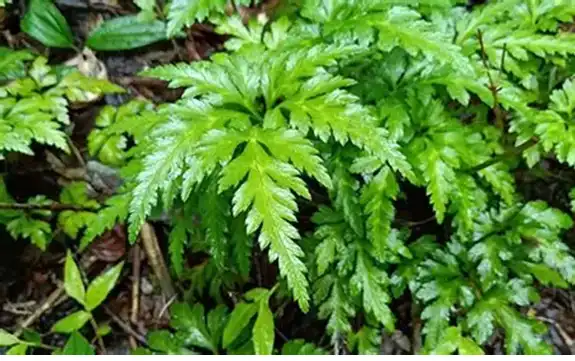
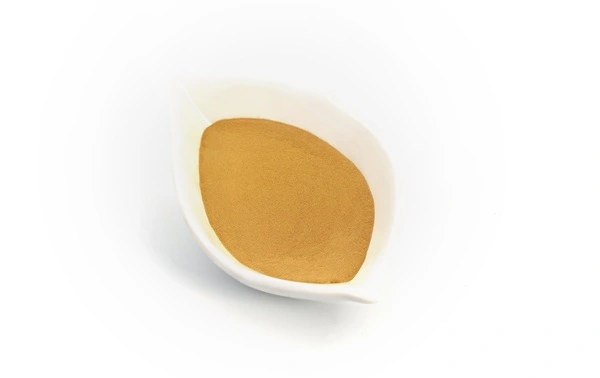
One of the botanical ingredients derived from the roots of Coptis chinensis, commonly known as Chinese Goldthread, is Rhizoma Coptidis Powder, a fine brown powder. This powder's popularity in contemporary herbal uses, such as cosmeceuticals and metabolic health supplements, is on the rise, thanks to its more than two thousand years of recorded usage in Traditional Chinese Medicine. Companies in the supplement, pharmaceutical, and functional food industries that are on the lookout for clinically relevant, traceable ingredients consider it a valuable raw material due to its concentrated profile of isoquinoline alkaloids, especially berberine.
Traditional vs. Modern Uses of Rhizoma Coptidis Powder
The classical name for this herb in Traditional Chinese Medicine is Huang Lian, and it has a long history of use in treating gastrointestinal issues and "heat-clearing" conditions. It first showed up in classic multi-herb remedies for fever, mouth ulcers, and dysentery. Clinical evidence on the control of gut microbiota and the healing of the mucosal barrier now closely follows these earlier suggestions.
The applicability map has been greatly widened by a recent study. Nowadays, you can find Rhizoma Coptidis Powder in a variety of products. It's used as a natural AMPK activator in blood glucose control formulations, as an antibiotic growth promoter (AGP) substitute in veterinary feed for weaned piglets and poultry, and as a target in dermatological serums for Propionibacterium acnes. Additional clinical legitimacy for berberine came from a 2019 meta-analysis published in Phytomedicine, which found that this botanical source was just as effective as metformin in short-term glycaemic management.
Procurement teams and R&D directors have a strong case for including this in modern product lines thanks to its two foundations: centuries of practical use and proof from peer reviews.
Comparing Rhizoma Coptidis Powder with Alternatives
Whole Powder vs. Isolated Berberine HCl
Whole Rhizoma Coptidis Powder vs. separated berberine hydrochloride is a crucial decision that procurement experts often face. For the results of the formulation, the difference is practically significant.
A more balanced pharmacokinetic profile and reduced chance of single-compound resistance are benefits of using whole powder, which supplies the whole alkaloid complex (cooptisine, palmatine, and berberine all functioning together). While the purity limits of isolated berberine HCl are higher, the full-spectrum material's natural synergy is lost.
How does Coptis chinensis Stacks Up Against Goldenseal?
By weight, berberine is typically 5-7% in Coptis chinensis and 2-4% in Goldenseal (Hydrastis canadensis). Because fewer kilos of raw material are needed to match label claims, industrial procurement scale benefits directly from this greater alkaloid density, leading to cost efficiency. In the case of very effective formulations, this distinction is crucial.
Quality assurance managers should ask for HPLC data broken down by batch, DNA barcoding to prove the species is real, and independent verification from recognised labs like SGS or Eurofins while they're assessing vendors. These measures prevent the use of inauthentic Berberis species, which are less expensive but look similar to real Coptis chinensis powder.
Procurement Guide for Rhizoma Coptidis Powder
More than just low prices are needed to source genuine botanical compounds that meet commercial scale specifications. Every procurement manager should make sure a supplier meets these basic quality and compliance standards before making a commitment:
- High-Performance Liquid Chromatography (HPLC) Alkaloid Assay: Verifies that the amounts of berberine, palmatine, and coptisine are in accordance with what is stated on the label; identifies counterfeit products containing less potent species.
- Heavy Metals (ICP-MS): Lead < 3.0 mg/kg, Cadmium < 0.5 mg/kg, Mercury < 0.1 mg/kg, and Arsenate < 1.0 mg/kg — necessary considering the features of root-to-soil accumulation.
- Screening for Pesticide Residues: Meeting EC 396/2005 and EPA tolerance criteria, covering 70+ organochlorine and organophosphorus chemicals.
- The microbiological control showed that there were fewer than 1,000 cfu/g of TPC, fewer than 100 cfu/g of Yeast & Mould, and no signs of Salmonella and E. coli.
- Systemic quality management, not merely spot compliance, is confirmed by certifications such as ISO9001, FSSC22000, KOSHER, HALAL, HACCP, and FDA registration.
Each of these standards checks that the Rhizoma Coptidis Powder that makes it into your supply chain satisfies the standards set by the United States, the European Union, and the most important Asian markets. The elimination of downstream formulation risk can be achieved by accepting batch paperwork at the time of purchase, instead of doing it retroactively.
Practical Usage Tips for B2B Clients
The formulators' approach to distribution format selection is influenced by the fact that raw Rhizoma Coptidis powder is nearly insoluble in water. To overcome the powder's extremely bitter flavour and its lack of solubility, it is encapsulated in enteric-coated or film-coated capsules. Using nano-emulsion processing, cosmeceutical topicals can be delivered dermally without berberine's yellow discolouration.
The powder shows stability at typical feed processing temperatures, which makes it a good alternative to AGP in veterinary and agricultural settings where current production lines don't need to be changed.
To store, place in fibre drums with double-lined polyethylene bags, keep at a temperature below 25°C, and shield from light. The stability of the alkaloid content under these settings allows for bulk purchase without deterioration in quality for a period of 24-36 months.
You can order a trial or sample before committing to a commercial MOQ, and the packaging is offered in a 25 kg/drum size. We have a variety of shipping options available, including courier, air, and ocean freight. Our inventory is always ready for quick distribution, usually within 3-5 business days.
Conclusion
Rhizoma Coptidis Powder occupies a distinctive position at the intersection of traditional herbalism and evidence-based nutraceutical science. Its alkaloid-rich profile supports a wide range of product categories — from metabolic health supplements and digestive wellness formulas to dermatological actives and veterinary feed additives. For procurement managers and R&D formulators, the key to unlocking its full value lies in sourcing from verified, certified suppliers who provide batch-level documentation and genuine technical support. When specification integrity is maintained from root to finished ingredient, this botanical delivers consistent, defensible performance across diverse applications.
FAQ
What is the recommended dosage of Rhizoma Coptidis Powder for digestive health formulations?
Typical therapeutic dosages in clinical literature range from 300 mg to 500 mg of berberine equivalent per serving, administered two to three times daily. Formulators working with standardized powder should calculate the dose based on confirmed berberine content per HPLC batch report, not nominal weight.
How does Coptis chinensis powder compare to conventional antibiotics?
It does not replace prescription antibiotics for acute infection management. However, its broad-spectrum antimicrobial activity against S. aureus and Shigella makes it valuable in preventive and adjunctive contexts, particularly in animal nutrition where AGP restrictions create demand for natural alternatives.
How can buyers verify purity before committing to a bulk purchase?
Request a Certificate of Analysis (CoA) with batch-specific HPLC data, third-party heavy metals testing, and species authenticity documentation via DNA barcoding. Reputable suppliers offer sample quantities prior to commercial MOQ, enabling independent lab verification before full commitment.
Is Rhizoma Coptidis Powder water-soluble?
Raw powder is largely insoluble in water. Hydro-alcoholic extracts or nano-suspension grades are recommended for liquid applications requiring homogeneity.
Source Your Rhizoma Coptidis Powder with Confidence — KH
KH (Kingherbs Limited) has supplied premium botanical ingredients since 1996, operating with end-to-end traceability from certified planting bases through to finished powder. Our Rhizoma Coptidis Powder meets ISO9001, FSSC22000, KOSHER, HALAL, HACCP, and FDA standards, with batch-level HPLC documentation provided as standard. Whether you need a trial sample or a scalable supply, as a qualified Rhizoma Coptidis Powder manufacturer and supplier, our team offers formulation consultation, custom specifications, and prompt shipment. Contact us at info@kingherbs.com or visit www.kingherbs.com to request your sample today.
References
1. Lan, J., et al. "Berberine: A Natural Plant Alkaloid with Therapeutic Potential." Phytomedicine, 2015.
2. Imenshahidi, M., & Hosseinzadeh, H. "Berberis Vulgaris and Berberine: An Update Review. "Phytotherapy Research, 2016.
3. Yin, J., et al. "Efficacy of Berberine in Patients with Type 2 Diabetes Mellitus." Metabolism, 2008.
4. Tillhon, M., et al. "Berberine: New Perspectives for Old Remedies." Biochemical Pharmacology, 2012.
5. Xie, J., et al. "Anti-inflammatory Effects of Berberine in Lipopolysaccharide-Stimulated Cells." Journal of Natural Products, 2017.
6. Chinese Pharmacopoeia Commission. Pharmacopoeia of the People's Republic of China (ChP 2020), People's Medical Publishing House, 2020.
Send Inquiry
_1779935763194.webp "Purple Sweet Potato Extract")
Related Industry Knowledge
- What Is Scutellaria Baicalensis Extract? Quality and Import Guide
- How to Choose a Top Yucca Extract Manufacturer for Global Supply?
- White Willow Bark - A Natural Pain Reliever and Modern Applications
- Ivy Extract Powder: A Traditional Medicine for Cough and Respiratory Health
- How does Rosehip Extract Powder compare to other herbal extracts?
- Astaxanthin in Sports Nutrition: The Natural Performance Upgrade
- How does Angelica extract support digestion?
- Can Valerian Root Extract Powder Help With Stress?
- How Is Watermelon Powder Processed for Max Potency?
- Macleaya Cordata Extract in Modern Herbal Formulas