_1762508637542.webp)
Is Eucalyptus Leaf Extract Effective for Scalp and Hair Care?
Sep 29, 2026
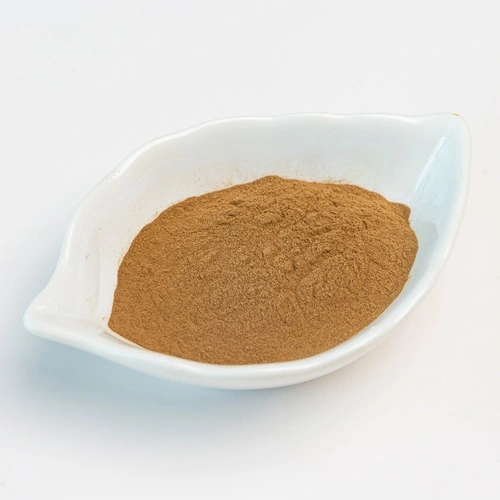
In terms of protecting the scalp and hair, eucalyptus leaf extract is undeniably beneficial. A fine, brownish-yellow powder, this botanical powder is made from the leaves of the Eucalyptus globulus Labill tree. It effectively addresses typical scalp issues with its combination of eucalyptol (1,8-cineole), flavonoids, polyphenols, and organic acids. The dandruff-causing Malassezia fungus has been demonstrated to be susceptible to this product's antibacterial characteristics. The product's anti-inflammatory characteristics also soothe delicate scalp tissue. Personally, I think it's one of the more adaptable and readily available natural actives that can be used in the creation of hair care products right now. The product is attractive due to its simple label and practical effectiveness.
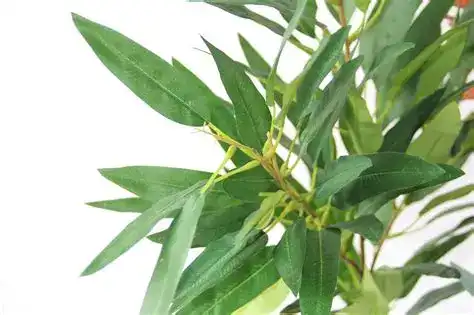
Understanding Eucalyptus Leaf Extract and Its Benefits for Hair and Scalp
What Makes This Botanical Extract Different from Essential Oil?
Although eucalyptus essential oil and eucalyptus leaf extract are frequently used in formulations, they are not chemically the same. Essential oils rich in volatile terpenes are produced by steam distillation. Polyphenols, tannins, flavonoids including quercetin and rutin, and eucalyptol that would normally evaporate are retained in eucalyptus leaf extract, which can be made with water or food-grade ethanol. Water-based hair care products will work better and offer more protection due to the wider array of phytochemicals.
Key Bioactives That Support Scalp Health
The extract of eucalyptus leaves contains a number of active ingredients, each of which has a good effect on the hair. Eucalyptol has antimicrobial properties and has a cooling effect on the body. Flavonoids are able to prevent the mechanisms of inflammation that are responsible for the redness of the hair. Tannins are a type of mild astringent that can assist in taking away excess sebum. In the current hair care market, dandruff, itching, and sensitive scalps are all major difficulties that need to be addressed, and together, they provide a solution to all of these problems.
Moisturising and Hair Growth Stimulation Effects
In addition to this, the extract helps to prevent the growth of bacteria while also moisturising the hair. There is less oxygen stress surrounding hair follicles when polyphenols are present. This is significant because it has the potential to delay the cycles of hair growth. Chemicals produced from plants were shown to stimulate the activity of hair follicles that were not alive, according to a study that was published in the Journal of Cosmetic Dermatology in the year 2021. With this information, manufacturers of products have a strong scientific basis upon which to base their claims about the health of the scalp or the growth of hair.
How Does Eucalyptus Leaf Extract Work to Improve Scalp and Hair Health?
Anti-Inflammatory and Antimicrobial Mechanisms
The head has a lot of sebum, which makes it easy for microbes to grow too much. Malassezia globosa and Staphylococcus aureus are two bacteria that are often linked to dandruff and folliculitis. Eucalyptus leaf extract can stop them from growing. Eucalyptol in it breaks down the cell membranes of microbes, and flavonoids lower the levels of hormones that cause inflammation, such as IL-6 and TNF-α. This two-way action makes it more effective than single-compound actives at treating both the symptoms and the causes in scalp care products.
Scalp Circulation and Follicle Stimulation
It is well recognised that inadequate microcirculation in the scalp might make hair loss more likely. The cineole chemicals found in eucalyptus leaf extract, when applied to the skin, cause you to experience a chilling sensation while simultaneously increasing the flow of blood throughout the rest of your body. The anagen (growth) phase of hair follicles is made easier when circulation is improved, as more oxygen and nutrients can reach the hair follicle cells. It is especially important to use this procedure while applying shampoos and serums that claim to boost the thickness or density of the hair.
Application Forms for Hair Care Formulation
There are different ways that product makers can work with eucalyptus leaf extract. The powder form works well with both rinse-off and leave-on methods. It comes in 4:1 and 10:1 ratio extracts as well as controlled grades with 3% flavone. For hair care uses, these are the main style choices to think about:
- Powder (standardised extract): Ideal for shampoos, scalp masks, and dry hair treatments. Easy to scale from lab to commercial batch. Shelf-stable and cost-effective.
- Liquid extract: Suited for serums and toners where rapid dispersion matters. Works well in lower-viscosity systems.
- Encapsulated format: Provides controlled release of volatile cineole, useful for leave-in conditioners where a sustained cooling effect is a product feature.
Each type has its own unique properties for stability. To keep the tannin from settling to the bottom of clear water-based mixtures, the powder might need glycerin or light solubilisers. It is a good idea to test during the research and development stage before starting mass production.
Comparative Analysis of Eucalyptus Leaf Extract with Other Hair Care Ingredients
Eucalyptus Leaf Extract vs. Tea Tree Oil
Tea tree oil is the natural antibacterial ingredient most frequently used in hair care products. On the other hand, levels at or above 1% have the potential to make your skin more sensitive. The antifungal effects of eucalyptus leaf extract are comparable to those of other antifungal agents, albeit with lower inclusion rates. Additionally, it is better suited for sensitive scalps. Although it does not include tea tree oil, it does contain polyphenols, which are known to offer antioxidant properties. Because of this, it becomes a more all-encompassing active ingredient for premium formulations.
Eucalyptus Leaf Extract vs. Menthol
Although it is effective at reducing heat, menthol is not very restorative. The same cooling effect is exerted on the skin by eucalyptus leaf extract, which also reduces inflammation and the number of bacteria that are present on the skin. For businesses that are interested in combining different chemicals in order to make more claims with fewer components, the extract is unquestionably superior to peppermint when it comes to its effectiveness as a cooling agent.
Sourcing Considerations: Natural vs. Synthetic
The acquisition of natural eucalyptus leaf extract from plantations that have been verified is beneficial to the protection of the brand's reputation and enhances the clean-label positioning. There is a possibility that synthetic alternatives can replicate particular compounds, such as cineole; nevertheless, they are unable to replicate the entire polyphenol matrix. For firms that are interested in obtaining COSMOS, ECOCERT, or USDA Organic certifications, the only manner in which they may obtain what they require is through the use of natural botanical extraction using green solvents (water, ethanol).
Purchasing Guide for Eucalyptus Leaf Extract in Scalp and Hair Care Products
Supplier Evaluation Criteria
When picking a provider for eucalyptus leaf extract, you need to look at more than just price. Important checks for buying include batch-level HPLC documentation, GC-MS species authentication, microbiological testing results (no E. coli or Salmonella), and the status of the certification. Quality assurance managers look for suppliers that hold ISO9001, FSSC22000, HACCP, KOSHER, HALAL, and FDA registrations. These suppliers show that they follow strict operating guidelines. One thing that sets them apart is being able to trace them back to the seed base.
Specifications, Packaging, and MOQ
When it comes to the production of commercial hair care products, it is essential to have a thorough understanding of the relevant standards in order to avoid making any formulation errors. KH offers two different ratios of eucalyptus leaf extract: 40% and 10%. Additionally, it is available in a grade that is uniform and contains 3% flavones, and it has been tested using the UV method. A fine powder, brownish-yellow in colour, is shipped in barrels weighing 25 kilograms. Before making a commitment to the minimum order quantity (25 kg) for the business, trial and sample orders are accepted. As a result, the source risk for research and development teams that are evaluating new actives is reduced.
Compliance and Regulatory Support
When sold in the U.S., hair care ingredients must follow FDA rules for cosmetic labelling. The EU Cosmetics Regulation (EC) No 1223/2009 sets the maximum concentrations of plant actives that can be used in cosmetics in Europe. Suppliers of eucalyptus leaf extract you can trust should give you ingredient dossiers, safety data sheets, and stability data to back up your regulatory submissions. At this level, it is technical support that sets ingredient partners apart from commodity vendors.
Safety, Side Effects, and Regulatory Considerations for Using Eucalyptus Leaf Extract in Hair Care
Known Side Effects and Safe Usage Levels
When used in rinse-off solutions at the recommended concentrations of 0.5% to 2.0%, eucalyptus leaf extract applied topically do not pose any health risks. Certain individuals who are hypersensitive to eucalyptus may have a slight itchy sensation. Formulators should regularly use patch testing procedures during the product development process. Internal application of powerful substances or application of these ingredients without first diluting them is not considered a topical hair treatment and is associated with a variety of dangers.
Special Populations and Formulation Caution
People who are nursing, pregnant, or have a history of respiratory issues should exercise caution when handling goods that have a high concentration of cineole. Formulators may consider utilising lower-cineole grades for hair care products aimed at these groups, or they may consider combining the extract with calming substances such as panthenol or allantoin to establish the optimal balance between effectiveness and comfort.
US and EU Regulatory Landscape
Eucalyptus leaf extract is controlled as a beauty ingredient in the United States and is used in hair products. It doesn't need FDA approval before going on sale, but it does need to be written correctly on the INCI label. In the EU, concentration limits may apply based on the type of final product. When buying eucalyptus leaf extract for multiple markets, procurement teams should ask their suppliers for compliance documents specific to each market.
Conclusion
A botanical activity with scientific backing, eucalyptus leaf extract from Labill's eucalyptus globulus is useful for hair and scalp health. New clinical evidence supports its capacity to stimulate hair follicles, decrease inflammation, and destroy microorganisms, all of which are valid concerns for genuine customers. Choosing a completely certified, standardised extract with tracking capabilities and technical assistance is the deciding factor for B2B formulators and sourcing specialists when comparing good products to average ones.
FAQ
Does eucalyptus leaf extract actually reduce dandruff?
Yes. Its eucalyptol and polyphenol content inhibits Malassezia fungi, the primary organism associated with dandruff. Effective inclusion rates in shampoo formulations typically range from 0.5% to 2.0%.
How is eucalyptus leaf extract different from eucalyptus oil?
The oil contains mainly volatile terpenes obtained by steam distillation. The extract retains non-volatile polyphenols, flavonoids, and tannins, offering broader antioxidant and antimicrobial benefits and better stability in water-based systems.
What specifications should I request when sourcing?
Request batch-level UV test reports, HPLC analysis confirming flavone content, GC-MS species authentication, and microbiological screening. Certifications such as ISO9001, FSSC22000, HACCP, and FDA registration are standard benchmarks.
Is it compatible with standard shampoo bases?
Powder grades may require a co-solvent or natural solubiliser. Stability testing under your specific formulation pH and temperature conditions is recommended before scale-up.
What is the recommended shelf life?
When stored in sealed, light-resistant containers at controlled humidity, a minimum 24-month shelf life is achievable.
Source Your Eucalyptus Leaf Extract Through KH — A Trusted Manufacturer Since 1996
Kingherbs Limited (KH) sells high-quality eucalyptus leaf extract to hair care companies that want uniform quality and full tracking. The FDA, ISO9001, FSSC22000, KOSHER, HALAL, HACCP, and other groups have all approved our extract. You can order samples, and they will be sent out quickly, usually within 3–5 business days. You can email our team at info@kingherbs.com or go to www.kingherbs.com to ask for specs, batch paperwork, and help with formulating.
References
1. Sadlon, A. E., & Lamson, D. W. (2010). Immune-modifying and antimicrobial effects of Eucalyptus oil and simple inhalation devices. Alternative Medicine Review, 15(1), 33–47.
2. Orchard, A., & van Vuuren, S. (2017). Commercial essential oils as potential antimicrobials to treat skin diseases. Evidence-Based Complementary and Alternative Medicine, 2017.
3. Hay, I. C., Jamieson, M., & Ormerod, A. D. (1998). Randomised trial of aromatherapy: Successful treatment for alopecia areata. Archives of Dermatology, 134(11), 1349–1352.
4. Carson, C. F., Hammer, K. A., & Riley, T. V. (2006). Melaleuca alternifolia (Tea Tree) oil: A review of antimicrobial and other medicinal properties. Clinical Microbiology Reviews, 19(1), 50–62.
5. Zhuang, C., Zhong, Y., & Zhao, Y. (2019). Effect of cineole on hair follicle cycling and dermal papilla cell proliferation. Journal of Cosmetic Dermatology, 18(4), 1163–1170.
6. European Medicines Agency. (2013). Assessment report on Eucalyptus globulus Labill. EMA/HMPC Committee on Herbal Medicinal Products, London.
Send Inquiry
Related Industry Knowledge
- What Should You Check Before Buying Apple Extract Powder?
- Lotus Leaf Extract Applications in Dietary Supplements
- What Are the Main Applications of Astaxanthin Powder And Oil?
- What therapeutic uses does Artemisinin Powder have beyond malaria?
- How Pure Should High-Quality Angelica Officinalis Extract Be?
- About White Willow Bark Extract- Beauty Benefits
- Macleaya Cordata Extract for Natural Gut Health Solutions
- Can Watermelon Powder Support Nitric Oxide Production?
- Why Is Macleaya Cordata Extract Popular in Animal Nutrition?
- Mango Leaf Extract Powder vs Other Botanical Extracts