
How to Import Vine Tea Extract: Documents and Compliance
Nov 9, 2026
To import vine tea extract into the United States, define the exact product and its intended use. Then gather customs documents, batch-specific quality records, and proof of FDA-related compliance before shipment. Core paperwork includes the commercial invoice, packing list, transport document, certificate of origin, and a COA with HPLC results. Importers also check FDA facility registration, prior notice, and foreign supplier verification for food-related products. At KH, we supply vine tea extract with batch documentation, so your team can review the evidence before the shipment leaves. This guide covers each step in plain language.


Why Importing Vine Tea Extract Requires More Than Finding a Low Price
Know Exactly What You Are Buying
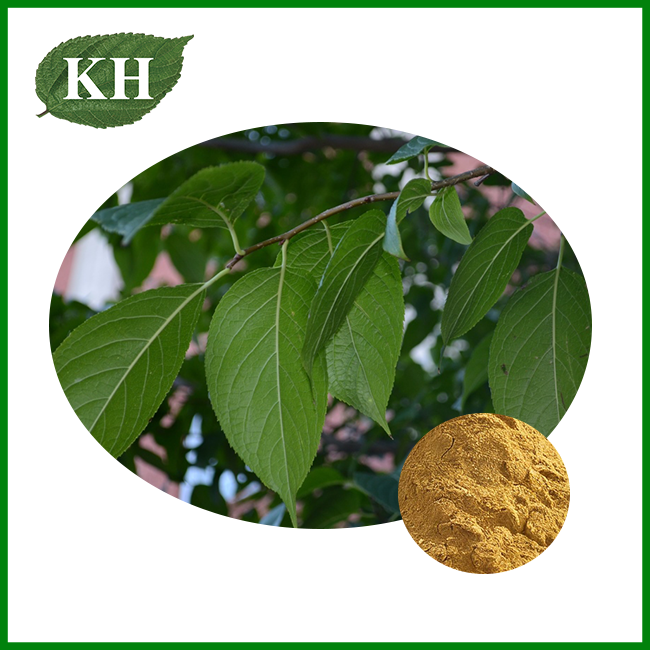
Vine tea extract is made from the leaves and stems of the plant Ampelopsis grossedentata W. T. Wang, which is a plant that grows in the southern Chinese mountains. Even though it has the name "Camellia sinensis," it is not related to that plant. It also does not contain caffeine or theophylline. Flavonoids make up 35% to 45% of the dry weight of the young shoots and leaves. Dihydromyricetin (DHM) is the main chemical that does its job. Under the same name, three different kinds of vine tea extract are sold: a ratio extract (4:1 or 10:1), a controlled grade with 10% to 98% DHM, and a high-purity myricetin grade (80% to 98%). There are different prices, labels, and tests for each one, so make sure your quote covers the right one.
Common Risks That Delay Shipments
Small holes in the paperwork are the cause of many problems when vine tea extract is brought in. It could take longer to clear or cost more to duty if the HS code is wrong. When the invoice, COA, and sticker all call the same item by different names, it can be hard to review. And health claims that aren't backed up can put importers and brands at risk. A general COA doesn't show that the shipped lot is of good quality. Information about the boxes is also important. On every paper, the address, lot number, and net weight should all be the same. I tell people to use these things as a check list before they place their order, not after the crate leaves port. Sometimes, taking a few hours to look over something can save you weeks of waiting and holding fees.
Why Traceability and Batch Consistency Matter
There is a source of raw materials, an extraction run, and a test report for each drum. KH works with planting bases to keep an eye on the type of plant, the soil, and the time of harvest. This eliminates most changes in the active ingredient. We only use clean water or ethanol that can be eaten to remove things. We never use solvents that are dangerous. Each run comes with an HPLC report that lets QA teams see what each part is made of. This record speeds up the time it takes for importers of vine tea extract to quickly explain to a customer or regulator where the material came from. For the same reason, stable batches help you stick to your launch schedule. This is because redoing a lot of work that didn't work costs time and money.
Step One: Define the Product and Its Intended Use
Match the Use to the Product Category
There may be different rules you need to follow if you sell the same vine tea extract powder in more than one way. In the US, there are different rules for ingredients in food or drinks, ingredients in cosmetics, and ingredients in dietary supplements. Supplement brands have to follow rules for how to label and make supplements. For people who make drinks, it's important to have food-grade tools and be stable. People who make cosmetics need to think about what they need to do to register their facilities and list their products. People who buy animal food should also look at the rules for feed. Pick your group first; this will let your supplier know what papers to send you and which claims to print. So, our team asks right away for the end use.
Build a Product Requirement Sheet
If you have several quotes for vine tea extract on one page, it's easier to compare them. Just name the plant (Ampelopsis grossedentata W. T. Wang) and tell us what parts of it we need: the leaf and stem. Write down how much extract or DHM is, what it looks like, how it was tested, how long it will last, how to store it, and how it will be packed. We test a fine powder that is off-white to white with HPLC. It usually comes in drums of 25 kg. Tell them how long you need the goods and how many you need every year. Also, list any certifications you need, such as Kosher, Halal, or USDA Organic. After that, sellers can give you a price for the right grade, and your quality control team can compare samples to standards that have been written down.
Full-Spectrum Extract Versus Isolated DHM
There are two types of vine tea extract. One type is highly controlled and concentrates dihydromyricetin. The other type keeps many flavonoids from the plant. For DHM, our grades range from 10% to 98%, and for myricetin, they range from 80% to 98%. How much plant material went into each unit of extract is shown by the amount of plant material to extract, which can be 4:1 or 10:1. The powder doesn't say how much DHM is in it. You can only find that number in an HPLC test. Pick a ratio extract if you want a lot of different flavonoids in your food and drinks. Choose a normal grade when getting the amount right is important, like in capsules or tablets.
Essential Documents and U.S. Market Compliance for Vine Tea Extract
Customs and Shipping Documents
To get through customs, you need a clean set of business papers. You need to print out the business invoice, the packing list, the bill of goods or air waybill, and the certificate of origin. Your customs broker also needs to know who is bringing the goods in and that the goods being described match what is on the invoice. In the Harmonized Tariff Schedule (Chapter 13), vine tea extract is typically examined under the heading for vegetable extracts. But your broker should make sure you have the correct HTS code for your grade and purpose. We can send draft papers with the names, weights, and lot numbers of the goods before we send them to your dealer. Let them check them out. There are three ways we ship: by carrier, by air, or by sea.
Quality and Technical Documents
The papers are good because they show that the powder is what was ordered. Ask about the product, get a batch-specific COA with HPLC results, find out how the test was done, and get advice on how to store it and for how long. Different products may need different allergen, GMO, heavy metal, pesticide, and solvent residue reports. You may also need to say that the product is not made from animals. Our products are certified by and meet USP and EP standards. They are also Kosher, Halal, FDA, EU Organic, and USDA Organic. Private-label projects come with a good deal, approval from the label, and a way to get your money back. Keep all of these files together because auditors will likely ask for them all at the same time.
U.S. Rules Buyers Should Verify
Vine tea extract can't be brought into the country without following a few federal rules. The FDA wants food facilities to be registered, and they need to be told about imported food before it comes in. The FSMA says that companies that bring in goods must have a Foreign Supplier Verification Program. People who make food supplements follow 21 CFR Part 111 current good manufacturing practice, which includes making sure they know what the chemicals are. A new dietary ingredient notice may be needed for an ingredient that wasn't sold in supplements before October 15, 1994. Talk to a lawyer who works with the government to make sure you understand the rules before you use it. A law called MoCRA says that cosmetic companies need to list their products and register their facilities. Everything should say the same thing on the box, the website, and the COA.

How to Verify and Choose a Vine Tea Extract Supplier
Check Identity, Status, and Testing
First, find out who makes the vine tea extract. Find out from the business whether it makes extracts, processes plants, or sells things. It is also a good idea to ask to see its business license and certificates. KH has been making plant-based and herbal ingredients since 1996. An ISO9001 and an FSSC22000 certificate have both been given to our quality system. As the supplier, how do they make sure of the origin of the plants, the amount of DHM present, and the presence of microbes and contaminants? A template is not as solid as new COAs for each run and test data from outside sources. Not being able to name the plant or solvent used for extraction is a red flag. Hold the order.
Compare Suppliers by Application
People who buy vine tea extract look at various things. To support brands, it's important to have label support, standard potency, and stability data. Microbiological quality, color, taste, and how well it dissolves are some of the things that people who make food and drinks look at. When distributors buy goods, they want to be able to choose the type of packaging and get them often. People who buy things in the pharmaceutical industry often need tried-and-true methods, levels of impurity, and control over changes. A record with weights can be useful. You can rate each provider on their communication, quality, wait time, MOQ, compliance, testing, and ability to meet your needs. It's not enough to just compare prices per kilogram; you should also compare the totals. Our application lab helps make drinks, candies, tablets, and skin care products and tests them to make sure they are safe.
What a Dependable Vine Tea Extract Manufacturer Provides
You get more from a good partner than just a price and a taste. You can expect up-to-date specs, batch COAs, records of tracking, and clear information about allergens, GMOs, and animal origin. This is what you should look for in a service: trial samples, sales of just a few kilograms, a business minimum order quantity (MOQ) of 25 kg, and custom ratios or functional compounding. KH ships samples and regular items that are in stock within 3–5 business days. Before sending them out, we check the shipping papers. Good providers will have clear Incoterms, keep samples, deal with complaints, and let you know ahead of time if there are changes to the specifications. When our goods are ready, they are only sold in soft capsule form.
Import Workflow, Risks, and Final Checklist
From Sample to Commercial Shipment
There is less risk when the process is done in stages. Before doing anything else, decide where the goods will go, what they will be used for, how they will be sold, and how much the buyer will have to pay. You can order the science package and a sample. Then, you can test it in your own lab or a lab that you hire to look for contaminants, microbes, and DHM levels. Once everyone agrees on the terms, write them down: prices, how they are packed, the size of the batch, how they are paid, and who makes each document. Read over the draft shipping papers before you send. Check the seals, labels, drums, and lot numbers when you get there. After that, store the records until the audit. Big sales are sent by air or water, while samples are sent by courier. A lot of our stock is ready to go right away.
Risks and How to Avoid Them
If someone sells something that says "food grade" or "pharmaceutical grade," make sure they can back it up with a standard and a test report. Always keep the extraction ratio and the DHM percentage separate in each file. Do not copy what health brochures say. Animal studies on DHM, like the one that came out in the Journal of Neuroscience in 2012, don't show that the claims your market lets them make are false. A very low price for natural vine tea extract could mean that it hasn't been tested well, doesn't work as well, or doesn't last as long. Look at the total cost of landing and how consistent the supplies are. Ask each provider how they handle a bad lot and what their safety stock is.
Final Import Checklist
You should check five groups of things before you place the order. Type of plant, amount of DHM (or ratio), format, packaging, and storage for the product. It's important to meet the requirements for the market group, the HTS code, the claims, the certificates, and the contamination limits. If needed, third-party tests, a new COA from the supplier, the capacity, the MOQ, and the lead time. Shipment: bill of lading, packing list, papers from the shipper, information about the transport, lot numbers, and information about the recipient that is the same in all files. Terms of the contract, how to handle issues, and telling people about changes. Your customs dealer, QA team, and buying team should all talk about this list at the same time. When bugs are found in a group review, they are easy to fix.
Conclusion
To bring vine tea extract into the US, you need to know exactly what it is, have all the paperwork you need, and buy it from a reliable source. To buy something, people need to separate ratio extracts from regular DHM and myricetin grades. They also need to make sure that the use they want to make is legal and check records for customs, quality, and certification. Building registration, previous warnings, foreign supplier verification, rules for making dietary supplements, and naming duties for cosmetics when they apply are some of the things that the U.S. checks for. You should look at a supplier's batch-specific HPLC reports, sourcing that can be tracked, and how well they communicate. There aren't many delays because the job is broken down into stages, from the sample to the arrival review. There is less risk and less cost in making sure that names, lot numbers, and claims are the same in all files.
FAQ
Are import documents more than a COA?
Yes. For customs to accept the goods, they need more than just the COA. They also need the invoice, packing list, transport document, and certificate of origin. Based on the use, add rules, permits, certificates, and tests done by a third party.
How can I verify DHM content?
Ask for an HPLC report that lists the method and acceptable range for each batch. The lot number on the report should match the number on the label and bill.
Does a supplier certification guarantee U.S. market approval?
It doesn't just happen that the market agrees with you. We still need to check the claims, the planned use, and the status of the ingredients. Vine tea extract differs from highly standardized, purified DHM, so the product quality is crucial.
Can KH support custom projects?
Yes. You can ask for custom ratios, get help with your application lab work, make small test orders, and get finished soft capsules from us. Please let us know what you need in terms of recipe, packing, and service.
Request a Vine Tea Extract Import and Compliance Package
This is what our team will suggest for a specification, sample, and batch HPLC report: the country you want to sell to, the use, the DHM level, the yearly volume, the packaging, and the certification needs you write to KH. The smallest amount that a business can buy of our vine tea extract for sale is 25 kg. We also take small test orders to help with projects that need unique mixing. Email info@kingherbs.comto get your package.
References
1.Journal of Functional Foods, 2021. "Vine tea (Ampelopsis grossedentata): A review of chemical composition, functional properties, and potential food applications."
2.Journal of Neuroscience, 2012. "Dihydromyricetin as a novel anti-alcohol intoxication medication."
3.Federal Register, 2007. "Current Good Manufacturing Practice in Manufacturing, Packaging, Labeling, or Holding Operations for Dietary Supplements" (21 CFR Part 111).
4.Federal Register, 2015. "Foreign Supplier Verification Programs for Importers of Food for Humans and Animals."
5.Dietary Supplement Health and Education Act, 1994. U.S. Congress.
6.Modernization of Cosmetics Regulation Act, 2022. U.S. Congress.
Send Inquiry
Related Industry Knowledge
- Why Mangosteen Extract Powder Is Gaining Interest in Supplements
- Scutellaria Baicalensis Extract OEM: A Formulation Guide
- Where to Buy Bulk Mimosa Pudica Powder for Import and Distribution
- Which Dill Seed Extract Supplier Offers the Best Value?
- Why Choose Natural White Willow Bark Extract Powder for Supplements?
- Blueberry Extract Powder Price and Wholesale Buying Guide
- Is Organic Bitter Melon Extract Powder Better for Supplements?
- The Power of Blueberry Extract Powder in Cosmetics
- Wild Yam Extract Powder: Top Uses in Nutritional Products
- Can Maca Extract Powder Help with Hormonal Imbalance?