How to Choose a Melissa Officinalis Extract Supplier?
Nov 25, 2026
To choose a Melissa officinalis extract supplier, start with a written specification and check every vendor against it—confirming the botanical name, plant part, extraction method, and rosmarinic acid level. Ask for a batch-specific Certificate of Analysis, current certifications, and a sample you can test yourself, then compare capacity, minimum order quantity, lead time, and total landed cost rather than unit price alone. Finally, look for technical support that goes beyond shipping a drum. At KH, we have produced botanical extracts since 1996, and I wrote this guide from the questions buyers ask us most often.
Start With Your Own Melissa Officinalis Extract Requirements
Define the Application and Dosage Form
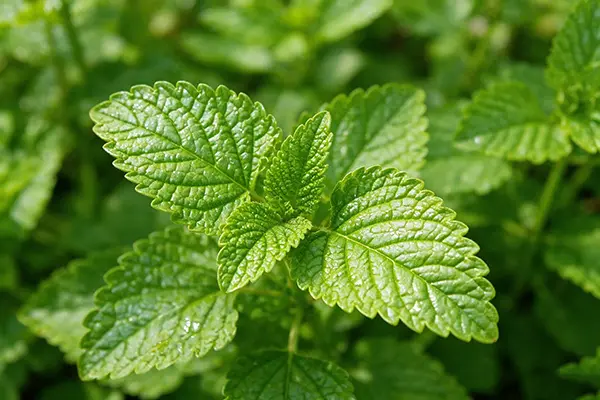
Lemon balm is used to take care of your face, make pills and tablets, to make teas and drinks that help you relax. In each case, the Melissa officinalis extract is asked to do something different. The powder needs to be easy to mix and flow evenly for people who make capsules and tablets. People who make drinks pay attention to how they taste and how they spread. People who make makeup care a lot about how stable the colors are. There have been studies on the link between lemon balm and happiness in people. One of these was published in 2004 in the journal Psychosomatic Medicine. Rosmarinic acid is also looked at in reviews to see if it can work as an antioxidant. Before you email a supplier, it's helpful to write down the type of product, serving size, and sales market. Providers can pick the right grade the first time if they know these three things.
Write a Specification Sheet
A specification sheet turns an unclear request into a clear list of rules. Write down the plant source (Melissa officinalis L.), the part of the plant you need, the ratio for extraction, the liquid system, and the amount of rosmarinic acid you need. Don't let things like moisture, ash, microbes, heavy metals, pesticide residues, and solvent residues stay where they are. Type in the test method, such as UV or HPLC. It's easy to compare prices when everyone gives you the same sheet for a Melissa officinalis extract. Without it, two sellers could give you different amounts of rosmarinic acid powder. The difference will be shown by the price.
Check U.S. Market Rules Early
Since many of our customers are from the US, I always tell them to check the FDA rules first. Part 111 of 21 CFR says that companies that make dietary supplements must verify that the ingredients they use, such as balm mint extract, are real. That identity check should be backed up by paperwork from your Melissa officinalis extract provider, not put in place of it. Labels that talk about structure or function must also have the usual FDA warning. Make a list of all the places you want to visit in your outline. Some places have different rules, like the EU. The quality review step won't be a surprise because the deal was made this early.
Judge the Quality and Authenticity of Melissa Officinalis Extract
Confirm Botanical Identity and Traceability
Being real begins in the field. Lemon balm is in the mint family. Green herbs from the same family can look a lot alike when they are dried and ground. Call out the type of plant, the part of the plant that you want to buy, and the place where it grows. Then find out who owns the farm. Because we are a KH partner, we have more say over the type of plant, the land, and the time of gathering. This makes the active ingredient more stable from season to season. The stem and leaves of Melissa officinalis L. is built into our item. Ask for test results to prove that the plant is what it is said to be. If you can find the grower, it will be easier to talk about quality later on.
Understand the Extraction Method and Marker Compounds
It's not just the plant that's important; the juice is too. Pure water and ethanol that can be eaten are the only things that KH puts in supplements and foods. There are review papers, like one from 2016 in the Journal of Ethnopharmacology, that say rosmarinic acid is one of the main phenolic chemicals in lemon balm leaf. This is the main reason why most people who buy Melissa officinalis extract use it as a marker. There should be between 1% and 10% rosmarinic acid and between 2% and 5% flavone. Tests with HPLC and UV are what we need. When given a percentage, always make sure it is given "as is" or "on a dry basis." The two don't mean the same thing.
Match Physical Properties to Your Process
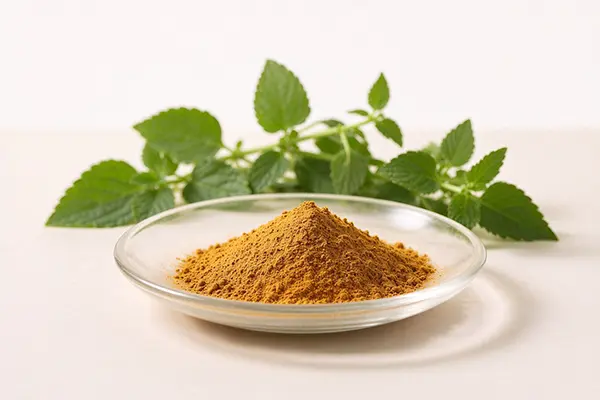
If the powder doesn't run on your line, it doesn't matter how good your inspection sheet is. The powder we use to make our Melissa officinalis extract is very fine and a shade of brown to yellow. These powders can soak up water from damp air, so they need to be packed and kept in the right way. Learn what the powder tastes like, how big the pieces are, and how well they mix with water. In order to fill capsules, you need a steady flow. To make tablets, you need good compression. For drinks, they need to dissolve quickly with little smoke. Before you place a larger order, do a small test on your own gear. A short pilot test can often show things that a detailed plan can't.
Verify COA, Testing, and Quality Documentation
Read a Batch-Specific COA Line by Line
The exact lot you will get should come with a Certificate of Analysis. Find the product's name, the lot number, the date it was made, how long it will last, and the test mark. This is where you should look at the microbial counts, heavy metals, pesticide residues, and solvent residues. Check that the test method has the right name. A COA that only shows look checks doesn't tell you much when you buy a lot of Melissa officinalis extract. Every batch at KH comes with a full HPLC analysis report. This report shows the profile of each component instead of just a number. Before you put in your order, compare the COA to what you want and mark any holes you find.
Separate Internal Reports From Third-Party Testing
A COA from the inside shows what the maker put together. What a different lab found is shown in a report from a third party. Both are useful. There is a quick way to get data on each lot from internal tests, and independent tests give you a second opinion on things like identity, rosmarinic acid, and contaminants. A lot of QA teams check new lots of products that are meant to help people sleep or deal with stress by themselves. If you want to buy Melissa officinalis extract, ask the company if you can do more tests and what they do if the results don't match. You should be able to trust a seller if they let you try their process again. Make sure you save a sample of each lot you get so you can compare them later.
Review Certifications and Quality-System Evidence
A building with a title does things in a known way. We follow the rules set by KH, FSSC22000, ISO9001, KOSHER, HALAL, HACCP, and FDA. Our products also meet the standards set by USP and EP. Ask each provider for copies that are up-to-date and still in effect. Look somewhere else after the paper. Get the rules on how to handle complaints, make changes, get information on how stable something is, and do returns. These show what a provider does when something goes wrong. Make sure everyone is on the same page early on about who will test what and how to report changes to the process or raw materials.
Compare Melissa Officinalis Extract Suppliers and Manufacturing Capabilities
Know the Difference Between Traders and Manufacturers
Suppliers come in many forms, including traders, distributors, direct extract manufacturers, and companies that grow and process botanical ingredients. Traders can offer many choices and quick, small deals. Because they do the extraction themselves, direct manufacturers usually give you more control over things like tracking, customization, and technical questions. We make the Melissa officinalis extract because KH has been in business since 1996 and has its own plant bases. What model does each vendor use? If you can, ask for a building check or video tour. You can figure out who can fix a problem by getting the answer.
Weigh Capacity, MOQ, Lead Time, and Landed Cost
Providers can grow with you if they have enough room to do so. How much stock does the company have? What is the batch size? How does the company handle a bad harvest year? Then, write down all the things you want to compare, such as sample cost, MOQ, wait time, packing, and shipping method. We can only sell 25 kg of Melissa officinalis extract at a time. This amount comes in 25 kg drums. We also offer free samples and small sales of a few kg. Ready stock can be sent by sea, air, or express. To get the total final cost, use the same specs and add to them testing, packing, freight, customs, and Incoterms. This will help you find the best deal. It's better to have a short, clear quote than a short, fuzzy one.
Match the Supplier to Your Procurement Model
How you buy things tells us what you need. People who buy in bulk want stable stock, the ability to place repeat orders, and clear terms in the contract. Some supplement brands may need help with their recipes. OEMs need agreements on quality, pilot runs, and help with going from small to large. People who buy and sell goods need export paperwork that is correct and quick responses. Find out if the seller only sells raw materials or if they can also help you make goods. You can buy chemicals, vitamins, and extracts all in one place at KH. When we're done, we only sell our goods as soft pills. That limit can be known ahead of time, so Melissa officinalis extract can be used in projects that are more likely to work out.
How KH Matches These Criteria
Most of the time, buyers ask us about these things.
- Traceable sourcing and clean extraction: Planting bases choose the plants, the land, and the best time to gather them. We never use liquids that are bad for you; we only use clean water or ethanol that is safe for food. This way, the active ingredients in your Melissa officinalis extract recipes stay the same from batch to batch. It also keeps the color pure and helps the mixtures dissolve quickly.
- Documented quality: You can be sure of the quality because a full HPLC analysis result is sent with every run. There are 2% to 5% flavones and 1% to 10% rosmarinic acid in the powder. HPLC/UV tests showed that our goods meet USP and EP standards. The business is certified by ISO9001, FSSC22000, KOSHER, HALAL, HACCP, and FDA. You can compare each number to your own needs before agreeing to a price.
- Fast supply and technical support: It takes 3–5 business days to ship samples and regular items that are in stock. Compounding, recipe changes, and stability tests for skin care, gummies, drinks, and tablets are all things that our application laboratory can help with. We can also make mixes just for you that are at a certain level or are meant to do a certain job. It takes less time to make something new because technical staff answers formulation questions directly.
Compare Melissa Officinalis Extract Options and Score Your Shortlist
Powder, Liquid, Ratio, and Standardized Options
The way an item is shaped changes how it works. It works best when it's dry, like in pills, capsules, and dry mixes. Drinks and tinctures are the best ways to take it. The amount of rosmarinic acid in this type of extract is not given. Only the amount of raw herb used to make it is. A standard extract has a marker level that helps make sure that each batch is the same. You can't use lemon balm tea or an extract instead of each other because they have different amounts. Ashwagandha and valerian should not be used together. They are two different plants that taste and are good for you in different ways. The Melissa officinalis extract we sell is a ratio extract powder, and the standard gives you ranges of markers.
Build a Weighted Supplier Scorecard
There are times when many sellers look the same. An evaluation makes sure that choices are fair. One good split gives 25% to making sure the product is standardized and of high quality, 20% to paperwork and following the law, 15% to being able to make the product, and 15% to making sure the batches stay stable. The last 25% covers costs, shipping, and help from experts. In each area, give each provider a score between 1 and 5. Then, multiply the points by the weight and add them up. Based on how risky it is, change the weights. For instance, a drug company might add more paperwork, while a startup might add more help. Once the order has been approved, keep an eye on how well each lot of Melissa officinalis extract is supplied, as well as any complaints or reports of changes.
Ask the Right Questions Before a Bulk Order
Before you place a big order, send a short list of questions. What is the formal name for this part of the plant? How much extraction is there, and what is the solvent? How do you find rosmarinic acid and what does it mean? How long does it last, and how should it be kept? Please send me copies of the certificates and batch COAs. How long does it take to pack, how much does it cost, what is the minimum order, and what are the Incoterms? Also, OEM teams should find out about labels, test runs, and who owns the recipe. Next, go through a sample-to-scale process: read the paperwork, try a sample, make a pilot batch, and get approval from the business. A clear answer is better than a fuzzy one. Give more time to answers that aren't clear.
Conclusion
Instead of comparing prices, it's better to do a step-by-step check on the Melissa officinalis extract provider you choose. Rosmarinic acid range, species name, plant part, and preparation method are all written down in the goal. Authenticity is supported by sourcing that can be tracked and extraction with water or ethanol. Proofs like batch-specific COAs, HPLC data, and up-to-date certifications show this even more. It is important to make sure that the comparisons are fair, and a seller can meet demand if they have a high MOQ, a long lead time, and a low landed cost. For each product, the best form is different, such as powder, liquid, ratio, or standard. The style should match the use. People who buy things use these checks to lower their risks when it comes to quality, safety, and supply.
FAQ
Which document matters most when I review a supplier?
The COA that is unique to the batch is the most important. Write down the plant name, the lot number, the Melissa officinalis extract test, the test method, and the results for any contaminants. Compare it to what you want, and you might want to have someone else test it again.
Is a ratio extract the same as a standardized extract?
No, the quantity tells you how much herb was used to make the extract. If an extract has been standardized, it will list a marker amount, such as rosmarinic acid. This is our set of requirements. As well as the marker ranges, it shows the ratio form.
What minimum order does KH offer?
For business use, the first order is 25 kg in 25 kg drums. You can also get samples or test sales of a few kg. Ready stock can be sent by sea, air, or express.
Can I make health claims on my label?
What you say about your product and market will determine what claims you make. Every structure/function statement in the US needs to have the usual FDA warning added to it. Could you please have a qualified regulatory expert look over the language?
Request a Melissa Officinalis Extract Quote From KH
Want to quickly find a company that sells Melissa officinalis extract? Send KH an email at info@kingherbs.com with your application, dosage form, order number, and the people you want to reach. The specs, a batch HPLC report, and a sample plan will be provided by our team. We have ready-to-ship items, 25 kg bulk sales, and small test amounts. Go to https://www.kingherbs.com/ to see our full selection of plant-based ingredients.
References
1. Pharmacology Biochemistry and Behavior (2002). Kennedy et al., "Modulation of mood and cognitive performance following acute administration of Melissa officinalis (lemon balm)."
2. Psychosomatic Medicine (2004). Kennedy et al., "Attenuation of laboratory-induced stress in humans after acute administration of Melissa officinalis (lemon balm)."
3. Journal of Ethnopharmacology (2016). Shakeri et al., "Melissa officinalis L. – A review of its traditional uses, phytochemistry and pharmacology."
4. Journal of Evidence-Based Complementary & Alternative Medicine (2017). Miraj et al., "Melissa officinalis L: A review study with an antioxidant prospect."
5. Journal of Herbal Pharmacotherapy (2005). Ulbricht et al., "An evidence-based systematic review of lemon balm (Melissa officinalis) by the Natural Standard Research Collaboration."
6. Federal Register (2007). U.S. Food and Drug Administration, "Current Good Manufacturing Practice in Manufacturing, Packaging, Labeling, or Holding Operations for Dietary Supplements."
Send Inquiry
_1779935763194.webp "Purple Sweet Potato Extract")
Related Industry Knowledge
- Where to Buy Lespedeza Capitata Extract in Bulk
- Where to Buy Organic Sea Buckthorn Seed Oil in Bulk
- Is Holy Basil Extract Powder Right for Your Product Line?
- Cocoa Seed Extract Wholesale for Global Supplement Brands
- Ivy Extract Powder vs Ivy Leaf Extract: What Is the Difference?
- Understanding Eurypeptides: The Key to Tongkat Ali Extract Powder’s Efficacy
- Bamboo Leaf Extract in Skincare: Understanding
- How Apple Root Extract Supports Skin Regeneration?
- What Sets Premium Watermelon Powder Apart?
- Can Purple Sweet Potato Extract Support Cellular Protection?