
How Is Isatis Root Extract Tested for Purity and Potency?
Nov 20, 2026
Isatis root extract is tested in layers. First, the lab confirms identity through botanical review and chromatographic fingerprinting. Next, analysts measure potency by HPLC, often using epigoitrin as the marker compound. Purity testing then covers heavy metals, pesticide residues, microbial counts, and residual solvents. The supplier records every result on a certificate of analysis tied to one batch number. A fine brownish powder may look consistent from lot to lot, but color and odor cannot prove content or safety. Validated methods, written limits, and batch records give buyers the evidence they need to approve a lot with confidence.
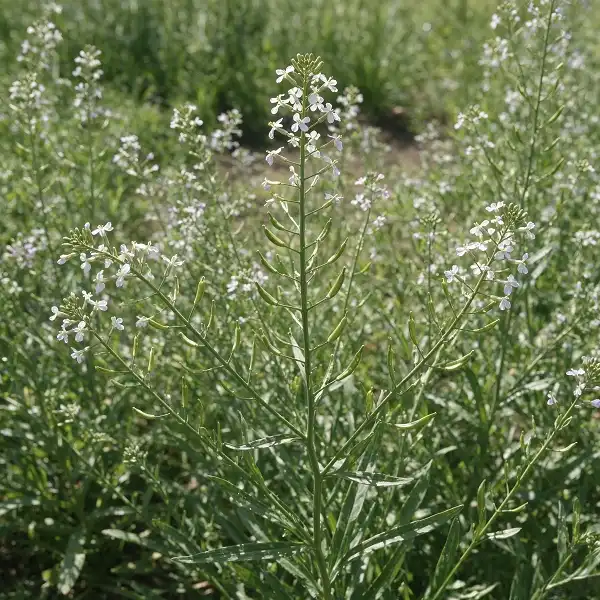
Introduction: Why Purity and Potency Testing Matters for Isatis Root Extract
It's helpful to know what people buy before we look at the tests. You can't tell much about what's inside the drum from its ratio or how it looks.
Define the Quality Challenge for Global Buyers
When people buy isatis root extract from another country, they almost never visit the farm where the plant or extract was grown. So, test scores and papers are the best ways to find out the truth. A product description can't show the botanical name, plant part, amount of contaminants, or consistency from one batch to the next. Someone failed the release test, the candy didn't taste the same as the last batch, or the border guards held the package. In order to get a full package, QA teams, procurement managers, and R&D leaders look for a sensory inspection, identity testing, chromatographic analysis, microbe testing, contaminant screening, a certificate of analysis, and records of how the product was made. You can write down your guess about what to buy with organized tests.
Clarify the Botanical and Commercial Terminology
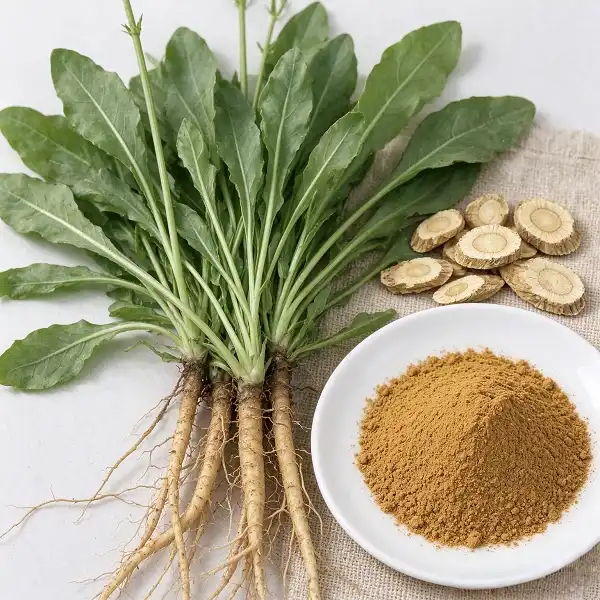
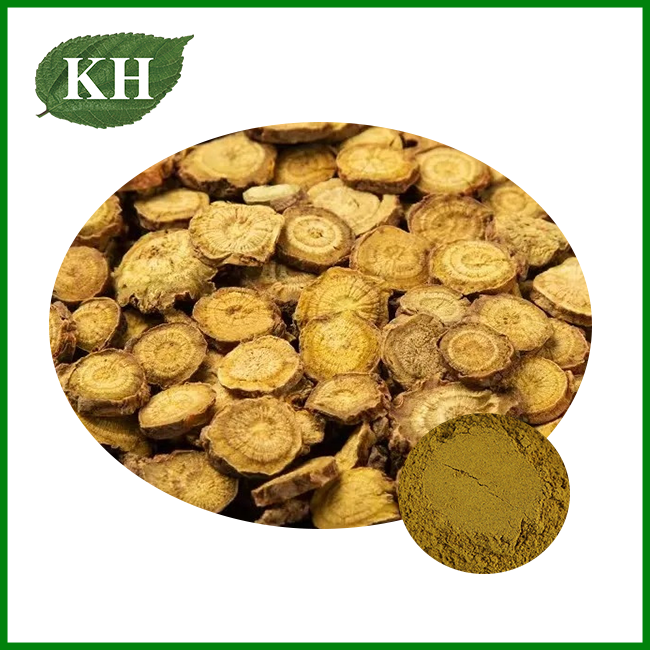
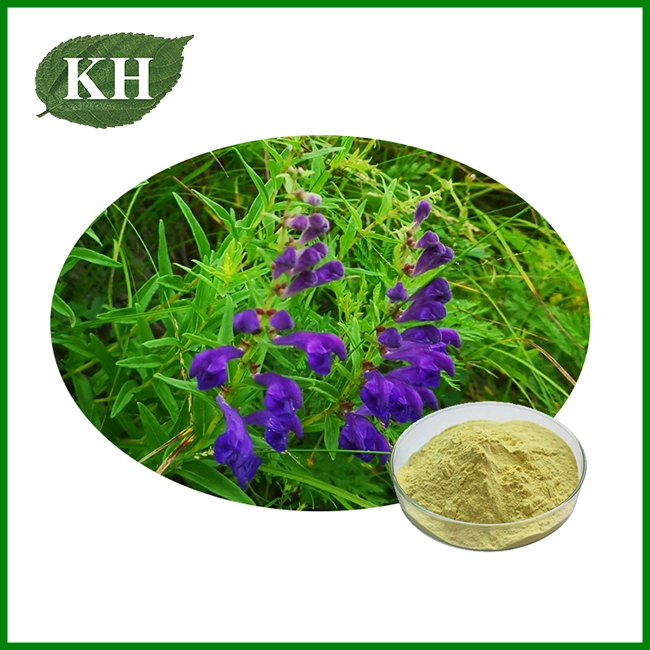
Radix Isatidis extract is one name for isatis root extract. The extract of indigowoad root and Banlangen extract are some other names for it. Even if they have the same name, the plants might not be the same. Some sources say that Radix Isatidis is the dried root of Isatis indigotica Fort., but Isatis tinctoria L. is the truth. Make sure that the full scientific name meets your needs. The plant part, where it came from, how it was removed, what liquid was used, how it was dried, and any transport should all be written on the same piece of paper. The root of the Radix Isatis plant is what we use to make our isatis root extract. It is sold as a fine brown powder and comes in the form of a ratio extract. It is impossible to change names when they are clear. The seller, the lab, and the inspector can all read the same thing.
Define "Purity" and "Potency" in Practical Procurement Terms
What something shouldn't have in it is what it means to be pure. Some of the things that are still in it are heavy metals, chemicals, bacteria, solvents, and dust. It should be the set amount of a marker substance that was tried in a way that has been shown to work. This is what potency tells you. This third idea is not better than the first two. It means that 10 parts of the raw root were used to make 1 part of the extract if the label says 10:1. But the amount of marking can change based on how well the raw material was handled and how good it was. It's possible that two lots with the same number don't have the same amount of epigoitrin. We think that each lot should only be accepted if there is a written plan that includes test methods, acceptance limits, and batch results, not just what the company says in its ads.
Identity Testing: Confirming the Right Plant and the Right Part
Identity is the most important thing because it shapes everything else. It doesn't matter how strong the powder is if it didn't come from the right plant.
Macroscopic and Organoleptic Checks
The first thing you need to do to find out who someone is is watch them. The size, form, color, split surface, and smell of raw root are all checked against what is written in the pharmacopeia. It is looked at to see what color it is, how well it dissolves, and how it tastes when it's done. The powder is fine and brown, and we compare each batch to a sample we've kept as a guide. The first step is easy and doesn't cost much with these checks. But they can't stand on their own. A shade that looks like powder can hide a filler or carrier. The lab uses a sensory review to figure out if it wants to keep going. The powder is then identified through chromatography tests.
Microscopy and HPTLC Fingerprinting
The flesh of the raw root is looked at under a microscope. Ground root that hasn't been taken out yet works best. Chromatography is used in labs because most of those things are gone when the stuff is turned into a sample. The sample is put on a plate next to a standard or reference extract in high-performance thin-layer chromatography (HPTLC). The bands are made in a way that looks like a fingerprint. Before putting out a lot, the lab checks to see if it doesn't have the usual bands or shows extra ones. HPTLC works quickly and can look at many samples at once, so it is easy to check new samples often. These names are often used in medicine books to call plants by this name. USP General Chapter 561 talks about things that come from plants.
HPLC-DAD Fingerprinting and Adulterant Screening
With HPLC and a diode-array detector (HPLC-DAD), you can make a better fingerprint. It keeps track of how long each chemical stays in the fluid and how much UV light it absorbs. The lab checks the chromatogram by comparing it to a reference and to lots that have already been made. If the tops don't line up, it could mean that fillers, dyes, or a different plant were added. When the tops do line up, it helps prove who you are. If you see a peak that doesn't look right, you should stop and check it out. The extract should come from the isatis root extract plant's root. In 21 CFR Part 111, the FDA talks about rules for food additives. The rules say that the companies that make them need to check the names of the things they use. The supplier's mark is useful, and your QA team can still check each batch as it comes in.
Potency Testing: Measuring Marker Compounds with HPLC
The next thing that needs to be known is how much of the goal chemical is in the powder.
Why Epigoitrin Serves as a Marker
It should be possible to find out how strong isatins root extract is. Most of the time, Radix Isatidis is tested for epigallocatechin, which is also written as (R,S)-goitrin. In the root, a glucosinolate with sulfur breaks down to make it. The ingredient found in Isatis root is called (R,S)-goitrin in the Chinese Pharmacopoeia. Researchers are not just interested in flavonoids and adenosine. You can still write a number into a specification with a single clear marker. So, a sign can't fully explain how an essence works in this case. They check the strength so that the same method can be used to compare different lots, types, and sources.
How an HPLC Potency Assay Works
The lab normally weighs the powder, mixes it with a known liquid, and then does a test on the mixture. The chemicals slowly separate as they go through an HPLC column. To begin, something reads the epigoitrin peak. Next, the area of the peak is compared to a real-life standard in software. The answer shows up as a number with weights. Labs that are good at what they do do things like inject a standard more than once to make sure the instrument works right. It says what the standard lot is, how it works, and what the column is. All of our products come with a full HPLC analysis record that shows the profile of each part instead of just a number.
Method Validation and Why Ratio Alone Falls Short
People will only believe what you say about the test if you take it. Here at ICH Q2(R2), we talk about range, accuracy, precision, predictability, and detail to make sure that the ways we do science are right. The results of a tried-and-true method are always the same, no matter the expert, the day, or the tool. You should know this because a ratio sign doesn't always mean amount. The two lots of 10:1 isatis root extract might be different if one lot came from lower-quality roots or if marker chemicals were lost during long, hot processing. If someone sets a minimum goal in the standard, they can turn down a lot that meets the ratio but not the goal. Before you make your first order, talk to your formulation team about how much marker you need.
Purity Testing for Isatis Root Extract: Contaminants, Microbes, and Residual Solvents
The strength of the powder tells you what's in it. Purity tests find things that it shouldn't have.
Heavy Metals and Pesticide Residues
Metals and chemicals can get into the isatis root extract from the roots because they are in the ground. What is the amount of lead, arsenic, cadmium, or mercury in something? Labs use ICP-MS or ICP-OES to find out. Folks who buy vitamins often use USP General Chapter 2232 to help them decide how much to take. In this chapter, we talk about chemicals that can be found in dietary supplements. GC-MS/MS and LC-MS/MS are often used to find leftover chemicals. When you test something again, source control is just as important. We work with planting sites to keep an eye on the type of plant, the land, and the time of harvest before the extraction process begins. This makes things less different. The conclusion is then supported by more tests. Please check that the report shows each part, the method, and the cap when you look at it. A simple "pass" doesn't tell you much.
Microbial Limits
If you touch plants or baking soda in the yard, you can bring them inside. Labs look for things like Salmonella and E. coli, following the steps in USP chapters 61 and 62. They keep track of how many yeasts, molds, and aerobic microbes there are. It's not the same for making a pill, a quick drink, or a medicine powder, so you need to follow different rules. Also, it's important to be wet. If you powder the isatis root, it will soak up water from the air. In wet powder, small living things can grow faster than in dry powder. Not only should the number of microbes be talked about, but so should testing for moisture and making sure that the packaging is sealed.
Residual Solvents and Extraction Method
It is the chemicals that are left over that change the way the extract is made. ICH Q3C(R8) sorts solvents by how dangerous they are and limits how much can be used. It is possible to find chemicals in headspace gas measurements. For our isatis root extract, we only use water or ethanol that can be eaten. Solvents that are bad for you are not used by us. Since ethanol is in ICH Q3C group Class 3, it most likely won't hurt you. People who still want to buy something should ask for a list of the extraction solvents and, if necessary, information about the solvent that is left over. This is very important for projects that say they are natural or drug-based. You can also use water or liquor if you need a pure color that goes away quickly.
Documentation, Traceability, and Support from KH
You can only use test scores if you can read them, check them, and figure out where they came from.
Reading a Certificate of Analysis
It has a certificate of analysis (COA) that lists all the tests that were done on a single batch. Follow this order. The batch number should match the number on the back of the drum. Look at the plant part and learn what it's called. You should compare each answer to both the written limit and the grade that would pass. Next to each result should be the name of a method, the date of the test, and the signature of the release analyst. After that, compare the value of the HPLC marker to the lowest number you set. What if a line or result doesn't make sense? Ask for the raw chromatogram or a method summary. If the supplier is good, they'll answer quickly since it should already be in the batch record.
What a Complete Batch Package Includes
This is what I think should come with every business lot of isatis root extract:
- A certificate of analysis is a document that lists the batch number, the tests that were done, the results that were entered, and the accepted ranges. It tells you if the levels of heavy metals, microbes, moisture, and markers for isatis root extract are right for you. It also gives your QA team a signed and dated record that they can use for checks and deciding when to share the code.
- HPLC analysis report shows what the parts are made of and what the marking chemical did. It lets you see what's in the powder and compare different lots. You can also see any changes in the peak shape early on, before they show up in a finished product like a candy, pill, or drink.
- Product specification sheet and a lot tracking statement with the botanical name, plant part, extraction solvent, location, and any documents. They use this paper to make sure that the material they buy matches what they ordered and what they plan to say about the finished product. They also help auditors quickly find answers when they need to.
Samples, Product Details, and Application Support
Our isatis root extract comes from the root of the Radix Isatidis plant. It is sent out in 25 kg drums as an extract in the form of a fine brown powder. It is sold as medicines, functional foods, and supplements that are meant to make the lungs and immune system stronger. Studies have shown that it can fight germs and reduce swelling. US law still covers claims about goods that are already made.
There are certifications for us from ISO9001, FSSC22000, HACCP, FDA, KOSHER, HALAL, ORGANIC(EU), and ORGANIC(USDA). We keep an eye on quality from the field. We also sell things that follow USP and EP rules. You can place test orders or sample orders. Everyday things that are in stock and samples will be sent out by express, air, or ocean within 3–5 business days. The first order for business use is 25 kg. We show you how to test, mix, and make skin care, drinks, gummies, and tablets safer in our application lab. We can also mix or measure useful things for you.
Conclusion
As a related process, testing isatis root extract is the best way to do it. The powder comes from the right part of the plant. This is clear just by looking at it and being able to prove it with HPTLC and HPLC identification. It is not possible to get a number that is different from epigoitrin when you use it for a potency test. To see if the material is clean enough to be used as planned, any heavy metals, pesticides, germs, or solvents that are still there are checked. A full batch record with the HPLC report and the proof of analysis lets you be sure of each result and keep track of them. Buyers can compare sellers and reject lots that don't meet the standards before they are even made if they write these needs down in a specification.
FAQ
Does a higher extraction ratio mean higher potency?
Not at all. The amount of raw root used to make the extract is shown by a number. There's a chance that two lots with the same ratio will have different amounts of something. That's why HPLC needs to measure marker compounds like epigoitrin for isatis root extract and see how well they meet your needs.
Which test confirms the potency of isatis root extract?
A reference standard is used to compare the marker chemical in a normal HPLC assay. There is a full HPLC measurement report for every batch of KH, and your QA team can ask for more method information.
Can I get samples before placing a commercial order?
Yes. To test it out, you can get samples or place a small order. The minimum order quantity (MOQ) for this industry is 25 kg, and samples and regular items that are in stock are sent out within 3–5 business days.
Which standards and certifications does KH offer?
Both the USP and the EP have approved our goods. ISO9001, FSSC22000, HACCP, FDA, KOSHER, HALAL, ORGANIC(EU), and ORGANIC(USDA) have all given us the green light.
Request Isatis Root Extract Samples and Batch Data from KH
Are you ready to use real data to compare lots? Since 1996, KH has been making things from plants. One choice is in line with both USP and EP, and it comes with isatis root extract for sale, already in stock. Send us an email at info@kingherbs.com with your needs, and we'll set up samples or a trial order for you as soon as possible.
References
1.Pharmacopoeia of the People's Republic of China, 2020
2.Code of Federal Regulations Title 21 Part 111: Current Good Manufacturing Practice in Manufacturing, Packaging, Labeling, or Holding Operations for Dietary Supplements, 2007
3.United States Pharmacopeia–National Formulary, General Chapter 561: Articles of Botanical Origin, 2023
4.ICH Guideline Q2(R2): Validation of Analytical Procedures, 2023
5.ICH Guideline Q3C(R8): Impurities: Guideline for Residual Solvents, 2021
6.Plants, "Isatis tinctoria L. (Woad): A Review of Its Botany, Ethnobotany, Phytochemistry, Biological Activities, and Biotechnological Studies," 2020
Send Inquiry

Related Industry Knowledge
- OEM Mangosteen Extract Powder: From Formula to Finished Product
- Watercress Extract Benefits: Is It Worth Adding to Your Routine?
- Why Tart Cherry Extract Is Growing in Sports Nutrition
- Top Ginger Extract Powder Uses for Food and Supplement Brands
- Why Choose ISO-Certified Cocoa Seed Extract Suppliers?
- What Are the Main Applications of Rose Hip Extract Powder?
- What Makes Nettle Extract Powder a Trending Botanical Ingredient?
- What therapeutic uses does Artemisinin Powder have beyond malaria?
- Valerian Root Extract Powder vs Whole Root Powder — Key Differences
- Vine Tea Extract: Antioxidant Power for Modern Wellness Formulas