_1762508637542.webp)
Watercress Extract Benefits: Is It Worth Adding to Your Routine?
Sep 20, 2026
Watercress Extract is absolutely worth adding to your formulation strategy. This pure plant part comes from Nasturtium officinale and has a lot of bioactive compounds in it. It has phenethyl isothiocyanate (PEITC), vitamins, and glucosinolates, all of which are very important in the beauty, functional food, and healthy food markets. Watercress powder that has been professionally removed has bioactives that stay the same and are better taken than fresh watercress, which goes bad quickly and doesn't always work. A lot of different fields can use it, and more and more people are interested in clean labels and plant-based actives. This makes it a great way to set your goods apart and get ahead in today's health-conscious market.
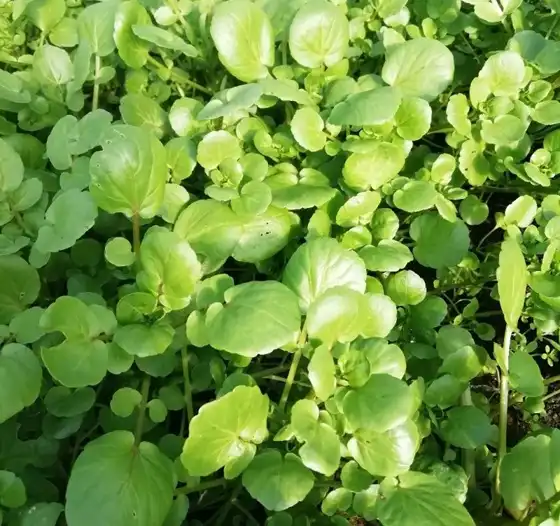
Understanding Watercress Extract: Composition and Nutritional Value
What Defines High-Quality Watercress Extract?
Watercress Extract is a high-quality botanical ingredient that is extracted from the Nasturtium officinale plant's stems and leaves using controlled solvent extraction methods. Professional-grade extracts usually use water or ethanol to get concentration ratios like 10:1 or 50:1. This captures the plant's bioactive makeup in stable forms that can be used in commercial product. The extraction process solves the main problems that come with unstable raw materials. It gets rid of the water-borne pathogen risks that come with fresh aquatic collecting and creates concentrated transport systems for medicinal chemicals.
Bioactive Profile and Physicochemical Parameters
Watercress Extract has a higher nutritional value than many other greens because it has higher amounts of vitamins, minerals, and antioxidants. Some important bioactive markers are Quercetin, Lutein, and a lot of Vitamin K. Gluconasturtiin is the precursor to Phenethyl Isothiocyanate (PEITC). The anti-inflammatory, Phase II detoxification enzyme-inducing, and immune-supportive benefits of these substances have been proven by science.
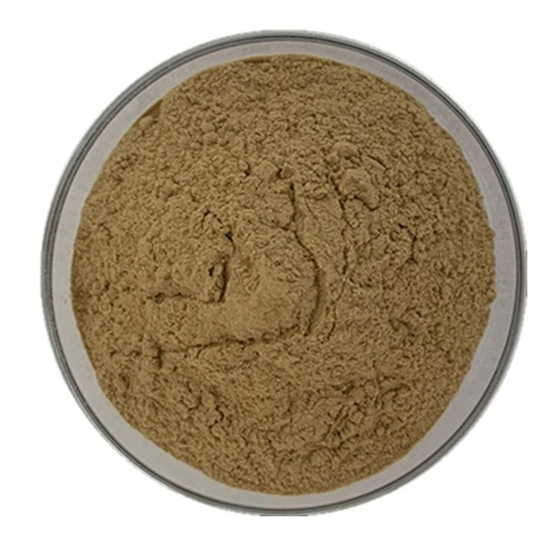
When doing business with other businesses, technical standards are very important. High-quality extracts come in the form of fine powders that are usually a brownish-green to dark green color. About 95% of them pass through 80-mesh screens to make sure they blend smoothly into dry mixes. The bulk density is between 0.40 and 0.60 g/ml, which makes it easy to flow for encapsulation and tablet compression. Different processing methods have different effects on solubility. Spray-dried types have better water solubility, which is important for beverage uses.
Stability and Standardization Advantages
Professionally processed extracts solve important problems in the industry related to bioavailability and stability, unlike raw consumption, which needs huge amounts to reach therapeutic levels. Because isothiocyanates are unstable in new plant material, they can be hard to formulate. Stabilization methods help standardized extracts get around this problem. This keeps the product's powerful antioxidant and glutathione S-transferase (GST)-inducing properties while it's being stored and for as long as it's on the shelf. This solves problems with seasonal availability and makes sure that the quality of the raw materials stays the same from batch to batch.
Key Benefits of Watercress Extract for B2B Applications
The adaptability of ingredients drawn from watercress spans across many industries, opening the door to new product development. Procurement managers and formulation experts can make smart use of this botanical's unique qualities by knowing its specific functional benefits.
Skincare and Cosmeceutical Applications
When it comes to makeup, Watercress Extract is a great antioxidant that has a high Radical Scavenging Activity, which can be measured by ORAC values. These ingredients help fight free radicals that cause early aging, which backs up claims of anti-wrinkle and skin vitality. The natural vitamin C in the extract helps the body make collagen, and the anti-inflammatory chemicals in it calm down redness and discomfort that are common in products for sensitive skin. Cosmetic formulators like that it works with both water-based and emulsion-based systems. This means that it can be used in serums, creams, and micellar waters that are aimed at the clean beauty market.
Hair Care and Scalp Health Formulations
Another interesting application area is nutritional support for follicle strength. Through R-spondin 1 signaling pathways, bioactive chemicals in Watercress Extract improve blood flow to the head and aid in the hair growth cycle. The mineral profile, especially the precursors to iron, zinc, and biotin, fills in nutritional gaps that can cause hair loss. Companies that make shampoos, conditioners, and treatments for the head can use this plant as a unique ingredient that backs up claims about hair thickness and health that are based on facts.
Nutritional Supplements and Functional Foods
Watercress Extract is an important part of weight loss and health products because it can help with metabolism and cleansing. The glucosinolate content helps Phase II liver detoxification enzymes work better, which supports the body's natural ways of getting rid of toxins. This method works well for brands that want to target the detox, cleanse, and metabolic health groups. The nitrate content and antioxidants that protect vascular tissue from oxidative stress are good for the heart. The immune-modulating benefits of vitamin C and phytonutrient density are in line with the rising desire for health maintenance items that you can use right away.
The mild taste and good solubility of Watercress Extract are helpful for people who are making functional drinks, protein shakes, and green supplement mixes. It works well with other plant extracts, which lets scientists make synergistic mixtures that boost health benefits while keeping the tasty tastes that make products popular with customers.
Comparing Watercress Extract With Other Popular Greens
Bioactive Profile Differentiation
Comparing Watercress Extract to spirulina, kale, and wheatgrass, it shows clear advantages. Spirulina has a lot of protein and blue colors from phycocyanin, which makes it a great food for supplementing protein. Kale has a lot of fiber and iron, which makes it good for gut health. Wheatgrass has chlorophyll and alkalizing properties that are often found in detox products. Watercress Extract stands out due to its distinctive isothiocyanate makeup, especially PEITC, which exhibits unique bioactivity in cellular detoxification pathways that other greens cannot match.
The vitamin K content in Watercress Extract is higher, which is good for bone health products. Its high antioxidant density, as measured by ORAC scores, is on par with or higher than wheatgrass, and the dried extract form is more stable. By knowing these differences, business-to-business buyers can choose the best ingredients based on their useful benefits, goal health claims, and cost-effectiveness.
Format Selection: Powder Versus Liquid Extracts
When making a purchase decision, people often have to pick between powder and liquid extract forms. Powdered extracts, which are usually made by spray-drying or freeze-drying, have a longer shelf life, lower shipping costs, and are easier to keep track of. They work perfectly with capsule fills, tablet formulations, and dry drink mixes. Although liquid extracts have benefits in making tinctures and some cosmetic uses that need immediate solubility, they also pose problems when it comes to preservative systems and cold chain logistics.
Powdered forms are better for long-term keeping because they are more stable, especially when it comes to stopping glucosinolate breakdown. Powders that have been properly processed and kept below 25°C in sealed cases will stay bioactive for at least 24 months. Market acceptance trends show that people are increasingly choosing powder pills because they think they are less processed and don't have the chemicals that are often found in liquid forms.
Organic Certification and Market Positioning
In controlled markets, like those in Europe and the US, where clean labels are what consumers look for, organic approval gives you an edge over other sellers. The price of Organic Watercress Extract is higher, but it helps with company image and following regulations. Managers in charge of quality control like the detailed paperwork that comes with certified organic materials. This paperwork includes tracking methods and pesticide residue tests that meet USP and EP standards.
How to Use and Dose Watercress Extract for Optimal Results
Formulation Best Practices Across Categories
To use something effectively, you must first know the dosage ranges that balance effectiveness with cost. Dietary supplements usually have 200 to 500 mg of standardized Watercress Extract per dose, which delivers beneficial substances effectively without making the product too expensive. In functional food uses, smaller concentrations are used, usually 50 to 150 mg per serve, which are enough to back antioxidant claims while keeping formulation costs low.
Safety Profile and Regulatory Considerations
Safety data backs up Watercress Extract's great tolerability profile when used in the doses that are recommended. The plant has been used in cooking for a long time, which is good for regulatory applications and GRAS status reviews. There are still not many side effects, but sometimes mild stomach problems are seen at very high amounts that are higher than what is normally recommended for supplements. To help with the product registration process, purchasing managers should make sure that sellers provide full safety paperwork, such as acute toxicity studies and allergen declarations.
Different places have different rules about how to follow them, so source paperwork is very important. For American markets, suppliers should offer materials that are in line with FDA rules for dietary supplements. For European markets, suppliers must follow Novel Food rules and make health claims that are allowed. When sellers know exactly what the goods will be used for, they can give the right certificates of analysis and legal support documents.
Technical Support for OEM Applications
Distributors and contract manufacturers need messaging that is easy for customers to understand and translates technical benefits into everyday language. For people who care about their health, calling Watercress Extract a "superfood green" with "natural detox support" and "antioxidant vitality" hits home. Giving finished product ideas, suggested label claims, and stability data makes it easier for clients to add new products to their existing lines, which speeds up the time it takes to get new products on the market.
Sourcing and Procuring High-Quality Watercress Extract for Your Business
Supplier Vetting and Quality Criteria
Setting clear quality standards is the first step to reliable sources. Purchasing managers should give more weight to sellers who can show full tracking from farming to processing. Working with controlled planting bases makes sure that the quality of the raw materials stays the same by keeping an eye on the soil conditions, the choice of varieties, and the best time to harvest. This upstream control gets rid of changes in the amount of active ingredient that could affect the stability of the batch.
Certifications are an objective way to check that quality systems work. Certifications like ISO 9001, GMP, and organic show that quality management procedures have been established. Suppliers who provide HPLC analysis reports for every batch make it easy to check the presence of bioactive markers. This meets the main need for confirmed active ingredient content and provides the necessary batch-level paperwork for quality assurance processes.
Extraction Methods and Solvent Safety
In today's clean-label market, natural extraction methods are a key way to stand out. When suppliers use pure water or food-grade ethanol for extraction instead of harmful solvents like hexane or acetone, the goods they sell are safer and have a better legal status. When you use these solvent-safe extraction methods, you get extracts with pure color and quick dissolution that improve the performance of formulations and meet consumer expectations for natural processing.
Pricing, MOQs, and Logistics Considerations
Standardized Watercress Extract costs between $45 and $85 per kilogram in bulk right now. The price changes depending on the concentration ratio, organic certification, and order number. For normal specs, the minimum order quantity starts at 25 kilograms. However, sellers who can accommodate smaller sample orders are very helpful for R&D-driven brands that are doing their first formulation trials because they give them more freedom.
Compound annual growth rates of over 8% are expected to drive steady growth in demand through 2028, thanks to growing uses in functional foods and cosmetics. Moisture-barrier foil bags with nitrogen flushing are used in shipping logistics to keep the integrity of the product. These bags protect sensitive bioactives from oxidation and humidity exposure. Stock items usually have lead times of three to five business days, while special recipes need two to three weeks to be made and checked for quality.
Conclusion
Watercress Extract has strong bioactive profiles and a wide range of formulation qualities that make it a great choice for use in nutrition, cosmetic, and functional food products. Its unique glucosinolate content, high antioxidant capacity, and ability to be used in many industries make it a valuable ingredient for brands that want to stand out in crowded markets. To make procurement go smoothly, you need to work with sellers who have full quality control systems, clear traceability, and expert help that goes beyond relationships for basic supplies. With more and more scientific proof backing health benefits and clean-label processing methods, the market will continue to be relevant as customer tastes shift toward naturally sourced, plant-based ingredients that meet strict quality standards.
FAQ
Is watercress extract safe for daily supplementation?
No, Watercress Extract is very safe when taken in the recommended daily dose range of 200 to 500 mg for supplement purposes. It has a long history in cooking and a lot of toxicology data that supports its safety. Due to the vitamin K content, people who are taking blood-thinning drugs should talk to their doctors, and people who are sensitive to thyroid hormones should limit how much green veggies they eat. Reliable suppliers back up their regulatory applications with a lot of safety paperwork.
How does watercress extract compare to synthetic antioxidants?
Natural Watercress Extract contains groups of phytonutrients that work well together and are often more bioavailable than manufactured chemicals that are used alone. Its complicated mix of flavonoids, glucosinolates, and vitamins protects in more than one way from free radicals. Botanical sources are becoming more and more popular among consumers over manufactured ones, which gives companies an edge in the market. It's important to get high-quality products, and standardized extracts are always more powerful than raw powders.
Can watercress extract be used in vegan and organic product lines?
Of course. Watercress Extract is naturally suitable for vegan formulations because it comes from a plant, and certified organic choices are easily accessible from reputable sources and meet strict organic standards. The ingredient fits right in with the clean-label trend, especially when it is extracted with water or ethanol. Vegan certification rules and organic labeling rules must be followed on all international markets, and suppliers must have the right paperwork to prove this.
Partner With KH for Premium Watercress Extract Supply
KH is ready to meet your needs for botanical ingredients by providing you with professionally sourced Watercress Extract that comes with full quality assurance. As a top botanical extract maker since 1996, we offer full traceability from controlled planting bases, making sure that active ingredient profiles are always the same by carefully choosing varieties and optimizing harvest timing. Our natural extraction methods only use pure water or food-grade ethanol as solvents, never anything dangerous. This produces extracts that are very pure, dissolve quickly, and are safe enough to meet USP and EP compliance standards.
Each batch comes with a full HPLC analysis report with the checked component spectra that you need for your quality records. Our fully-equipped application laboratory can help you find the best formulations for drinks, candies, pills, and skin care products. You can also make changes to the formulas to meet specific ratios or functional needs. We can handle both small trial orders and large-scale production, and stock items ship within 3–5 business days. Email us at info@kingherbs.com to get samples, talk about pricing for bulk Watercress Extract supply, or look into custom formulation solutions that can help you come up with new products faster while keeping your supply chain safe.
References
1. Gill, C.I., Haldar, S., Boyd, L.A., et al. (2007). Watercress supplementation in diet reduces lymphocyte DNA damage and alters blood antioxidant status in healthy adults. American Journal of Clinical Nutrition, 85(2), 504-510.
2. Rose, P., Faulkner, K., Williamson, G., Mithen, R. (2000). 7-Methylsulfinylheptyl and 8-methylsulfinyloctyl isothiocyanates from watercress are potent inducers of phase II enzymes. Carcinogenesis, 21(11), 1983-1988.
3. Syed Alwi, S.S., Cavell, B.E., Donlevy, A., Packham, G. (2012). Differential induction of apoptosis in human breast cancer cell lines by phenethyl isothiocyanate, a bioactive component of watercress. British Journal of Nutrition, 108(10), 1034-1041.
4. Chronic Disease Research Group. (2014). Bioavailability and inter-conversion of sulforaphane and erucin in human subjects consuming broccoli sprouts or broccoli supplement in a cross-over study design. Pharmacological Research, 89, 14-23.
5. Fogarty, M.C., Hughes, C.M., Burke, G., et al. (2013). Acute and chronic watercress supplementation attenuates exercise-induced peripheral mononuclear cell DNA damage and lipid peroxidation. British Journal of Nutrition, 109(2), 293-301.
6. International Society for Horticultural Science. (2016). Nutritional quality and bioactive compounds in watercress grown under different production systems. Acta Horticulturae, 1123, 23-30.
Send Inquiry
Related Industry Knowledge
- Why Is Melissa Officinalis Extract Popular in Wellness Products?
- How to Source Reliable Cocoa Seed Extract from China?
- Can Lotus Leaf Extract Support Healthy Metabolism?
- What Are the Main Applications of Rose Hip Extract Powder?
- How Fast Does Bitter Melon Extract Powder Deliver Benefits?
- How Does Organic Sea Buckthorn Seed Oil Support Skin Barrier?
- What Is Isatis Root Extract? Uses and Functions
- How Watermelon Powder Enhances Athletic Recovery?
- White Paeony Extract Powder: Choosing Quality Raw Material
- Mulberry Leaf Extract Powder: A Key Ingredient in Metabolic Health