_1762508637542.webp)
Top Ginger Extract Powder Uses for Food and Supplement Brands
Aug 19, 2026
Brands in the food and supplement sectors increasingly turn to standardized ginger extracts to solve formulation challenges that raw rhizomes simply cannot address. Ginger Extract Powder, It comes from Zingiber officinale and has a steady strength, better dispersibility, and a known gingerol content, which is important for following the rules and making claims about how well it works for customers. It gives buying managers and R&D leaders who have to deal with tight deadlines and high-quality standards an edge when they know how to use it.
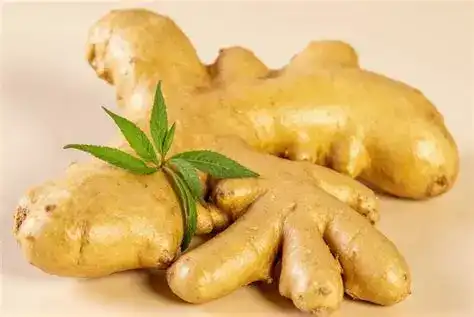
Top Uses of Ginger Extract Powder in Food and Supplement Products
Dietary Supplements: Capsules, Tablets, and Functional Formats
Supplement companies use high-concentration ratios (10:1 or 5% gingerols) to make capsules that contain useful amounts. One size 0 tablet with standardized extract can have the same bioactivity as several grams of raw ginger. This makes it easier to take the right amount of ginger. Because the Ginger Extract Powder can be used with both direct compression tableting and hard-shell encapsulation, production is sped up.
Digestive health products use the extract along with bacteria and enzymes, and motion sickness products use it to help people feel less sick. Gingerols, turmeric, and boswellia are all found in joint support products. Together, they work to reduce inflammation. The stable powder form gets rid of the differences that make claims about effectiveness less credible. It also gives R&D teams solid building blocks for creating unique formulations.
Functional Beverages and RTD Applications
Developers of drinks have to deal with special technology problems, such as sedimentation, taste masking, and heat processing degradation. Different types of water-dispersible extracts that are made to dissolve in cold water don't have the "ringing" and grit that are common with raw powders. The characteristic spicy flavor makes kombucha, energy drinks, and wellness shots taste better without making them less clear.
RTD tea brands use the extract to keep the ginger notes the same across production batches, which isn't possible with fresh rhizomes because their flavor intensity changes. The small particles dissolve quickly in both hot and cold drinks, which is great for instant mix makers. The extract can survive the high temperatures needed to pasteurize drinks so they can be stored for a long time. It keeps its gingerol content and meets food safety standards.
Food Manufacturing: Natural Flavor Enhancement and Preservation
Snack makers use the powder to make bars, baked goods, and sweets with clean-label spice flavors. Its antioxidant properties keep lipids from going bad, which means that synthetic preservatives aren't needed as much. Standardized extracts are used to back up health claims on food labels by functional food companies making granolas that boost the immune system or trail mixes that target inflammation.
The dry form of the powder makes inventory management easier than with fresh ginger, which needs to be kept cool, and there is a chance that it will go bad. Batch-to-batch uniformity makes sure that flavors are delivered consistently, which is a must for brands with strict taste requirements. Food technologists like the precise dosing control that helps make nutritional panels accurate and ensures that rules are followed.
Personal Care and Topical Formulations
Gingerol extracts are used to make massage oils that warm you up, treatments for your scalp, and creams that improve circulation. The ingredient turns on skin receptors without making blisters like fake capsaicin can, so you can feel the warmth in a controlled way. Because it works with emulsion systems, it can be added to creams and oils without changing their properties.
Anti-aging skin care lines stress that the extract protects against free radical damage as an antioxidant. Hair care companies market it as a natural way to keep hair follicles healthy, which is backed up by the fact that it has been shown to improve circulation. The KOSHER and HALAL certifications make it easier for personal care brands that want to sell to religiously strict customers to find ingredients that are in line with their beliefs.
How to Choose the Best Ginger Extract Powder for Your Brand
Evaluating Purity, Potency, and Analytical Documentation
Buying choices depend on clear specs that can be checked. It is important to get batch-specific certificates that show the active ingredient's concentration, moisture levels (below 5%), and bulk density (0.35-0.65 g/ml), which affects the capsule fill weights. This will help you tell the difference between genuine suppliers and brokers selling vaguely described Ginger Extract Powder.
The distribution of particle sizes is important—95% passing 80-mesh makes sure that the material can flow during encapsulation and blends evenly. When it comes to solubility, alcohol-soluble grades (for tinctures and softgels) are different from cold-water-soluble forms (for drinks). Formulation mistakes later on can be avoided by being clear on these factors. The levels of heavy metals (such as lead, arsenic, cadmium, and mercury) and microbes (such as yeast, mold, coliforms, and total plate count) must be in line with USP or EP book guidelines.
Critical Certifications for Regulatory Compliance
Check certifications that match your target markets in addition to basic quality marks. Organic certification meets the needs of consumers who want ingredients that are free of pesticides. GMP (Good Manufacturing Practice) certification proves that the production environment meets the standards needed for pharmaceutical-grade supplements. Brands that stress green sources like non-GMO certification.
Halal and Kosher licenses let you sell to groups of people who must follow religious rules. FDA registration, which is not the same as clearance, shows support for U.S. rules and regulations. FSSC22000, or "Food Safety System Certification," covers the whole supply chain and is very important for brands that are being audited by stores. Instead of depending on verbal promises, ask for copies of current certificates and make sure the certification body is real.
Comparing Extract Forms: Powder vs. Fresh Ginger vs. Oils
Fresh ginger gives food a real taste, but it adds wetness, microbial risks, and storage problems. Price and strength changes are caused by seasonal supply, which makes it hard to keep up with production. Ginger essential oils have a strong smell, but they don't contain the gingerols that help with digestion and inflammation. Instead, they are volatile compounds instead of bioactive phenolic compounds.
Standardized powder extracts are a good mix of strength, stability, and adaptability. The 4:1 and 10:1 concentration ratios make it easy for formulators to figure out exact equivalents to raw materials while taking up very little room in the formulas. Water-soluble versions get rid of the problems that oils cause when they try to mix with water. Because of this technical flexibility, extracts are the best choice for brands that want to make sure their products can be reproduced and meet regulatory requirements.
Supplier Selection: Factory-Direct Advantages
When you work with integrated makers that offer tracking from seed to powder, you get rid of the need for middlemen and the risk of quality issues. Thru factory-direct relationships, you can get in touch with application laboratories that can test for stability, help you improve your formulation, and give you compounding advice that is specific to your drinks, gummies, tablets, or topicals.
Suppliers with strong inventory systems can deliver stock items within three to five business days, which is very important for brands that have tight launch deadlines. It's easier to get started with product development when samples are available, and trial orders can be made with a minimum order quantity of 25 kg. Check with providers to see if they offer private labeling or unique standardization rates that will help you set your brand apart.
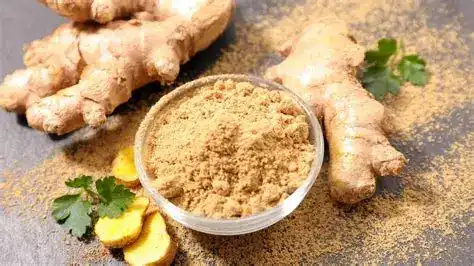
Procurement Insights: Ordering Ginger Extract Powder in Bulk
Identifying Trustworthy Wholesale Suppliers
Doing your research is what separates trustworthy makers from selling companies that don't keep an eye on production. Ask for facility inspection records, audit certifications, and proof of direct ties with suppliers of raw materials. When suppliers own growing bases, this is an example of vertical integration, which keeps prices and quality stable.
Check references from people who have bought similar products before. Check how quickly suppliers respond to technical questions. For example, suppliers who offer thorough HPLC chromatograms and solubility data show that they have knowledge that goes beyond commodity dealing. Check their ability to scale: can they provide 500 kg per month? Do they keep extra stock on hand in case demand goes up? These practical details keep Ginger Extract Powder supply problems from happening that would throw off production plans.
Understanding Pricing Structures and Volume Economics
The price per kilogram depends on the amount of gingerol, how it was extracted, and the size of the order. You can expect to pay more for organic certification or specialty forms like water-soluble grades microencapsulated. Ask for clear breakdowns: get the cost, testing fees, shipping, and packing.
Volume savings usually start to apply at 100 kg, 500 kg, and 1000 kg or more. To lock in good rates and keep an eye on your working capital, negotiate annual contracts with deliveries every three months. Make sure you understand the payment terms. FOB pricing transfers the risk of transportation, while DDP (Delivered Duty Paid) pricing guarantees costs but charges more per unit. When sourcing from other countries, take changes in currency into account when making long-term agreements.
Packaging, Logistics, and Storage Best Practices
Standard 25 kg drums with two layers of polyethylene liners keep out moisture while they're being shipped. Make sure the package is food-grade and has lot codes for easy tracking. Smaller packaging costs more per unit, but brands that are trying out different suppliers or formulas may find it useful.
Shipping ways, like air, sea, and courier, combine speed and cost. Courier is best for small orders (3-5 days worldwide), while ocean freight is best for large orders (3-6 weeks lead time). Keeping the storage temperature below 25°C and the relative humidity at 60% will keep the potency. Use FIFO (first-in, first-out) through inventory movement and keep track of opened packages separately because they break down faster when exposed to air.
Negotiating Custom Formulations and Private Labeling
For stress-digestion solutions, look into compounded mixes that combine ginger with turmeric, black pepper (which increases bioavailability), or ashwagandha. If a supplier has an application laboratory, they can try particular ratios and do stability tests under the conditions you want to use them in.
Private labeling lets you use branded packages, which speeds up the delivery process. Talk about the minimum order quantities for custom ratios, which are usually between 100 kg and 250 kg, depending on how complicated the ratio is. Protect your intellectual property if you're making your own mixes. When suppliers offer these value-added services, they become development partners instead of just selling ingredients.
Addressing Common Questions and Concerns
Safe Dosage Recommendations for Food and Supplement Use
Usually, supplements have between 500 mg and 1500 mg of daily Ginger Extract Powder (standardized to 5% gingerols), which is about 5 to 15 grams of fresh ginger. For flavoring food, lower concentrations are used, between 0.1% and 0.5% in finished goods. People who are sensitive may feel mild stomach pain if they eat more than 5g of pure gingerols every day.
Women who are pregnant should talk to their doctors, but modest use of ginger has been shown to be safe for managing morning sickness. Gingerols may make the effects of blood-thinning drugs stronger, so don't take high-dose supplements with anticoagulant drugs without a doctor's advice. Write down the reasons for dosages in product development files to back up what's on the label and answer questions from regulators.
Potential Side Effects and Contraindications
Ginger extracts are generally well tolerated at the recommended doses, but they can sometimes cause heartburn, diarrhea, and microencapsulated grades. People who have gallstones should be careful when eating ginger because it makes the body produce more bile. Even tho allergic responses are rare, they have been recorded. Standard allergen labels should be added to all formulas.
Pay attention to drug interactions: ginger may make the effects of blood thinners (warfarin), blood clot-busting drugs (aspirin), and diabetes drugs stronger. Brands that sell high-potency vitamins should include the right warnings and suggest that people who are taking prescription drugs talk to their doctor first. These safety measures show that the formulators are being responsible, which builds trust among customers.
Importance of Batch Testing and Supplier Variability
Even authorized suppliers see differences between batches because of things in the surroundings that affect the raw materials. Implement testing methods for arriving raw materials: check that the amount of gingerol in the product matches what the COA says it contains; look for adulterants (sometimes starches or maltodextrin are added to save money); and test the product's smell and taste for any off-odors that could mean it's breaking down.
Verification by a third-party lab adds maintainability, especially for brands that make therapeutic claims that need to be backed up. Keep some samples from each batch for a year after the date of expiration in case of a quality probe. This level of strict quality control protects the brand's reputation and shows that the company did its job during regulatory inspections.
Regulatory Compliance in European and US Markets
The DSHEA governs dietary supplements in the U.S. They need to follow GMP guidelines but not get pre-market approval. There needs to be proof for structure-function claims, but disease care terms should be avoided. If ginger extracts are concentrated above the levels normally used, novel food regulations may apply in the EU. Check the classification before entering the market.
Labels must include the correct botanical name (Zingiber officinale), the part used (rhizome), and the standardization percentage for both markets. If certain levels are reached, California Prop 65 may require lead content labels. To get through these complicated issues, especially for brands that are new to selling their products in other countries, you should hire regulatory experts who are familiar with the rules for herbal supplements.
Conclusion
Choosing the right Ginger Extract Powder is a strategic choice that affects how well the product works, how well it meets legal requirements, and how well it sets the business apart. Standardized powder forms have technical benefits like stable powders with uniform gingerol content and many uses. They can solve manufacturing problems that raw materials can't. Purchasing managers who put an emphasis on traceable sourcing, full certifications, and technical support from suppliers set their brands up for long-term success in the market. When you look at sellers thru the lens of their ability to integrate, test, and work together, you can change the way you buy ingredients from a business relationship to a strategic partnership.
FAQ
Is Ginger Extract Powder effective for digestive health?
There is clinical proof that it works. Studies show that eating 1g of it every day can cut nausea by 38% in just four hours by making the stomach move and empty faster. The effects of gingerols are 10–20 times higher in controlled extracts than in raw ginger. This means that supplement formulations for stomach pain, motion sickness, or nausea caused by chemotherapy can be trusted to work.
How does extract powder compare to fresh ginger in supplements?
Standardized extracts get rid of the differences in strength that come with fresh ginger, whose gingerol levels can change by up to 300% depending on how it was harvested. The powder form takes up less room, so effective amounts can fit in small pills. Stability lasts longer than 24 months, compared to just a few weeks for new rhizomes. Fresh ginger can be hard to mix with other ingredients in drinks, but water-soluble formats make it easier to do that. This makes Ginger Extract Powders theoretically better for regular commercial production.
What certifications should I verify when sourcing?
Give ISO9001 (quality control), FSSC22000 (food safety), and GMP (manufacturing standards) the most attention. Pesticide-free farming is confirmed by organic approval. Religious food needs are met by KOSHER and HALAL. Instead of supplier copies, ask for current certificates directly from the certifying bodies. Make sure that the HPLC testing methods you use to measure gingerol, check for heavy metals, and find microbial limits are in line with the USP or EP standards that apply to the markets you want to reach.
Partner with KH for Premium Ginger Extract Powder Supply
Finding botanical ingredients can be hard, so you need a producer with both technical know-how and supply chain stability. KH is an expert at making standardized Ginger Extract Powders from Zingiber officinale, with amounts of 5% to 35% gingerol that have been proven by HPLC tests. Our factory-direct model cuts out middlemen, so we can offer reasonable prices on large orders and keep shipping times between 3 and 5 business days for stocked items. We meet a wide range of regulatory needs in global markets thanks to our ISO9001, FSSC22000, KOSHER, HALAL, and HACCP certifications. Our application laboratory helps improve the formulation of drinks, capsules, tablets, and topical systems. We do more than just supply ingredients; we also offer technical support. Email us at info@kingherbs.com to get samples, talk about unique gingerol amounts, or look into private labeling options. Experience the benefits of working directly with a well-known Ginger Extract Powder maker who is dedicated to the success of your product development.
References
1,. Bode, A.M., & Dong, Z. (2011). "The Amazing and Mighty Ginger." In Herbal Medicine: Biomolecular and Clinical Aspects, 2nd edition. CRC Press/Taylor & Francis.
2. Hanyadeh, N., Yusof, R.M., & Azarmi, Y. (2013). "Ginger (Zingiber officinale Roscoe) as an Antiemetic in Cancer Chemotherapy: A Review." Nutritional Research Reviews, 26(2), 143-152.
3. Mashhadi, N.S., et al. (2013). "Anti-Oxidative and Anti-Inflammatory Effects of Ginger in Health and Physical Activity: Review of Current Evidence." International Journal of Preventive Medicine, 4(Suppl 1), S36-S42.
4. Nicoll, R., & Henein, M.Y. (2009). "Ginger (Zingiber officinale Roscoe): A Hot Remedy for Cardiovascular Disease?" International Journal of Cardiology, 131(3), 408-409.
5. Rani, P., & Srividya, N. (2014). "Standardization of Ginger Extract for Use in Dietary Supplements and Functional Foods." Journal of Food Science and Technology, 51(9), 1747-1753.
6. Shahrajabian, M.H., Sun, W., & Cheng, Q. (2019). "Clinical Aspects and Health Benefits of Ginger (Zingiber officinale) in Both Traditional Chinese Medicine and Modern Industry." Acta Agriculturae Scandinavica, Section B—Soil & Plant Science, 69(6), 546-556.
Send Inquiry
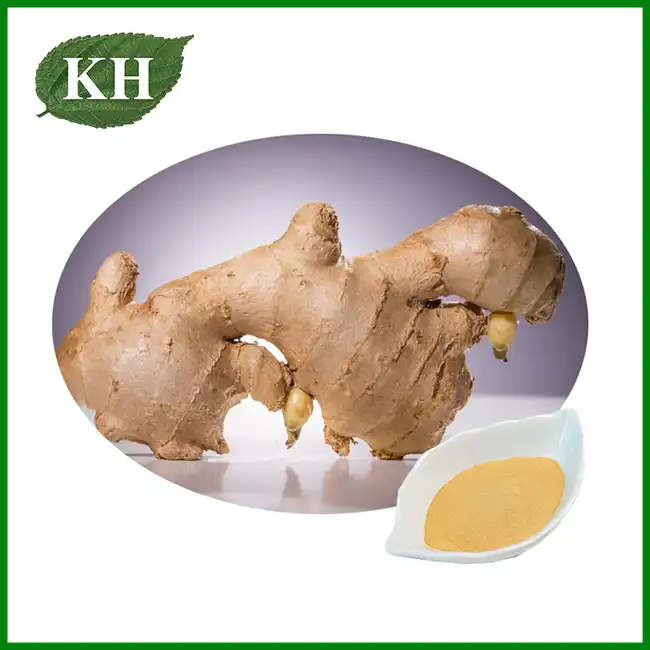
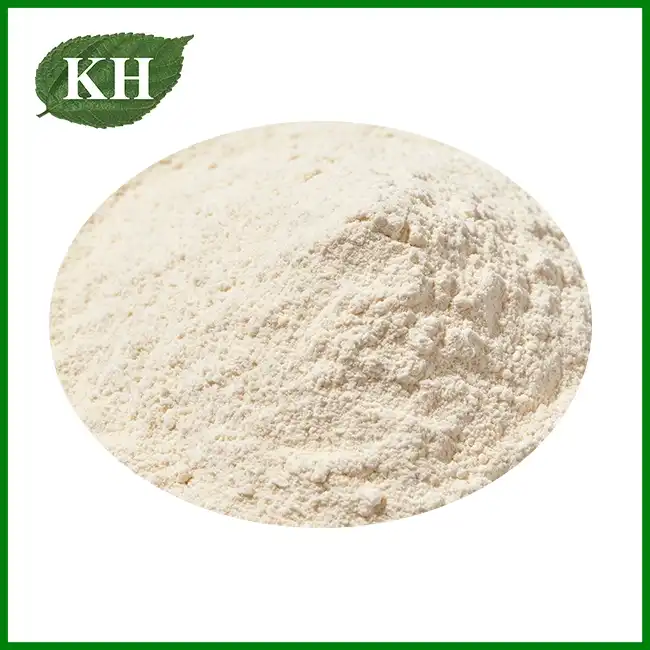
Related Industry Knowledge
- Can Melissa Officinalis Extract Support Calm and Relaxation?
- Can Astaxanthin Powder And Oil Improve Eye and Vision Health?
- Nettle Extract Powder: Nature’s Support for Prostate and Hormone Health
- Does Macleaya Cordata Extract Help With Digestive Balance?
- Maca Extract Powder: Benefits, Uses, and Dosage Guide
- Mulberry Leaf Extract Powder: Traditional Herb, Modern Science
- Vine Tea Extract Uses, Benefits & Results
- Does Lespedeza Capitata Extract Support Toxin Clearance?
- How Macleaya Cordata Extract Supports Immune Function?
- What Are the Key Nutrients in Purple Sweet Potato Extract?