
Eucalyptus Leaf Extract Benefits: Is It Right for Your Skin?
Oct 26, 2026
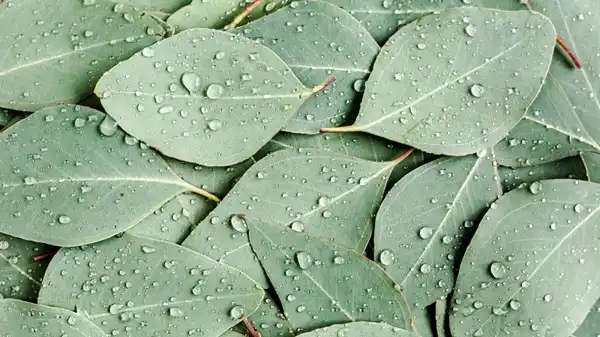
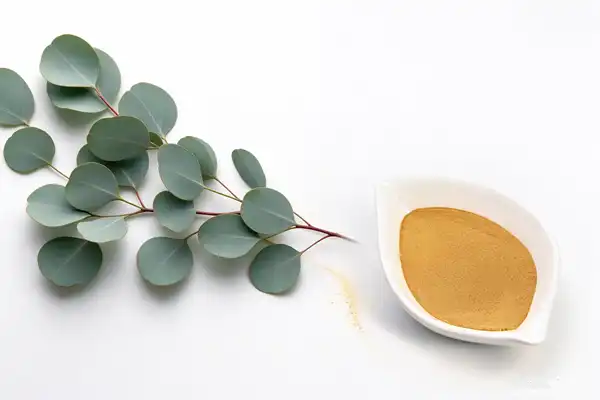
If you work in cosmetic formulation, nutraceutical research, or personal care manufacturing, you have certainly noticed how often eucalyptus leaf extract has been in ingredient talks lately. It is a fine brownish-yellow powder obtained from the leaves of Eucalyptus globulus Labill, which is rich in bioactive elements like as eucalyptol (1,8-cineole), flavonoids, organic acids, and polyphenols that cure real skin issues. Whether you’re searching for anti-acne serums, soothing creams, or clean-label products, this guide gives you the technical and procurement information you need to make an educated choice.
What Is Eucalyptus Leaf Extract and Its Key Skin Benefits?
Before you add any botanical element to your pipeline, your R&D and procurement teams need to have a sound scientific foundation. Eucalyptus leaf extract is prepared from dried Eucalyptus globulus leaves with clean water or food grade ethanol (no unpleasant solvents). The final product is a standard powder in Ratio Extract 4:1, 10:1 or Flavone 3% specification, tested by the UV method.
Antioxidant Action Against Skin Aging
It is rich in polyphenols and flavonoids that counteract the free radicals that degrade collagen and accelerate the aging process of the eyes. Research published in the Journal of Agricultural and Food Chemistry indicates that polyphenols from Eucalyptus globulus exhibit measurable radical-scavenging activity, supporting this extract as a powerful anti-aging tool for serums and moisturizers.
Anti-Inflammatory Properties for Sensitive Skin
Eucalyptol and macrocarpals in the extract block pro-inflammatory mediators. This is vital for formulators who want to work on redness, irritation, and conditions such as seborrheic dermatitis. The fact that these compounds are non-steroidal makes the eucalyptus leaf extract excellent for therapies promoted as gentle and clinically friendly.
Antimicrobial Activity for Acne-Prone Skin
Eucalyptus leaf extract has been shown to inhibit strains of Staphylococcus aureus, E. coli, and Streptococcus. It is a natural antibacterial in acne formulations at inclusion rates of 0.5%–2.0% that helps to reduce the requirement for synthetic preservatives and promote a clean-label posture.
How to Use Eucalyptus Leaf Extract for Optimal Skin Results
But that’s just half the story. Practical formulation expertise ensures those advantages really reach your end user.
Recommended Concentration Ranges
From clinical experience, a suitable range for cutaneous application is 0.5–2.0%. Eucalyptol may be a sensitizer for some at higher dosages, and patch testing procedures should be performed for concentrations over 2.0%. Try it on a modest scale initially before you go for the major guns to see how well it works with your foundation formulation
Suitable Product Formats
Works with creams, serums, gel masks & cleansers. Eucalyptus Leaf Extract: The powdered extract is very minimally soluble in water, and clear aqueous formulations may need a co-solvent such as glycerin or a polysorbate-based solubilizer to avoid tannin sedimentation. The brownish yellow tint of the powder needs to be addressed for the esthetics of the product at an early stage of development.
Pairing With Complementary Actives
This extract works well with Niacinamide in brightening mixes and Hyaluronic acid in moisturizing mixtures. Its natural preservation action may also lessen the total synthetic preservative burden in your system, something that appeals to clean-beauty shoppers. Polyphenols may darken when oxidized, so always do a compatibility study before using them with actives high in metal ions.
Eucalyptus Leaf Extract vs. Other Popular Skin Ingredients
“Procurement specialists always compare botanical actives before choosing suppliers.” So what does eucalyptus leaf extract seem like over a close alternative?
vs. Eucalyptus Essential Oil
The oil of eucalyptus is produced by steam distillation of the leaves. It has practically all the volatile terpenes. But the leaf extract includes non-volatile polyphenols, tannins, and flavonoids, which provide more complete coverage of the antioxidant and antibacterial actions. Oil is more prone to oxidation and may add to a sensitization risk. Extract form is often used in skin treatments for long-term stability.
Tea Tree Oil
Tea tree oil is well known in the treatment of acne, but its strong irritancy potential and special aroma limit its use in cosmetic compositions. Eucalyptus leaf extract has a comparable antibacterial action, but a more neutral sensory profile and better compatibility across a wider pH range. This is a major difference for organizations that promote delicate skin lines.
Organic vs. Non-Organic Sourcing
Natural cosmetic certification: ECOCERT; COSMOS certified; Premium retail location. Eucalyptus leaf extract, organic. But non-organic grades are good for medical and farming purposes where organic certification is not a legal requirement. If you do this early in the procurement process, you won't have to retool later. Check your provider's certification level.
Addressing Safety and Side Effects: What B2B Clients Need to Know
Any finished product sold in the US has to have safety documentation. Your QA team will need to see detailed explanations before they will sign off on an ingredient.
Common Adverse Reactions and How to Mitigate Them
Eucalyptus leaf extract may cause contact dermatitis in susceptible people (sensitive to plants containing cineole). The patch is usually tested at the concentration of use for which it is intended. Maintaining inclusion levels between 0.5% and 2.0%, and using standardized batches with confirmed active content greatly reduces the danger of sensitization to the general consumer population.
Considerations for Vulnerable Groups
Topical preparations of eucalyptus are not typically suggested for children under two years of age, and products for use during pregnancy should have a warning label. Have your regulatory team check the labeling requirements for the product category under FDA OTC monograph regulations or INCI standards.
Regulatory Compliance Framework
Cosmetics containing eucalyptus leaf extract must meet the voluntary cosmetic registration standards of the Food and Drug Administration. 21 CFR Part 111: GMP compliance for dietary supplement applications. Documentation trail from suppliers for local and export markets, including batch level Certificates of Analysis (CoA), HPLC or UV test results, and microbiological screening data, is received by your QA team.
Procuring Eucalyptus Leaf Extract for Skin Care Products: A Strategic Guide
Once your formulation team has approved an ingredient, it’s all about the reliability of the supply chain. And this is what you should be thinking about as a procurement team before you engage with a supplier.
- Certifications: Ensure the supplier is certified to ISO9001, FSSC22000, HACCP, KOSHER, HALAL, and FDA standards. These are baseline quality signals for US market and retailer audit requirements and compliance.
- Batch Documentation: A UV-tested CoA with actives, micro results, and heavy metal screen shall accompany commercial shipment. The obvious difference in quality is the traceability of each batch from the planting base to the finished powder.
- Extraction Method: Water or food-grade ethanol extract only. Solvent-free processing enables you to preserve your clean label claim and pass regulatory inspection.
- Eucalyptus leaf extract providers should be prepared to handle small trial orders as well as the commercial minimum order quantity (MOQ) of 25 kg per drum. So your team can test performance before you purchase in volume.
- Lead Time & Logistics: Ready stock and dispatch by courier, air or ocean freight will reduce the risk of supply chain disruption, particularly for rapidly moving product launches.
These traits can also help you discover vendors who can offer ingredient purity as well as commercial scalability. Choose a partner that offers application lab support (in formulation optimization and stability testing) to greatly reduce your in-house R&D effort.
Conclusion
Eucalyptus leaf extract globulus Labill leaf extract is a good choice for skin care products because of its antioxidant protection, anti-inflammatory effect, and antibacterial activity. It’s available in Ratio Extract 4:1, 10:1, and Flavone 3% standards to provide your development team alternatives across product categories. The key to unlocking its maximum potential is to obtain it from a source that delivers proven active content, clean extraction methodologies, and reliable documentation. When those requirements are satisfied, this botanical element might be a possible differentiator for your product line in a competitive market.
FAQ
1. Is eucalyptus leaf extract safe for all skin types?
It is generally well-tolerated at 0.5%–2.0% inclusion rates. However, individuals with known sensitivities to cineole-containing botanicals should conduct patch testing before use. Dry or compromised skin barriers may show irritation at higher concentrations, so starting at the lower end of the recommended range is advisable.
2. How does eucalyptus leaf extract differ from eucalyptus oil?
Eucalyptus oil contains primarily volatile terpenes obtained through steam distillation. The leaf extract includes those volatiles but also concentrates non-volatile polyphenols and flavonoids that deliver stronger antioxidant and broader antimicrobial benefits — and better stability — in finished skin care formulations.
3. Can eucalyptus leaf extract be combined with other actives?
Yes. It pairs well with niacinamide, hyaluronic acid, and centella asiatica. Avoid combining it with high-concentration metal-ion actives without stability testing, as polyphenol oxidation can alter product color and potency.
4. What specifications are available for B2B buyers?
KH offers Ratio Extract 4:1, 10:1, and Flavone 3%, tested by the UV method, packed in 25 kg drums. Samples and small trial orders are available before committing to commercial quantities.
5. What is the shelf life of the extract?
Properly stored in airtight, light-resistant containers at controlled humidity, the extract maintains stability for 24 months. Because the powder is hygroscopic, storage environment management is important to prevent caking.
Request a Sample of KH Eucalyptus Leaf Extract Today
KH has been producing botanical ingredients since 1996, and our eucalyptus leaf extract supplier capabilities cover everything from small trial samples to scalable commercial volumes. Each batch ships with full UV test documentation, microbiological screening results, and traceability records. Our application lab team can also support your formulation process with compounding advice and stability testing. Ready to evaluate this ingredient for your next product? Contact us at info@kingherbs.com to request a sample or discuss a custom specification.
References
1. Cermak, P., et al. "Antimicrobial activity of Eucalyptus globulus essential oil and its major components." Journal of Agricultural and Food Chemistry, 2007.
2. Bachir, R. G., & Benali, M. "Antibacterial activity of the essential oils from the leaves of Eucalyptus globulus against Escherichia coli and Staphylococcus aureus." Asian Pacific Journal of Tropical Biomedicine, 2012.
3. Mulyaningsih, S., et al. "Synergistic properties of the terpenoids from Eucalyptus globulus in dermatological applications." Phytomedicine, 2011.
4. Sadlon, A. E., & Lamson, D. W. "Immune-modifying and antimicrobial effects of eucalyptus oil and simple inhalation devices." Alternative Medicine Review, 2010.
5. Elaissi, A., et al. "Chemical composition and antioxidant activity of Eucalyptus spp. leaf extracts." Food Chemistry, 2012.
6. Hammer, K. A., Carson, C. F., & Riley, T. V. "Antimicrobial activity of essential oils and other plant extracts." Journal of Applied Microbiology, 1999.
Send Inquiry
Related Industry Knowledge
- Why Is Avocado Refined Oil Popular With Professional Chefs?
- Ivy Extract Powder: Does It Ease Chronic Cough Naturally?
- Is Organic Bitter Melon Extract Powder Better for Supplements?
- How Bamboo Leaf Extract Is Made: Harvest to Extraction
- Can Bitter Melon Extract Powder improve blood sugar?
- How to Identify Premium Bacopa Monnieri Extract Powder?
- Mulberry Leaf Extract Powder: Traditional Herb, Modern Science
- Olive Extract Powder vs Standard Olive Leaf: Key Differences
- Can Olive Extract Powder Help Manage Blood Pressure Naturally?
- Lespedeza Capitata Extract: Targeted Botanical for Urinary Wellness