
Cocoa Seed Extract Benefits: What Manufacturers Should Know
Nov 27, 2026
Cocoa seed extract is a concentrated botanical ingredient made from the seeds of Theobroma cacao L. Manufacturers value it for its polyphenols, including epicatechin and catechin, and for its theobromine content. These compounds give formulators a defined, plant-based material for supplements, functional foods, beverages, and skincare. The benefits depend on specification, extraction method, and documentation, so buyers need clear data before they approve a lot. In this article, we explain what the ingredient is, where it fits, which specifications matter, and how to buy it with confidence. We also describe the support KH offers to B2B customers.
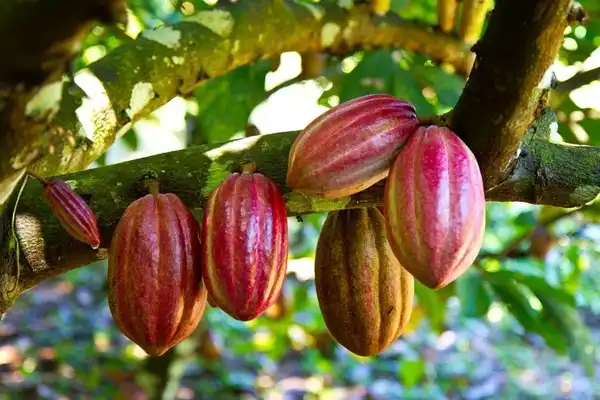
What Is Cocoa Seed Extract?
Botanical Source and Terminology
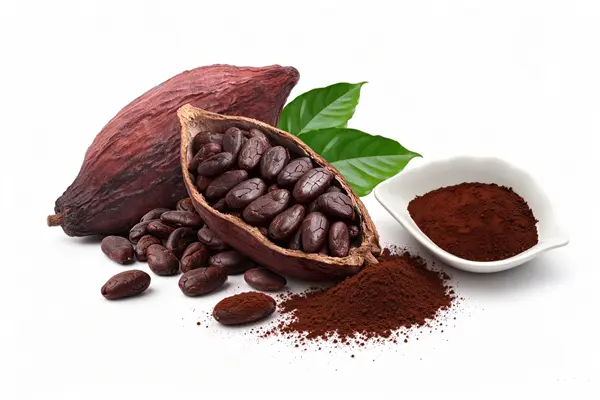
When you think of a cocoa bean, you probably think of its seeds. That's where our cocoa seed extract comes from. Every market has a different set of labels. Different companies use the terms cocoa seed extract, cocoa bean extract, and chocolate extract to talk about different things. People who want to buy should get all four of these things in writing, since the name doesn't say anything about the plant part, the extraction solvent, the carrier, or the marker compounds. We sell fine, brown powder that smells like cocoa. Not only does it have methylxanthines like caffeine and theobromine, but it also has proteins, dietary carbohydrates, and fatty acids. Besides that, it has polyphenols such as procyanidins, epicatechin (which is the most common).
How the Extract Is Made
Instead of using dangerous chemicals, we make cocoa seed extract with water and ethanol that can be eaten. This process is called hydro-ethanol extraction. First, the raw materials are gathered and ground up. Then, they are extracted, concentrated, dried, standardized, packaged, and so on. Each step changes the powder that is left over. How much polyphenol is in the powder depends on how long it was extracted and how much liquid was used. The conditions of drying also change the color and stability. It takes between four and ten parts of raw seed to make one part of our extract. This is what 4:1 and 10:1 mean. The ratio alone doesn't show the active ingredient, so we also use UV and HPLC testing to make sure the marker compounds are correct.
Why Processing Changes the Result
To get the chocolate out of the nuts, they are fermented, dried, and sometimes baked. It changes the chemistry with each step. There was a review in 2011 in Antioxidants & Redox Signaling that talked about how steps like fermentation and roasting can lower the amount of flavanol that beans have. Origin, harvest time, and the way the oil was extracted all add to the variety. So, we work with planting bases to keep an eye on types of plants, soil, and when to harvest them. There is a full HPLC measurement report for each run. This report tells quality assurance teams that one lot of cocoa seed extract bought from abroad is the same as another. It also gives them a record to keep.
Cocoa Seed Extract Benefits and Uses
Polyphenols and Flavanols
These polyphenols from cocoa seed extract are mostly used in business because they protect cells from damage. In lab tests like DPPH, cocoa polyphenols get rid of free radicals. Vascular function in people has been looked into. In 2012, the European Food Safety Authority (EFSA) looked into a claim that saying you ate 200 mg of cocoa flavanols every day would cause your blood vessels to widen normally. Over 21,000 adults in the US took part in a study that was published in the American Journal of Clinical Nutrition in 2022. The study looked at one cocoa extract supplement. For some cardiovascular events, it didn't cut down on deaths by a statistically significant amount, but for cardiovascular deaths, it did. Things are still not clear, but these data show promise, so claims about a final product need to be checked.
Theobromine and Mood Research
It is theobromine that makes up a lot of cocoa. A 2004 study in the journal Psychopharmacology says that theobromine and caffeine are the parts of chocolate that make you feel different and wake you up. Our cocoa seed extract has between 4% and 98% theobromine, so formulators can choose between a strong chocolate taste and a very pure grade. You should find out how much methylxanthine you are taking in per serving since the extract also has caffeine in it. The FDA says that 400 mg of caffeine a day shouldn't be a problem for healthy adults. It's helpful for people who make things for regular people to know that number.
Where Manufacturers Use It
Cocoa seed extract can be used in three main ways. Companies that make supplements put the powder in capsules, pills, and soft capsules to give people thoughts about antioxidants and brain health. It gives bars, drinks, and sweets a brown color and cocoa notes. It is also checked for how sharp and astringent it is. Cosmetics made from flavonoids found in plants are used to come up with skin care ideas. For instance, powders should be able to move around easily, drinks should be able to mix without any clumps, and emulsions should be tested to make sure they work together. Our application lab is where these tests are done on drinks, gummies, tablets, and skin care systems.
Specifications, Formats, and Quality Control
Core Product Specifications
The cocoa plant's seeds are used to make our cocoa seed extract. It looks like a fine brown powder. There are two extract amounts that you can choose from: 4:1 and 10:1. Flavonoids are found in amounts between 1% and 20%, polyphenols are found in amounts between 10% and 40%, and theobromine is found in amounts between 4% and 98%. With these ranges, you can use the same family of products for various tasks. If the grade has more flavonoids, it fits with antioxidant ideas. If the grade has a lot of theobromine, it fits with formulas that are based on that marker. This is how most things are packed: in a 25 kg drum. You can ship by express, air, or water. When someone wants to buy a lot, they should always make sure they know the grade, number, and test method used for that lot.
Testing, Certifications, and Safety Checks
Being good starts with being yourself. Before buying cocoa seed extract, a person should find out about the organic source, plant part, marker chemicals, and contaminants. Cadmium and lead can be taken up by cocoa from the ground. Because of this, results for heavy metals, pesticides, solvents left over, and microbes should all be part of every review. We have seals of approval from the FDA, KOSHER, HALAL, FSSC22000, and ISO9001. Our goods also meet the standards set by USP and EP. With every batch, a full HPLC report is sent. The quality teams in the US can use these files with their own source approval program and order sheets.
Claims and Regulatory Review
What is said about a finished product and what an ingredient does are not the same thing. Labels that say something about antioxidants, heart health, happiness, or brain function need to have proof and be looked over according to the rules of the audience they are trying to reach. In the US, supplement claims must follow the rules set by the FDA, and claims about structure and function must be backed up. Flavonols in cocoa are still being studied, and the results of one study design don't always apply to a different amount or style. Customers are told to have regulatory staff read the words before the start. That way, your team can make claims based on real facts. We give them details about the ingredients, such as their specs and research reports.
Choosing and Buying Cocoa Seed Extract
Comparing Related Ingredients
Cocoa seed extract is often mistaken for cocoa powder, cocoa bean extract, or cacao extract. Cocoa powder is added to food to make it taste better, change the color, and make it dense. It holds on to fat and a range of phytochemicals. People who make drugs use concentrated cocoa seed extract when they need less of certain chemicals that are regulated. Even if cocoa bean extract comes from the same plant, it may be processed, bottled, or mixed in different ways. Also, "cocoa" and "cacao" are used in different ways by different sellers. This is why we suggest that you use verified specs, analytical data, and processing records instead of product names when you compare them. Usually, all you need to do is quickly compare two certificates of analysis next to each other.
A Procurement Checklist
Here are some things you should think about before you ask for a price quote on cocoa seed extract. How much will you take, and how will you use it? How much theobromine, flavonoids, or polyphenols do you need? What kinds of licenses does your business need? Find out from the seller the name of the plant, the solvent used for extraction, the test methods, the minimum order quantity (MOQ), the wait time, and how the product will be packed. You should only compare prices per kilogram for specifications that are the same. This is because costs can change based on ratio, standardization, testing, and order volume. A better way to compare things is to look at the cost per useful serve. Teams can try samples and small orders of up to 25 kg before committing to a large order. This way, they can be sure they like a grade.
Mistakes to Avoid
Several mistakes are always being made in projects that use cocoa seed extract. If you only look at the name, you could get different plant parts or ways of extracting them. If you're only interested in the amount of flavonoids, you might not think about how bitter, digestible, or safe the substance is. If you don't figure out the amount of theobromine, the amount of methylxanthine in a serving could be higher than what was intended. This is especially true for foods that already have caffeine in them. The best price per kilogram might cost you more in the long run if some batches don't work out and you have to test the recipe again and again. The risk goes up when a lot of something is approved without a test batch or representative sample. If you want to keep the heat from getting too much on the extract, you should add it at the end of making protein bars and other similar dough-like things.
How KH Supports Your Cocoa Seed Extract Development
Traceability from Seed to Powder
KH has been in business since 1996 and now makes a lot of different plant-based and herbal products. There are good planting bases for us, and we choose the plants, the soil, and the time of harvest. In other words, the active content doesn't change from one lot to the next. We never use harmful solvents for extraction; we only use clean water or ethanol that can be eaten. This makes sure the powder stays a clean color and breaks down quickly. Each batch comes with a full HPLC report that QA teams can use to keep track of each batch. A problem that a lot of procurement managers have is that the quality of raw materials changes from order to order. This end-to-end control from seed solves that problem.
Technical and Formulation Support
We're not just a service company; we're also a good partner for you. It is possible to try stable products, make changes to formulas, and create drinks, gummies, pills, skin care products, and other systems in our application laboratory. When R&D teams want to stand out, they can ask for a custom ratio when they are sampling. We can make mixes with certain ratios or functions. Our team can talk about and test microencapsulation and other ways to hide the bitter taste in drinks. The only way to get finished goods is in the form of soft pills. Formulators and brand owners who need more than a data sheet can use this service.
Samples, Lead Times, and Logistics
Speed is important once a start date has been set. When we keep cocoa seed extract in stock, we can quickly ship samples and other things that are already in stock. It takes three to five business days to ship. For small things, courier services are used. For important loads, air freight is used. And for large orders, ocean shipping is used. We do professional logistics work and are happy to take small sample or trial orders. Our one-stop sourcing service also deals with other chemicals, vitamins, and extracts, so a group of buyers can only deal with one company for all of their needs. Users can try out a grade before they make a lot of them because the lead time is short and there are different order sizes.
Conclusion
Theobroma cacao L. seeds are used to make cocoa seed extract, a concentrated ingredient. It's used by manufacturers because it meets certain needs. People want to use its flavanols, theobromine, and polyphenols in skin care products, supplements, foods, and drinks. However, research results aren't always consistent, and the government needs to look over claims made about finished products. Its chemistry changes based on where it comes from, how it was handled, and how it was removed. This is why the test method, contaminant data, extract ratio, and marker content are more important than the product name. You can avoid making mistakes when you compare cocoa powder, cocoa bean extract, and chocolate extract using facts that have been checked. You can also get a good idea of how much they cost by comparing prices for items with the same specs. Representative samples, field studies, and calculations of theobromine and caffeine usage are used to lower the risk of the product before it is allowed for wide use. Supply that you can count on still comes from reliable sources and studies done at the small level.
FAQ
How does cocoa seed extract help businesses the most?
A powder that smells like cocoa is what the extract is made of. It contains a lot of polyphenols, flavanols, and theobromine. It backs up what we know about antioxidants, mood, and the heart, but we need to check out what it says about the finished product.
Is cocoa seed extract the same as cocoa powder?
No, cocoa powder keeps the fat and many plant-based chemicals. The extract is mostly made up of marker chemicals, and the polyphenol amounts we offer range from 10% to 40%.
May I order a small amount to test?
Yes. You can order a sample or a trial order for a few kg. For business use, the least you can buy is 25 kg, which comes in 25 kg drums.
Does the extract contain caffeine?
It does have caffeine and theobromine in it. Before you use it, look at the proof of analysis to make sure it really does not contain caffeine.
Request a Cocoa Seed Extract Sample or Bulk Quote from KH
Are you putting out something with cocoa seed extract? You can get samples of KH's cocoa seed extract right now. They also have 25 kg drums of the stuff that can be sent out in 3–5 business days. Send us an email at info@kingherbs.com with what you want to use the polyphenol or theobromine for and how much you need each year. We'll get back to you with a price and more information. You can also visit https://www.kingherbs.com/ to find out more about our goods and services.
References
1. American Journal of Clinical Nutrition, 2022
2. EFSA Journal, 2012
3. Antioxidants & Redox Signaling, 2011
4. Food and Chemical Toxicology, 2021
5. Psychopharmacology, 2004
6. U.S. Food and Drug Administration, 2018
Send Inquiry
Related Industry Knowledge
- Why Choose OEM Mangosteen Extract Powder for New Products?
- Best Centella Asiatica Extract Powder for OEM Skincare
- Ginger Extract Powder vs Ginger Powder: Key Differences
- Can Cocoa Seed Extract Enhance Antioxidant Formulas?
- Cocoa Seed Extract Benefits for Functional Food Formulas
- Could Artemisinin Powder Be the Next Trend in Herbal Medicine?
- Ivy Extract Powder | Benefits In Upper Respiratory Health
- How Effective Is Rhizoma Coptidis Powder for Detox Support?
- Can Dill Seed Extract Support Metabolism and Wellness?
- Watermelon Powder: Heart Health & Hydration Support