
Can Apple Root Extract Help Reduce the Look of Dark Spots?
Nov 20, 2026
Apple root extract may help reduce the look of dark spots, but it works best as a supporting ingredient, not a stand-alone fix. It contains phloridzin and phloretin, two compounds that laboratory studies link to antioxidant activity and tyrosinase inhibition. Tyrosinase is an enzyme involved in melanin production. These findings point toward brighter-looking, more even skin. They do not prove that a cream treats a pigmentation disorder. Results depend on concentration, formula quality, regular use, and daily sunscreen. In this article, I explain what the extract is, how it compares with other actives, and how brands can evaluate it before buying.
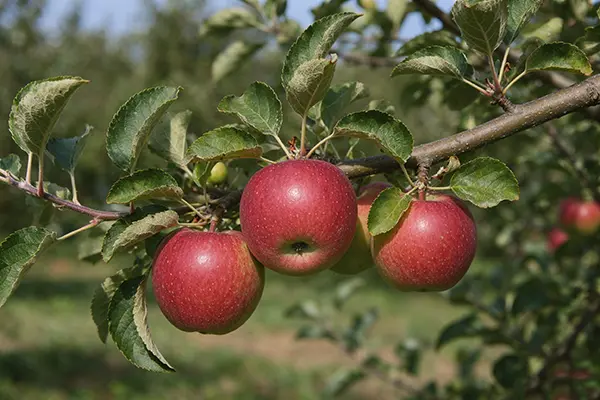
What Is Apple Root Extract?
I have something to say before we talk about the skin. What "apple extract" really means changes from recipe to recipe.
Botanical Identity and Source
The roots of apple trees are where apple root extract, a plant-based ingredient, is found. Malus pumila Mill.'s root is the only part of the plant that is used. It's important what you learned because fruit peel, seeds, juice, and other fruit-based foods are made up of different things. Soils are not the same as roots. Diabetes/Metabolism Research and Reviews says that phloridzin was found in the bark of an apple tree for the first time in 1835. So, people have known about the tree's wood for a very long time. Before giving the go-ahead, formulators should look at each lot's scientific name, plant part, extraction method, and recommended use level.
Phloridzin and Phloretin
A dihydrochalcone glycoside is what this is called phloridzin. This molecule is still the same if you take the sugar out of it. Phloretin is what it's called. Because of this pair, people are interested in skin care. A 2017 article in Phytochemistry Reviews talks about lab work that looks at how phloretin works as an antioxidant and how it impacts tyrosinase. It changes sodium-glucose transporters, which is what it does for the most part. This is another reason why it is used in metabolism tests. These two things help me keep track of my skin care work. Not only can formulators look at batches and compare them, but HPLC also lets them measure the differences between them.
KH Product Specification
Malus pumila Mill. root is used to make our apple root extract, which is a fine white to off-white powder. To get it out, we never use poisonous chemicals, only clean water or ethanol made for food. Based on HPLC tests, it shows that phloridzin should be 90% to 98% and phloretin should be 80% to 98%. Every batch has a full HPLC report. For organic goods, we have approval from the FDA, FSSC22000, KOSHER, HALAL, HACCP, the EU, and the USDA. The powder is kept in 25 kg drums, and our products follow USP and EP rules.
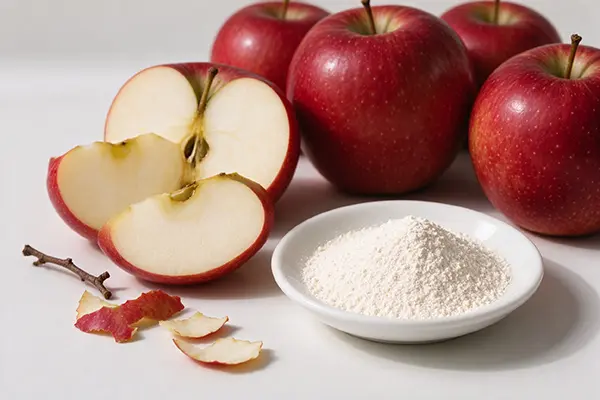
How Could Apple Root Extract Help Reduce the Look of Dark Spots?
Now that everything is clear, let's look at how the skin's cells work. Here, I describe the difference between what lab research says and what a finished product says.
Antioxidant and Tyrosinase Activity
UV light and other things can make reactive oxygen species stronger. The tone can look dull and off because these molecules aren't steady. Flavonoids, like phloretin, could help make you feel less stressed. Tyrosinase is an enzyme that starts the process of making melanin. Lab tests have also shown that phloretin can slow it down. In 2017, Pillaiyar and others wrote an article for the Journal of Enzyme Inhibition and Medicinal Chemistry about tyrosinase inhibitors. They also talked about why this enzyme is often targeted by things that make skin look better. It's not true that the skin will change in a way that can be seen just because enzymes work slower in a test tube. I wouldn't call it a treatment because of this. I'd call it something that makes skin look better instead.
What Causes Dark Spots
Dark spots can show up in a number of different ways. Being in the sun, getting acne, getting small cuts, changing hormones, getting older, and using harsh skin care products are a few of these. Davis and Callender wrote about bright spots after inflammation in the Journal of Clinical and Aesthetic Dermatology in 2010. They say this happens to a lot of people, mostly dark-skinned people. There isn't a single thing that will work in all situations because they are all different. It's important to use broad-spectrum sunscreen every day because the sun can fade marks and undo any progress made on the skin's brightness over time. There is less pain when you use ingredients that clean softly, hydrate, and support the barrier. Don't use a beauty product on spots that bleed, hurt, change color quickly, or aren't the same color all over. Instead, see a doctor.
What the Evidence Shows
Proof comes in many forms. Antioxidants and cells are interesting to look at. A lot more weight is given to readings from instruments and skin models. To make the most money, try the end product on real people. Several natural ingredients were looked at in a study that came out in 2018 in the Journal of Clinical and Aesthetic Dermatology. A small study found that some of them might help with discoloration. A study published in 2012 in the Journal of Cosmetic Dermatology combined vitamin C, ferulic acid, and phloretin. In tests on people, it showed that it lessened the damage that UV light did. That study looked at more than just phloretin. If the seller says they did research, you should find out how many people were involved, how much was used, how long the study lasted, and who the control groups were.
Apple Root Extract Compared With Other Dark-Spot Ingredients
Buyers don't usually pick just one thing to do. If you look at apple root extract next to other well-known choices, you can see where it fits in and where it doesn't.
Versus Vitamin C
Vitamin C is the most well-known way to make skin look brighter. It also needs care. Keep L-ascorbic acid out of the light and air, and make sure its pH stays low. Being stable and properly packed needs to be thought about early on. Apple root extract can't be used instead of it. As was already said, a study from 2012 shows that phloretin and vitamin C can work well together as antioxidants. Still, each mix needs its own tests to make sure it is safe and stable. Getting a taste of this match is the next step if your brand wants to use a plant that isn't often used.
Versus Niacinamide
Niacinamide is used by many to make skin tone more even and protect it better. Another thing that has been shown is that it can make hyperpigmentation look less noticeable. A lot of people are good at it, and it's not hard to make. Apple root extract is thought to work in a different way, but it does stop tyrosinase and keep cells from getting hurt. Niacinamide makes us feel good, and the product can teach us about plants and everyday chemicals that mark them. Pick based on what you say, who you want to sell to, and the proof you can show.
Versus Alpha Arbutin
Because it stops tyrosinase, alpha arbutin fits with ideas for specific brightening. Teams need to check the rules to see how much they can use it in some places. Apple root extract is a plant-based option that has antioxidant qualities that most people don't know about. When someone buys something, I tell them to look at how useful it is, how likely it is to irritate them, how much it costs, how safe it is to use, and how well it fits the rules. A lot of whitening products only use a small amount of a few ingredients that are known to help with the look of spots. There's no need to add an extract just because it's trendy. You should do it because it makes the product better.
How to Use Apple Root Extract in a Skincare Formula
The work moves to the bench once you've chosen your actives. These steps help make sure that claims aren't late or not strong.
Formulation Steps
Make a list of what needs to be done first. Check the plant's botanical name, the part of the plant it comes from, the solvent used to extract it, the marker compounds, how well they dissolve, how they look, and the recommended dose. We need to use our fine powder to test each base first to be sure. Creams, gels, masks, serums, and ampoules might all work with it. First, it's important to check if phloridzin and phloretin can be broken down. Most of the time, they work better in warm or ethanol-based liquids than in cold water. Once you're done, test it for heat, pH, color, smell, viscosity, keeping things fresh, and packaging. Cooling agents, humectants, and things that help the barrier stick together should be added to the mix. Every mix has to be safe, stable, and follow the law before it can be sold. Our application lab helps make formulations better, test them for stability, and give advice on how to compound.
Common Mistakes
In many projects, things go wrong. Teams use all apple-based items the same way, even though fruit, peel, and roots are all different. They believe that something coming from nature means it is safe or has results that can be seen. It doesn't talk about sunscreen or barrier care. Some wash their faces with too many things that scrub and whiten the skin at the same time, which can hurt the skin and make uneven skin tone look worse. The language used in claims is the most dangerous thing for lawyers. Terms like "clears up pigmentation," "treats melasma," and "clinically proven" need strong proof and a legal review for every market. Each ingredient should be made clear, the process should be closely watched, and customers should be honest about what they want.
Is It a Good Fit for a New Brightening Product?
Apple root extract works well in antioxidant moisturizers, plant-based serums, face masks, and lines. It can also be used for OEM and ODM projects that have to do with wellness. You may want to look at a different active if you need a higher amount of clinical data on people or very specific claims about pigmentation. Think about how good the proof is, how safe it is, how well it fits with other proof, how much it costs, and how the supply stays steady. Start a stability program, look over a sample, and make a test recipe before you place large orders. Also, make sure what you say is real. Samples are sent in 3–5 business days, so your lab can get real stuff quickly.
How Should B2B Buyers Evaluate an Apple Root Extract Supplier?
If the delivery line is weak, nothing else will work. These are the things that make me rate a supplier.
Documents to Request
Price is not the only thing you should consider. Ask for COAs that are unique to each batch, SDS and TDS files, HPLC reports, microbial limits, heavy-metal and pesticide results, information on solvents that are left over, stability data, and information on how to store the samples. Make sure the INCI name and rules are right for the people you want to sell to. It doesn't help to have a license that can't be tied to the drum you get if you can't show it. There is a full HPLC analysis report for each batch, which makes it easy for your QA team to see the parts.
Traceability and Process
The field is a good place to get raw materials. They help us choose the right soil, plant type, and time to harvest. Lots of small changes are avoided so the active content stays stable. Pure water or ethanol that is safe for food is used for extraction. These are some of the standards that your inspectors can start learning about: ISO9001, FSSC22000, HACCP, KOSHER, HALAL, FDA, ORGANIC (EU), and ORGANIC (USDA). Any supplier will be able to tell you how to keep track of batches, get ready for an audit, and handle a recall. When people talk about sustainability, they need to back up what they say with facts that can be checked.
Samples, MOQ, and Delivery
It's important for growth to move quickly and be able to adapt. You can ask for samples or place a small test order. It will take 3–5 business days to ship plain or sample items that are in stock. The first order for business use is 25 kg. When you have stock on hand, you can ship quickly by courier, air, or sea. Our team does more than just supply. They also give advice on compounding, improve formulations, and make sure that drinks, skin care products, gummies, and tablets are stable. Also, we can make compounds just for you that have certain roles or amounts. The QA, R&D, and buying teams can all work with the same person thanks to this service.
Conclusion
Apple root extract can help make your skin look lighter and more even, but it won't get rid of all the dark spots. The main chemicals in it, phloridzin and phloretin, have been tested in the lab and found to work with tyrosinase and as antioxidants. There isn't much proof from people for the extract itself, though. Remember to be gentle, use sunscreen, and protect your skin every day to get rid of dark spots. You can use the plant extract instead of vitamin C, niacinamide, and alpha arbutin. It might work with these active ingredients instead of taking their place. It is important to have a clear specification, confirm it with HPLC, test for solubility and stability, make sure the claims are true, and test the finished product. If someone wants to buy an ingredient, they need to look at batch paperwork, tracking, regulatory fit, and a steady supply to make sure it's right for a new product that makes things better. But brands shouldn't say that it gets rid of spots or treats medical coloring issues. All they should say is that it may make your skin look lighter.
FAQ
Can apple root extract remove dark spots permanently?
No. Apple root extract might support brighter-looking skin, but brands shouldn't say that it gets rid of spots or treats medical coloring issues. All they should say is that it may make your skin look lighter.
How long do visible results take?
For most things to make your face better, you have to use them every day for a few weeks. If you have different skin or use different recipes, you might not get the same results.
Is it suitable for sensitive skin?
Check for irritation and safety before you start. Complete safety and patch testing before launch.
Can it be paired with vitamin C and niacinamide?
It can be used to test both. Check your own base's pH, stability, and ability to work with other chemicals.
What documents should I request from a supplier?
Find out about heavy metals and germs, as well as getting an HPLC report, a COA, an SDS, and a TDS.
Can it be used in OEM or private-label projects?
Yes, once the tests are done, the stability checks are done, and the claim is reviewed. Our first order will be a small test.
Discuss Your Apple Root Extract Project With KH
KH has produced botanical ingredients since 1996. Tell info@kingherbs.com what kind of product it is, who it's for, how many items you need certified, and how big your order is. It will be stocked with apple root extract that has been checked by HPLC. You can get samples in 3–5 days. The people who work here will talk about samples, how much you can buy, and recipes. To find out more about KH's goods and services.
References
1. Behzad S, et al. Health Effects of Phloretin: From Chemistry to Medicine. Phytochemistry Reviews, 2017.
2. Ehrenkranz JRL, et al. Phlorizin: A Review. Diabetes/Metabolism Research and Reviews, 2005.
3. Pillaiyar T, et al. Skin Whitening Agents: Medicinal Chemistry Perspective of Tyrosinase Inhibitors. Journal of Enzyme Inhibition and Medicinal Chemistry, 2017.
4. Davis EC, Callender VD. Postinflammatory Hyperpigmentation: A Review of the Epidemiology, Clinical Features, and Treatment Options in Skin of Color. Journal of Clinical and Aesthetic Dermatology, 2010.
5. Hollinger JC, et al. Are Natural Ingredients Effective in the Management of Hyperpigmentation? A Systematic Review. Journal of Clinical and Aesthetic Dermatology, 2018.
6. Oresajo C, et al. Protective Effects of a Topical Antioxidant Mixture Containing Vitamin C, Ferulic Acid, and Phloretin Against Ultraviolet-Induced Photodamage in Human Skin. Journal of Cosmetic Dermatology, 2012.
Send Inquiry

Related Industry Knowledge
- Why Use Scutellaria Baicalensis Extract in Herbal Supplements?
- Best Centella Asiatica Extract Powder for OEM Skincare
- Is Aloe Vera Gel Powder Safe for Skincare and Food Applications?
- Melissa Officinalis Extract Quality Standards for Global Buyers
- Ivy Extract Powder: Does It Ease Chronic Cough Naturally?
- Why Is Bamboo Leaf Extract Trending in Herbal Supplements?
- Premium Isatis Root Extract for Nutraceutical Use
- Sustainable Growth Support with Macleaya Cordata Extract
- Macleaya Cordata Extract for Natural Gut Health Solutions
- White Paeony Extract for Sensitive & Irritated Skin