
Can aloe vera gel powder Improve Formulation Stability?
Oct 30, 2026
Aloe vera gel powder may be a significant factor in formulation stability in cosmetic, nutraceutical, and medical applications. This concentrated botanical ingredient is derived from the leaves of Aloe barbadensis Miller and offers natural pH balancing, antioxidant protection, and polysaccharide-based moisture retention. Liquid aloe has water activity; powdered aloe does not. The lower water activity reduces the risk of microbial growth and degradation of the active substances. Formulators get a reliable, shelf-stable tool for developing more consistent, longer-lasting products using aloe vera gel powder at known parameters such as spray-dried 100:1 or freeze-dried 200:1 concentrations.
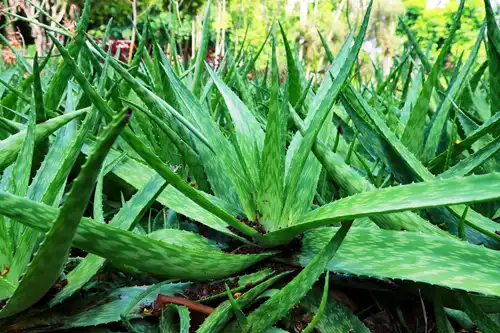
Understanding Formulation Stability Challenges in Cosmetic and Nutraceutical Products
To manufacturers, stability difficulties are costly in terms of time, money, and market confidence. It is helpful to know what goes wrong in formulations so that you can choose the proper botanical ingredient to address problems.
Physical Separation and Emulsion Breakdown
Emulsions are inherently unstable systems. Without adequate emulsifiers and suitable additions, the oil and water phases may separate over time, which might impair the product’s texture and appearance. The impact is instantly perceived by cosmetic formulators via consumer perception and product shelf life.
Microbial Contamination and Preservative Gaps
Water-based products are prone to bacterial and fungal growth. For instance, liquid aloe. It has a high water activity and often requires preservative levels that are not consistent with a “clean label” approach. The high water content of the raw materials also shortens the shelf life of the finished products.
Active Ingredient Degradation
Light, pH fluctuations, and oxidative damage break down vitamins, peptides, and plant actives. Oxidative degradation is one of the leading causes of premature effectiveness loss in botanical-based formulations, a study in the International Journal of Pharmaceutics said. These stability difficulties result in greater batch rejection rates and increased regulatory risk for companies operating under USP or EP regulations.
The Role of Aloe Vera Gel Powder in Enhancing Formulation Stability
Moving from liquid aloe to aloe vera gel powder resolves many root-cause stability issues simultaneously. It removes the free water. What remains is a concentrated matrix of polysaccharides, glycoproteins, and antioxidants that actively preserve formulations.
Natural pH Buffering Capacity
The rehydrated aloe vera gel powder solution showed a pH value of around 3.5 to 5.0, which is compatible with the pH range of skin and various oral supplement systems of about 3.5 to 5.5. This buffering action is part of the stability of pH in the final product, while not primarily depending on synthetic acidulants.
Polysaccharide-Driven Moisture Retention and Emulsion Support
The acemannan polysaccharides in aloe vera gel powder are very hygroscopic. In formulations, they link water molecules and create a film-like matrix, helping to sustain emulsion viscosity and decrease phase separation over time. The O-acetyl polysaccharide concentration of 4%–8% (confirmed by HPLC) is a quantifiable marker for this functional activity.
Antioxidant Protection of Active Compounds
Aloe vera gel powder has natural antioxidants that remove the free radicals present in the matrix of the composition. It prevents oxidative degradation of co-formulated actives such as vitamins C and E, prolonging efficacy over the product’s stated shelf life. Aloe polysaccharides have been shown to have significant antioxidant activity that is important to formulation protection, as shown in studies in Phytotherapy Research.
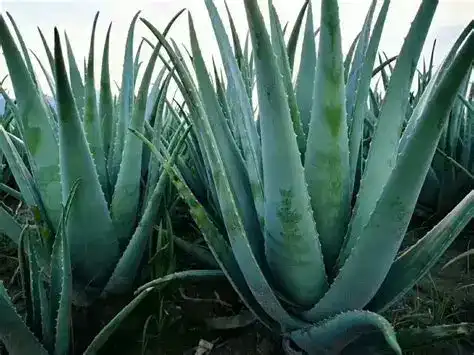
Evaluating Organic vs. Regular Aloe Vera Gel Powder for Formulation Stability
Not all aloe vera gel powder is created equal. Whether you choose certified organic or just ordinary grades, it directly impacts batch-to-batch uniformity, which is what procurement managers and QA teams worry about most.
How Certification Affects Raw Material Purity
Certified organic aloe vera gel powder is cultivated without the use of synthetic pesticides or herbicides. This minimizes the danger of residual contamination in the final product, which is important for companies serving clean-label or sensitive skin markets. Lower chemical input cultivation also tends to result in more homogeneous polysaccharide profiles.
Batch Consistency and Traceability
For organic certification, the traceability must be verified from planting to processing. This traceability makes it easy for formulators who are conducting stability tests to trace the cause of any batch variation. Without the same documentation system, standard grades may vary more widely in acemannan content.
Balancing Cost Against Performance Requirements
Organic aloe vera gel powder often costs more per kg. The expense is typically justified for R&D teams generating premium formulations by the decrease in batch failures and capacity to sustain organic product claims. High-quality traditional aloe vera gel powder with HPLC-verified requirements may provide enough stability at reduced cost for commodity-grade applications.
Selecting the Right Aloe Vera Gel Powder Supplier for Stable Formulations
When you buy aloe vera gel powder in bulk, it is not just about the cost per kilo. Supply chain openness and the quality of documentation are critical for ensuring formulation consistency across manufacturing batches.
Here are the supplier assessment factors that experienced procurement teams depend on:
- Verified Active Ingredient Specifications: Seek vendors who offer batch-specific HPLC results verifying the acemannan content, O-acetyl polysaccharide percentage (4%-8%), and aloin levels. Aloin A should be in the stated range of 2.5%–90%, depending on application grade.
- ISO9001, FSSC22000, HACCP, KOSHER, HALAL, and FDA registration all together answer for the food safety, religious dietary needs, and the U.S. market standards. Certifications that meet your market needs. These certifications are non-negotiable for the majority of U.S. supplement and cosmetic firms.
- Transparency of methods of processing: Aloe Vera Gel Powder (spray-dried 100:1, 200:1; freeze-dried 50:1, 100:1, 200:1) for diverse application demands. A good source will have both and will explain the technical difference.
- Flexible order system: Good suppliers will let you do small-batch sample orders before you commit to commercial MOQs of 25 kg per drum, so you can do your own internal stability testing with true production-grade material.
Together, these criteria provide you with a defensible audit trail and limit the possibility of mid-production supply problems.
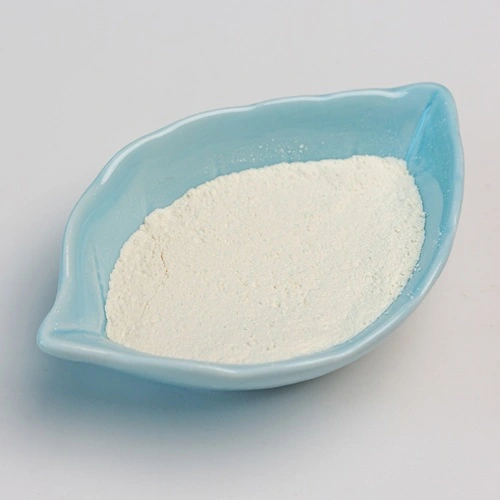
Best Practices for Incorporating Aloe Vera Gel Powder to Maximize Formulation Stability
How much of that potential you really capture in your formulation depends on proper use of aloe vera gel powder. Level of use, protocol for storage, and manner of application are all important.
Recommended Usage Levels and Mixing Protocol
Aloe vera gel powder is generally reconstituted in the water phase prior to emulsification at 0.5%‐2.0% of the weight of the final product in cosmetic emulsions. The 200:1 freeze-dried concentration makes small-volume, therapeutically appropriate dosages possible in supplement powders and capsules, which is particularly beneficial for moisture-sensitive encapsulation forms.
Compatibility with Preservative Systems
Aloe vera gel powder is compatible with most of the typical preservative systems, such as phenoxyethanol and sodium benzoate mixes. Its natural antibacterial contribution allows for lower preservative concentrations, which allows for clearer ingredient labeling without sacrificing microbiological safety. Always test for compatibility with your preservative package in your stability testing.
Storage Conditions to Protect Bioactivity
Store aloe vera gel powder in a sealed, moisture-proof container, away from direct light and temperatures over 25°C. The powder is very hygroscopic, and even a short contact with moisture may result in clumping and reduced solubility. The general industry guideline for polysaccharide integrity throughout the product lifespan is to maintain moisture content <5%
Conclusion
Aloe vera gel powder is a technically sound solution for formulators seeking to overcome stability issues without the use of synthetic chemicals. Its natural polysaccharide content, pH buffering behavior, and antioxidant activity are useful elements that help extend shelf life in cosmetics, nutraceuticals, and medicinal topicals. Quality teams may have confidence in building consistent and scalable formulations by selecting the proper specification – spray-dried or freeze-dried, standard or organic – and confirming it with HPLC documentation. Ultimately, it’s about procuring from a provider that has real traceability and technical depth.
FAQ
1. Can aloe vera gel powder act as a natural preservative?
It is not a standalone preservative, but aloe vera gel powder does reduce free water activity and provides mild antimicrobial support through its polyphenol content. This can lower the effective concentration of synthetic preservatives needed in a formulation. Always verify antimicrobial efficacy through challenge testing specific to your product system.
2. How does aloe vera gel powder compare to liquid aloe in shelf life?
Properly dried and sealed aloe vera gel powder has a shelf life of 24 to 36 months, significantly longer than liquid aloe gel, which typically remains stable for 6 to 12 months even under refrigeration. The absence of free water in the powder form is the primary reason for this difference.
3. What are the most common formulation challenges with aloe vera gel powder?
Hygroscopicity is the most frequently reported handling challenge. Without proper storage and sealed dispensing, the powder absorbs ambient moisture and clumps. Formulators working with sensitive emulsion systems should also confirm that the polysaccharide content does not interfere with their emulsifier's HLB balance.
4. Is aloe vera gel powder suitable for vegan and halal-certified products?
Yes. Aloe vera gel powder derived from Aloe barbadensis miller is plant-origin and carries no animal-derived processing aids when properly certified. Products with KOSHER and HALAL certifications explicitly confirm this.
Source Quality Aloe Vera Gel Powder with KH — Trusted Aloe Vera Gel Powder Supplier Since 1996
KH has produced verified botanical extracts since 1996, and our aloe vera gel powder meets ISO9001, FSSC22000, HALAL, KOSHER, HACCP, and FDA standards. We supply spray-dried and freeze-dried concentrations with full HPLC batch reports. Sample orders are available with shipment in 3–5 business days. Contact our technical team at info@kingherbs.com to request specifications and pricing.
References
1. Hamman, J.H. — Molecules, 2008.
2. Vogler, B.K., & Ernst, E. — British Journal of General Practice, 1999.
3. Bałan, B.J., et al. — Central European Journal of Immunology, 2014.
4. Surjushe, A., et al. — Indian Journal of Dermatology, 2008.
5. Ramachandra, C.T., & Rao, P.S. — American-Eurasian Journal of Agricultural & Environmental Sciences, 2008.
6. Cosmetic Ingredient Review Expert Panel — International Journal of Toxicology, 2007.
Send Inquiry

Related Industry Knowledge
- What Is Saw Palmetto Extract Powder Used For?
- Natural Ferulic Acid Import Guide for Global Buyers
- Lotus Leaf Extract Supplier with Consistent Quality Control
- What Are the Main Applications of Rose Hip Extract Powder?
- Integrating Astaxanthin into a Balanced Diet: Recipes and Tips
- Olive Extract Powder vs Olive Oil: What’s the Difference?
- Couch Grass Rhizome Extract: Herbal Ingredient for Formulators
- Can Maca Extract Powder Help with Hormonal Imbalance?
- Why Use Apple Root Extract in Skincare Products?
- Why Is Macleaya Cordata Extract Popular in Animal Nutrition?