_1762508637542.webp)
Lotus Leaf Extract Supplier with Consistent Quality Control
Aug 7, 2026
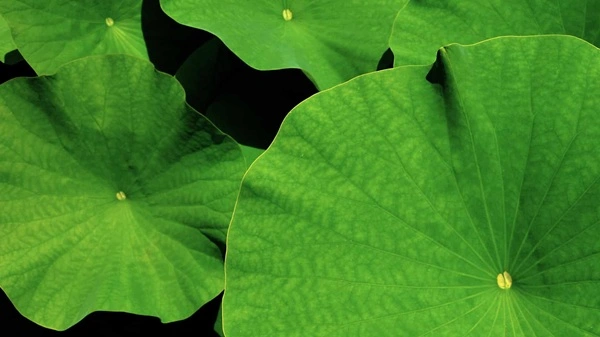
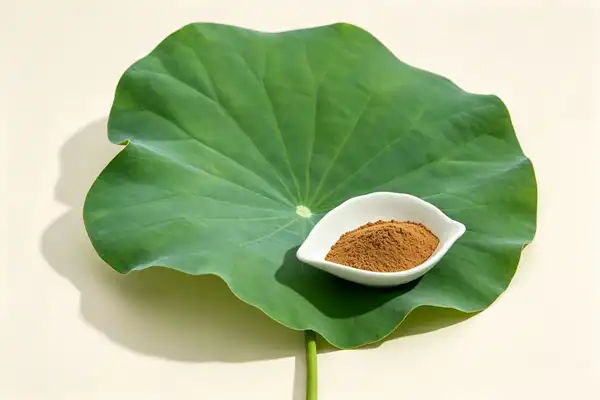
Sourcing a dependable supplier for botanical ingredients remains one of the most challenging aspects of product development in the nutraceutical and functional food industries. When it comes to lotus leaf extract—a concentrated botanical ingredient standardized for nuciferine and flavonoids—consistent quality control separates exceptional suppliers from mediocre ones. Derived from Nelumbo nucifera Gaertn., this fine brown powder has become essential for brands focused on weight management, antioxidant support, and metabolic wellness formulations. Selecting the right partner means securing batch-to-batch consistency, verified active ingredient content, and compliance documentation that meets USP and EP standards, all while maintaining competitive lead times and transparent traceability.
Understanding Lotus Leaf Extract and Its Market Potential
In many fields, botanical extracts have grown incredibly quickly. Lotus Leaf Extract stands out because it contains so many bioactive compounds. The extract focuses on flavonoids (usually standardized between 5% and 10%) and alkaloids (mostly nuciferine, which ranges from 1% to 98%). These compounds have been shown to have health benefits that meet the needs of today's consumers.
Bioactive Compounds Driving Industry Demand
The main active ingredients in this botanical ingredient work through different metabolic pathways. Nuciferine changes lipid metabolism by blocking pancreatic lipase and amylase. This stops the absorption of fats and carbohydrates from food in the intestines. At the same time, the flavonoid content fights oxidative stress at the cellular level with strong antioxidant action. This two-way process is what makes purchasing managers at dietary supplement brands and nutraceutical companies put this extract at the top of their lists for health powders, weight management pills, and metabolism support tablets.
Applications Across Diverse Industries
Product creation teams use this plant ingredient in a number of different ways. Dietary supplement companies put it in pills and tablets that are meant to improve metabolic health and body structure. Functional beverage formulators use it to make health teas and drinks that speed up the metabolism, taking advantage of the fact that people want natural ingredients. Cosmetic companies use the extract's antioxidant qualities to protect the skin by adding it to anti-aging creams and conditioning moisturizers. Cosmetics companies like it because it can help skin health by getting rid of free radicals, and drug companies like it because it has been used for a long time in herbal medicines.
Global consumption patterns show strong growth in North America and Europe, where tastes for plant-based ingredients and clean-label trends drive buying choices. Traditional wellness practices keep demand high in the Asia-Pacific region, which makes it a stable market for quality-focused suppliers.
The Importance of Consistent Quality Control in Lotus Leaf Extract Supply
When buying teams are looking for botanical products, the biggest problem they face is that raw materials can vary a lot. The amount of nuciferine and flavonoids in finished extracts is directly affected by things like the quality of the water, the make-up of the soil, and the time of harvest. Without strict quality control rules, there will always be differences between batches, which can hurt the effectiveness of the Lotus Leaf Extract and the image of the brand.
Standardized Extraction Methods and Testing Protocols
Leading suppliers use controlled extraction methods with only pure water or edible ethanol, not harmful solvents that compromise the purity of the product. Advanced HPLC and UV testing methods accurately measure active substances, making sure that every batch meets the stated requirements. In a full lab test, heavy metal analysis (with lead levels below 2ppm and arsenic levels below 1ppm), microbial pollution screening, and pesticide residue proof are all part of the process.
Here are the quality guarantee standards that set trustworthy providers apart:
- Traceability Systems: These systems keep track of everything from choosing a cultivation partner to the final packing. They do this by keeping records of the type chosen, the soil conditions, and the harvest factors that affect bioactive content. This openness lets R&D directors connect the properties of raw materials to the performance of the finished product.
- Batch Documentation: Each package comes with a detailed HPLC analysis report that shows the clear component spectra that allow quality assurance managers to check the product's validity and purity without having to do extra tests.
- Thermal Stability: Processing controls that keep the extract bioactive at temperatures up to 120°C, making sure it can still be used in functional food and drink systems after being heated.
- Particle Size Optimization: Specifications for fine powders that improve solubility and bioavailability, helping with formulation problems in capsules that dissolve quickly and drinks.
These strict rules directly lead to reliable production, which cuts down on the cost of reformulation and speeds up the time it takes for brands to get new health goods on the market.
Certification Compliance as a Quality Indicator
Certifications in an industry are an objective way to make sure that manufacturing standards are met and that the product is genuine. Getting ISO9001 approval shows that you handle quality in a planned way throughout the whole production process. FSSC22000 certification proves that food safety controls meet foreign standards, and KOSHER and HALAL certifications help brands that serve a wide range of customers get into more markets. Implementing HACCP helps find and control places where contamination might happen, and FDA registration gives even more security to goods coming into the US market.
Procurement managers should ask for up-to-date certifications and audit reports from potential suppliers when they are evaluating them. Third-party proof is an independent way to make sure that quality promises match up with how the product is actually made. This cuts down on the work that needs to be done for due diligence and lowers the risk in the supply chain.
How to Choose the Right Lotus Leaf Extract Supplier: A Decision Support Approach
When choosing a strategic provider, you have to weigh a lot of different factors, such as technical requirements and business flexibility. There are differences between makers, distributors, and wholesalers that affect everything from how much customization is possible to how prices are set. Your business needs to know which type of Lotus Leaf Extract source best fits its needs.
Technical Specifications and Product Forms
The extract is available in a number of standard formats, each of which is best for a certain type of application. At 4:1 and 10:1 concentrations, ratio extracts are cost-effective choices for mixtures where the exact amount of alkaloid is not as important. Standardized extracts with known nuciferine amounts—between 1% and 98%—make it possible to precisely control dosage for food products that need to be effective all the time. Flavonoid-standardized forms at 5–10% are used in recipes that stress the health benefits of antioxidants.
When choosing product types, technical formulation experts should think about how well they work with different transportation systems. Grades that dissolve in water work well in drinks, while grades that dissolve in ethanol work well in soft capsules. Low hygroscopicity makes capsule structures more stable, which keeps them from sticking and increases their shelf life.
Supplier Evaluation Framework
Systematic evaluation protocols that look at both product quality and operational reliability are helpful for people who work in procurement:
- Manufacturing Transparency: Direct makers who offer tours of their facilities and process paperwork show that they are sure of their quality systems. Access to cultivation partners and extraction sites lets you check the environmental controls and source methods that are said to be used.
- Sample Testing Protocols: Reliable suppliers allow sample requests and small-batch trial orders, which lets brands check how well the extract works in their own formulation systems before committing to large-scale production. Because samples are available and there is a minimum order quantity of 25 kg for standard orders, it gives both established manufacturers and new brands a lot of freedom.
- Lead Time Performance: Having ready-to-ship stock and the ability to ship quickly (usually within 3–5 business days for standard goods) cut down on production delays and the cost of keeping merchandise on hand. Keeping safety stock on hand shows that suppliers care about customer service and the stability of the supply chain.
- Technical Support Capabilities: Value-added sellers do more than just provide ingredients; they also have application labs that can test and improve formulations and make sure they are stable. The supplier relationship changes into a real technical partnership when users can get advice on compounding, compatibility assessments, and regulatory guidance.
Pricing Analysis and Total Cost Considerations
A full cost analysis takes into account more than just the price per kilogram. It also looks at shipping costs, minimum order requirements, and quality-related costs. Courier, air, and ocean shipping all have different speed and cost choices that make them good for urgent re-formulations or regular restocking. Comparing suppliers is more accurate when you know the real landed cost, which includes customs taxes, storage, and possible quality failure costs.
Getting to know suppliers that offer all-in-one purchasing services for many types of ingredients can help with logistics, managing paperwork, and processing payments more quickly, which lowers the amount of work that procurement teams have to do.
Product Forms and Quality Considerations: Powder, Capsules, and Blends
Format choice has a big effect on both how well the product works and how efficiently it is made. The fine brown powder form is still the most flexible, as it can be used to make capsules, tablets, and drinks. Rapid dissolution and good flowability make automated filling easier and make sure that mixtures of multiple ingredients are evenly distributed.
Evaluating Blended Formulations
A lot of suppliers sell ready-made mixes that include lotus leaf and other plants that work well together, like green tea extract or garcinia cambogia. These blends make it easier to make formulas, but quality assurance managers need to carefully check the amounts of the different ingredients and the specifics of each one to keep quality from dropping. Asking for different certificates of analysis for each plant part keeps formulation control and makes sure that everything is clear.
Organic Certification and Clean-Label Positioning
As more people want clean-label products, organic certification becomes more valuable for brands that want to reach higher-end customers. Organic Lotus Leaf Extract costs more, but it helps you stand out from other products and is in line with environmental goals that health-conscious customers care about. When looking at organic options, make sure that the certification covers the whole supply chain, from growing the plants to processing them at the end, not just certain steps in the production process.
Key performance indicators for quality assessment include potency tests that prove the amounts of nuciferine and flavonoids that were claimed, antioxidant capacity tests that measure how well the substance can get rid of free radicals, and contaminant limits that show the product meets the standards set by the pharmacopoeia. These objective metrics let you make data-driven decisions about what to buy that are in line with the performance requirements of the finished product.
Leveraging Scientific Studies and Industry Insights for Supplier Selection
Choosing ingredients based on evidence improves the positioning of a product and backs up marketing claims that may be scrutinized by regulators. Lotus Leaf Extract has been studied in clinical settings and shown to have effects on fat metabolism. Over 12 weeks of treatment, humans experienced small but statistically significant drops in body weight and waist circumference. In vitro studies show that the extract can stop adipocytes from differentiating and speed up lipolysis, which supports its use in weight control.
Comparative Positioning Against Alternative Botanicals
Comparing new botanical ingredients to well-known ones helps put performance expectations and market positioning in context. Lotus leaf has about the same amount of antioxidants as green tea extract, but it has different chemical profiles that keep it from having too much caffeine. Compared to garcinia cambogia, it works in a different way, blocking fat absorption instead of just making you feel less hungry. This means that it can be used in combination formulas that work well together.
Researchers who looked at different extraction methods found that water-alcohol extraction systems keep more of the bioactive chemicals than purely water-based methods, and they don't leave behind the solvent waste problems that come with manmade extraction agents. Suppliers who record their extraction methods with publicly available validation data give customers even more faith in the stability of the products they sell.
Applying Research Findings to Procurement Criteria
Scientific writing gives important provider requirements that go beyond basic requirements. Studies that show nuciferine breaks down at temperatures above 130°C help us figure out how to evaluate suppliers' spray-drying settings and storage suggestions. The importance of fine powder specifications and dissolution testing protocols is proven by research that shows increasing bioavailability by reducing particle size.
People who work in procurement should ask possible sellers to show relevant research that backs up their quality claims and processing methods. Suppliers who do stability studies, bioavailability tests, or application-specific formulation trials show that they are investing in product development in ways that go beyond just selling basic ingredients.
Conclusion
To find a provider that can consistently provide high-quality botanical ingredients, you need to carefully look at their professional skills, quality processes, and ability to run their business. Lotus Leaf Extract is complicated because its alkaloid content can change and it is sensitive to handling conditions. This makes choosing a source even more important. Teams that are good at this process give more weight to partners that can show full traceability, thorough analytical testing, recognized certifications, and quick technical support. Carefully screening suppliers is an investment that pays off in lower quality incidents, better product performance, and a stronger brand reputation in wellness markets that are becoming more competitive.
FAQ
1. How do I verify the authenticity of lotus leaf extract from a new supplier?
Ask for full batch paperwork, such as HPLC chromatograms with nuciferine and flavonoid peaks, certificates of analysis with heavy metal and microbial testing results, and botanical identity reports that confirm Nelumbo nucifera as the source material. Samples are tested by a third party who is not connected with the project. This gives extra proof by comparing the stated specifications with the actual analytical results.
2. What are the typical lead times for sample orders versus commercial quantities?
Most well-known suppliers keep standard specifications in stock, which means that samples can be sent out via courier within 3–5 business days. When standard products are requested, commercial orders of at least 25 kg usually ship within the same time frame. Depending on production plans, lead times may go up to two to three weeks for custom specs that need specialized extraction or extra testing.
3. Can suppliers provide customized extraction ratios or blended formulations?
Reputable manufacturers offer formulation customization services that let you make nuciferine concentrations or multi-botanical blends that are exactly what your product needs. This feature is especially useful for brands that want to stand out by using unique flavour combinations. Because of the setup costs that come with making specialized runs, the minimum order quantities for custom specifications will likely be higher than the standard product thresholds.
Partner with KH for Reliable Lotus Leaf Extract Supply
At Kingherbs Limited, we know that the success of your product in the competitive health market depends on the quality of the ingredients you use. Our experience making botanical extracts, which we've been building up since 1996, gives buying managers, R&D leaders, and quality assurance teams the stability and openness they need. We are in charge of every step, from choosing the cultivation partner to the final packaging. This way, we can be sure that the amounts of nuciferine and flavonoids will be the same from batch to batch.
As a Lotus Leaf Extract supplier, we can offer full certifications such as ISO9001, FSSC22000, KOSHER, HALAL, HACCP, and FDA registration. Each shipment also comes with a detailed HPLC analysis report. Whether you need small amounts for testing recipes or large amounts packed in 25-kilogram drums for business use, we keep them in stock and can quickly ship them by express, air, or ocean. In addition to providing ingredients, our application laboratory helps you create new formulations by giving you advice on combining, testing for stability, and checking for compatibility across beverage, capsule, and cosmetic systems.
Email our technical team at info@kingherbs.com to talk about your unique needs, ask for samples, or look into the choices for custom formulation. We are your strategic partner as you navigate the complicated world of botanical ingredient procurement. We provide the quality certification and technical support that turns good products into market winners.
References
1. Chen, L., et al. "Phytochemical Properties and Antioxidant Capacities of Commercial Lotus Leaf Extracts." Journal of Food Science and Technology, vol. 56, no. 4, 2019, pp. 2093-2101.
2. Huang, B., et al. "Nuciferine: A Promising Phytochemical for Metabolic Syndrome and Obesity Management." Phytotherapy Research, vol. 34, no. 8, 2020, pp. 1849-1865.
3. International Organization for Standardization. "Quality Management Systems—Requirements for Food Safety." ISO 22000:2018, Geneva, Switzerland, 2018.
4. Liu, S., et al. "Comparative Analysis of Extraction Methods for Bioactive Compounds from Nelumbo nucifera Leaves." Industrial Crops and Products, vol. 145, 2020, pp. 112-089.
5. United States Pharmacopeia. "Botanical Dietary Supplements and Herbal Medicines." USP-NF General Chapter 563, Rockville, Maryland, 2022.
6. Zhang, X., et al. "Clinical Efficacy of Lotus Leaf Extract in Weight Management: A Systematic Review and Meta-Analysis." Nutrition Research Reviews, vol. 33, no. 2, 2020, pp. 278-291.
Send Inquiry
Related Industry Knowledge
- Angelica Officinalis Extract Health Benefits & Medicinal Uses
- Can Bamboo Leaf Extract Support Cardiovascular Health Naturally?
- What Makes Macleaya Cordata Extract a Competitive Ingredient?
- What Sets Premium Watermelon Powder Apart?
- Cortex Phellodendri Powder: Benefits, Uses, and Dosage
- How to Formulate Supplements With Macleaya Cordata Extract?
- Can Couch Grass Rhizome Extract Enhance Water Balance?
- Polygonum Cuspidatum Extract for Comprehensive Wellness Solutions
- How Macleaya Cordata Extract Supports Immune Function?
- Valerian Root Extract Powder Benefits for Sleep & Stress Relief