_1762508637542.webp)
Best Tilia Extract Supplier for Bulk Cosmetic Ingredients
Sep 20, 2026
When searching for the best Tilia extract supplier for bulk cosmetic ingredients, procurement managers and formulators need partners who deliver consistent quality, transparent traceability, and deep technical expertise. Tilia extract—sourced from the blossoms and leaves of the Tilia tree (commonly known as linden or lime tree)—has emerged as a prized botanical in cosmetic formulations due to its exceptional soothing, antioxidant, and anti-inflammatory properties. We recognize that sourcing decisions directly impact formulation performance, regulatory compliance, and brand reputation. This comprehensive guide provides actionable insights into selecting reliable suppliers, understanding extract quality parameters, and optimizing procurement strategies to meet the demanding requirements of modern cosmetic manufacturing.
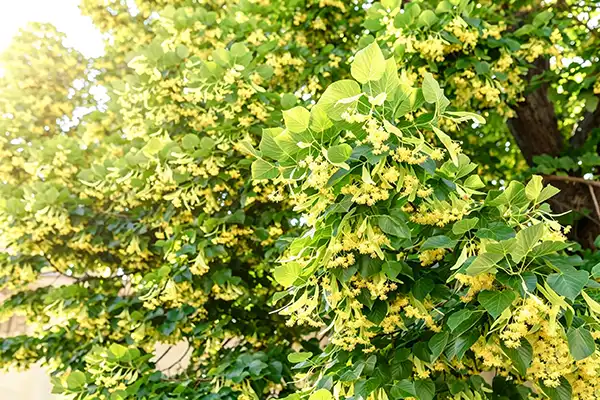
Understanding Tilia Extract and Its Cosmetic Benefits
Tilia Extract is a natural plant ingredient that stands out because it contains amazing qualities that reduce inflammation, protect cells from damage, and keep skin moist. Flavonoids (quercetin, kaempferol), mucilage polysaccharides, tannins, and essential oils are some of the beneficial substances in the extract that make it useful for both health and beauty.
Bioactive Components and Skin Benefits
Good Tilia Extract has flavonoids that are very good at getting rid of free radicals. This keeps skin cells safe from oxidative stress and damage from the outside world. Polysaccharides in mucilage cover the skin's surface in a protective film that keeps moisture in and makes the barrier function better. They work together to keep water from leaving the skin through the surface. It can be used in gproductsthat help dry or damaged skin because of this.
Forms and Applications in Cosmetic Manufacturing
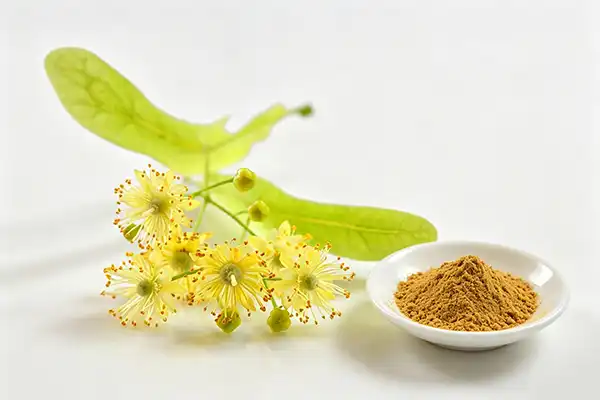
Some cosmetic companies get the ingredients in different forms so that they can use them in the right way. Because they have more bioactives and can last longer on the shelf, powder extracts are great for dry goods like masks and those that don't need water. It is faster to make lotions, toners, and serums with tinctures because they dissolve right away in water-based systems. Extracts are liquids. Glycerin-based extracts keep the hydrating and preserving properties of botanicals while making formulations easier to do without sacrificing their effectiveness. Sourcing buyers can choose the right extract standard for the products they want to buy if they know the differences between these formats.
Targeting Specific Skin Concerns
Because it lessens the redness and irritation that come with having reactive skin, Tilia Extract is great for formulations for sensitive skin. It's gentle enough to be used in products for skin that doesn't have strong defenses, like those used to treat acne and care for skin that has just had surgery. The extract's antioxidants help anti-aging products work by stopping reactive oxygen species that break down collagen and cause photoaging to happen faster. Because these things can be used for more than one thing, cosmetic companies use them to make "clean label" goods that meet customer wants for effective ingredients that come from nature and don't have any chemicals added to them.
Criteria for Choosing a Reliable Bulk Tilia Extract Supplier
To get a good service, you need to carefully consider a number of things that impact the quality of the goods, compliance with the law, and the strength of the supply chain. Procurement managers should think of their suppliers as strategic partners instead of just business partners when they choose who to work with. They should know that the supplier's skills affect how well the plan works and how the brand is seen.
Quality Assurance and Analytical Documentation
Full batch-level paperwork is given by premium suppliers. This includes Certificates of Analysis (CoAs) that show the amounts of active compounds that were measured using approved analytical methods such as High-Performance Liquid Chromatography (HPLC). In these papers, you should write down the amounts of flavonoids, the ash content, the microbial numbers, and the heavy metal screening findings. High-Performance Thin-Layer Chromatography (HPTLC) fingerprinting is a way for providers to make sure the quality of their products by proving the plants' names and finding any possible fakes. The people whose job it is to buy things should check that the labs the sellers use are approved and test things for other people. That way, the quality is checked by someone outside the supplier's quality control system, not by their own.
Certifications and Regulatory Compliance
Suppliers you can trust keep their certificates up to date, which shows they follow quality standards set by the world. For makeup ingredients, look for GMP (Good Manufacturing Practices) certification. For plants that come from approved farms, look for USDA Organic or EU Organic certification. For a quality management system, look for ISO 9001 certification. If a supplier wants to sell to the U.S. market, they need to show that they know the FDA rules about makeup chemicals and that they follow the USP (United States Pharmacopeia) or EP (European Pharmacopeia) briefs. These approvals show that there are quality systems and controls in place during production that make sure that differences between batches are kept to a minimum.
Extraction Methodology and Solvent Safety
What makes an extract pure, its medicinal content, and its safety profile are the steps that were used to get it. We give sellers more weight if they extract the oil with water or food-grade ethanol instead of harsh chemicals that could leave behind contaminants that don't meet safety standards for the face. Advanced service providers carefully control things like temperature, pressure, and time during extraction to get the most beneficial chemicals and keep the ones that are sensitive to heat. Supercritical CO2 extraction is the best choice for clients who need solvent-free processing with higher purity profiles, even though it usually costs more. Procurement teams should ask for detailed extraction protocols and residual solvent testing data to make sure that the manufacturing processes are in line with the clean label positioning and government rules.
Comparing Tilia Extract with Alternative Herbal Ingredients for Cosmetics
If the people who buy things know how different plant extracts stack up, they can pick strategic ingredients that fit the goals and positioning of the product in the market. Being able to compare Tilia Extract to other herbal ingredients can help you figure out when it would work best.
Botanical Nomenclature Clarity
Both Tilia Extract and Linden Extract come from the same plant, but they may be known by different names in different parts of the world. A few species in the genus Tilia are the American linden, the small-leaved linden, and the large-leaved linden. Each one has a slightly different mix of chemicals. Good providers will provide paperwork that names the exact plant species. This helps formulators make sure that everything stays the same from one batch of production to the next. This is important because the amount of flavonoids and mucilage in different Tilia species can be different, which could change how well a product works.
Comparative Analysis with Chamomile Extract
There are anti-inflammatory compounds in both chamomile (Matricaria chamomilla) and plants in the Tilia genus, but the ones in chamomile are different. Bisabolol and chamazulene are the main chemicals in chamomile that make it useful. They have strong anti-inflammatory properties that help with allergic responses and severe burning. There are more antioxidants in Tilia Extract because it has a lot of different flavonoids. It can now be used to make medicines that fight both inflammation and oxidative stress better. This ingredient is often used by cosmetic companies that make all-around anti-aging goods because it soothes and protects cells from damage. On the other hand, chamomile might be better for some treatments that need to calm inflammation.
Positioning Against Valerian and Passionflower Extracts
People are putting more and more Valerian root (Valeriana officinalis) and passionflower (Passiflora incarnata) on their skin to help with skin problems caused by stress and to help them relax. But the smells of these plants are stronger, so they might not work well for all makeup uses, especially for people who are sensitive to smells. This Tilia flower product has a mild relaxing effect and a smell that most people can handle. This makes it useful for everyday items that people react to based on how they smell. You can use plant parts from the Tilia group in products for people with sensitive or reactive skin because they are good for most skin types and don't make skin more sensitive.
How to Use and Optimize Tilia Extract in Cosmetic Formulations
To successfully incorporate, you need to pay attention to rules about concentration, issues of compatibility, and how makeup ingredients can be used. Formulation optimization is the process of making sure that the ingredients work as well as they can and that the product stays stable and safe for customers.
Recommended Concentration Ranges
Concentrations are usually between 0.5% and 5.0%, but this can change based on the product and the benefits that are wanted. A lot of the time, shampoos and soaps that you wash off have lower amounts (0.5% to 2.0%) because they don't stay on your skin as long. Serums, creams, and lotions that you leave on your skin have higher concentrations of bioactives (2.0% to 5.0%), which means they stay on your skin longer. More concentrated amounts may be used in specialized treatments for some issues, but tests on the mixture should show that these more concentrated amounts make it work better without changing its stability or how it feels. Dose-response tests should be done on new products to find the best concentration that balances effectiveness and cost-effectiveness.
Compatibility with Other Actives
The ingredient mixes well with most of the active ingredients in makeup, so it can be added to mixtures that aren't easy to understand. Hyaluronic acid, niacinamide, and vitamin C all work well together to help keep the skin moist, improve the barrier function of the skin, and protect it from free radicals. When using active ingredients that change with pH, like retinoids or AHAs, make sure that the natural pH of the extract (which is usually between 5.0 and 6.5 in water) is the same as the best range for other ingredients to stay stable. To make sure that certain formulation materials work with the active ingredients, formulators should check the stability of the mixes by looking at the color, smell, viscosity, and how well the active ingredients stay mixed even after being exposed to conditions that speed up the aging process.
Regulatory Compliance and Safety Considerations
In the major cosmetics markets, Tilia Extract is thought to be safe as long as it comes from a reputable company with good quality control. It doesn't have to follow any specific rules in cosmetics as long as good production practices are used and the products meet safety assessment standards. This is in line with EU Cosmetics Regulation (EC) No 1223/2009. For cosmetics to follow FDA rules, they need to be in line with the Federal Food, Drug, and Cosmetic Act. Customers must be able to trust that goods are safe when they are used as directed or as is normal. This is important for brands to keep because regulators or customers may ask about it. Brands should keep supplier CoAs, stability data, and microbial challenge testing results to show that they did their research.
Where and How to Buy Bulk Tilia Extract for Cosmetic Manufacturing
The procurement strategy has a big effect on how well the supply chain works, how consistent the quality of the products is, and how well costs are managed. If you want to get along with your suppliers, you need to know how markets work, how to judge them, and the best ways to get supplies from other companies.
Leading Supplier Markets and Certification Standards
North American and European suppliers have strict quality controls and a lot of paperwork that needs to be filled out for regulations. This makes them the market winners in parts of the makeup ingredient market that focus on quality. There are strict rules about making things in these areas, and facilities are regularly audited and looked over. Most of the time, suppliers who work in these markets offer better technical support. For example, they might help with formulation, help with stability testing, or legal documents that are specifically made for the market. We've seen that European sources are great for companies that want to get organic approval or use other environmentally friendly ways to get their supplies. This is because Europe has a lot of experience setting up facilities and rules for organic farming.
Sample Request and Evaluation Process
Before you decide on a supplier, you should ask for samples and full analytical documentation. Good sellers don't give samples that are made just for them; instead, they give samples that are like business batches. This way, the samples might not show the quality of the regular production. As part of the evaluation, you should look at the product's color, smell, and feel, as well as its solubility in the formulation systems you use. Ideally, you should also do small-scale batch production to see how the product reacts to processing and what its final properties are. If you can, ask for samples from more than one batch so you can make sure the quality stays the same from one production run to the next. One important way to check how well the quality system and control of production are working is to do this.
There are more benefits to long-term relationships than just buying something once. Some of these are better prices, faster service when stocks are low, working together to make new goods, and personalized service plans. It's important to us that our clients are happy, so we take the time to learn about your product issues, quality needs, and business goals. We can offer proactive solutions by working together in this way. For example, we can let you know about changes in the supply chain, suggest different specifications when the best materials aren't available, and use our application laboratory's technical knowledge to help solve formulation problems. Having strategic relationships with suppliers lets you use their knowledge and resources to help new ideas grow and lower the risk of buying things.
Conclusion
You should carefully look at a supplier's quality systems, how well they follow the rules, how they get the goods out of the plants, and how well they can work with other businesses in order to find the best one for you. Tilia Extract is great for makeup because it keeps skin moist, fights free radicals, and lowers redness. These are all things that different skin care needs. For procurement to go well, you need to work with suppliers that can show consistent quality through strict testing, offer full technical support beyond just providing ingredients, and keep clear supply chains that let you track products from where the botanicals come from to where they end up in the finished extract. By following the guide's selection criteria and review methods, procurement professionals can be sure they can always get their hands on high-quality materials that make recipes work better, help them meet regulatory requirements, and give them an edge in the tough makeup market.
FAQ
Is Tilia Extract Suitable for All Skin Types, Including Sensitive Skin?
The plant-based ingredient is great for all skin types, even sensitive and allergic skin. It soothes the skin well while lowering the risk of discomfort thanks to its gentle anti-inflammatory qualities. From what doctors have seen, the chance of sensitization is low when the products come from reputable companies that use the right manufacturing controls. When formulators make products for people with sensitive skin, they should make sure that the sources show proof that the materials have been tested for microbes and allergens. This shows that the materials are safe and pure.
How Does the Antioxidant Efficacy Compare to Synthetic Alternatives?
Researchers have found that flavonoid-rich animal and plant products work just as well as man-made antioxidants like BHT and BHA in cosmetics. Clean labels can help because people like ingredients that come from natural sources, and there are chances to sell products with clean labels. Synthetic antioxidants might be more stable in some formulation conditions, but the extract is better for your skin in other ways than just being an antioxidant. For example, it helps with inflammation and builds up skin barriers, which synthetic antioxidants don't usually have.
What Verification Steps Should Buyers Take When Ordering Bulk Quantities?
There should be full analytical records that show the identification of plant species, HPLC analysis of active chemicals, microbial testing results, heavy metal screening results, and testing for pesticide residue. Look at samples from more than one batch to see how similar the product is. Check with the groups that gave the sellers' certifications to make sure they are real. Before you make big sales, you should try making things on a small scale first. Make sure that everyone is held responsible by including clear quality standards and acceptance criteria in buy agreements. This will also make it easier to settle disputes if products don't meet requirements.
Partner with KH for Premium Tilia Extract Supply
KH (Kingherbs Limited) has been making plant-based products since 1996 and is very good at removing them, keeping an eye on quality, and helping technically with applications. Many companies that make medicines, cosmetics, dietary supplements, and nutraceuticals use our portfolio because they need reliable supply chains and quality that doesn't change.
We're different because we have close ties with controlled planting bases that allow us to track our goods exactly. This makes sure that the plants are real and that the right amounts of active ingredients are used from the time the seeds are planted until they are picked. Pure water or food-grade ethanol is the only thing we use in our natural extraction methods. This way, we can give you clean-label products that dissolve quickly and have a very pure color. There is a full HPTLC analysis report for each batch that clearly shows each component. We can help you improve recipes, test stability, and rate compatibility for drinks, pills, tablets, and makeup systems in our application laboratory. We can meet your needs with solutions that are both flexible and in line with USP and EP standards, whether you need stock specifications sent to you in three to five days or exact formulas made just for you.
Contact us at info@kingherbs.com to request samples, technical data sheets, and pricing for Tilia Extract that is of high quality and can be used in beauty products. We guarantee the quality of our Tilia Extract and work with you to make sure your brand has the technical know-how, supply chain reliability, and quality assurance it needs.
References
1. Toker, G., Küpeli, E., Memişoğlu, M., & Yeşilada, E. (2004). Flavonoids with Antinociceptive and Anti-inflammatory Activities from the Leaves of Tilia argentea. Journal of Ethnopharmacology, 95(2-3), 393-397.
2. Viola, H., Wasowski, C., Levi de Stein, M., Wolfman, C., Silveira, R., Dajas, F., Medina, J.H., & Paladini, A.C. (1995). Apigenin, a Component of Tilia tomentosa Flowers, is a Benzodiazepine Receptor Ligand with Anxiolytic Effects. Planta Medica, 61(3), 213-216.
3. Blazics, B., Ludanyi, K., Szarka, S., Kery, A., & Vikmon, M. (2008). Investigation of Oligomeric and Polymeric Proanthocyanidins in Tilia Extracts by HPLC-ESI/MS. Chromatographia, 68(S1), 105-110.
4. European Medicines Agency (2013). Assessment Report on Tilia cordata Miller, Tilia platyphyllos Scop., Tilia x vulgaris Heyne or their Mixtures, Flos. Committee on Herbal Medicinal Products.
5. Perez, R.M. (2003). Anti-inflammatory Activity of Compounds Isolated from Plants. The Scientific World Journal, 3, 713-784.
6. Draelos, Z.D. (2018). The Science Behind Skin Care: Moisturizers. Journal of Cosmetic Dermatology, 17(2), 138-144.
Send Inquiry

Related Industry Knowledge
- Apple Extract Powder OEM Solutions for Supplement Brands
- Lotus Leaf Extract Supplier with Consistent Quality Control
- How to Verify the Purity of Holy Basil Extract Powder?
- Angelica Officinalis Extract Benefits for Women’s Wellness
- How Does Ivy Extract Powder Thin Mucus Effectively?
- How Fast Can Tongkat Ali Extract Powder Boost Your Energy Levels?
- What are the challenges in the production of Artemisinin Powder?
- Wild Yam Extract Powder: Natural Support for Vitality
- What Are the Key Benefits of Couch Grass Rhizome Extract?
- White Paeony Extract Powder: Choosing Quality Raw Material