_1762508637542.webp)
Yucca Extract Sourcing Guide: Which Certifications Should You Require?
Sep 2, 2026
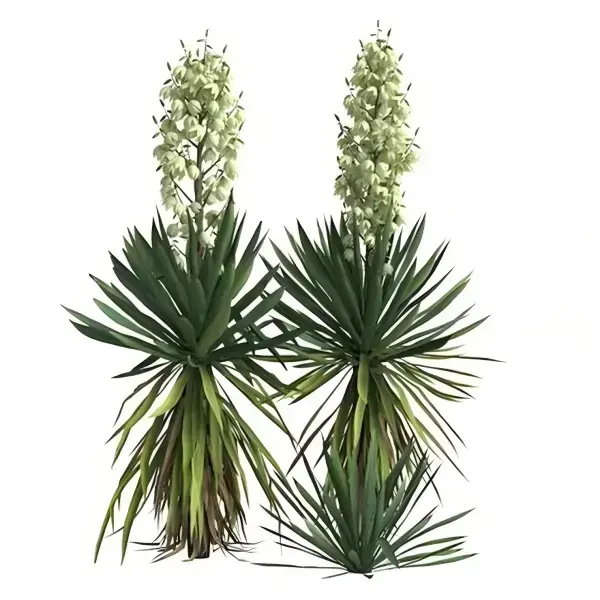
When buying botanical ingredients for your feed, nutraceutical, or cosmetic products, choosing certified Yucca Extract from Yucca schidigera guarantees constant saponin potency, regulatory compliance, and transparency of supply chain. This manual will assist you in locating suppliers who supply confirmed active ingredient content, solvent-safe extraction techniques, and batch-level documentation. It details the important certifications your procurement team should demand – from ISO 9001 and FSSC22000 to KOSHER and HALAL. Knowing these credentials helps to minimise supply chain concerns, streamline product approvals, and protect your brand image in competitive global marketplaces.
Key Certifications You Should Require When Procuring Yucca Extract
To get around the certification maze, you need to put credentials that are relevant to your product category and target market at the top of your list. These are the most important standards that your supplier should meet.
ISO 9001: The Foundation of Quality Management
Getting ISO 9001 approval means that a company has put in place a written quality management system that covers all stages of production. This standard calls for regular meetings by management, thinking about risks, and concrete proof that the process is working. If a company that sells saponin-rich powder has ISO 9001, you can be sure that every 25 kg drum that leaves their facility has been tested and released in the same way. This certification lowers variation, which has a direct effect on the stability of your formulation and the performance of the final product.
FSSC22000: Food Safety at Every Stage
Food Safety System Certification (FSSC22000) adds to ISO 22000 by including necessary programs that are special to the food industry. If you want to make feed additives, functional foods, or beverage ingredients, you need this credential. FSSC22000 requires that seeds be tracked from selection to harvest, that biological and chemical toxins be analyzed for their risks, and that cleaning procedures be tested and proven to work. Our extraction method never uses synthetic liquids and only uses pure water or food-grade ethanol. This is in line with FSSC22000's rule that chemical residues that aren't allowed aren't allowed. This certification also meets the due diligence needs of stores and export authorities.
KOSHER and HALAL: Meeting Dietary and Ethical Standards
By making sure that production methods follow Jewish and Islamic dietary rules, KOSHER and HALAL approvals help you reach more customers. For these credentials to be valid, there must be independent rabbinical or Islamic oversight at every stage of production, from finding raw materials to making sure equipment is clean. If you want to sell your products in North America or the Middle East, KOSHER and HALAL stamps take away any religious questions and make the process easier. Notably, these approvals also appeal to people who want clean-label goods, even if they are not religious, because they mean strict rules over cleanliness and tracking. For manufacturers using natural ingredients such as Yucca Extract, these certifications can further demonstrate careful sourcing, quality control, and compliance with strict dietary standards.
HACCP: Proactive Hazard Prevention
With HACCP approval, quality control moves from testing after the fact to preventing problems before they happen. Suppliers must set important control points, like drying temperatures or microbial testing limits, and create tracking systems with ccorrectiveactions. When you buy a plant-based ingredient like Yucca schidigera powder, HACCP makes sure that the urease-inhibiting saponins stay effective and the bacterial loads stay below the limits set by the pharmaceutical industry. This method keeps your downstream manufacturing safe by stopping expensive refunds or batch failures.
FDA Registration: U.S. Market Access
FDA registration is not a certification in and of itself, but it is required by law for companies that want to sell goods in the United States. Registration needs to be renewed every two years, and the FDA can do checks without warning. When your supplier stays registered with the FDA, you can be sure that their facility meets Good Manufacturing Practice (GMP) standards and that they can quickly answer questions from regulators. This credential is especially useful for companies that make dietary supplements and contract manufacturers who need to keep production schedules by getting samples and shipments quickly.
How to Evaluate Yucca Extract Suppliers Based on Certifications
It is necessary to have certificates, but making sure they are real and cover the right things saves your business from fake papers and expired qualifications. A structured checklist that rates providers on a number of factors is the first step in an effective review.
Build a Weighted Certification Scorecard
Make a scorecard and give each certification a certain number of points based on the regulatory priorities in your industry. A brand of nutraceuticals might put more weight on FSSC22000 and KOSHER, while a company that makes animal feed might put more weight on HACCP and FDA registration. Include sections for when certificates expire, whether they are recognized by an accreditation group (like UKAS or ANAB), and how often they are audited. This quantitative method turns emotional evaluations into objective comparisons, which lets you carefully choose the best options.
Cross-Reference Certificates with Issuing Bodies
The online register of the group that issued the certificate can be used to check that the certificate is real. ISO certifications, like ISO 9001, are given out by recognized certification bodies. You can check the International Accreditation Forum (IAF) website to make sure the validity of these bodies. The supervising rabbi or Islamic authority should be listed on the KOSHER and HALAL certificates, and you can check their contact information on your own. This step keeps you from having to rely on fake documents, which is a bigger risk when you buy from suppliers far away.
Request Third-Party Lab Reports and Batch Records
Certifications make sure that systems work, but analyzing data proves the quality of the output. Ask for Certificates of Analysis (CoA) from unbiased labs that show the amount of saponin in the product by using UV spectrophotometry, heavy metal screening, and microbe testing. Each batch should have HPLC chromatograms that show how much sarsaponin and smilagenin are present. Yucca Extract contains steroidal saponins such as sarsaponin and smilagenin that bind ammonia and stop urease from working. Our standardized extracts have uniform saponin profiles because we have full control over everything, from when the plants are harvested to how they are dried. This is possible because our combined planting bases allow us to do this.
Conduct On-Site or Virtual Audits
Periodic checks turn paperwork into habits that can be seen. Plan visits to the facility to check out the areas where raw materials are stored, the equipment used for extraction, and the quality control labs. Make sure that the supplier's standard operating procedures (SOPs) match their certifications during checks. Videoconferencing-based virtual checks are now a real option, especially when checking out partners in other countries. Using audit checklists that reference specific certification clauses, write down what you found. This will give internal compliance teams a record that they can follow.
Comparing Yucca Extract Certifications with Alternative Quality Indicators
Certifications are a good way to start, but a full review of a provider should also include analytical tests, clear manufacturing, and a history of performance. If you only look at certificates, you might miss details that affect the success of your idea.
The Role of Analytical Testing
ISO and FSSC certifications show that a supplier has quality control systems in place, but they don't say how much of an active ingredient is in each shipment or how pure it is. Analytical testing, like UV spectrophotometry for total saponins and HPLC for individual glycosides, tells you how well your raw material works. When you get a CoA that shows 60% saponin content along with polyphenolic chemicals like resveratrol and yuccaols, you can figure out the exact rates of addition you need to reach your goals for lowering ammonia or improving feed conversion. We send you full HPLC analysis reports with every batch, so you can make changes to formulations based on real data, not just claims on certificates.
Supplier Track Record and Customer Testimonials
While certificates prove a supplier's skills, their track record shows how reliable they are. Ask users in your industry for case studies, whether it's health supplements, pet food, or cosmetic formulas. Testimonials that show how often deliveries are made on time, how quickly questions about recipes are answered, and how ready they are to take on small trial orders can give you information that no ISO audit can find. Our application laboratory helps clients with formulation optimization, stability testing, and compounding advice for drink, gummy, tablet, and skin care systems. This turns purchasing relationships into technical partnerships.
Traceability Beyond Certification
Certifications check systems at specific audit spots, but end-to-end tracking lets you see what's happening in real time. We work with good planting bases where we can control the type of soil, when it gets watered, and when the crops are harvested. This upstream integration makes sure that every kilogram of Yucca schidigera powder comes from fields that have been checked. This gets rid of the need to switch out raw materials and deal with seasonal changes. Ask possible sellers to show you their supply chain, from the genetics of the seeds to the end packaging. This level of openness sets serious makers apart from brokers.
Practical Tips for Buying Certified Yucca Extract in Bulk
To get industrial amounts of approved botanical ingredients, you need to plan ahead, be careful with contracts, and coordinate your logistics. These tips will help you improve your purchasing process while still following the rules.
Leverage Global Trade Platforms and Industry Networks
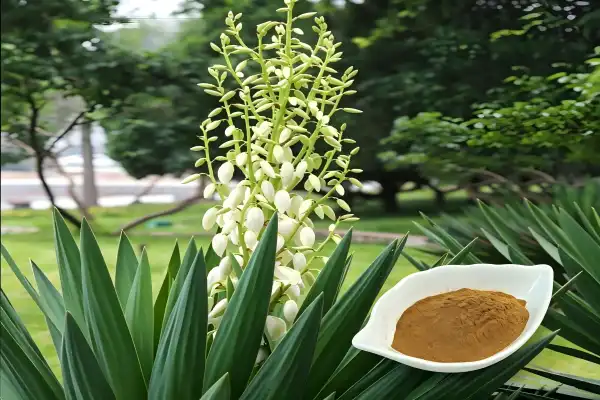
You can find sellers on business-to-business sites like Alibaba, at trade shows for your industry like SupplySide West, and through professional groups like the American Herbal Products Association (AHPA). To make a first list, sort search results by certification tags like ISO 9001, FSSC22000, KOSHER, and HALAL. Attend virtual webinars where sellers show off their technical skills. This way, you can see how quickly they are to converse and how deep their technical knowledge is before you sign a written agreement. You can try our fine, light yellow Yucca Extract powder in your application before committing to a full 25 kg business minimum order. We accept small-batch sample orders and trial amounts.
Negotiate Contracts with Certification Clauses
Write up purchase agreements that clearly say you need copies of the certificates as soon as you confirm the order and batch-specific COAs before the shipment. Include terms that let you do checks, either yourself or with the help of outside inspectors. Set acceptable ranges for saponins, like 30% to 60% total saponins as measured by UV, and spell out what needs to be done if shipments don't meet those ranges. These contractual protections keep your work plan safe and give you legal options if there are problems. Lead time uncertainty is further reduced by having ready stock and the ability to ship quickly. This gives you a competitive edge when launching time-sensitive products.
Align Logistics with Regulatory Documentation
Harmonized System (HS) codes, phytosanitary certificates, and certificate bundles that show compliance with regulations in the destination country are needed for international shipments. Make sure that your provider can give you these papers in the language that your customs office needs. Talk to your transportation provider ahead of time about sending temperature-sensitive items by courier, air, or ocean freight to make sure they stay within the right ranges. Our 25 kg fiber drums with double polyethylene bags inside keep the hygroscopic powder safe from getting wet during shipping, so the product stays intact from our warehouse to yours.
Conclusion
By choosing a recognized source for plant additives made from Yucca Extract derived from Yucca schidigera, you protect the safety of your product, your brand's image, and your compliance with regulations. Partners with ISO 9001, FSSC22000, KOSHER, HALAL, HACCP, and FDA registrations should be given priority. However, these credentials should be backed up by batch-specific analytical data, documentation of traceability, and open communication. You can turn certification review from a compliance job into a strategic advantage by using organized evaluation frameworks like scorecards, third-party audits, and contract terms. We use pure water or food-grade ethanol for our extraction methods, and we can track everything from choosing the seeds to making sure they are harvested at the right time. This lets us get reliable steroidal saponin profiles that lower ammonia emissions and raise feed conversion ratios. When you work with providers who see certifications as ongoing promises rather than static badges, you can be sure that you'll always have access to high-quality ingredients that set your business apart from the competition.
FAQ
Which certifications are critical for pharmaceutical-grade Yucca Extract?
For pharmaceutical uses, you need to follow the USP (United States Pharmacopeia) or EP (European Pharmacopeia) monographs for quality control and HACCP for preventing hazards. Suppliers should give you records of analysis that show the limits of heavy metals, microbial counts, and leftover liquid tests. To get into the U.S. market, you need to be registered with the FDA, and GMP (Good Manufacturing Practice) certification makes sure that you follow the rules for making medicines.
Can I rely on organic certification alone without GMP or ISO credentials?
Organic certification proves that crops are grown without using pesticides, but it doesn't prove that manufacturing controls are in place or that batches are always the same. Having organic certificates along with ISO 9001 and FSSC22000 ensures that both farming and handling are done correctly. This mix is especially important when making clean-label products that need to be able to be tracked from the soil to the finished dose.
How often should suppliers renew their certifications?
ISO 9001 and FSSC22000 both need full approval every three years and surveillance checks every year. Most of the time, KOSHER and HALAL certifications are renewed every year when the facility is inspected. FDA license needs to be updated every two years. During seller qualification, ask for copies of certificates with current expiry dates and set up regular reverification to keep records up to date.
Partner with KH for Certified Yucca Extract
KH (Kingherbs Limited) sells industrial-grade saponin extracts that are standardized from the aerial parts of Yucca schidigera. The active content can be anywhere from 10% to 80%, as shown by UV spectrophotometry. Our ISO 9001, FSSC22000, KOSHER, HALAL, HACCP, and FDA registrations are proof of our dedication to quality, safety, and openness. We only use pure water or food-grade ethanol for our extraction methods. This way, we can be sure that the powders we make don't contain any solvents and dissolve quickly in food and drinks. Each batch has the same levels of steroidal saponins and polyphenolic compounds because it can be tracked all the way from the controlled planting bases to the final packaging. Ready stock lets us ship quickly—within 3–5 business days—and our application laboratory helps with compounding, recipe optimization, and stability testing. KH is your expert partner when it comes to getting reliable, approved plant products, whether you need small sample orders or commercial amounts starting at 25 kg. You can email us at info@kingherbs.com to get thorough HPLC analysis results, talk about custom formulations, and get more confidence in your supply chain by working with a reputable company.
References
1. American Herbal Products Association. (2020). Guidelines for Certification and Auditing of Botanical Ingredient Suppliers. AHPA Press.
2. Codex Alimentarius Commission. (2019). General Principles of Food Hygiene and HACCP System Implementation for Botanical Extracts. FAO/WHO Publication.
3. International Organization for Standardization. (2021). ISO 9001:2015 Quality Management Systems – Requirements and Guidance for Botanical Processing Facilities. ISO Central Secretariat.
4. Piacente, S., Pizza, C., & Oleszek, W. (2005). Saponins and phenolic compounds in Yucca schidigera Roezl: Chemistry and bioactivity. Phytochemistry Reviews, 4(2-3), 177-190.
5. United States Pharmacopeial Convention. (2022). USP-NF General Chapter <1090> on Botanical Extracts: Quality Specifications and Test Methods. USP Press.
6. Wang, Y., McAllister, T. A., & Acharya, S. (2015). Condensed tannins and saponins in forage: Effects on ruminant nutrition and animal health. Animal Feed Science and Technology, 200, 60-74.
Send Inquiry
Related Industry Knowledge
- How to Choose a Top Yucca Extract Manufacturer for Global Supply?
- Where to Buy Saw Palmetto Extract Powder: Supplier & Import Guide
- Ginger Extract Powder vs Ginger Powder: Key Differences
- Is Cocoa Seed Extract Rich in Natural Polyphenols?
- Why Is Melissa Officinalis Extract Popular in Wellness Products?
- How to Verify the Purity of Holy Basil Extract Powder?
- Ivy Extract Powder: A Traditional Medicine for Cough and Respiratory Health
- Is Couch Grass Rhizome Extract Safe and Effective?
- Organic Sea Buckthorn Seed Oil Benefits for Skin Health
- How Lespedeza Capitata Extract Supports Renal Filtration?