_1762508637542.webp)
Why Source Premium Mangosteen Extract Powder for Your Brand?
Sep 7, 2026
Sourcing premium Mangosteen Extract Powder derived from Garcinia mangostana L. directly influences your brand's product efficacy, regulatory compliance, and competitive positioning in increasingly sophisticated markets. Premium botanical extracts standardized for α-mangostin and polyphenols deliver consistent bioactivity that positions your formulations as science-backed solutions. With growing consumer demand for natural antioxidants across dietary supplements, cosmetics, pharmaceuticals, and functional foods, your choice of supplier determines whether your products meet rigorous quality benchmarks or risk inconsistent performance that erodes brand trust and market share.
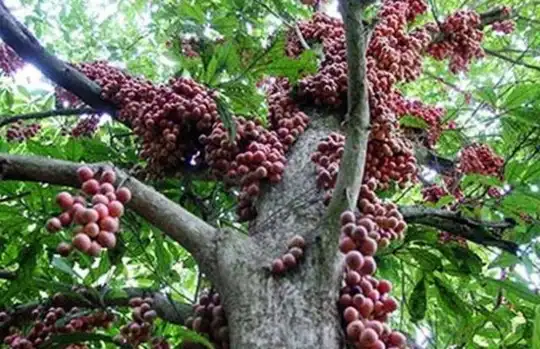
Understanding Mangosteen Extract Powder and Its Benefits
The fruit and husk of the Garcinia mangostana L. are used to make Mangosteen Extract Powder, a concentrated form of medicinal chemicals. It works a lot better than real fruit or plain fruit powder. Water or food-grade ethanol is used to separate and concentrate the xanthones, polyphenols, and other helpful compounds during the extraction process. There is also less water, fiber, and extra sugar. Because of this one-of-a-kind method, an ingredient can be kept for a long time and still have the same bioactivity that can be used in commercial mix-ups.
Bioactive Profile and Nutritional Distinction
Concentrated extracts have more α-mangostin, which is the main bioactive compound in mangosteen that research says is good for you. This means that they have more xanthone. Smaller amounts of these chemicals can be found in fresh mangosteen fruit, but good products that have been studied and found to contain 10% to 90% α-mangostin are known to be good for your health. Up to 50% of these products are polyphenols, which make them even more powerful antioxidants. This makes them useful for recipes that fight oxidative stress, inflammation, and the aging process of cells.
Production Process and Quality Variations
The quality and bioactivity of the product depend a lot on how it is extracted. The temperature, solvent-to-raw-material ratios, and time of the extraction process are all carefully controlled by high-end manufacturers to get the most xanthone out of the material while keeping chemicals that are sensitive from breaking down at high temperatures. It should be easy for the fine brownish-yellow to brown powder to mix with the right liquids. This means that the particles were broken down correctly and the extract was clean. Ratio extracts (4:1, 10:1) show how concentrated something is. For instance, 10:1 means that 10 kg of raw material makes 1 kg of extract. This means that the concentration is higher, but it doesn't necessarily mean that the bioactivity is higher compared to flavonoid or α-mangostin standards.
Cross-Industry Applications and Formulation Advantages
Mangosteen extracts are used in a variety of ways by B2B clients in a wide range of fields. Standardized Mangosteen Extract Powder is used by supplement companies to make antioxidants, immune boosters, and joint health products that need stable amounts of active substances and dose standards that are the same for everyone. These extracts are used in anti-aging serums, skin-brightening creams, and acne treatments because they kill microbes and protect against free radicals. Functional drink makers like that, the extract is neutral in taste and easy to mix with water. This lets them make clean-label products without adding any fake chemicals. Scientists in the pharmaceutical field are studying xanthone chemicals to find ways to protect cells and lower inflammation. It's important that the products are pharmaceutical-grade and have tight proof of purity.
Key Factors Driving the Need for Premium Mangosteen Extract Powder
What makes botanical extracts good or bad is where the raw materials come from, how they are extracted, and how the manufacturing process is managed. Good extracts start with plants that have been checked out and picked at the right time, when there is the most xanthone. Not-so-good sources might use related species of Garcinia, fruit that isn't fully grown, or fillers that lower the amount of active chemicals, which means the products don't work as they should.
Quality Impact on Product Performance and Safety
If your finished goods do what you say they will do, it will depend on how pure and strong your extract is. Powders that aren't very good often have heavy metals from polluted growing areas, microbes from bad processing controls, or solvents from extraction methods that aren't safe for food. These quality issues put people's safety at risk right away and could cause problems in the future with responsibility. When you know what the recipe results will be from batch to batch, it saves you money and time, and it keeps the same qualities that customers expect from your goods.
Regulatory Compliance and Market Access
Botanical ingredients sold in other countries must follow strict rules. Some of the best service providers are registered with the FDA and have ISO9001, FSSC22000, KOSHER, HALAL, HACCP, and other certificates. These prove that they have good processes and quality controls. The USP (United States Pharmacopeia) and EP (European Pharmacopeia) standards say that a product is pharmaceutical-grade and must be used in certain places. There are many things you need to include in your paperwork for exports, store partnerships, and regulatory applications. These include Certificates of Analysis with HPLC chromatograms, bacterial testing results, heavy metal screening, and pesticide residue analysis.
Brand Differentiation Through Verified Quality
When people are smart enough to read labels and look up where ingredients come from, brands that are clear about where their ingredients come from stand out. Brands that talk about third-party testing, standardized active compounds, and supply lines that can be tracked stand out from rivals that use hidden ingredients or ingredients that aren't very good. Customers are more likely to believe the company when it is open, which lowers the number of returns and complaints and supports pricing strategies that raise prices. Teams that are making new products have more freedom in how they make them when they use reliable extracts. This lets them offer them in new ways, mix them in new ways, and make health claims based on research about the ingredients.
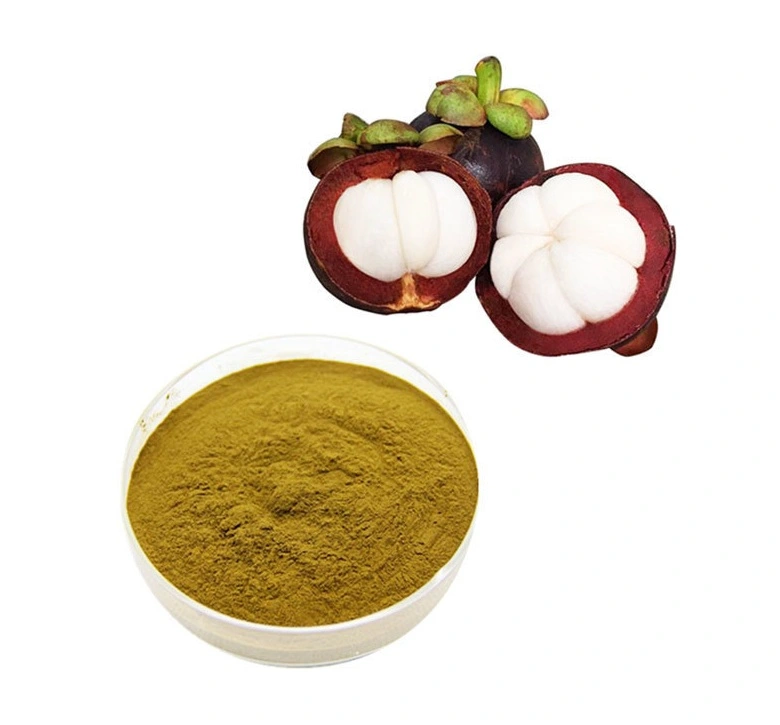
Comparing Mangosteen Extract Powder with Alternatives in the Market
The people who work in procurement see mangosteen goods in a number of different forms. Each has its own pros and cons. Being aware of these differences helps you pick items that work with the mix and help your business reach its goals.
Extract Powder versus Juice and Whole Fruit Products
It's hard to standardize doses and keep mangosteen juice fresh on the shelf because the juice already has sugars, water, and fiber in it. Mixed juices need to be kept cold, and they can't be stored or moved without bacteria growing on them. There are some good things in whole fruit powder, but not as many strong xanthones as there are in concentrated extracts. It's not possible to use whole fruit powders in pills or other small-serving things because the right amounts need a lot of powder. When you mix 10 kg of raw material with 1 kg of powder, you get a higher concentration. Extract powders also last longer (24–36 months) and are easier to move because they don't need to be kept in a cold chain.
Standardized Extracts versus Non-Standardized Options
When you use non-standardized extracts, you can't be sure of the amounts of active compounds they contain. This makes formulation uncertain and leads to changes between batches. It's possible for someone to sell "mangosteen extract" without saying how much xanthone or polyphenol it has. This would make it impossible to know how well the end product works. Standardized Mangosteen Extract Powder that is checked with UV or HPLC makes sure that every batch meets certain polyphenol or α-mangostin percentages (10% to 90%). This makes sure that the cellular activity stays the same and that dosing predictions are correct. These rules must be followed for goods that make health claims, go through clinical testing, or make sure that customers have the same experience from one production run to the next.
Organic Certification Considerations
Some people are willing to pay more for products that are grown without pesticides and in a way that doesn't harm the environment. This is why organic approval is so popular. Organic farming methods must be written down, processing sites must be approved, and farms must be checked every year to make sure they are following the rules. It gets harder to find things and costs more because of this. Normal extracts from sources that have been checked for chemical residues might be just as safe and cost less. If the company positions itself in the market well enough and the price difference for organic certification is high enough to cover the extra costs of getting it, then the business choice will be made. To sell their products in natural goods shops or in Europe where people really like organic foods, brands may find it worth the extra cost to get approval.
How to Choose the Right Mangosteen Extract Powder Supplier
When you buy something, picking a provider is one of the most important decisions you can make because it affects the quality of the product, the stability of the supply chain, and the bottom line in the long run. Using the right evaluation factors will help you find partners who can meet your goals and lower your risk.
Certification Portfolio and Quality Systems
Full approval shows that quality management is set up in a way that does more than just follow the rules. If a company has ISO9001 certification, it means that its quality management system is written down. FSSC22000 approval covers food safety management during the whole manufacturing process. The KOSHER and HALAL approvals make it possible for products to be sold in more places because they can be used by people with different nutritional needs. Biological, chemical, and physical risks are found and managed during production with HACCP. You can show that you are willing to follow U.S. rules by registering with the FDA, but that doesn't mean you are approved or endorsed. When looking into new sellers, make sure you get certificates that are up-to-date and have dates on them. Then, check the sellers' credibility with the groups that issued the certificates.
Manufacturing Capacity and Technical Capabilities
They need to show that they can meet your current volume needs and also grow with your business in the future. Along with normal goods, custom specs can also be made. For instance, it is possible to make specific amounts of α-mangostin, custom ratio extracts, or different particle sizes. If you need technical help, there is a difference between commodity suppliers and strategic partners. Suppliers with a lot of experience can help you with formulation, give you stable testing data, show you how to use different types of products, and back up your health claims or regulatory reports with paperwork. People can work on development together in an application laboratory that has all the tools they need. They can also test how well ingredients work with each other and figure out recipe problems.
Traceability Systems and Supply Chain Transparency
From the planting base to the final packaging, everything can be tracked. This lets problems with quality be fixed quickly and gives retailers and regulators the proof they need. Premium providers stay in touch with controlled growing areas, make sure that the raw materials they send are real (sometimes by testing them for DNA), and set up lot tracking systems that link batches of finished extract to specific lots of raw materials and production dates. This paper work comes in handy for checks, answering customer questions, and figuring out why a product isn't working right. When suppliers work with specialized planting bases, they can control things like plant type, soil conditions, harvest timing, and how the plants are handled after harvesting. All of these things have a big impact on the quality of the final extract.
Supplier Reputation and Performance History
How a company is seen in its area shows how trustworthy, consistent, and good at fixing problems it is. It's best to get recommendations from customers of businesses that sell similar goods or have similar quality standards. Businesses that have been around for a long time in a field are safe and know a lot about it, but newer businesses may have new ideas or ways to beat the competition. Check to see how quickly the seller answers your first questions. The level of communication and technical knowledge shown during the review will help you guess how the relationship will grow over time. It is best to test samples from different batches over time to see if they are all the same. This shows that quality controls are in place and that the company is committed to quality.
Procurement Strategies for Bulk Mangosteen Extract Powder
There's more to strategic buying than just finding good providers. Managing relationships, lowering risk, and cutting costs in a way that keeps a business ahead of the competition for years is also part of it.
Domestic versus International Sourcing Decisions
Costs are weighed against wait times, product consistency, the difficulty of rules, and supply chain risk when deciding where to get goods. Prices are usually cheaper from international suppliers, especially those in Asia that are close to where the raw materials are grown. This is because they don't have as many costs to make the goods and are closer to where the mangosteens are grown, allowing businesses to source Mangosteen Extract Powder more efficiently. You have to weigh these pros and cons: it takes longer to ship (30–60 days for ocean freight), it might be hard to get in touch because of different time zones and languages, and you have to bring in more paperwork. The cost per kilogram is usually higher for sellers in the U.S. or those who have warehouses in the U.S. They offer faster shipping (3-5 business days for in-stock items), easier buying because you don't have to go through customs, and faster facility checks or relationship management.
Authentication and Quality Verification Protocols
By checking the authenticity of products, brands can avoid costly quality problems and keep their good name. You should get a full Certificate of Analysis for each batch. It should show how many microbes, heavy metals, pesticide residues, and active compounds were found using the right analytical methods (UV for polyphenols, HPLC for α-mangostin), as well as the physical properties like color, particle size, moisture content, and solubility. When you're working with new suppliers or when differences between batches make you nervous, having a third-party lab check gives you more peace of mind. Keep some samples from each lot you get so that you can check for quality issues later, like when the product is being made or when customers use it.
Negotiation Strategies and Volume Discounting
When buyers offer to buy a lot, they can usually get better deals, but they have to weigh the savings against the costs of keeping stock and not knowing how much demand there will be. Most of the time, suppliers set their prices based on the biggest orders that will make them the most money. As an example, the smallest amount that can be bought professionally is a 25-kilogram drum. However, contracts for 100-kilogram, 500-kilogram, or metric ton quantities can lead to big price cuts per unit. Think about how fast you're going to grow when you talk about prices. Set up deals with volume limits that will help the market grow without putting too much risk on your stock in the beginning. Before ordering a lot of something, you can test the market and build a product with sample sales and small-batch trials.
Long-Term Partnership Development
When you only do business with suppliers, you miss out on chances to create value together. Clear communication, agreeing on the same business goals, and steady performance are the things that make strategic relationships work. These partnerships have many benefits, such as giving priority when supplies are low, working together to create custom specifications, flexible payment terms that reflect how long the partnership lasts, and early notice of changes in the raw material market that affect prices or availability. These connections get stronger when people share their predictions, review each other's work on a regular basis, and plan business together. Because of this, your company is a favorite customer and is given extra attention when decisions are made about funding.
Conclusion
To find the best Mangosteen Extract Powder, you should carefully think about quality factors, the skills of the seller, and smart ways to buy that go beyond just comparing prices. It makes a big difference in how well your products work, how safe they are, and how competitive they are in markets where people want more openness, scientific proof, and steady performance. Buying standard, high-quality extracts from licensed providers is a smart move that pays off in a number of ways: a better brand image, better compliance with regulations, lower costs for reformulating goods, and better performance that keeps customers coming back. As the demand for natural ingredients grows and the government's scrutiny grows, it becomes more important to work with suppliers who are technically skilled and care about quality. Brands that are good at being consistent, following the rules, and earning customer trust are different from those that aren't.
FAQ
What active compounds should I look for in premium Mangosteen Extract Powder?
Some of the best extracts list how much α-mangostin (10% to 90% of the time) or total polyphenols (10% to 50% of the time). This can be checked with UV or HPLC analysis. These standard rules make sure that each batch has the same amount of bioactivity. This tells the people who make the goods what to expect and gives users faith in how well it works.
How do ratio extracts (4:1, 10:1) differ from standardized extracts?
The ratio of 10 kg of raw material to 1 kg of extract doesn't promise a certain amount of active compounds, but it does show the concentration level. Standardized extracts give exact amounts of good things for you, so you can be sure that the items you use are of good quality when they make health claims or give accurate doses.
What certifications are essential for U.S. market compliance?
Approvals from ISO9001, FSSC22000, HACCP, and the FDA all show that there is systematic quality control. Products that use them should meet USP standards and come with full testing results that show how many microbes, heavy metals, pesticide residues, and active substances were found. You should use these reports to back up regulatory applications and meet store requirements.
Can suppliers accommodate custom formulation requirements?
An experienced provider can help with technical issues like making sure the right amount of α-mangostin is used, changing the particle size, and testing the formulation to see if it works with the α-mangostin. You can test for stability, make solubility better, and make transport forms that work perfectly for your product in application labs.
Partner with KH for Certified Mangosteen Extract Powder Supply
The best place to get Mangosteen Extract Powder is at KH. Botanical ingredients that are certified around the world and have been made with 28 years of experience since 1996 are what they sell. Real Garcinia mangostana L. gives us the things we use. There is accurate standardization of α-mangostin (10%–90%) and polyphenol content (10%–50%) in planting bases. This is checked through HPLC analysis to make sure that every 25 kg drum has the same bioactivity. We keep enough in stock to quickly send samples and business orders (3-5 business days) and meet strict international quality standards. The FDA, KOSHER, HALAL, HACCP, and ISO9001 have all given us their seals of approval. Our application laboratory helps you come up with new recipes by checking to see if they work, checking to see if they are stable, and making custom compounding solutions for drinks, medicines, cosmetics, and vitamins. We have different MOQ options that can be adjusted to fit the needs of product development plans. Before making full business promises, we also accept sample orders and small-batch trials. You can get detailed HPLC analysis results, samples, or talk about specifics that will help your brand stand out from the rest by using trusted plant products. Email us at info@kingherbs.com.
References
1. Pedraza-Chaverri, J., et al. (2008). "Medicinal properties of mangosteen (Garcinia mangostana)." Food and Chemical Toxicology, 46(10), 3227-3239.
2. Obolskiy, D., et al. (2009). "Garcinia mangostana L.: A phytochemical and pharmacological review." Phytotherapy Research, 23(8), 1047-1065.
3. Ovalle-Magallanes, B., et al. (2017). "Isolation of bioactive compounds from Garcinia mangostana: An updated review." Journal of Natural Products, 80(11), 3053-3062.
4. Chin, Y.W., & Kinghorn, A.D. (2008). "Structural characterization, biological effects, and synthetic studies on xanthones from mangosteen." Pure and Applied Chemistry, 80(6), 1201-1212.
5. Zarena, A.S., & Sankar, K.U. (2009). "A study of antioxidant properties from Garcinia mangostana L. pericarp extract." Acta Scientiarum Polonorum Technologia Alimentaria, 8(1), 23-34.
6. Ibrahim, M.Y., et al. (2016). "α-Mangostin from Garcinia mangostana Linn: An updated review of its pharmacological properties." Arabian Journal of Chemistry, 9(3), 317-329.
Send Inquiry
Related Industry Knowledge
- Is Aloe Vera Gel Powder Safe for Skincare and Food Applications?
- Passionflower Extract Powder Benefits for Nutraceutical Products
- Can Passionflower Extract Powder Relieve Anxiety Naturally?
- Why Choose Astaxanthin Powder And Oil Over Other Supplements?
- The Anti-Aging Power of Rosehip Botanical Extract
- Can Valerian Root Extract Powder Help With Stress?
- Organic Couch Grass Rhizome Extract for Premium Supplements
- Why Add Watermelon Powder to Functional Beverages?
- Purple Sweet Potato Extract in Premium Functional Beverages
- Is Purple Sweet Potato Extract Suitable for Daily Wellness Use?