
Why Is Eucalyptus Leaf Extract Popular in Natural Skincare?
Oct 21, 2026
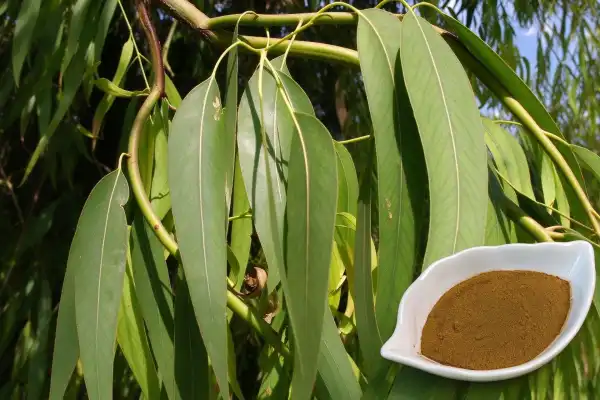
In the last 10 years, eucalyptus leaf extract has become one of the most sought-after botanical ingredients in natural cosmetics. This brownish-yellow fine powder is obtained from the leaves of Eucalyptus globulus Labill. and concentrates a wide range of bioactive substances, including eucalyptol (1,8-cineole), flavonoids, organic acids, and polyphenols, to meet actual formulation problems. Its natural antibacterial, anti-inflammatory, and antioxidant characteristics make it a practical, science-backed alternative to synthetic preservatives and actives, and that’s precisely why cosmetic formulators, R&D directors, and procurement managers are looking for it.
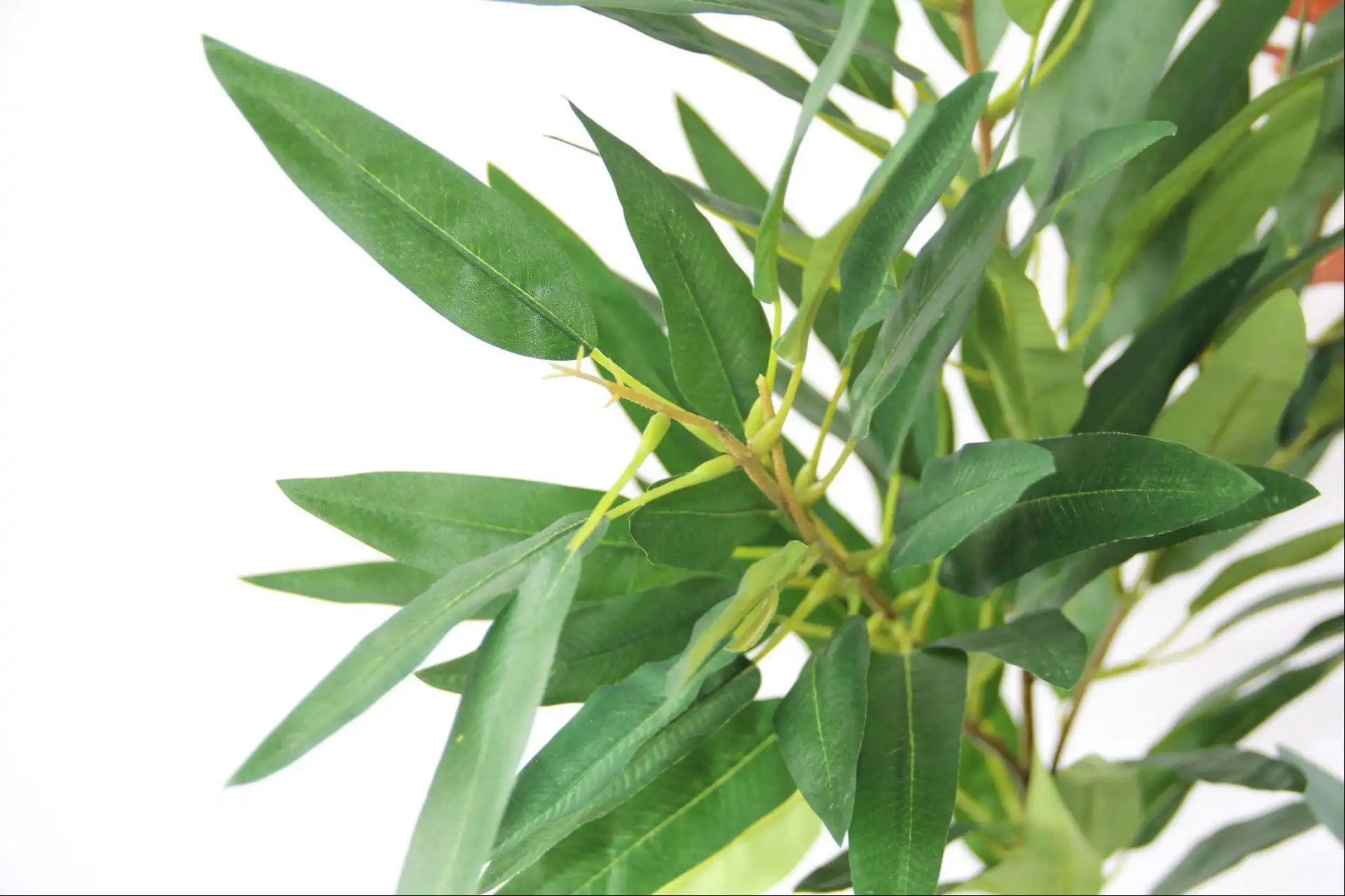
Understanding Eucalyptus Leaf Extract and Its Skincare Benefits
The appeal of eucalyptus leaf extract in skincare is not trend-driven. It is rooted in measurable phytochemistry and a growing body of clinical evidence.
What Makes the Bioactive Profile Unique
However, eucalyptus leaf extract contains eucalyptol together with non-volatile polyphenols, tannins, and flavonoids, while eucalyptus essential oil is virtually exclusively volatile terpenes. The wider phytochemical spectrum offers antioxidant protection, assists in neutralizing free radicals which contribute to skin aging, and promotes barrier function in a manner a single-compound oil cannot.
Anti-Inflammatory and Wound-Healing Properties
A 2013 study published in the Journal of Ethnopharmacology demonstrated that preparations of eucalyptus high in cineole effectively inhibited the activity of pro-inflammatory cytokines. In skin care applications, this means soothing benefits for acne-prone, eczema-affected, and post-procedure skin – without the steroid concerns of traditional anti-inflammatories.
Antimicrobial Action Against Acne-Causing Bacteria
Eucalyptol extract at inclusion levels of 0.5–2.0% has an inhibitory effect against Staphylococcus aureus, E. coli, and Propionibacterium acnes. This makes it a viable natural alternative to synthetic preservatives and antibacterial agents, thereby addressing the clean-label demand that is driving purchase choices in today’s U.S. personal care market.
How Eucalyptus Leaf Extract Compares to Other Natural Ingredients in Skincare
Formulators will typically consider eucalyptus leaf extract with other botanicals before deciding which to include on their ingredient deck. Understanding where it is strong and where it is complementary to other actives helps to put the sourcing selection in the right perspective.
Eucalyptus Leaf Extract vs. Eucalyptus Oil
The extract also includes non-volatile polyphenols and macrocarpals not seen in steam-distilled oil. The oil is mostly 1,8-cineole – effective, but limited in range. The powdered extract provides increased formulation stability, a lower risk of sensitization at typical usage levels, and a wider antioxidant profile. In skincare, the extract is often the safer and more flexible option for both leave-on and rinse-off treatments.
Eucalyptus Leaf Extract vs. Tea Tree Oil
Tea tree oil is well known for its antibacterial capabilities but has a greater risk of cutaneous sensitization, especially in leave-on formulations. Eucalyptus leaf extract, particularly as a standardized powder (Flavone 3%, UV confirmed), has equal antibacterial activity with greater skin tolerance for a variety of skin types and is therefore more acceptable for product lines for sensitive-skin and pediatric use.
Organic vs. Conventional Extract — What Procurement Teams Need to Know
Certified organic varieties are more attractive to consumers and may be sold at higher prices, but need proven supply chain traceability for procurement. Organic and conventional grades. Procurement managers should examine certifications ( ISO9001 , FSSC22000 , KOSHER, HALAL, HACCP, FDA compliance) and request HPLC documentation at the batch level to establish active chemical consistency.
Applications of Eucalyptus Leaf Extract in Skincare Formulations
One of the key reasons why R&D teams continue to gravitate to eucalyptus leaf extract is its practical range across product types. The following are the major use categories with special formulation considerations:
- Facial cleansers and toners: The presence of tannins provides antibacterial support and a moderate astringent impact at 0.5-1.0% inclusion. It works effectively in acne-control lines with niacinamide and green tea extract.
- Treatment serums and creams. The flavonoid fraction is antioxidant and useful for anti-ageing serums. Color control is required — the brownish yellow powder might impact the hue of the final product; chelating agents can help reduce polyphenol-induced discoloration.
- Scalp and hair care: Eucalyptus leaf extract is rising in popularity in scalp serums and anti-dandruff shampoos, where its antifungal activity against Malassezia species is an important functional claim.
- What all application categories share is the necessity of a uniform active content in each batch. 10:1 ratio extract! So 10 times more concentrated than the initial plant material. But the real amount of flavones and cineole need to be verified by UV and HPLC before they sign off at the QA level.
Eucalyptus leaf extract supplied in powdered form is only partially soluble in water, and formulators adding this material to aqueous systems need to be aware of this. Clear aqueous solutions are often used, co-solvented with glycerin or a food-grade polysorbate, to avoid settling of heavier tannin fractions.
Procurement Guide: Sourcing High-Quality Eucalyptus Leaf Extract for Skincare
With sourcing selections for botanical actives, such as eucalyptus leaf extract, there are many more elements to consider than just the price per kilogram. Quality assurance, lead times, and technical support capabilities are often seen as equally important by most procurement managers.
Key Quality Benchmarks to Request from Any Supplier
Batch documentation should contain UV-verified flavone content (minimum of 3% for standardized grades), GC-FID fingerprinting to confirm levels of 1,8-cineole, and microbiological test results verifying no presence of E. coli and Salmonella according to USP/EP pharmacopeia requirements. Suppliers who can’t provide things on demand should be deprioritised.
Understanding Available Specifications and Pack Formats
Commercially accessible forms of Eucalyptus leaf extract include ratio forms (4:1 and 10:1) and standardized flavone extract (3%). It is supplied in 25-kilogram barrels as a fine brownish-yellow powder. MOQ for commercial purchases is 25 kg. However, we also accept sample and small-quantity trial orders—a must-have option for R&D teams testing specs before scaling.
Supply Chain Reliability and Lead Time Considerations
Short shipping windows (3–5 business days for samples) and ready-stock availability greatly decrease formulation pipeline delays. Suppliers with verified ready inventory and alternatives for courier, air, and ocean freight often give the operational flexibility that mid-to-large firms with dependable supply chains want.
Ensuring Safe and Effective Use of Eucalyptus Leaf Extract in Your Products
Responsible integration of eucalyptus leaf extract requires attention to dosage, compatibility testing, and end-user communication.
Recommended Usage Rates and Patch Testing
Clinical data show effectiveness at 0.5-2.0% inclusion in topical preparations. Cineole concentrations >2.0% should be titrated to see if there is any possible cineole-related sensitivity, notably in leave-on products. Standard patch testing techniques on a representative consumer panel are recommended prior to commercial deployment.
Labeling and Regulatory Compliance
In the US market, ingredient disclosures must display INCI nomenclature (Eucalyptus Globulus Leaf Extract). Regulatory managers should carefully evaluate claim wording prior to package finalization, since products with antimicrobial or acne-control claims, for example, may be subject to FDA OTC medication restrictions.
Stability and Storage Requirements
The extract powder is hygroscopic. Bioactive integrity is maintained for up to 24 months in airtight, light-resistant containers under controlled-humidity conditions. You may also get extra quality assurance for production planning and shelf-life claims by obtaining lot-specific stability data under accelerated conditions (40°C/75% RH) from your supplier.
Conclusion
It’s because of a mix of proven bioactivity, ease of formulation, and clean-label credentials that the eucalyptus leaf extract has found its way into natural skincare. From antimicrobial serums to scalp treatments, the extract's comprehensive phytochemical profile—standardized and documented—offers product creators a dependable active that tackles numerous skin issues at once. It's not just about the amount of raw material you can get, but about procuring from suppliers that can provide batch consistency, thorough documentation, and technical assistance at scale for procurement teams.
FAQ
1. Is eucalyptus leaf extract safe for sensitive skin?
At recommended inclusion rates of 0.5–1.0%, most skin types tolerate the extract well. Patch testing is advisable for sensitive-skin formulations. The powdered extract presents a lower sensitization risk than eucalyptus essential oil because the volatile cineole concentration is lower relative to the full phytochemical matrix.
2. How does eucalyptus leaf extract differ from eucalyptus oil in skincare?
The extract retains non-volatile polyphenols, tannins, and flavonoids absent in steam-distilled oil. This broader profile delivers antioxidant and antifungal benefits alongside antimicrobial activity, making it more functional across a wider range of product formats.
3. What concentration is effective for acne-prone skin products?
Published clinical data indicates efficacy against acne-associated bacteria at 0.5–2.0% inclusion. Formulators typically begin at the lower end and titrate upward based on stability and consumer tolerance testing results.
4. Can eucalyptus leaf extract be used in hair care products?
Yes. Its antifungal properties make it relevant for anti-dandruff shampoos and scalp serums. Inclusion rates in rinse-off hair products typically range from 0.5–1.5%, paired with scalp-conditioning actives.
5. What certifications should I verify when sourcing this ingredient?
Request ISO9001, FSSC22000, KOSHER, HALAL, HACCP, and FDA compliance documentation, alongside batch-specific HPLC and UV analysis reports confirming active content.
Request Samples of KH Eucalyptus Leaf Extract — Trusted Supplier Since 1996
KH (Kingherbs Limited) supplies certified eucalyptus leaf extract in 4:1, 10:1, and Flavone 3% specifications, backed by full batch documentation and technical formulation support. As an established eucalyptus leaf extract manufacturer, KH ships ready-stock samples within 3–5 business days globally. Contact our team at info@kingherbs.com to request specifications, samples, or bulk pricing today.
References
1. Juergens, U. R. — Respiratory Medicine, 2014.
2. Bachir, R. G., & Benali, M. — Asian Pacific Journal of Tropical Biomedicine, 2012.
3. Dhakad, A. K., et al. — Journal of the Science of Food and Agriculture, 2018.
4. Villar, A., et al. — Journal of Ethnopharmacology, 2013.
5. Orchard, A., & van Vuuren, S. — Evidence-Based Complementary and Alternative Medicine, 2017.
6. Kowalczyk, A., et al. — Molecules, 2021.
Send Inquiry
_1779935700347.webp "Onion Extract")
Related Industry Knowledge
- Maral Root Extract Dosage: What Should First-Time Users Know?
- Freeze Dried Sweet Potato Powder for Baking: What Are the Benefits?
- Strawberry Leaf Extract Benefits, Uses, and Industry Applications
- Why Choose Strawberry Leaf Extract for Herbal Formulations?
- What Makes Bitter Melon Extract Powder a Valuable Botanical Ingredient?
- Where to Buy High Quality Passionflower Extract Powder Wholesale?
- About White Willow Bark Extract- Beauty Benefits
- How Macleaya Cordata Extract Supports Immune Function?
- Vine Tea Extract vs Other Herbal Antioxidants: What Sets It Apart?
- Mulberry Leaf Extract Powder: A Key Ingredient in Metabolic Health