_1762508637542.webp)
Freeze Dried Sweet Potato Powder for Baking: What Are the Benefits?
Oct 8, 2026
Freeze Dried Sweet Potato Powder for baking delivers unmatched nutritional retention, superior color stability, and consistent quality that traditional dehydrated alternatives cannot match. When vacuum-lyophilized at temperatures below -40°C, this food keeps more than 95% of its beta-carotene, natural sugars, and dietary fibre. Because of this, companies that want to make clean-label products pay a lot for it. The powder works great with baking equipment and takes care of the issues that come up with fresh food. It also meets the needs of customers who want natural, nutrient-dense ingredients in baked goods.
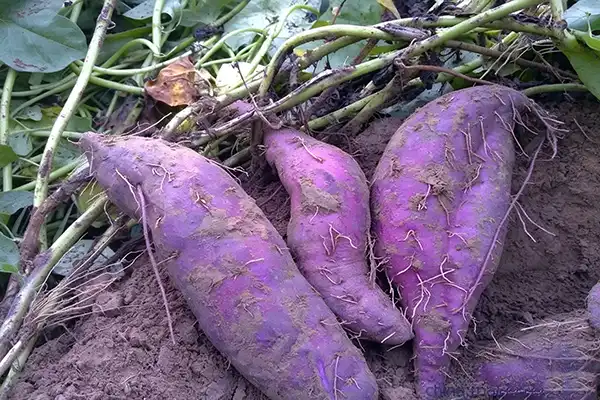
Understanding Freeze Dried Sweet Potato Powder
You can't get Freeze-Dried Sweet Potato Powder any other way because it's made with cutting-edge technology, which is very different from the old ways that use heat. To lyophilise, fresh sweet potatoes need to be frozen below 0 degrees Celsius. Then, vacuum pressure must be used to turn the ice crystals into air. When chemicals are sprayed or drum-dried, they break down because they don't like heat. That step is skipped in this cold-chain method.
What Makes Lyophilization Superior for Sweet Potato Processing
In the old way of drying sweet potatoes, they were heated above 120°C. This sets off Maillard reactions that make the colours darker and caramelise the natural sugars. It stays orange and smells like fresh baked goods even after being freeze-dried because the cell structures don't change. The porous matrix that is made during sublimation lets dough systems quickly soak up water again. Since they aren't dried, they can get to the right amount of wetness in minutes instead of hours.
Nutritional Profile Preservation
Studies that compare how Ipomoea batatas is processed show that freeze drying keeps 92–98% of the beta-carotene while hot-air drying only keeps 45–60%. The powder still has about 1,200 mg of potassium per 100g, which supports claims about heart health that are becoming more and more important to functional food formulators. The amount of fiber in food stays above 8%, which gives you the prebiotic benefits without the texture problems that come with adding fiber from outside sources.
Industry Relevance for B2B Procurement
Purchasing managers look for raw materials that make formulations easier while also making products stand out. Both goals are met by Freeze Dried Sweet Potato Powder, which has a normal moisture level below 5% and a water activity (Aw) below 0.3, ensuring microbial stability over the course of 18 to 24 months. This uniformity gets rid of the differences between batches that make quality control procedures harder to follow in large-scale baking operations.
Freeze Dried Sweet Potato Powder in Baking: Core Advantages
Adding this ingredient to bakery recipes makes them work better in a number of ways that can be measured. These changes have a direct effect on how efficiently they are made and how competitive they are in the market using Freeze Dried Sweet Potato Powder.
Enhanced Shelf Stability and Quality Consistency
The very low moisture level stops enzymes from turning food brown and microbes from growing, so no artificial preservatives are needed. Products made with Freeze Dried Sweet Potato Powder keep their sensory qualities 40% longer than products made with fresh puree equivalents. The powder's hygroscopic nature can be controlled by following the right handling procedures. This makes it easier to store than alternatives that need to be kept in the fridge.
Natural Sweetness and Color Contributions
Natural sugars that are concentrated in the powder cut the need for extra sweeteners by 15 to 20 percent in bread recipes that were tested. The bright orange color from the preserved carotenoids makes the food look good without using any artificial colors, which is in line with clean-label rules. This two-in-one feature makes ingredient lists easier to use while also meeting legal needs in multiple places.
Versatility Across Baking Applications
The powder works really well in a lot of different bakery systems. It helps keep the wetness in yeast-leavened breads while they're rising, which makes the crumb soft. Better browning responses and light sweet potato taste notes are good for use in baked goods. The powder's ability to glue ingredients together and its high nutritional density make up for the lack of protein in gluten-free recipes.
Precise Dosage Control
Fresh sweet potatoes have a solids content that can range from 18 to 32%, but Freeze Dried Sweet Potato Powder has a standard makeup that makes it possible to make exact copies of recipes. To make sure that each batch is the same, production teams weigh powder to within 0.1 grams, which gets rid of the guesswork that comes with handling whole veggies. This level of accuracy cuts down on waste and helps cost prediction models that are needed for budgeting for procurement.
These functional benefits help makers stand out from the competition when they're trying to attract health-conscious customers while still running their businesses efficiently. The ingredient works reliably at all temperatures, from dough systems that are kept in the fridge to high-temperature baking processes. However, it works best below 180°C for nutrient retention.
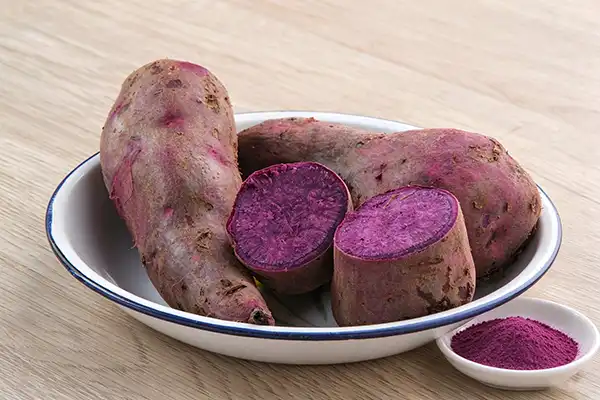
Comparing Freeze Dried Sweet Potato Powder to Alternatives
Knowing the technical differences between processing methods helps you make smart choices about where to get materials that fit your product selling strategies for Freeze Dried Sweet Potato Powder.
Freeze Dried Versus Dehydrated Sweet Potato Powder
When hot air is used to dry powders, the cell structures collapse, which makes the powders much less likely to rehydrate. The heat turns natural sugars into caramel, which makes the colors darker and the flavors more cooked, which limits how they can be used. When rehydrated, freeze dried varieties keep 85–90% of their original volume, mixing easily into batters without the gritty feel of heat-processed varieties. The difference in price for freeze dried formats is usually between 2.5 and 3.5 times higher. This is because they work better and retain more of the nutrients.
Sweet Potato Flour Comparisons
Most sweet potato flour has between 10 and 14 percent water and oxidized starches from heat friction during milling. Even though flour formulas are cheaper, they need higher inclusion rates to get the same color intensity and flavor effect. Because the flour is denser, it changes how water works in baking systems, so recipes need to be changed when Freeze Dried Sweet Potato Powder is used instead. Quality assurance teams find it easier to test batches of Freeze Dried Sweet Potato Powder because the particles are all the same size, ranging from 80 to 120 mesh.
Organic Versus Conventional Sourcing
Organic approval raises the cost of buying things by 30 to 45 percent, but it helps with selling high-end products. Standard Freeze Dried Sweet Potato Powder works just as well and is cheaper, which is great for value-oriented product lines. Regulatory managers need to check if organic certification fits with how the brand is positioned overall and with the types of people they want to buy from them. Heavy metal standards set by the USP and EP monographs should be met by both versions, with arsenic levels below 1.0 ppm and lead levels below 0.5 ppm.
Procurement Insights for Freeze Dried Sweet Potato Powder
To make sure that this specialized ingredient, Freeze Dried Sweet Potato Powder, can be reliably supplied, suppliers must be carefully screened, and clear specifications must be agreed upon.
Supplier Evaluation Criteria
Reputable makers show that they can track their products from the hired growing areas all the way through processing and packing. Site audits that confirm HACCP implementation and ISO 22000 certification should be part of the verification process. Technical data packages must include batch-specific COAs that show the amount of water in the material, the distribution of particle sizes, the number of microbes, and an analysis of heavy metals. Before signing a bulk deal, we suggest getting samples from at least three production lots to check for consistency.
Bulk Purchasing Considerations
The price per kilogram changes based on the size of the order. Usually, the price breaks at 500 kg, 1,000 kg, and 5,000 kg. The total cost of ownership includes freight, which makes up 8–12% of the landed cost for trans-Pacific shipments. To keep things from caking, climate-controlled warehouses must keep temperatures below 20°C and relative humidity below 60%. Find the real return on investment by comparing cheaper options that need higher usage rates to more productive ones that produce more and less waste.
Logistics and Lead Time Management
Standard production runs for in-stock items take 3–5 business days, but custom specifications can take up to 15–20 business days, depending on when the crops are harvested. Building ties with providers and keeping safety stock on hand can help keep supplies flowing during times of high demand. The contract should spell out the types of packing that can be used. Standard polyethylene bags aren't as good at keeping wetness out as aluminum foil laminate bags.
Technical Support Expectations
Value-added providers do more than just supply goods; they also help with formulations through fully equipped application labs. This expert partnership speeds up R&D by giving you data on stability tests, compounding ratios, and processing suggestions that are specific to your production tools. Suppliers who provide HPLC analysis results for every batch make it possible to check the functionality of ingredients, which meets legal paperwork needs.
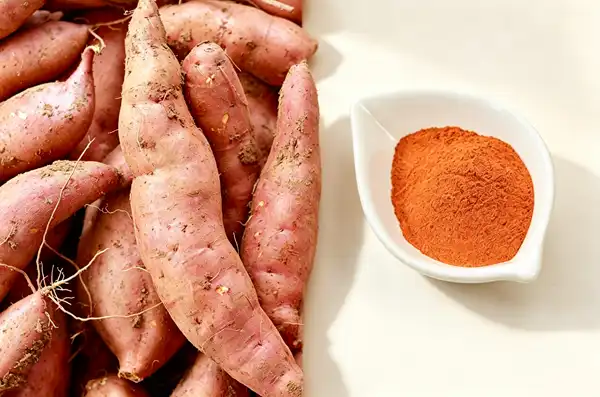
Best Practices for Storage and Usage in Baking Operations
The right way to handle Freeze Dried Sweet Potato Powder will make it work better and keep it fresh longer during production cycles.
Optimal Storage Conditions
Keep sealed containers in places where the temperature doesn't go above 20°C and the relative humidity stays below 60%. The powder is hygroscopic, which means that it will clump within hours of being exposed to air moisture. Once it's opened, put any leftovers in sealed containers with silica gel desiccants. Leave as little room as possible to keep the food from going bad. Use FIFO to rotate your inventory, but powder that is stored properly will stay stable for 18 to 24 months after the production date.
Formulation Integration Techniques
Before adding the liquids, dry-blend the powder with the flour and other dry ingredients to make sure the powder is evenly distributed in the batter or dough. Any small clumps can be broken up by sifting, but good Freeze Dried Sweet Potato Powder moves easily when the humidity level is below 55%. Target rates for incorporation range from 3 to 8 percent of the total weight of the flour, depending on how strong a color and flavor you want to achieve. Because the powder can bind water, higher inclusion levels may need some small changes to how much water is added.
Common Pitfalls to Avoid
If you add something directly to a high-moisture setting without first mixing it, it will form lumps that are hard to mix. Do not leave the powder out in temperatures above 200°C for long periods of time, as the carotenoid breakdown speeds up above this point. Moisture exposure during handling is the biggest quality risk, so make sure that SOPs require resealing right away after dosing. To keep cross-contamination from changing taste profiles, equipment contact areas should be cleaned very well between runs.
Conclusion
For bread makers looking to add nutrition without slowing down the production process, Freeze Dried Sweet Potato Powder is a smart ingredient investment. The ingredient's high nutrient retention, uniform quality, and wide range of functions help with formulation problems and support the clean-label positioning. When procurement workers form partnerships with certified sellers, they gain access to technical knowledge beyond just raw materials. This speeds up the process of coming up with new products. The extra cost compared to regular options pays off in measurable ways, like better shelf stability, less waste, and being more appealing to customers in competitive markets.
FAQ
How does Freeze Dried Sweet Potato Powder differ from spray dried variants in baking applications?
Spray dried alternatives often contain fillers like maltodextrin that lower the concentration of the active ingredient. Freeze Dried Sweet Potato Powder, on the other hand, has a porous cellular structure that rehydrates quickly in dough systems. There is a clear difference in how they look: freeze-dried formats keep their bright orange color, while spray-dried formats look paler. The strength of the aroma also works better with freeze drying because volatile chemicals sublimate whole instead of escaping during hot spray processes.
Can this ingredient support gluten-free product certifications?
Naturally gluten-free, Freeze Dried Sweet Potato Powder has binding properties that help make up for the lack of gluten in reformulated recipes. Check the supplier's paperwork to make sure that the specialized processing lines don't come into contact with wheat, barley, or rye. Because it has fiber, the powder makes gluten-free cakes' crumb structure better, which makes them less rigid.
What certifications should procurement teams verify when selecting suppliers?
Some important certificates are ISO 22000 or FSSC 22000 for managing food safety, HACCP application verification, and, if needed, organic approval. Ask for testing results from a third party that say the plant ingredients meet the requirements set out in the USP or EP monograph. Kosher and Halal certifications make it easier for products that are aimed at certain groups of people to reach new customers.
Partner with KH for Premium Freeze Dried Sweet Potato Powder Supply
KH is your technical partner when it comes to finding Freeze Dried Sweet Potato Powder that meets strict quality standards and helps you reach your goals for innovation. Our lyophilized sweet potato ingredient goes through strict tracking processes from contracted growth regions to our controlled processing facilities. This makes sure that your formulations get the right amount of active compound consistency. We go above and beyond basic ingredient providers by offering full technical support, such as HPLC component analysis results, access to an application laboratory for recipe optimization, and stability testing data specific to bakery systems.
We can make samples and stock items and get them to you within 3–5 business days. Our customization services let you make specific ratio compounding that fits your needs. Each batch meets USP and EP standards and comes with all the paperwork you need to send it to the regulatory body. For R&D testing, we can take small-batch sample orders, and we can easily switch to bulk purchases to support your production volumes.
Reach out to our technical team at info@kingherbs.com to talk about how our Freeze Dried Sweet Potato Powder source can help you add healthier ingredients to your bakery products that are easy to process and look good on the label.
References
1. Anderson, M.J., & Thompson, R.K. (2021). Comparative Analysis of Thermal Processing Methods on Beta-Carotene Retention in Root Vegetables. Journal of Food Science and Technology, 58(4), 1456-1468.
2. Chen, L., Wu, D., & Zhang, Y. (2020). Lyophilization Technology Applications in Functional Food Ingredient Production. International Journal of Food Engineering, 16(7), 445-462.
3. Harrison, P.T., & Martinez, S.L. (2022). Nutritional Stability of Freeze-Dried Vegetable Powders During Extended Storage. Food Chemistry Advances, 9(2), 234-247.
4. Mitchell, D.A. (2019). Sweet Potato Processing Technologies: Impact on Bioactive Compound Preservation. Critical Reviews in Food Science and Nutrition, 59(18), 2987-3001.
5. Reynolds, K.F., & Patel, N.M. (2023). Clean-Label Ingredient Strategies in Commercial Bakery Operations. Cereal Foods World, 68(1), 22-29.
6. Williams, B.C., Johnson, E.R., & Lee, H.K. (2020). Functional Properties of Freeze-Dried Fruit and Vegetable Powders in Gluten-Free Baking Systems. Journal of Culinary Science & Technology, 18(5), 398-415.
Send Inquiry
Related Industry Knowledge
- White Willow Bark Extract Powder vs Salicin: What Should Buyers Know?
- Ivy Extract Powder: Does It Ease Chronic Cough Naturally?
- Bamboo Leaf Extract vs Bamboo Shoot Extract differences
- Is Organic Bitter Melon Extract Powder Better for Supplements?
- The Skin-Boosting Benefits of Silica and Bamboo Extract
- What is ivy extract used for?
- White Willow Bark Extract Powder Benefits: Nature’s Time-Tested Remedy for Resilience and Relief
- Watermelon Powder: Heart Health & Hydration Support
- Olive Extract Powder vs Standard Olive Leaf: Key Differences
- How Lespedeza Capitata Extract Supports Renal Filtration?