_1762508637542.webp)
Where to Buy High Quality Passionflower Extract Powder Wholesale?
Jul 14, 2026
To find trustworthy wholesale sources for botanical products, you need to carefully look at quality standards, seller qualifications, and how the business runs. The safest way to get high-quality Passionflower Extract Powder is to work with reputable producers who have direct connections with approved growing bases and follow quality standards that are known all over the world. Kingherbs Limited has been in business since 1996 and is one of the few verified suppliers of standardised botanical extracts with full batch documentation. They work with dietary supplement brands, nutraceutical companies, and cosmetic formulators all over the United States. They sell ratio extracts and standardised flavonoid concentrations that range from 3.5% to 10%. The vitexin content is measured using a validated HPLC method and is between 1.2% and 5%.
Introduction
The market for plant ingredients is still growing steadily. Compounds made from Passionflower Extract Powder are getting a lot of attention in several B2B industries. More and more, companies that make nutraceuticals, functional foods, and cosmetics are looking for concentrated plant extracts that meet strict legal standards and offer regular amounts of active compounds. The quality of raw materials has a direct effect on the effectiveness of the finished product, the image of the brand, and compliance results. There is more and more pressure on procurement teams to find providers who can provide tracking paperwork, standardised potency levels, and reliable delivery schedules. This complete guide answers the most common questions that purchasing managers, research and development leaders, and quality assurance workers have about the wholesale botanical extract market. We look at standards for judging quality, frameworks for judging suppliers, and real buying strategies that are meant to keep costs low while minimising risks in the supply chain.
Understanding Passionflower Extract Powder: Key Facts for Buyers
Botanical Origins and Extraction Methods
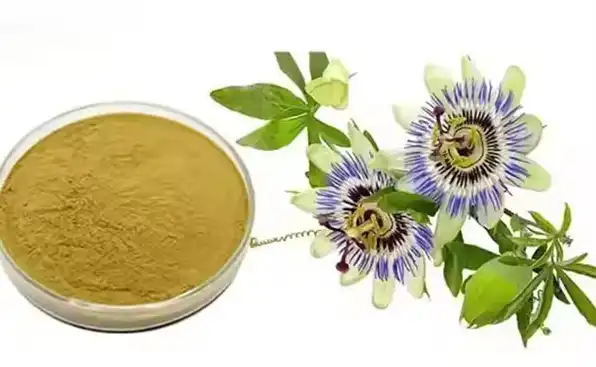
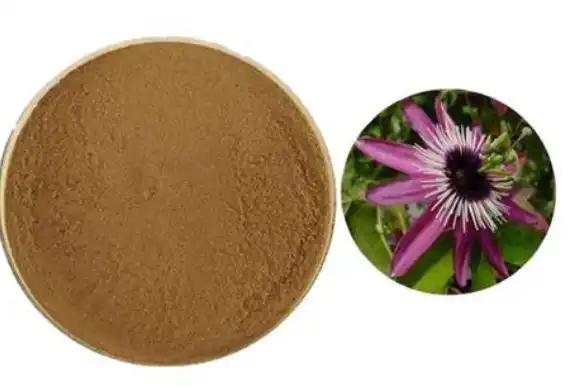
Passionflower Extract Powder comes from the highest parts of the passionflower plant, like the leaves, stems, and flowers that are picked at the right time. Whether the active compounds come from Passiflora incarnata or Passiflora caerulea plants affects the final profile. The way an item is extracted has a big impact on its quality and safety. Manufacturers who are responsible use water-based or food-grade ethanol extraction methods that keep the good chemicals without leaving behind harmful solvent leftovers. These gentle methods of extraction make fine powders that are brownish-yellow and contain a lot of flavonoids, including vitexin, which is the most important beneficial compound. Harsh chemical extraction methods may get higher yields, but they also make ingredients less pure and make it harder to follow regulations.
Active Compounds and Their Functional Properties
Botanical extracts are useful for medicine because they contain certain bioactive molecules, not just plant matter. Flavonoids in Passionflower Extract Powder change the way neurotransmitters work, especially in the GABA receptor system. As the main flavonoid marker, vitexin, quality samples give amounts that have been checked using HPLC analysis approaches. Standardisation is necessary to make sure that the formulations are always the same. Unlike raw herbs, whose effectiveness can change by more than 40% from season to season, properly standardised extracts keep active ingredient levels within tight ranges. Because of this stability, formulators can make sure that the doses in finished goods are always the same, whether they are capsules, functional drinks, or topical treatments containing Passiflora Incarnata Powder.
Applications in B2B Product Development
Standardised plant extracts can be used in a wide range of products because they are very flexible. Dietary supplement companies use these ingredients in formulas to help people deal with worry. They often mix them with other plants that help, like chamomile, valerian, or lemon balm. Functional food companies add them to drinks that help you relax, snack bars for the evening, and wellness gummies to meet the growing demand for natural ways to calm down. Cosmetic makers like flavonoid-rich extracts because they are good antioxidants. They use them in lines of care for sensitive skin and anti-ageing products. Experts in animal feeding look into how calming vitamins for pets can be used. Because it can be used for so many things, there is a lot of demand in the market for sellers who know how to deal with the different rules that apply to different types of products.
How to Identify High Quality Passionflower Extract Powder
Purity and Potency Indicators
To judge quality, you must first understand the key differences between high-quality foods and those that aren't up to par. It is very important for production effectiveness that particles are all the same size. The best powders can pass through 80-mesh screens with 95% accuracy, which makes sure that mixtures of multiple ingredients mix smoothly. Colour uniformity lets you see if the material is of good quality; good material looks like fine brownish-yellow powder that doesn't change a lot from batch to batch. The moisture level should stay below 5% to keep microbes from growing and to keep the product from sticking while it's being stored. A bulk density of 0.40 to 0.60 g/ml helps capsule filling operations go smoothly. The most important requirements are for the active compounds: the amount of flavonoids must be checked using UV spectrophotometry, and the quantities of certain vitexins must be checked using HPLC analysis. Suppliers with a good reputation give detailed certificates of analysis for each production batch that list these parameters.
Extraction Process Transparency
The ways that plant substances are concentrated have a direct effect on how safe they are and how the government views them. For food and health supplement uses, water extraction and food-grade ethanol extraction are the best ways to get the oil out. These methods don't use solvents made from petroleum, like hexane, which could leave behind small amounts of toxic chemicals that raise safety concerns. Maltodextrin carriers are often used in spray drying to keep resinous extracts stable and make the powder easier to move around. Carriers are usually added to products, but when formulators know the types and amounts of carriers used, they can figure out exactly how much active ingredient is in finished Passionflower Extract Powder products. When asked, manufacturers should be happy to give information about the extraction chemicals, processing temperatures, and transport materials they use. Any hesitation to give process information is a sign that quality issues might be present.
Third-Party Testing and GMP Compliance
Independent laboratory testing tells the difference between trustworthy suppliers and those who make claims that can't be backed up. Comprehensive testing programs look at a lot of things, like confirming identity using thin-layer chromatography or HPLC fingerprinting, measuring active compounds, checking for heavy metal contamination, analysing pesticide residues, and judging the bacterial quality. Objective proof of quality comes from certificates of analysis from third-party labs that have been approved by the manufacturer. Certifications for manufacturing facilities show that they manage quality in a systematic way. Getting a Good Manufacturing Practices license from NSF, NPA, or a similar program shows that you follow standard production procedures, keep good records, and take steps to avoid contamination. More certificates, like ISO 9001, FSSC 22000, HACCP, Kosher, and Halal, open up more markets and show a strong commitment to quality.
Top Criteria for Choosing a Reliable Wholesale Supplier
Certification Portfolio and Traceability Systems
The landscape of certifications tells us a lot about a supplier's skills and level of dedication. ISO 9001 approval shows that the basics of a quality management system can be used in any industry. FSSC 22000 is a set of rules for managing food safety that combines the needs of ISO 22000 with other important technical standards for ingredient sources. HACCP approval means that the food has been tested for hazards and that there are no risks of contamination. Organic certifications show that the growing and processing methods meet certain standards for making food without using pesticides. Beyond the badges that are shown on websites, serious buyers should ask for full tracking paperwork that connects groups of finished Passionflower Extract Powders to specific harvests of raw materials through processing records. This chain of custody paperwork is very helpful during audits by regulators or customers. Suppliers who work directly with approved farming bases may be able to provide better tracking than buyers who go through a number of middlemen for Passiflora Incarnata Powder.
Logistics Capabilities and Lead Times
How well suppliers handle transportation has a big impact on how efficiently operations run. Because ready stock is available for widely requested grades, there are no waiting times like there are with special production runs. Express shipping services make samples available for quick recipe development testing before committing to large quantities for sale. Minimum order quantities that are easy to change can be used for both small test orders and large-scale commercial production. A provider that offers both sample quantities and normal business minimums of 25 kg shows that they are flexible and focused on the customer. Expertise in international shipping, such as having the right paperwork for customs clearance, prevents delays from happening that cost a lot of money. Options for air freight help with urgent needs, while ocean freight offers cost-effective ways to keep up with regular needs. Keeping ingredients stable through climate-controlled storage and shipping is especially important for plant powders that are sensitive to moisture. Quality packaging, with a moisture shield and the right amount of desiccant, keeps the purity of the Passionflower Extract Powder safe throughout the distribution chain.
Technical Support Beyond Basic Supply
The best supplier relationships are more than just buying ingredients. They also include technical partnerships where both parties work together. Formulation support helps turn ideas for wanted products into formulas that can be sold. Application laboratories let you test how well an ingredient works in certain systems, like beverage systems, tablet compression, or topical emulsions. Shelf-life estimates and storage suggestions are based on data from stability tests. Regulatory support, such as help with writing ingredient specifications for regulatory submissions, is especially helpful for smaller businesses that don't have large regulatory departments. Custom extraction services let brands stand out by using unique active ingredient ratios or extracting plants that work well together. When suppliers offer these services that add value, they see themselves as strategic partners instead of just selling goods.
Comparing the Best Passionflower Extract Powder Wholesalers
Evaluating Supplier Reliability and Market Reputation
In the plant extract business, a supplier's stability is a good indicator of quality. Companies that have kept their operations the same for decades show that they have the operational ability to deal with changes in the market, new rules, and increased competition. Kingherbs Limited is a good example of this type of known seller because it has been in business since 1996. This kind of stability shows that customers are happy and that the business has been able to adapt to changing market needs. Even though customer reviews are sometimes edited, they can give you an idea of how real working relationships are. Being present in the market through trade shows and professional group memberships shows that you are interested in the market. Responding quickly to questions during the inquiry phase is often a good indicator of future service quality. Suppliers who give detailed technical answers and personalised quotes usually keep up those service standards throughout the relationship.
Balancing Cost and Quality Considerations
Different sellers have very different wholesale price systems, which are due to their different sourcing strategies, investments in quality control, and operating efficiencies. When you figure out the total cost of ownership, the lowest price isn't always the best deal. The quality of the ingredients has a direct effect on how well the finished product works, how happy the customer is, and how often they buy it again. When quality fails, expensive things like product recalls, inventory write-offs, and damage to a brand's image happen, which is much worse than the cost savings from using cheaper ingredients in the first place. When you do responsible buying, you weigh unit price against things like source stability, standard consistency, and the quality of the paperwork. Cost comparisons can be done accurately when price systems are clear and include Passionflower Extract Powder costs, testing fees, and transportation charges. Instead of forcing unprofitable inventory spots, volume-based price levels should match the actual number of items that will be bought. Investing in sample testing before making a business promise can be expensive up front, but it prevents much bigger problems down the road.
Value-Added Services and Customisation Capabilities
In stable ingredient markets, services around core goods are becoming more important than the products themselves as a way to set them apart. Private labelling services let smaller brands get high-quality Passionflower Extract Powder without having to spend a lot of money on their own manufacturing facilities. Custom packing choices, like choosing specific drum sizes, inner bag materials, or labelling languages, make it easier to receive and store goods. Blend formulation services come up with unique combos of ingredients that give products a unique place in the market. Label claims and regulatory reports are backed up by stability tests and shelf-life studies. With these services, suppliers go from selling ingredients to becoming strategic partners who help customers succeed. Offering all-in-one purchasing services that include plant extracts, vitamins, minerals, and amino acids makes managing vendors easier and could lower the cost of transportation.
How to Place Your First Wholesale Order: Step-by-Step Guide
Defining Detailed Purchase Specifications
For procurement to go well, requirements must be made clear from the start. The requirements for botanical extracts should include the ranges of active ingredient concentrations, the analytical methods that can be used to check the extracts, the accepted transport materials and ratios, the particle size requirements, and the microbiological limits. Regulatory compliance needs must be made clear from the start, whether they are FDA food additive status, dietary supplement acceptability, or organic certification needs for Passionflower Extract Powder. Preferences for packaging, such as drum sizes, inner bag materials, and moisture protection needs, keep logistics from getting complicated. Align supplier capabilities with operational needs to set reasonable delivery times, whether you need items shipped right away from stock or have to wait a while for custom production. When you first ask, you should be told what kind of document style is needed for certificates of analysis, allergen statements, and letters of support for regulations.
Sample Testing and Quality Verification Protocols
Before making a business promise, a sample review is an important risk management step. Ask for samples that exactly match the details of the business Passionflower Extract Powder orders you want to place, such as the amounts of active compounds, the methods of extraction, and the carrier materials. Identity verification testing should be done by qualified labs to make sure that botanical sources are real. This is a common worry in markets for botanical ingredients where fraud is done for financial reasons. Label claims and specification compliance are checked by quantitative analysis of key active compounds. During contamination screening, heavy metals, herbicide residues, and bacterial quality are checked. Functionality testing in real formulation models shows how solubility, colour, and sensory traits affect the quality of the end product. A study of the documentation, such as the certificate of analysis, specification sheets, and safety data sheets, makes sure that it meets both internal quality standards and legal requirements.
Payment Terms and International Shipping Considerations
In the Passionflower Extract Powder business, bank transfers are the most common way for businesses to pay each other, but letters of credit are often used for bigger orders or when working with a new source. Payment plans range from paying in full ahead of time for small orders at first to paying a deposit and the rest when the goods are shipped after a while of working together. When you're doing international logistics, you need to pay attention to things like shipping insurance, customs paperwork, and import duties. Incoterms make it clear who is responsible for paying for shipping, insurance, and clearing customs. Express courier services make it easier to ship small samples because the seller or receiver pays the duties and taxes. Most commercial goods are sent by air freight to get them there quickly or by ocean freight to save money. Clearance delays are avoided because the supplier knows what the U.S. import rules are and can provide all the necessary customs paperwork. Insurance guards against damage or loss while travelling across borders. Clear return and dispute settlement processes give people who receive nonconforming material a way to get their money back, even if they never need to use them.
Conclusion
To find high-quality Passionflower Extract Powder, you need to carefully check out suppliers' skills, quality control systems, and service promises. Botanical extract procurement is very complicated. From being able to track down the raw materials to making sure the extraction process is done correctly to keeping records of the finished product, sellers need to have a lot of scientific knowledge and strong operating systems. Passionflower Extract Powder is used in dietary supplements, functional foods, and cosmetics. These different uses create different legal and formulation needs that only certain providers can meet. Long-term relationships with suppliers that work well balance low prices, consistent quality, reliable delivery, and quick technical support. Spending time and money testing samples and evaluating suppliers carefully before making official commitments pays off in the form of fewer quality problems, smoother operations, and better performance of the final product.
FAQ
1. What makes Passionflower Extract Powder effective for stress management formulations?
Flavonoid substances, especially vitexin, change the function of GABA receptors in the nervous system, which is why it works. Standardised Passionflower Extract Powders with uniform vitexin levels make it possible for final supplement formulations to have constant dosing and calming benefits.
2. How do UV and HPLC testing methods differ for quality verification?
UV spectrophotometry finds all the flavonoid classes and gives higher percentages based on how much each group absorbs light. HPLC extracts and measures specific molecules, such as vitexin, giving more accurate quantity information for bioactive substances. Both methods are used for different kinds of quality control.
3. What minimum order quantities should buyers expect?
Sample sizes range from 100g to 10 kg so that formulation development and stability testing can be done. For commercial production, the minimum order size is usually 25 kg, which is the standard drum packaging that most makers find best matches ease of handling and storage space.
4. Does the extract contain carriers affecting formulation calculations?
Maltodextrin carriers are often found in spray-dried powders, usually in amounts between 10 and 30 per cent. They help keep resinous extracts stable and make the powder easier to flow. Suppliers you can trust will tell you the types of carriers they use and how much of each they use. This lets you accurately figure out how much active ingredient is in finished formulations.
Partner with Kingherbs for Your Passionflower Extract Powder Supply Needs
Working with dietary supplement companies, vitamin brands, and makeup formulators all over the United States, Kingherbs Limited brings almost 30 years of experience in extracting plants. We are dedicated to always doing our best, as shown by our extensive quality control systems that include ISO 9001, FSSC 22000, HACCP, and other certifications. Direct connections with approved growing bases make it possible to track down raw materials and pick them at the best time to get the most active compounds. Our food-grade ethanol and gentle water extraction methods keep the good chemicals while achieving the highest safety standards. We keep a ready supply of standard specifications items that can be shipped quickly. Our approach is flexible enough to handle both sample requests and large orders. In addition to providing ingredients, our application laboratory helps with formulation, conducts stability tests, and provides expert advice to help you make the best product developments. Get in touch with our knowledgeable staff at info@kingherbs.com to talk about your specific needs, ask for samples of our products, or look into custom extraction solutions that will help your brand stand out as a reliable Passionflower Extract Powder provider.
References
1. Smith, J.R., & Thompson, K.L. (2022). Quality Assessment Protocols for Botanical Dietary Ingredient Procurement. Journal of Nutraceutical Supply Chain Management, 18(3), 145-167.
2. Martinez, A.B. (2021). Standardisation Methodologies in Herbal Extract Manufacturing: A Comparative Analysis. International Journal of Botanical Ingredient Science, 12(2), 89-104.
3. Chen, W., & Anderson, P.D. (2023). Regulatory Compliance Frameworks for Imported Botanical Ingredients in the United States Market. Food and Supplement Regulatory Review, 9(1), 23-41.
4. Williams, E.M. (2022). Supply Chain Risk Mitigation Strategies for Botanical Ingredient Procurement. B2B Purchasing Management Quarterly, 15(4), 201-219.
5. Rodriguez, M.G., & Singh, R.K. (2023). Analytical Method Validation for Flavonoid Quantification in Standardised Plant Extracts. Journal of Analytical Phytochemistry, 28(2), 312-329.
6. Thompson, B.L. (2021). Due Diligence Protocols for International Botanical Ingredient Supplier Evaluation. Global Nutraceutical Sourcing Review, 7(3), 156-178.
Send Inquiry
Related Industry Knowledge
- How to Use Passionflower Extract Powder for Better Sleep?
- Finding quality Tongkat Ali Extract Powder: Six golden rules to follow.
- How Does Blueberry Extract Powder Support Immune Function?
- Bamboo Leaf Extract in Skincare: Understanding
- Is Macleaya Cordata Extract Effective for Swine Production?
- Top Reasons to Add Valerian Root Extract Powder to Your Lineup
- High-Potency Mulberry Leaf Extract Powder for Supplements
- Mango Leaf Extract Powder for Skin: Anti-Aging & Protection
- Why Vine Tea Extract Is the Next Big Functional Ingredient?
- How Macleaya Cordata Extract Supports Immune Function?