
Where to Buy Vine Tea Extract: Supplier Due Diligence?
Nov 13, 2026
If you are asking where to buy vine tea extract, the short answer is a supplier that documents botanical identity, dihydromyricetin (DHM) content, test methods, and certifications for every batch. Price matters, but a low quote means little if the powder misses your specification. When I screen vine tea extract suppliers, I define the specification first. Then I request documents, compare offers on total cost, and watch for warning signs. This guide walks through each step and shows how KH supports buyers with samples, HPLC reports, and application help.
Why Supplier Due Diligence Matters When Buying Vine Tea Extract
Before you compare quotes, make sure you know what you're getting and what could go wrong.
What Vine Tea Extract Is and Where Buyers Use It
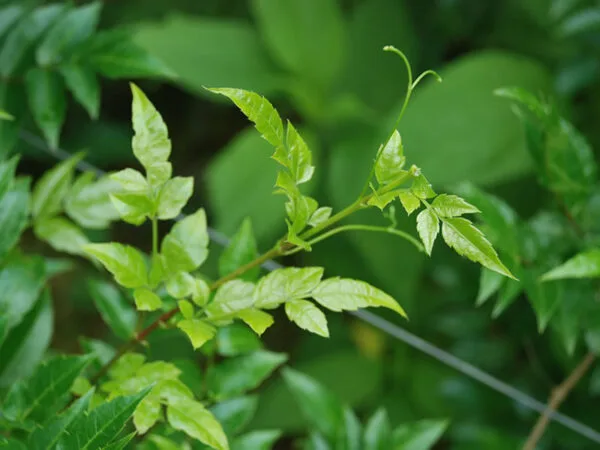
The climbing plant Ampelopsis grossedentata, which is native to the mountains of southern China, is used to make vine tea extract from its soft leaves and stems. Even though it has the name Camellia sinensis, it is not related to that plant. It also does not contain caffeine or theophylline. The main chemical that makes it work is dihydromyricetin, which is also called ampelopsin. Flavonoids make up about 35–45% of the dry weight of young stems and leaves. People have used the plant for over 600 years. Brands now put it in functional drinks, supplements, recipes that help the liver, beauty-from-within items, and makeup. Dihydromyricetin has been linked to benefits that help the liver and is an antioxidant in both cells and animals. Label claims still have to follow the rules of the market you're going to.
Why the Lowest Price Rarely Delivers the Best Value
Words that look like they are about the same thing can still mean different things. It's possible that one powder is an extract with a 10:1 ratio and another is set to a certain % dihydromyricetin. There are also things that can change the real cost, such as shipping terms, carriers, packaging, testing scope, and paperwork. If the cheaper powder doesn't work well with your formula, you'll have to change the formula, test it again, and wait longer for the launch, which costs more money. I don't look at how much powder costs per kilogram when I compare deals. I look at how much it costs to land one kilogram of confirmed dihydromyricetin. When a shop or inspector asks for proof at the batch level, that method often turns the order around.
Risks to Screen For Early
Different amounts of bulk vine tea extract aren't as strong as each other; there are no COAs, claims of unclear compliance, unreliable lead times, and not enough support from OEMs or regulators. All of them are easy to try out before you buy, but hard to find afterward. You can see that the potency changes when you look at HPLC results from different lots. If a seller can't say how they test their goods, their paperwork isn't very good. When wait times aren't clear, it's hard to keep track of stock. You can have a sales call about something technical if you ask for proof on every point, which is fine with serious suppliers.
Define the Vine Tea Extract You Need Before Contacting Suppliers
It saves time for everyone when there are clear instructions, which is why I write mine before I send any questions.
Confirm Botanical Identity, Plant Part, and Origin
Start with the name in Latin. It comes from the plant Ampelopsis grossedentata W. T. Wang. This should be written on both the COA and the specification sheet. Find out what part of the plant is used to make the powder. KH uses leaf and stem. Also, ask where it came from. Growing sites work with KH to keep an eye on active content because it depends on the type of plant, the soil, and the time of harvest. An HPLC fingerprint should be used for recognition instead of a visual check, since cheaper copies that look the same cost less. Someone who is selling vine tea extract from the planting stage can show records that explain these things.
Set Measurable Ratio and Active-Compound Targets
Vague claims like "high purity" don't belong on a purchase order. Dihydromyricetin ranges from 10% to 98%, and myricetin ranges from 80% to 98%. You can get ratio extracts from KH at 4:1 and 10:1. HPLC has checked all of these out. This number tells you how much raw plant matter you need to make one part of powder. With a normal score, you can be sure of a good number. Pick based on what you need to say. In your plan, write down the number, the way to test it, and the right range. Ask for both the summary result and the HPLC chromatogram so that your quality assurance team can look it over.
Choose Format, Solubility, and Grade
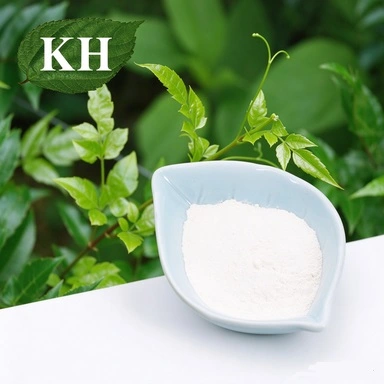
KH sells fine off-white to white powdered vine tea in drums of 25 kg. Check your dosage form's liquid, drying method, wetness, particle size, and ability to dissolve against the list below. KH doesn't use any harmful solvents when they extract. They only use water or edible ethanol. This makes it simple to check the solvent that is still there. For drinks, make your own base to check the color and how well it dissolves. Vine tea extract doesn't change color when the pH level is slightly acidic (pH 3.0 to 6.0), but it might change color when the pH level is more basic (pH 7.0 and above). There are no finished products for sale at KH. They only sell soft pills. At the start, make a list of what you need for food, medicines, and makeup. Each may need a different set of papers.
How to Evaluate a Vine Tea Extract Supplier's Quality System
You can read what a business says on these pages. The next three checks show what it can prove.
Manufacturer, Distributor, or Trader?
Listings don't usually say who makes the powder. Find out if the company owns the plant that does the extraction, hires someone else to do it, or sells it again. Check with proof like the address of the factory, a list of its tools, how much it can make each month, the size of each batch, and the building's rules. A direct manufacturer can answer your questions about the conditions of extraction, drying, or batch release without having to ask someone else. If you only need a few things, a wholesaler can still give you good service, but you should know where the goods come from. Since its start in 1996, KH has grown to become one of the largest companies in China that makes plant-based foods. It makes a huge number of plant extracts, which can be liquid or dry powder. A site visit or video check can show things that a pamphlet can't for this vine tea extract.
Verify Certifications, Scope, and Traceability
Certificates don't mean much without dates and scope. KH vine tea extract is certified by many groups, including ISO9001, FSSC22000, HACCP, Kosher, Halal, FDA, Organic (EU), and Organic (USDA). No matter who you buy from, make sure you get all of the certificates, check with the organization that issued them, and make sure that the goods and the place are covered. It's not the FDA's job to certify ingredients, so you should ask the supplier to explain what its FDA claim really means. Then test the method that the paper is based on. A lot of the time, the seller has to find its raw materials. What does it do about changes, recalls, complaints, and changes to the way things are done? Every day, answers in writing show how the process works.
Read the COA Line by Line
For vine tea extract, the COA should have the product name, the botanical source, the batch number, the date it was made, the date it was tested again or it goes bad, the directions, the results, and the ways it was tested. The lot you get should be the same as the batch number. The HPLC test should show either dihydromyricetin or myricetin. It should also show the particle size, shape, moisture level, and ability to dissolve. The market you're in may tell you that you need to add bacteria, heavy metals, pesticides, leftover solvents, and mycotoxins. A lot of the time, the ICH Q3C standard is used as a guide for liquid limits. KH makes goods that meet USP and EP standards, and each batch has a full HPLC report. Then, send the first batch from any new supplier to a different lab and see how they do.
Compare Vine Tea Extract Suppliers on More Than Price
Once the papers are clear, the best one will be chosen by the terms of the deal and the type of product.
Ratio Extracts, Standardized Powders, and Alternatives
Formulas like 4:1 or 10:1 can show how much plant matter is in the powder, but they don't always show the dihydromyricetin level. Vine tea extract powder that has been standardized has a known active percentage that helps with label claims and dosage. Look at how it can be used and compare it to other choices. There is no caffeine in natural vine tea extract by itself, but there is caffeine in green tea extract. It has many proanthocyanidins, and dihydromyricetin-alone works well in recipes that only need one thing. Instead of following a trend, match the ingredient to your product idea. This is because each one has a unique taste, color, ability to dissolve, and market position.
MOQ, Samples, and Lead Time
Supply terms decide if a start goes as planned or not. When you buy something from KH, you have to buy at least 25 kg, which is the same as one drum. Everyday items and samples that are in stock can be sent out by courier, air, or ocean in 3–5 business days. Talk to each seller to find out if the wait time includes paperwork for export and testing. You should also find out how much is in stock now and how much can be shipped each month, since "ready stock" should have a number. Before you buy a lot of vine tea extract, you can send a few kilograms to your R&D team as a test order to see how stable it is and how it tastes.
Quotation Details and Red Flags
It is important to get prices that include pricing for large orders, packaging, Incoterms, payment terms, security, shipping, testing fees, and a claim period. When costs are hidden, things are often left out. Watch out for a COA that doesn't match your batch or the supplier's name, words like "premium" or "high purity" that don't have any numbers next to them, or bulk vine tea extract that is priced much lower than what the market will bear. Being told to buy a lot of it before you can do a sample is another red flag. You can tell if the claims are true by looking at the certificate and the company that issued it. Also, pay close attention to how the team answers technical questions because it shows what they will do once they get the order. In order to deal with red flags, use papers, practice tests, and study of the contract.
A Practical Due Diligence Process for Vine Tea Extract
Figure out what you need before you buy, whether it's one drum or enough for a year.
A Five-Step Process From Shortlist to Approval
Five things I do. First, write down the scientific information. This should include the name, the amount, the dihydromyricetin, how well it dissolves, any contaminants, how it will be packed, how long it will last, and any market needs. Second, write down a short list of people who make, export, distribute, and are original equipment manufacturers (OEMs). Third, ask for examples and papers. Fourth, test the lab and the formulas. Fifth, agree to work with the seller by signing a quality agreement that explains how to reject items, let people know about changes, test in groups, and deal with complaints. If you take care of these things before the first business order, there won't be any problems later. It also lets the buying and quality assurance teams work on the same file together for this vine tea extract.
Match the Supplier to Your Business Model
You can't get all of your work done from just one source. Supplement brands usually need a standard dihydromyricetin, information on how stable the product is, and an MOQ that they can meet. People who make drinks care about how well things dissolve, how they taste, how they look, and how stable the pH is. Distributors pay attention to things like re-labeling, export paperwork, and the amount of space available. Companies that make cosmetics need help with safety, and clients who buy from OEM or ODM want pilot batches, help with packaging, and to work with regulators. KH is in charge of an application laboratory that helps with making new ingredients, making recipes better, and checking how stable drinks, sweets, tablets, and skin care products are. Also, it can make compounding solutions that do certain things or have certain ratios.
Final Due Diligence Checklist
Here is a short list of things you can do to find a good source and get permission to place an order:
- Specification: Look at the name of the plant part, the ratio of the extract or dihydromyricetin percentage, the myricetin level (if it's important), the HPLC method, the grade, the look, the moisture level, the particle size, the solubility, and what it's meant to be used for. The supplier's specification sheet should be sent with the buy order along with all the numbers so that everyone can work from the same copy.
- Quality: As a grade, you should get a COA for each batch, an HPLC chromatogram, identification test results, microbe and contaminant test results, certificates with dates and scope, and records of how the goods were made. Before you let people buy regularly, make sure the first three lots are all the same and send at least one sample to a different lab.
- Commercial: If you're a business, you need to accept the sample and then agree on the bulk price, MOQ, wait time, packing, storage, Incoterms, payment terms, and shipping method. You should agree on how to handle changes, complaints, and products that don't meet standards before you place your first order. Put all of these things in a quality agreement and write them down.
Conclusion
Before you look at price, it's better to look at the supplier's reputation, the product's details, and any paperwork that comes with it. The plant source, Ampelopsis grossedentata, needs to be checked by name and part of the plant. This level should be written as a dihydromyricetin or myricetin range that can be checked with HPLC. The seller is in charge of the process because the COA is unique to the batch, the certificates are valid, and it is easy to keep track of. One thing is used for ratio extracts, and another is standardized powders. It depends on the MOQ, sample policy, lead time, and details of the quote on how well production goes. You should test examples and read the contract if you see red flags like claims that aren't clear or COAs that don't match. When people take these steps, the quality and supply risk of the supplements, drinks, and cosmetics they buy with vine tea extract goes down.
FAQ
Should I buy from a manufacturer or a distributor?
If you buy from a direct manufacturer, you have more control over the papers, batch release, and extraction. This makes it a good choice for most grades of vine tea extract. Someone who buys in bulk can handle small, mixed sales. You should always ask for the place where the goods were made, the COA, and the certificates.
Which documents should I request?
Ask for the standard sheet, a COA with HPLC results for each batch, copies of the certificates, and any safety statements your market needs. KH sells goods that meet USP and EP standards and includes a full HPLC report with every batch.
Is water-soluble extract always better?
No, it's not important for regular powder to dissolve in water for drinks. However, it usually does well in pills and tablets. Test your base before you choose a style.
What MOQ should I expect?
For tests and samples, KH gives them out. The MOQ for business use is 25 kg.
Request Vine Tea Extract Samples From KH
KH is a company that makes vine tea extract for sale. They offer samples, batch COAs, HPLC reports, specs, MOQ information, and different quotes. Quotes and dihydromyricetin grades are available right away, and samples will be sent to you in 3–5 business days. Write to info@kingherbs.com and tell them about yourself, how many plants you need, and who you want to sell them to.
References
1. Journal of Functional Foods, 2021. Vine tea (Ampelopsis grossedentata): A review of chemical composition, functional properties, and potential food applications.
2. Trends in Food Science & Technology, 2021. Dihydromyricetin: A review on identification and quantification methods, biological activities, chemical stability, metabolism, and approaches to enhance its bioavailability.
3. Alcoholism: Clinical and Experimental Research, 2020. Dihydromyricetin Protects the Liver via Changes in Lipid Metabolism and Enhanced Ethanol Metabolism.
4. Journal of Neuroscience, 2012. Dihydromyricetin as a Novel Anti-Alcohol Intoxication Medication.
5. U.S. Food and Drug Administration, 2007. Current Good Manufacturing Practice in Manufacturing, Packaging, Labeling, or Holding Operations for Dietary Supplements (21 CFR Part 111).
6. International Council for Harmonisation, 2021. ICH Q3C(R8) Guideline for Residual Solvents.
Send Inquiry
Related Industry Knowledge
- Top 5 Valerian Root Extract Powder Supplier Questions to Ask
- Best Rice Bran Extract Factory: What Should Buyers Check?
- How to Verify the Purity of Holy Basil Extract Powder?
- Best Blueberry Extract Powder 2026: Pure, Science-Backed Guide
- Benefits of astaxanthin - nature's most powerful antioxidant
- How to Identify Premium Bacopa Monnieri Extract Powder?
- Enhance Livestock Performance with Macleaya Cordata Extract
- Is Couch Grass Rhizome Extract Effective for Kidney Health?
- Can Polygonum Cuspidatum Extract Improve Energy & Vitality?
- Boost Your Product Line with Premium Vine Tea Extract