
What Makes Olive Extract Powder a Powerful Antioxidant?
Oct 21, 2026
An important thing to know about olive extract powder is that it contains two active compounds that are found in olives. These are oleuropein and hydroxytyrosol. In lab tests, these flavonoids remove free radicals and keep the balance of oxidative stress. This advice is for brand owners, those in charge of buying things, and formulators who want more than just a marketing claim. You will learn what ingredients are important, how the extraction process affects how well it works, how to read a certificate of analysis, and how to compare olive extract powder to other antioxidant plants before you buy.
Quick Guide for Buyers: Two antioxidants, oleuropein and hydroxytyrosol, are found in large amounts in olive extract powder. These can also be found in olive leaves and fruit. It's not the word "antioxidant" on the label that determines how strong a substance is; it's the plant source, cultivar, extraction solvent, drying process, and storage conditions. This is because the fruit extracts are more likely to contain tyrosol and hydroxytyrosol, while the olive leaf extracts tend to have a higher quantity of oleuropein. Before you approve a source, you should always ask for marker data that has been checked by HPLC, a current certificate of analysis, and contamination testing. High amounts of antioxidants without a method, unit, or batch number? That is not the norm; that is just business speak.Email:info@kingherbs.com
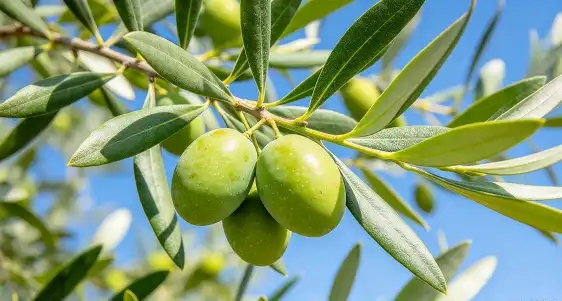
What Antioxidant Compounds Are Found in Olive Extract Powder?
You should be sure of what you're getting before you compare sources. There are a lot of different goods that are called "olive extract," and not all of them work the same way.
What Is Olive Extract Powder?
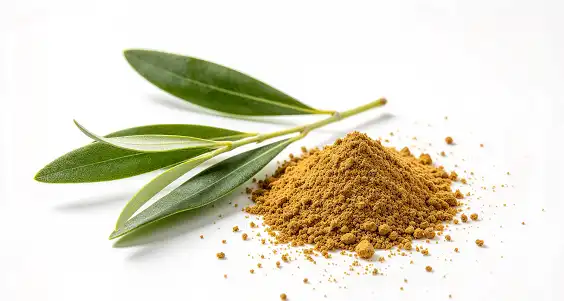
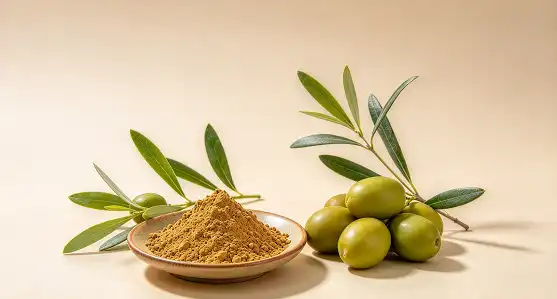
Powder of olive oil. A concentrated dry form. To make olive extract powder, you can use olive leaves, fruit, or a mix of the two (fruit and leaves). It is not the same thing as olive oil powder, and it is not always standardized to oleuropein unless the specification says so. "Olive extract" has been used to describe three different things from three different sources in other buyers' papers. The plant source, the extraction ratio, the liquid system, the carrier component, and the drying method will all affect the makeup. People who think that all providers will be the same are taking a needless risk when they formulate.
Specification;
Product Name: Olive Leaf Extract
Botanical Source:Olea europaea L.
Appearance:Fine Brownish yellow Powder
Plant Part Used:fruit,leaf
Specification:Ratio:4:1;10;1,Hydroxytyrosol 7%-98%, polyphenol10%-40%,Oleanolic Acid 20%-98%, Oleuropein6%-70%,10% Verbascoside
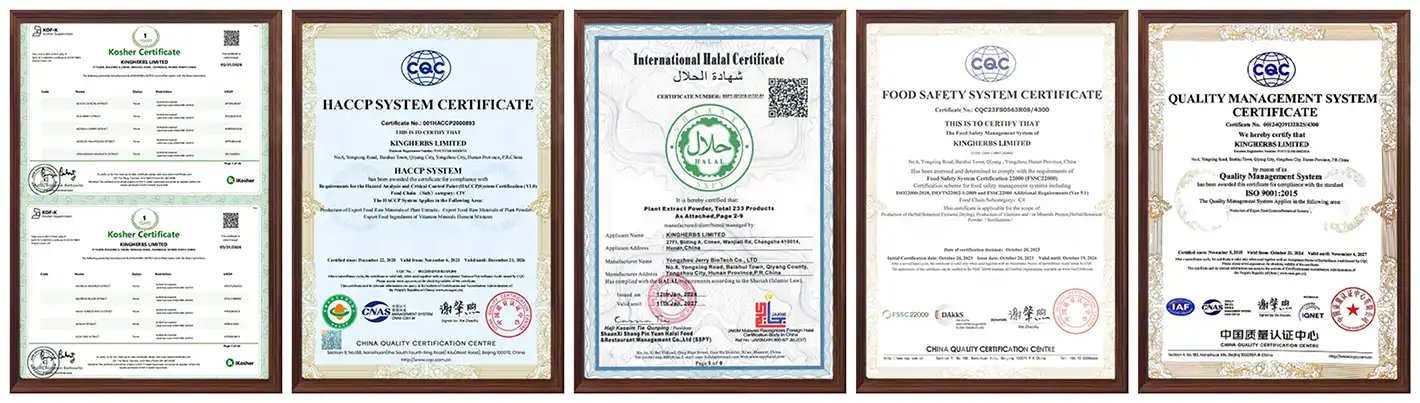
Certifications: ISO9001, FSSC22000, KOSHER, HALAL, HACCP
Shipment Lead Time: 3-5 Working Days
Transportation: Land/Air/Sea
MOQ: 1kg/bag (sample), 25kg/drum bulk commercial order
Application: Food, Cosmetic, Pharmaceutical, Health Product
Key Polyphenols and Supporting Compounds
So many compounds are looked for when a lab tests an olive fruit extract. You can really understand a certificate of analysis, not just look at the numbers, if you know them.
- Oleuropein is the main phenolic compound found in olive leaves. It is often used as the main standard for quality control in commercial specifications that range from 10% to 80%, depending on the grade.
- Hydroxytyrosol is a small phenolic molecule that has strong antioxidant properties, as shown in published in vitro studies. It is usually found in fruit-leaning extracts at levels ranging from 5% to 50%.
- The other parts of the phenolic profile are tyrosol, verbascoside, caffeic acid, and some smaller flavonoids. They add up to the overall polyphenol amount that you can see on some spec sheets.
- Triterpenic chemicals (not phenolic compounds) like maslinic acid and oleanolic acid range in concentration from 5% to 98%, with different grades available based on the use.
Not just the name of the ingredient should be used to figure out the exact profile; a current seller standard sheet and approved laboratory tests should also be used.
Olive Extract Powder Nutrition and Ingredients
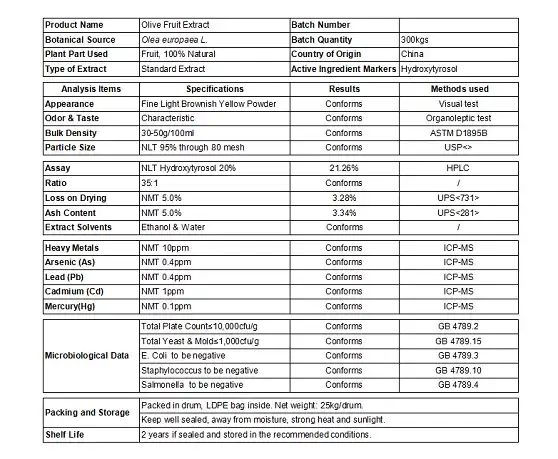
There is no nutrition information on olive extract powder. You can't see the nutrition facts until you take the active ingredient out of the carrier. To make products move and stay stable, many use maltodextrin or gum acacia, which lowers the active percentage per gram. Don't just look at the weight; also check the calories, carbs, and serving size to see how they compare to the strength claimed. Status check for allergies, GMO declaration, residual solvent or pesticide testing. In a clean olive leaf extract, there shouldn't be much ethanol left over, and there shouldn't be any pesticide residue left over that is above what is allowed by law or discovery.
How Do Oleuropein and Hydroxytyrosol Help Combat Oxidative Stress?
What's in the powder then? So now you know what they are; the next question is how they really work. This part talks about the difference between health claims made to customers and processes that have been proven in a lab.
Oleuropein's Antioxidant Role
Oleuropein is the phenolic glycoside that makes olive leaves and unripe fruit unique. The chemical has been shown to scavenge free radicals and bind metals in a controlled laboratory setting (EFSA, 2024)\. When molecules join to metal ions, which could otherwise speed up the oxidation process, this is called chelation. Experiments were done in vitro and on animal models to get the results. They don't always directly lead to a confirmed effect on human health. Buyers should know that clinical proof and test data are two different kinds of evidence.
Hydroxytyrosol and Oxidative Protection
Hydroxytyrosol can be found in extra virgin olive oil, olive products, and many olive extracts that have been standardized to this marker. It is one of the olive phenolics that has been studied the most in antioxidant studies. This may be because its molecular structure is pretty simple. But the amount in a finished product, how well the body can absorb it, the other ingredients, and the way it was processed all affect whether or not the activity measured in the lab will actually help people. You can't just say that the assay number is high on paper and expect it to work in a capsule or cream.
How to Communicate Benefits Responsibly
When B2B teams write label text or marketing materials, they need to use words and phrases that will pass legal review. During formulation calls, this is what I tell my clients:
- If a recent batch test doesn't back up claims like "standardized to oleuropein content" or "contains olive fruit extract polyphenols," don't use those words. Use of words that aren't backed up by evidence could pose a compliance risk during label review or import inspection.
- Make claims about preventing or treating diseases if the local supplement or new food standards allow it in your market and product group.
- The two markets use structure/function language in different ways (FDA, 2024; European Commission, 2024). Because of this, EU health claim laws and US dietary supplement claim standards should be reviewed before finishing material that people will see.
- Do not use broad adjectives. All claims about antioxidants should be backed up by a specific chemical, a specific test method, and a source that can be checked.
These steps will protect your brand during store checks, customs inspections, and advertising standard complaints, all of which take a lot more time than writing correctly from the start.
The Role of Olive Polyphenols in Free Radical Scavenging
Antioxidant testing data can look impressive on a flyer and still mean very little without context. This section explains what the numbers actually measure.
What Free Radicals and Oxidative Stress Mean
Reactive oxygen species (ROS) are unstable molecules that are made by the body's metabolism and in response to stressors like pollution or UV light. Oxidative stress happens when these molecules build up to a point where the body or product system can't get rid of them. In a lab experiment, you are testing a simple way that antioxidants might add electrons or stop oxidation chain reactions. Just because something gets a high score in a test tube doesn't mean that it will have an effect on people's health. Biological metabolism and absorption change the picture.
Common Antioxidant Testing Approaches
Different labs use different assays, and each one answers a slightly different question. The table below breaks down what buyers typically see on a test report.
| Test or measurement | What it indicates | Buyer consideration |
|---|---|---|
| HPLC or UPLC | Concentration of specific compounds such as oleuropein or hydroxytyrosol | Prefer validated, marker-specific results over general claims |
| DPPH | Radical-scavenging activity under defined lab conditions | Useful for comparing batches, not a biological guarantee |
| ABTS | Antioxidant response in a chemical assay | Check units, controls, and lab method before comparing suppliers |
| FRAP | Reducing capacity of the sample | Results shift depending on the method used, so compare like for like |
| ORAC | Older oxygen-radical absorbance measurement | Avoid using it as the only quality indicator in a spec |
How to Interpret Antioxidant Claims
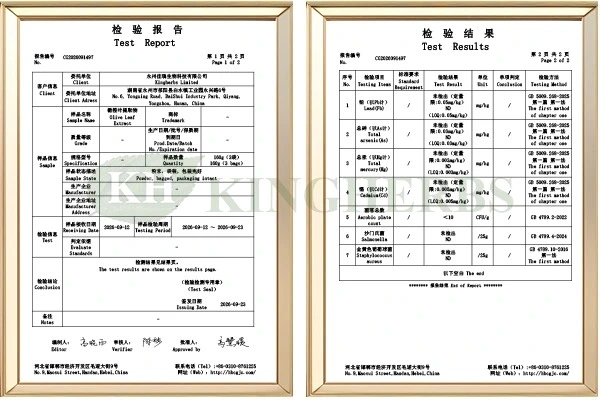
The phrase "high antioxidant" on a supplier's quote sheet doesn't tell you anything by itself. Ask for the name of the chemical, its concentration, the method used for analysis, the lab's license, the batch number, the test date, and the units of measurement. For an idea of the pass/fail range, ask for reference norms and accepted limits. Find out if the results are for the raw powder or a restored solution. The difference between the two will affect the actual quantity of your mixture.
Why Does Polyphenol Content Matter When Choosing Olive Extract Powder?
There are projects that don't need the highest oleuropein number on the market. Getting the right potency for the job saves money and keeps formulation problems from happening.
Standardized Versus Non-Standardized Extracts
A standard sample is chosen that has the lowest amount of oleuropein or hydroxytyrosol. Each batch is then tested by HPLC. The wide-spectrum extract has a bigger picture of phenolics and less control over any one marker. On the other hand, a general olive fruit extract might not have any confirmed active-marker specifications at all. People have paid more for "full-spectrum" products because they thought they were more powerful, but the marker concentration was lower than a standard product at the same price.
Selecting a Target Active Level
You can buy the supplier's stock, but to get the right strength, you need to go backward from the finished product, not forwards. Before you choose a specification, think about the following:
- A 10% oleuropein grade and an 80% grade need very different fill weights to get to the same active amount per pill or tablet.
- Capsule or pill fill weight limits, which may need more regularity if you're not working with large amounts of powder.
- As the phenolic content rises, so does the cosmetics' ability to mix with other colors and flavors and its ability to dissolve in drinks.
- It is not cost per kilogram, but cost per active gram. This is the only fair way to compare two providers whose levels of uniformity are different.
If you fill out this list before you go shopping, you might be able to avoid making the common mistake of comparing the kilogram prices of things that are not really the same.
Polyphenol Content and Cost
When regulation is higher, it usually means stricter requirements for getting raw materials, cleaning them more thoroughly, checking them more often, and sometimes setting a higher minimum order number. It is important to look at the testing paperwork if a seller is selling 80% oleuropein for the same price as a 20% grade, since purification at that level costs a lot to make.
How Does Olive Extract Powder Compare With Other Natural Antioxidants?
Formulators often weigh olive extract powder against other polyphenol-rich botanicals during ingredient selection. Here is how the comparison typically plays out in real projects.
Olive Extract Powder Versus Common Alternatives
Green tea extract, grape seed extract, rosemary extract, and turmeric extract are all antioxidants, but they are not all the same in terms of taste, color, marker chemicals, and how they are handled by the body. Material from olives usually has a mild bitterness that is directly linked to the amount of phenolics it contains. Some brands use this as a selling point to show that their products are real.
Comparison Table for Formulators
| Ingredient | Common marker compounds | Typical formulation consideration | Key verification point |
|---|---|---|---|
| Olive extract | Oleuropein, hydroxytyrosol | Olive-derived taste; profile varies by leaf or fruit source | HPLC marker assay |
| Green tea extract | Catechins, EGCG | Caffeine content and bitterness need management | Catechin and caffeine testing |
| Grape seed extract | Proanthocyanidins | Color and astringency can affect finished taste | OPC or proanthocyanidin method |
| Rosemary extract | Carnosic acid, carnosol | Often chosen for oxidation control in oils and fats | Marker level and intended use |
| Turmeric extract | Curcuminoids | Strong color and dispersion behavior require testing | Curcuminoid assay |
When Olive Extract Is the Better Fit
Olive-based compounds are logical for olive-focused supplements, Mediterranean diet-positioned functional items, wider polyphenol blends, and antioxidant skincare lines. Given olive’s high consumer familiarity in North America, Europe, and the Middle East, olive fruit extract also lends itself to companies that desire a distinctive botanical narrative related to a certain country and crop.
What Factors Affect the Antioxidant Potency of Olive Extract Powder?
Two batches labeled the same can still test differently. These are the variables that explain why.
Raw Material and Botanical Source
Oleuropein and hydroxytyrosol levels shift based on whether leaf or fruit tissue was used, along with cultivar, growing region, harvest maturity, and season. Early-harvest leaves tend to carry different phenolic ratios than mature leaves. Drying conditions right after harvest also affect how much active content survives before extraction even begins.
Extraction and Drying Conditions
Different phenolic profiles are extracted from the same raw material using water, ethanol, and hydroalcoholic systems. Temperature, processing time, and concentration ratio during extraction also affect the ultimate potency. Spray drying is quicker but exposes the material to more heat than freeze drying, which might harm delicate polyphenols. Among the questions you may ask your supplier directly are carrier selection and exposure to air, light, and moisture during processing.
Storage and Shelf-Life Risks
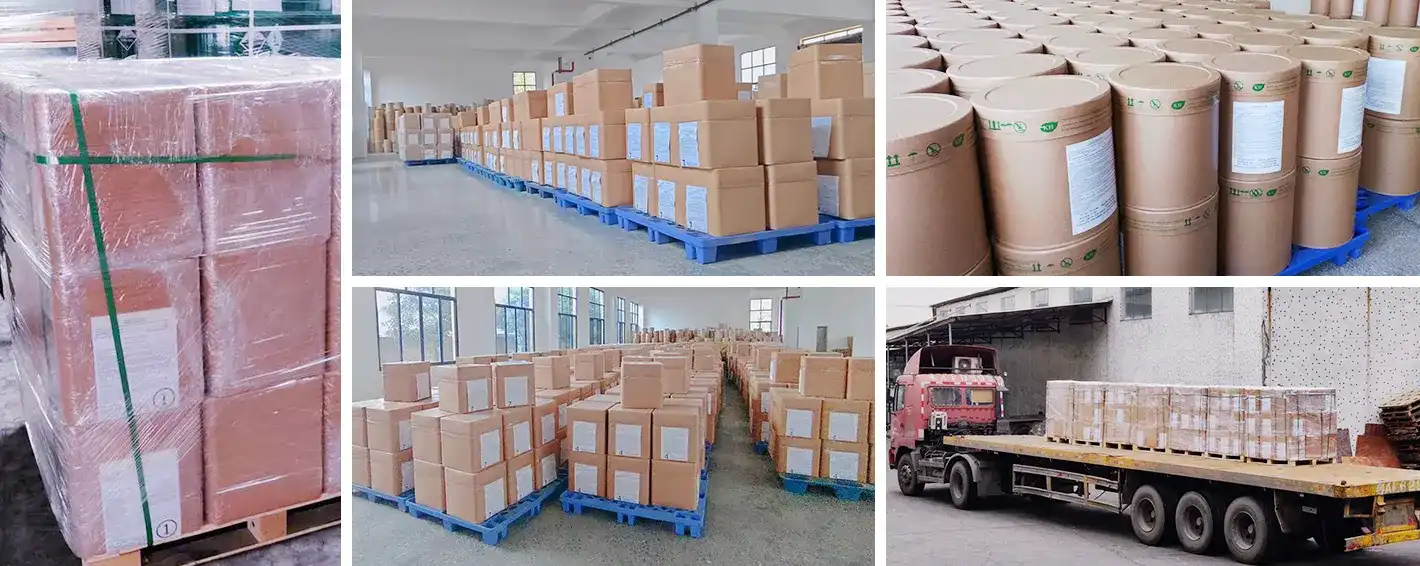
Even a well-made extract can lose potency after it leaves the factory if storage conditions are poor. The table below covers the most common risks I see during supplier audits.
| Risk | Possible impact | Mitigation |
|---|---|---|
| Moisture uptake | Caking and chemical degradation | Moisture-barrier packaging and humidity-controlled storage |
| Heat exposure | Gradual polyphenol loss | Validated temperature limits during storage and transport |
| Light and oxygen exposure | Oxidation and visible color change | Opaque, sealed drum packaging |
| Batch-to-batch variation | Inconsistent potency in finished goods | Marker standardization and routine batch testing |
| Poor traceability | Slow or incomplete recall investigation | Lot coding and documented raw-material records |
A European functional drink company came to our lab because three shipments from a different supplier tested below the hydroxytyrosol range that was written on the labels. We found that the problem was caused by uneven drying temperatures at the source. Based on their internal testing logs for new materials, the brand said that potency variations dropped by 32% over six months of production after switching to a controlled water-ethanol extraction process with batch-level HPLC verification. This kind of difference has a direct effect on how long a finished drink stays true to what it says on the label.
Olive Extract Powder vs. Olive Leaf Extract: What Are the Key Differences?
"Olive extract" alone is not a complete specification. Buyers need to know which plant part was used before comparing quotes.
Olive Fruit Extract Powder Versus Olive Leaf Extract Powder
Fruit-based extracts tend to have more hydroxytyrosol and other phenolics found in fruits, while leaf-based extracts tend to have more oleuropein. Composition still depends on variety, extraction method, and the level of standardization needed, so the plant part by itself does not promise a certain marker ratio. You should think of olive fruit extract" as a category name, not as a full definition.Email: info@kingherbs.com
Olive Extract Powder Versus Olive Oil Powder
These two products serve very different formulation purposes, even though both carry the word "olive" on the label.
| Attribute | Olive extract powder | Olive oil powder |
|---|---|---|
| Primary value | Polyphenol concentration | Oil-derived fats and flavor |
| Typical matrix | Water-soluble or partially soluble extract solids | Oil absorbed onto a carrier material |
| Main specification | Oleuropein, hydroxytyrosol, total polyphenols | Fat content, fatty-acid profile, encapsulation ratio |
| Common uses | Supplements, beverages, functional foods, cosmetics | Dry mixes, culinary products, nutrition powders |
| Key quality concern | Active-marker stability over time | Oxidative stability and oil loading efficiency |
Choosing the Right Olive-Derived Ingredient
If you need to standardize oleuropein, choose olive fruit extract. If fruit phenolics or a brand story about fruit fit better, choose olive fruit extract. Olive oil powder is what you need when you need dry-format olive lipids instead of phenolic content for your project. Before committing to a production order, ask for samples early on to check the taste, color, dispersion, and compatibility.
How Do Extraction Methods Influence Olive Extract Powder Quality?
The extraction method used at the factory shapes everything downstream, from solubility to shelf stability.
Common Extraction Methods
Different food-grade solvent systems, such as water extraction, ethanol or hydroalcoholic extraction, and others, give rise to different amounts of phenolics. After the first extraction, steps like membrane filtration or resin purification are often used to concentrate the compounds that are being dried. At Kingherbs, we don't use harsh industrial solvents in our normal process. Instead, we use pure water or drinkable ethanol. This keeps the color clean and protects the delicate polyphenols during concentration. In the end, the allowed way relies on the target market, the type of product, and the liquid waste rules in the area.
Water-Soluble and Dispersible Formats
When powder meets a liquid, it doesn't always react the same way. A truly water-soluble extract dissolves clear, but a water-dispersible powder might need to be stirred around a bit to spread out evenly. Powders that are emulsified or encapsulated behave in a different way and usually need a carrier or processing aid to work in a beverage base. Before you decide on a final formula, you should test its dispersion time, sedimentation, turbidity, pH stability, taste, color migration, and how well it works with minerals, proteins, or acidic drink bases.
Process Documentation Buyers Should Request
A reliable provider should be happy to give you a factory flow plan right away. Ask for a written copy of the solvent statement, extraction ratio, drying method, and carrier statement. Ask for allergen and GMO statements, a change-control method for making changes to the process, and batch tracking records that link the finished powder to the lot of raw materials that went into it. The fact that a supplier can't get these documents to you quickly can tell you a lot about their quality system.

Which Quality Standards Should Buyers Check When Sourcing Olive Extract Powder?
Procurement teams carry the most risk in this entire process, since a bad batch can shut down a production run or trigger a recall.
Supplier Evaluation Checklist
A quick phone call rarely shows if a seller can really offer regular stuff on a large scale. Before you sign a purchase order, talk to their quality team directly about these things:
- Food safety or supplement production certifications like GMP, HACCP, ISO 22000, or FSSC 22000, which show that the plant has an official quality system in place instead of just doing things the way they're always done.
- The lab should be able to test and validate the method, and it would be best if they had their own HPLC equipment instead of sending every batch to a third-party lab.
- Raw materials can be tracked back to the farm or collection site where they were found, and data from batch-to-batch standardization shows that the potency stays within a certain range.
- Procedures for complaints and recalls, a history of export paperwork, and clear controls for packaging, labeling, and shelf life that are right for the market you're going to.
These checks make it less likely that a problem with the supply chain will get to the production floor, where it's much more expensive to fix after the fact.
Quality Verification and Required Documents
Ask for a new product specification sheet and an analysis certificate that is tied to a representative batch, not an old reference sheet. Check the heavy metal results, pesticide screening, microbiological limits, residual solvent data, and identity and assay testing. If it applies to your market, ask for allergy, non-GMO, vegan, and BSE/TSE statements. You should also ask for stability or shelf-life data and an organic certificate if the claim applies.
Note from an expert: During a recent internal audit, our quality manager at Kingherbs, who looks over new COAs every day, told me this: "After six months, buyers who ask for raw HPLC chromatograms instead of just a summary number almost never have a quality dispute." Without even leaving the port, the data gives the whole story.
Neutral Company Profile Placeholder
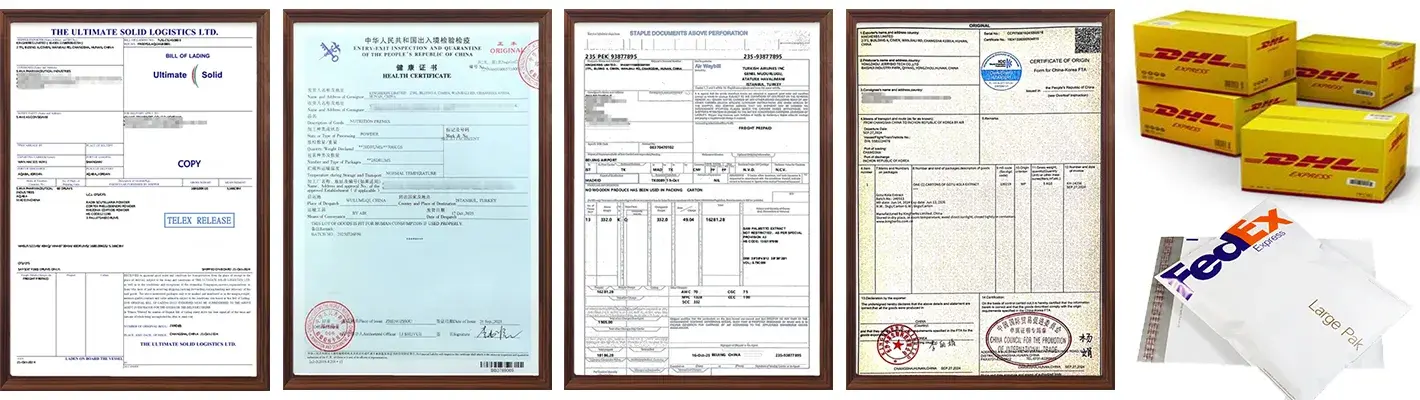
Since 1996, Kingherbs Limited has been making plant and herbal products. They sell dry powder and liquid extracts to companies around the world that make supplements, food, cosmetics, and feed. We have a range of olive extract powders that contain oleuropein from 10% to 80%, hydroxytyrosol from 5% to 50%, maslinic acid from 5% to 30%, and oleanolic acid up to 98%. All of these have been tested by UV/HPLC and come with paperwork from ISO9001, FSSC22000, HACCP, KOSHER, HALAL, and the FDA. We keep stock on hand so that we can ship it right away, and we offer free samples before any big sale.
EU and US Compliance Considerations
Compliance standards vary by region, so make sure you're reading the right rules before you sign off on any label copies or shipping documents.
- According to the European Commission (2024), the EU needs to make sure that food supplement rules are followed, that novel foods are approved, that health claims are allowed, that labeling rules are followed, and that organic regulations are followed.
- US: Look over the FDA's rules for dietary supplements, your cGMP duties under 21 CFR Part 111, the legal status of ingredients, labeling rules, and the limits on structure/function claims (FDA, 2024; eCFR, 2024).
- Before shipping anything around the world, make sure you have the right HS classification, country-of-origin papers, a packing plan, a business statement, and accepted Incoterms.
Not always relevant: The CE, RoHS, REACH, and UL marks are usually found on machinery, chemicals, or electronics, not on a botanical powder. Before making a decision, check with your supplier or compliance expert to see if the rule applies.
Procurement and Commercial Terms
Commercial terms deserve the same scrutiny as the technical specification. Use this table during supplier negotiation calls.
| Factor | Questions to confirm |
|---|---|
| MOQ | Is the minimum based on kilograms, lots, or packaging units? |
| Lead time | Does the quote include testing and export preparation time? |
| Payment terms | Are deposits, letters of credit, or open-account terms available? |
| Incoterms | Are quotes based on EXW, FOB, CIF, DAP, or another term? |
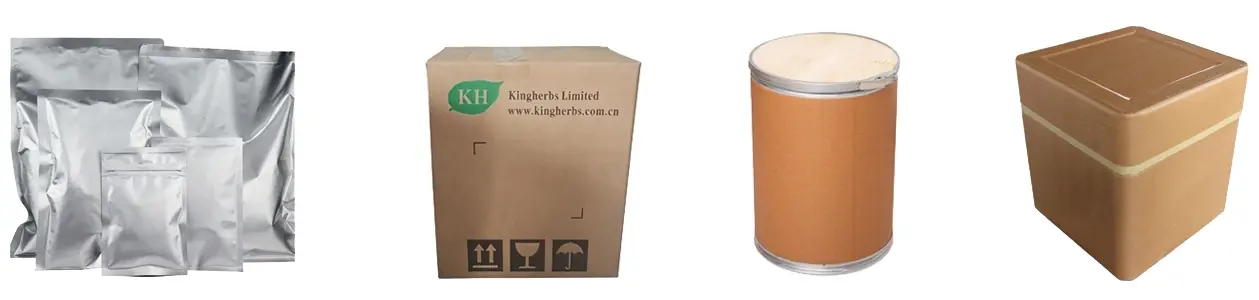
| Packaging | Are bulk bags, drums, sachets, or custom labels available? |
| Documentation | Are COA, origin, organic, and allergen documents included by default? |
How Can Olive Extract Powder Be Used in Dietary Supplements and Functional Foods?
Understanding where olive extract powder actually performs well helps teams avoid formulation mismatches before pilot batches begin.
Dietary Supplements and Capsules
Olive extract powder is offered in capsule, tablet, stick-pack, and sachet form. Standardized grades of oleuropein are different across vendors and should be examined carefully. 20% grade is not the same as 80% grade at the same fill amount. Dosage should be based on active-marker content and not on total powder weight. Check for compatibility with excipients and other botanicals in the blend, hygroscopicity, odor, and color behavior in the capsule shell. I don’t say how much to take; I say safety assessment, regulatory status, and formulation targets should establish how much for each given product.
Functional Beverages and Food Products
Solubility and stability are very important in beverage and food applications. Water-soluble or dispersible grades are desirable here, and you should examine pH tolerance, heat stability, and light exposure before committing to a shelf-stable formulation. Bitter and astringent notes need to be actively reduced by balancing with sweets or encapsulating, and its compatibility with proteins, minerals, and emulsion systems needs a pilot round of its own.
Cosmetics and Skincare Formulations
Olive fruit extract polyphenols are being included in serums, lotions, masks, cleansers, and scalp-care products for their antioxidant positioning. Before you start formulating, evaluate the cosmetic-grade documentation, preservative compatibility, microbiological limits, proper naming of the INCI, and the influence of the extract on the final color and fragrance. Read the EU Cosmetic Product Regulation and related US cosmetic labeling rules before launch since claim language varies between the two countries.
Animal Nutrition and Other Industrial Uses
Polyphenols from olives are being used in companion-animal supplements, cattle feed, and aquaculture premixes, often connected with antioxidant and gut-health claims. Feed authorization, permitted claims, dosage ranges, and contaminant limits are country-specific; therefore, verify local feed legislation before finishing a premix composition.
Three Practical Use-Case Scenarios
In reality, initiatives fall into one of three patterns, each with a different level of significance.
- The typical OEM supplement brand needs the oleuropein to be standardized and capsule-compatible. They also demand COA support with every shipment, private label packaging alternatives, and predictable monthly supply volumes so that they can schedule their production without any gaps.
- Generally, a distributor will look for a range of pack sizes, consistent documentation across all lots, export paperwork, shelf-life information for retail partners, and consistent MOQs and lead times that align with their regional sales estimates.
- Normally, the formulator on the plant side would want to see a sample, then dispersion data on their specific base, sensory evaluation results, process line compatibility testing, and an established inclusion range before going full scale.
Having your project aligned early with one of these patterns can save you time when you negotiate with suppliers and evaluate samples.
Prepare Your Technical Brief Before You Compare Suppliers
Write out what you want to use the product for, who your target market is, what active-marker levels you want, what powder format you require, how much you want to purchase in a year, what sort of packaging you want, and what compliance documentation you need. Then call for bids. This brief allows you to compare samples and supplier bids on equal terms instead of trying to decide which quote is right for your project. Our technical specialists at KH review these briefs on a daily basis and during a call may advise if a standard grade is suitable or a custom ratio would be more appropriate, saving both parties weeks of back-and-forth sampling.
Conclusion
Olive extract powder may provide a concentrated source of olive polyphenols, including oleuropein and hydroxytyrosol. - Never rely on marketing speak alone to judge antioxidant strength. Check botanical source, standardized marker content, extraction process, solubility, analytical technique, contamination controls, shelf life, paperwork, MOQ, lead time, and regulatory fit before selecting a supplier. The right product is the one that fits your genuine application with a verified spec sheet, not the one with the biggest claim on the front page.
FAQ
1. What is olive extract powder?
Olive extract powder is a dried concentrate made from olive leaves, fruit, or other approved olive-derived materials. Its active-compound profile depends on the botanical source, extraction process, carrier ingredient, and standardization level chosen by the manufacturer.
2. What are the main olive extract powder benefits?
Its core technical benefit is delivering concentrated olive polyphenols such as oleuropein and hydroxytyrosol in a stable dry format suited for supplements, foods, and cosmetics. Specific health claims still require supporting human evidence and regulatory authorization in your target market.
3. Is olive leaf extract the same as olive extract powder?
No. Olive extract powder is a broad category name, while olive leaf extract specifies the plant part used in production. Always confirm whether a given batch comes from leaves, fruit, or a blend of both before finalizing a purchase.
4. What is the difference between olive extract powder and olive oil powder?
Olive extract powder is chosen mainly for polyphenol content, while olive oil powder provides oil-derived fats and flavor absorbed onto a dry carrier. Their specifications, testing methods, and formulation uses differ considerably.
5. How should olive extract powder be tested?
Testing typically covers botanical identity, oleuropein or hydroxytyrosol assay by HPLC or UPLC, microbiological limits, heavy metals, pesticide residue, residual solvents, moisture content, and stability under defined storage conditions.
6. What should buyers request from an olive extract powder supplier?
Request a current specification sheet, a recent batch certificate of analysis, manufacturing and extraction details, allergen and GMO statements, contaminant test results, shelf-life data, relevant certifications, MOQ, lead time, packaging options, and export documentation.
7. Is olive extract powder water soluble?
Some grades are water soluble or dispersible, while others disperse poorly without a carrier. Ask your supplier for dispersion data and details on particle size, processing method, and recommended handling conditions before finalizing your formula.
Ready to Request Samples and a Full Specification Package?
I know procurement teams rarely trust a product description alone, and that caution is reasonable given how much variation exists across suppliers. KH keeps batch-level HPLC data, GMP documentation, and shelf-life records ready for every grade of olive extract powder we ship, including custom oleuropein and hydroxytyrosol ratios for your formulation. Working with an established olive extract powder manufacturer means fewer surprises during quality review and faster approval cycles. Email info@kingherbs.com to request a spec sheet, a sample kit, and current lead-time details for your project.
References
1. U.S. Food and Drug Administration, "Dietary Supplements and Current Good Manufacturing Practices," 2024. https://www.fda.gov/food/dietary-supplements
2. U.S. Electronic Code of Federal Regulations, "21 CFR Part 111, Dietary Supplement Manufacturing Practices," 2024. https://www.ecfr.gov/current/title-21/chapter-I/subchapter-B/part-111
3. European Commission, "Food Supplements and Directive 2002/46/EC," 2024. https://food.ec.europa.eu/safety/labelling-and-nutrition/food-supplements_en
4. European Food Safety Authority, "Botanical and Plant-Based Substance Resources," 2024. https://www.efsa.europa.eu/en/topics/topic/botanicals
5. International Organization for Standardization, "ISO 22000 Food Safety Management Systems," 2024. https://www.iso.org/iso-22000-food-safety-management.html
6. International Olive Council, "Olive Products, Standards, and Technical Information," 2024. https://www.internationaloliveoil.org
About the author
Cathy is a Manager at Kingherbs Limited, where she works directly with supplement brands, cosmetic formulators, and distributors on botanical extract sourcing and specification review. She has spent years coordinating HPLC testing, GMP documentation, and export compliance for olive-derived and other plant-based ingredients across North America, Europe, and Southeast Asia.
Send Inquiry
Related Industry Knowledge
- How Does Onion Extract Support Stronger, Healthier Hair?
- Is Maral Root Extract the Next Breakthrough in Herbal Wellness?
- What Are the Main Applications of Rose Hip Extract Powder?
- How to Select Artemisinin Powder for Custom Formulations?
- How Bamboo Leaf Extract Is Made: Harvest to Extraction
- From Stress Relief to Sleep Support: Valerian Root Extract Powder
- Can Dill Seed Extract Support Metabolism and Wellness?
- Can Watermelon Powder Aid Weight Management?
- Couch Grass Rhizome Extract: Traditional Detox Powerhouse
- Can Mulberry Leaf Extract Powder Help Reduce Carb Absorption?