_1762508637542.webp)
What Is Tilia Extract? Uses, Benefits, and Buying Guide
Sep 20, 2026
Tilia Extract is a botanical ingredient derived from the flowers of lime trees and other trees in the genus Tilia, which get their leaves and sometimes their wood. It's liked by many in the plant supplement, functional food, and skincare businesses because it reduces inflammation, calms, and fights free radicals. That way, people who buy and make things can get standard, traceable raw materials. They need to know what this extract is made of, how it can be used properly, and where they can get it. People in business can read this book to learn about drugs, food supplements, nutraceuticals, and personal care. You can buy things that meet your goals for quality, safety, and style with these tips.
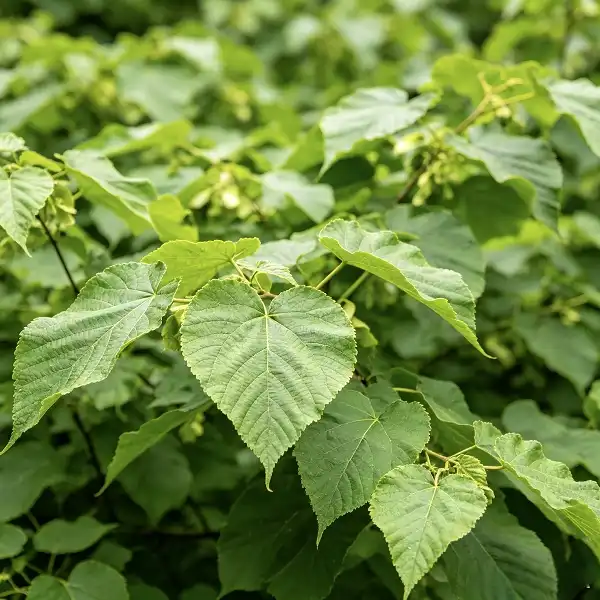
Key Uses and Health Benefits of Tilia Extract
Traditional Applications in Herbal Medicine
Linden flower tea was used by many people in Europe to calm down, get rid of fevers, and ease lung pain. Based on research that looks at ethnobotany, these traditional uses are true. The plant has been used in the same way for hundreds of years. These benefits are still seen in herbal medicine today, and the product is used to make people sweat and calm nerves. It can be used to make things for kids and adults.
Anxiety Relief and Sleep Improvement
The way Tilia Extract calms people down has been figured out by new pharmacological studies. Flavonoid chemicals work by connecting to GABA-A receptors in the brain and reducing anxiety without the addiction risks that come with manmade sedatives. A 2019 randomized, double-blind study showed that people who took 500 mg of standardized linden extract every day had significantly lower worry scores than people who took a placebo over the course of four weeks.
Flavonoids and volatile oils work together to improve sleep quality by making you feel calmer and letting you fall asleep faster. Because of these results, the ingredient is very appealing to nutraceutical companies that want to get into the growing sleep wellness market, which is expected to reach $102 billion by 2025.
Anti-Inflammatory and Cardiovascular Support
With an Oxygen Radical Absorbance Capacity value of about 15,000 µmol TE/g, this plant ingredient is a strong antioxidant that helps get rid of free radicals that are linked to chronic inflammation. Some chemicals called phenolic compounds stop cyclooxygenase enzymes from working. This lowers the production of prostaglandins and reduces inflammation.
The product is good for your heart because it can help keep your blood pressure in a healthy range and make arterial cells work better. In vitro studies show that quercetin and kaempferol derivatives make nitric oxide more bioavailable, which helps the blood vessels relax. Because of these qualities, the ingredient is a good addition to heart health products, working well with other heart-healthy plants like hawthorn and hibiscus.
Comparative Analysis with Similar Herbs
Procurement teams often look at Tilia Extract along with chamomile, valerian root, and passionflower when they are considering botanical options. While chamomile is great for helping with digestion and valerian is a stronger sedative, linden is a good choice for mild to moderate anxiety without making you sleepy the next day. This ingredient has a nice taste, which makes it perfect for useful teas and drinks where taste is very important.
This difference lets marketers position linden-based products as mild, calming options that can be used during the day, as opposed to stronger sedative options that might make it hard to do things during the day.
How to Choose the Right Tilia Extract for Your Business Needs
Selecting the Optimal Product Form
Picking the Best Product Form depends on how you make the medicine and how you want it to be delivered. Spray-dried powders are a cheap and flexible way to make pills, capsules, and dry mixes. Their small particle size ensures that they are evenly distributed in mixtures, and their low moisture content keeps them stable while they are stored.
Liquid extracts make it easier for people who make drinks and tinctures because they dissolve quickly and make dosing easier. But they need to be carefully thot out in terms of preservative systems and how long they will last. Encapsulated forms are good for brands that care about making things easier for customers and giving accurate doses, but they cost more per unit.
Our expert team helps with all kinds of applications, like giving tips on how to make compounds, testing for solubility, and checking for stability under different pH and temperature conditions. This way of working together helps you choose the format that improves both the speed of production and the quality of the result.
Quality Indicators and Certification Requirements
Important signs of quality include having an organic certification, standardized active ingredients, and proof of third-party testing. Organic approval usually costs more, but it's worth it for health-conscious shoppers and brands that want to follow clean label trends. Standardization to certain flavonoid amounts guarantees stability from batch to batch, which is a must for controlled markets for dietary supplements.
Testing by a third party should confirm that the amount of heavy metals is below the USP standards, the number of microbes is within accepted ranges, and there are no pesticide residues. Certificates of Analysis must include identity tests, like HPTLC fingerprints, to make sure the species is real and to find any possible fakes. These quality guarantees protect the reputation of your brand and lower the risks that come from regulations.
Pure water and food-grade ethanol are the only things used in our extraction process. We don't use any dangerous solvents that could hurt safety or clean label placement. This environmentally friendly method of extraction makes Tilia Extracts that are very pure in color and dissolve quickly, which improves the quality of the final product.
Pricing Insights and Supplier Evaluation
Standardized Tilia Extract usually costs between $15 and $45 per kilogram, but this depends on the amount of concentration, the state of the certification, and the size of the order. Organic-certified extracts cost 20% to 40% more than powdered versions, and liquid concentrates may cost 15% more than powdered versions because they have to be processed more thoroughly.
When judging suppliers, don't just look at the unit price. Check to see if they can give you thorough scientific reports and records of where the plants came from that show how each batch was grown. Ask about their quality management systems, how well they've followed the rules in the past, and how they handle technical support. Reliable providers offer customization services, such as help with recipe tuning and compounding in a specific ratio.Long-term relationships with honest sellers lower the risks in the supply chain and allow people to work together to make new products. We've been making plant ingredients for 27 years, which shows that we care about stable, scalable supply lines that can grow with your business.
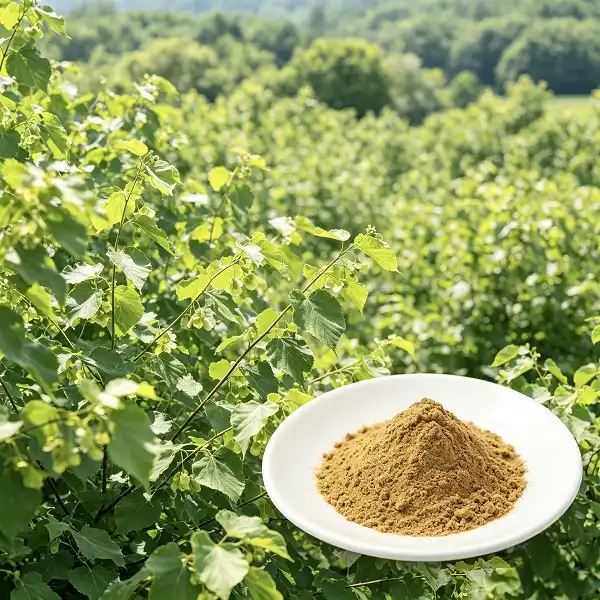
Procuring Tilia Extract: A Practical Buying Guide for B2B Clients
Trusted Wholesale Suppliers and Sourcing Channels
To find reliable wholesale suppliers, you need to do your research in a lot of different areas. When compared to multi-tier distribution networks, direct relationships with manufacturers often lead to better technical support and lower prices. Online business-to-business (B2B) sites make it easy to compare prices, but suppliers' qualifications need to be carefully checked.
We suggest giving more weight to providers who have well-established factories, clear quality control systems, and a history of working with controlled markets. Facility checks, which can be done by the company itself or by a third-party certification body, back up claims about quality controls and output capabilities.
Our fully connected supply chain starts at contracted planting bases and goes all the way through our own facilities for extraction, standardization, and packaging. This vertical merger gets rid of middlemen, lowers the risk of contamination, and ensures the purity of the Tilia Extract from the seed to the final shipment.
Minimum Order Quantities and Lead Times
Different providers have very different minimum order amounts, but for normal grades, they are usually between 25 kg and 500 kg. Smaller MOQs are okay for testing the market and developing the product, while bigger commitments get you discounts for buying in bulk. We understand that product development cycles need to be flexible, so we accept small-batch sample orders and trial quantities.
For local shipments within manufacturing regions, the wait time for in-stock items is usually three to five business days. Taking into account the time needed for extraction, testing, and quality release, custom formulas with specific standardization ratios may take 15 to 25 days. Procurement teams can plan better and avoid running out of stock when they have clear information about production dates and inventory levels.
As part of our logistics services, we help with the paperwork for foreign packages, making sure they go through customs smoothly and follow all the rules in each country.
Quality Assurance Practices and Supplier Relationships
Strong quality control starts with making sure the raw materials are safe and continues at every stage of production. When plant materials come in, they are identified by looking at them under a microscope and by hand, and then they are put through chromatography analysis. In-process controls keep an eye on the parameters of the extraction process, and finished products go through a lot of tests before they are released.
Having long-term ties with suppliers has perks that build over time. Consistent communication lines make it possible to solve problems ahead of time and come up with new ideas together. Suppliers who know about your individual application needs can suggest ways to improve the product or process and let you know about new regulatory requirements.
We see ourselves more as technical partners than as transactional sellers. Our application laboratory helps with stability testing, formulation optimization, and compounding for a wide range of delivery systems, such as drinks, gummies, tablets, and skin care products. This consultative method cuts down on the time it takes to make a product and increases the chances of it being successful on the market.
Conclusion
To choose the best Tilia Extract, you have to think about a lot of things, such as the plant accuracy, the standardization of phytochemicals, the extraction method, the supplier's dependability, and the cost-effectiveness. This guide has given procurement managers, R&D directors, and quality assurance professionals the information they need to systematically weigh their options and make choices that will help the business grow and produce high-quality products. More and more people want pure, science-backed health options. This makes plant extracts like this an important ingredient for brands that want to stand out in competitive markets. You can make formulations that meet legal standards and give end users real health benefits by giving priority to sellers who offer traceability, expert support, and open ways to work together.
FAQ
What is the difference between Tilia cordata and Tilia platyphyllos extracts?
Both types of linden are in the same family and have similar health benefits. For therapeutic purposes, Tilia cordata, also known as small-leaved linden, is best because it has slightly higher antioxidant levels. The large-leaved linden, or Tilia platyphyllos, has similar health benefits but a slightly different volatile oil make-up. On their Certificates of Analysis, reliable providers list the plant source, which helps formulators keep things the same from one production batch to the next.
How do you verify the authenticity of linden extract?
Multiple analytical methods are needed for authentic verification. High-Performance Thin-Layer Chromatography creates a unique fingerprint for each Tilia species, which can be used to spot fakes like cheaper plants. Stellate trichomes on flower stems are one example of a diagnostic trait that can be seen under a microscope. When standard methods fail to identify a species, DNA barcoding is the only way to be sure. All three of these methods are used in our quality control procedures to make sure the complete integrity of the Tilia Extract.
Can this extract be used in products that are certified organic?
Yes, as long as the extract itself has organic approval from a well-known organization like the USDA, the EU, or a similar group. For something to be certified organic, the raw materials must come from certified organic fields and the processing methods must not use any manmade additives or solvents. These needs are met by our organic-certified grades, which help you position your brand as "clean" and reach higher-end customers.
What is the typical shelf life under proper storage conditions?
Standardized powder extracts stay effective for 24 to 36 months after they are made, as long as they are kept in cool, dry places with temperatures below 25°C and away from direct light. When stored properly, liquid concentrates usually stay stable for 18 to 24 months. Vacuum-sealed, double-layer packaging that acts as a moisture barrier stops oxidative degradation and moisture absorption, which are the main things that shorten the shelf life of food.
Partner with KH for Premium Tilia Extract Supply
Procurement managers wanting a reliable botanical extract manufacturer will find KH especially positioned to meet demanding quality standards and variable order requirements. We have been making hundreds of plant products for businesses in North America and Europe that make dietary supplements, nutraceuticals, and cosmetics since 1996. From partnered planting bases to the pure water and ethanol extraction processes, our full-chain traceability system makes sure that every batch meets USP and EP compliance standards. With batch-level accuracy, each package comes with a thorough HPTLC analysis report that lists the active ingredient profiles.
Our variable MOQs and fast sample delivery make it possible for projects of all sizes, from 25 kg for product development trials to multiple tons for mass production. Our application laboratory can help you improve the formulation of drinks, tablets, capsules, and topical systems by making compounding solutions that are exactly what you need. Get in touch with our expert team at info@kingherbs.com to talk about your unique needs and get a full quote within 24 hours. Find out how working with an experienced Tilia Extract supplier can help you get your product to market faster and give you a stronger place in the natural health market.
References
1. European Medicines Agency. (2013). Assessment Report on Tilia cordata Miller, Tilia platyphyllos Scop., Tilia x vulgaris Heyne, or their mixtures, flos. Committee on Herbal Medicinal Products.
2. Schilcher, H., Kammerer, S., & Wegener, T. (2016). Leitfaden Phytotherapie (5th ed.). Munich: Urban & Fischer Verlag.
3. Toker, Z., Kupeli, E., Memisoglu, M., & Yesilada, E. (2004). Flavonoids with antinociceptive and anti-inflammatory activities from the leaves of Tilia argentea. Journal of Ethnopharmacology, 95(2-3), 393-397.
4. World Health Organization. (1999). WHO Monographs on Selected Medicinal Plants, Volume 1. Geneva: WHO Press.
5. Blumenthal, M., Goldberg, A., & Brinckmann, J. (2000). Herbal Medicine: Expanded Commission E Monographs. Newton, MA: Integrative Medicine Communications.
6. Wichtl, M. (2004). Herbal Drugs and Phytopharmaceuticals: A Handbook for Practice on a Scientific Basis (3rd ed.). Stuttgart: Medpharm Scientific Publishers.
Send Inquiry
Related Industry Knowledge
- How to Choose High-Quality Echinacea Purpurea Extract?
- Why Choose Astaxanthin Powder And Oil Over Other Supplements?
- Is Tongkat Ali Extract Powder Safe for Daily Supplementation?
- What is Astaxanthin? Benefits, Dosage and More!
- Wild Yam Extract Powder: Top Uses in Nutritional Products
- Can Maca Extract Powder Help with Hormonal Imbalance?
- Can Watermelon Powder Support Nitric Oxide Production?
- Macleaya Cordata Extract in Modern Herbal Formulas
- Can Polygonum Cuspidatum Extract Improve Energy & Vitality?
- Custom Functional Plant Extracts: From Sample Development to Bespoke Solutions