_1762508637542.webp)
What Is Camellia Oleifera Seed Extract Used For?
Sep 29, 2026
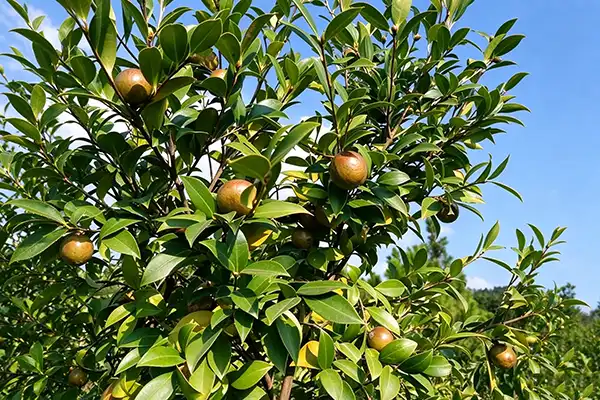
Camellia oleifera seed extract is a multifunctional botanical ingredient derived from the seeds of Camellia oleifera Abel. It delivers active compounds including tea saponins (18%–98% specification), tea polyphenols, unsaturated fatty acids, and vitamin E. Across industries, this extract serves as a natural surfactant in personal care formulations, an antioxidant agent in nutraceuticals, a biodegradable pesticide aid in agriculture, and a functional ingredient in pharmaceutical applications. Its broad bioactivity, clean extraction process, and strong safety profile make it a preferred raw material for B2B formulators seeking plant-based alternatives.
Understanding Camellia Oleifera Seed Extract
Botanical Origin and Plant Identity
Camellia oleifera Abel is an evergreen tree that grows in warm China and produces oil. It is also known as the "oil-seed camellia". People know camellia oil from its seeds, and when you press them, you get a seed pomace that is full of tea saponins. Camellia oleifera seed extract is a very valuable byproduct because it is similar to high-end camellia oil but has unique surfactant and bioactive properties that oil alone can't offer.
Extraction and Chemical Composition
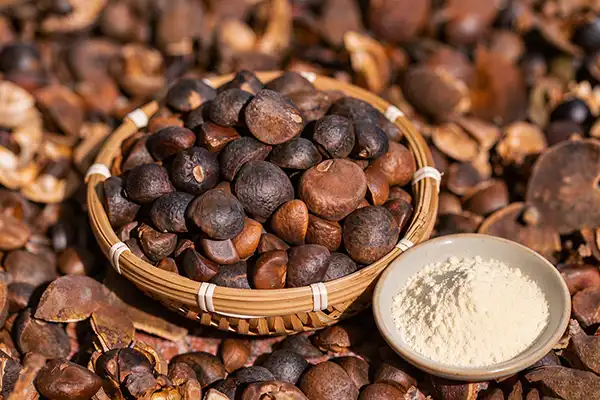
Pure water or food-grade ethanol is used to process camellia oleifera seed extract at KH (Kingherbs Limited). At no point are any dangerous solvents used. The fine, off-white to light yellow powder that is made still has all of the tea's saponins, oleic acid, linoleic acid, antioxidants, and vitamin E in it. Tea saponins, which are the main active ingredient, are triterpenoid glycosides that can lower the surface tension of liquids to about 32 mN/m at a concentration of 1%. This study shows that they are very good at emulsifying.
How Does It Compare to Green Tea Extract?
Camellia oleifera and Camellia sinensis (green tea) are in the same group, but their seed extracts differ significantly. Epigallocatechin gallate (EGCG) and the high polyphenol content of green tea extract are what make it valuable. Camellia oleifera seed extract, on the other hand, has higher amounts of tea saponin and fatty acid fractions. This improves it for uses that need surfactants, like cleansers, shampoos, and farming formulas. They work hand-in-hand instead of replacing each other.
Primary Uses and Benefits of Camellia Oleifera Seed Extract
Skincare and Cosmetic Formulations
Camellia oleifera seed extract is used in personal care products as both an active ingredient and to help make the products. Its high oleic acid content, which is similar to human sebum, helps restore the skin layer and keep the skin deeply moisturised. Formulators link the visible anti-ageing effects of tea polyphenols to their ability to scavenge free radicals. The extract mixes well with slightly acidic skin care products like serums, toners, and cleansers because it dissolves easily in water and keeps its pH between 5.0 and 7.0 in a 1% solution.
Here are the core functional contributions this extract brings to personal care formulations:
- Natural surfactant and emulsifier: Tea saponins are slightly anionic to non-ionic surfactants that work well with cationic conditioning polymers like Polyquaternium-10. This means that they can be used in 2-in-1 shampoo systems without the discomfort risk of sulphates like SLS or SLES.
- Antioxidant protection: Vitamin E and tea polyphenols work together to stop lipid breakdown in emulsion systems. This keeps products stable on the shelf longer and protects the skin in a measured way.
- Scalp and hair nourishment: The mix of fatty acids makes the hair shaft stronger, adds shine, and calms down irritated scalps. This works better than argan oil in rinse-off uses and costs less.
Because of these qualities, formulators can use a single ingredient for more than one purpose, which makes ingredient lists for natural product lines simpler.
Nutraceutical and Food Applications
Camellia oleifera seed extract is a perfect fit for making dietary supplements and useful foods. Unsaturated fatty acids help cardiovascular health markers, and the amount of polyphenols is in line with how antioxidant supplements are positioned. The product is certified as KOSHER and HALAL, which opens up more markets for it. The extract's neutral odour and its ability to dissolve in water make it easier for nutraceutical brands to produce softgels, tablets, or drinks.
Agriculture and Aquaculture Uses
Camellia oleifera seed extract is used in farming to kill fish and shellfish in a way that doesn't harm the environment. Because tea saponins damage the gill membranes of cold-blooded animals, the extract can be used to prepare ponds for shrimp and fish farming. At a standard 60% saponin grade, 10–15 ppm is usually enough to clear out a pond. The extract breaks down in water within two to five days thanks to microbes, leaving no lasting waste. This feature is known to be an advantage over manmade pesticides.
Comparative Analysis: Choosing the Best Extract for Your Needs
Camellia Oleifera Seed Extract vs. Argan Oil and Coconut Oil
In the personal care market, argan oil and coconut oil are well known. Argan oil is excellent for treating your hair and giving it a luxurious look, but it costs a lot. Coconut oil moisturises well, but it can clog pores in products that are high in comedogenicity. Camellia oleifera seed extract is unique because it offers similar moisturising benefits at a lower price, adds detergent properties that neither argan nor coconut can provide, and can be used on a clean label without using petrochemicals.
Pure Extract vs. Blended Formulations
Buying groups often wonder whether to get a pure, standardized extract or an ingredient mix that has already been mixed. A pure camellia oleifera seed extract that has been standardized to a known tea saponin level (18%–98% by UV method) gives your team direct control over how much to use and how well it works. Pre-blends make things less consistent and make it harder to change ratios when reformulating. Start with a confirmed single-ingredient source for R&D-driven names; this is the more flexible approach.
Organic vs. Conventional: What Procurement Should Know
Certified organic camellia oleifera seed extract costs more than other types, but it supports clean label claims that are popular in the supplement and personal care market in North America. When backed by proof of ISO9001, FSSC22000, HACCP, and FDA compliance, conventional grades can still be used in industry and agricultural settings where organic status is not a factor in the buy decision. Matching the certification level to the needs of the end market cuts down on wasteful spending and keeps you in line with the rules.
Procurement Guide for Camellia Oleifera Seed Extract
Specifications and Packaging
KH sells camellia oleifera seed extract in drums that hold 25 kg. The specifications range from 18% to 98% tea saponins, and the product has been tested using the UV method. The extract is certified by FDA, KOSHER, HALAL, FSSC22000, ISO9001, and HACCP. There is a thorough HPLC analysis record for every production batch. This lets the procurement and quality assurance teams track each batch from raw materials to finished powder.
Order Minimums and Lead Times
Sample and small-kilogram trial orders are possible, which makes it easier for R&D to test the product before committing to a business number. Orders for business use begin at 25 kg (one drum). Standard sizes are kept in ready stock, and they are usually shipped within 3–5 business days. Courier, air freight, and ocean shipping are all logistics options that can serve buyers all over the United States, no matter how big or small their order is.
Supplier Vetting and Technical Support
In addition to paperwork, skilled providers should also be able to help with formulation. KH runs an application laboratory that helps with mixing, formulating, and checking the safety of drinks, gummies, tablets, and skin care products. This makes KH a seller of Camellia oleifera seed extract as well as a professional partner for teams working on new products that need more help than just getting ingredients.
Conclusion
Camellia oleifera seed extract is used in personal care, nutraceuticals, gardening, and medicines because it contains active ingredients like tea saponins, polyphenols, and unsaturated fatty acids. For U.S. procurement managers and product makers, getting a standard, approved extract from a known source eliminates the quality risk that hurts the performance of the final product. This extract is a reliable and flexible ingredient choice because it contains between 18% and 98% tea saponins, samples are available, and it is fully certified.
FAQ
What is the shelf life of camellia oleifera seed extract?
It should last for at least 24 months. Because tea saponins absorb water, the extract needs to be kept in cool, dry places in containers that are tightly sealed and can't leak. When something absorbs water, the saponin fraction clumps together and partially breaks down, which lowers its usefulness.
Can it replace SLS or SLES directly in cleanser formulations?
Not in a direct one-on-one way. When salt is added, tea saponin reacts differently than sulphate surfactants do. Formulators often add xanthan gum or another co-surfactant to make a fully natural cleansing system or to change the viscosity of the cleanser.
Is this extract safe for aquatic environments?
Yes. If you put camellia oleifera seed extract in open water, it breaks down naturally within two to five days. This quick breakdown keeps it from building up, and compared to manmade pesticides, it is a better choice for the earth.
What certifications does the extract carry?
The extract has been approved by ISO9001, FSSC22000, KOSHER, HALAL, HACCP, and FDA standards. This means that it can be used legally in the United States as a health supplement, food ingredient, or personal care product.
Request a Sample from KH — Your Trusted Camellia Oleifera Seed Extract Manufacturer
Since 1996, KH (Kingherbs Limited) has sold plant products to companies around the world. Our camellia oleifera seed extract is made without using any harmful solvents. It comes with batch-level HPLC documentation and is backed by our own formulation expertise. If you need a trial sample or a large-scale business supply, email us at info@kingherbs.com or go to www.kingherbs.com to talk about your needs and get a price right away.
References
1. Tao, W., et al. "Bioactive Compounds and Health Benefits of Camellia oleifera Abel." Food Chemistry, 2018.
2. Chen, J., et al. "Tea Saponins: Extraction, Characterisation, and Biological Activities." Journal of Agricultural and Food Chemistry, 2017.
3. Huang, M., et al. "Antioxidant and Anti-inflammatory Properties of Camellia oleifera Seed Oil." LWT — Food Science and Technology, 2019.
4. Lin, L., et al. "Application of Tea Saponin as a Natural Surfactant in Personal Care Products." International Journal of Cosmetic Science, 2020.
5. Zhang, X., et al. "Biodegradability and Ecotoxicology of Triterpenoid Saponins in Aquatic Systems." Environmental Science & Technology, 2016.
6. Zhao, Y., et al. "Nutritional Composition and Functional Properties of Camellia oleifera Seed Extracts." Food and Bioprocess Technology, 2021.
Send Inquiry
Related Industry Knowledge
- Where Is Bacopa Monnieri Extract Powder Used in Supplements?
- Apple Extract Powder OEM Solutions for Supplement Brands
- Can Jerusalem Artichoke Extract Improve Product Value?
- Why Choose Natural Ivy Extract Powder for Health Products?
- White Willow Bark - A Natural Pain Reliever and Modern Applications
- Why Is Bamboo Leaf Extract Trending in Herbal Supplements?
- Bitter Melon Extract Powder: What It Is, Benefits, Dosage, and Sources
- Can Onion Extract Improve Hair Growth Naturally?
- Can Valerian Root Extract Powder Improve Sleep Quality?
- Macleaya Cordata Extract in Modern Phytogenic Feed Additives