
Mangosteen Extract Powder vs Juice Powder: Which Is Better?
Oct 21, 2026
If you’re seeking botanical ingredients for supplements, cosmetics, or functional meals, you probably know about mangosteen extract powder and mangosteen juice powder. Which one really matches your formulation? Mangosteen extract powder provides a high concentration of xanthones, especially α-mangostin, standardized to detectable levels of potency. This is the ideal form for high-performance uses. Juice powder has a larger nutritional profile, but lower bioactive content. Your product objectives, regulatory requirements, and target market expectations determine the best choice.
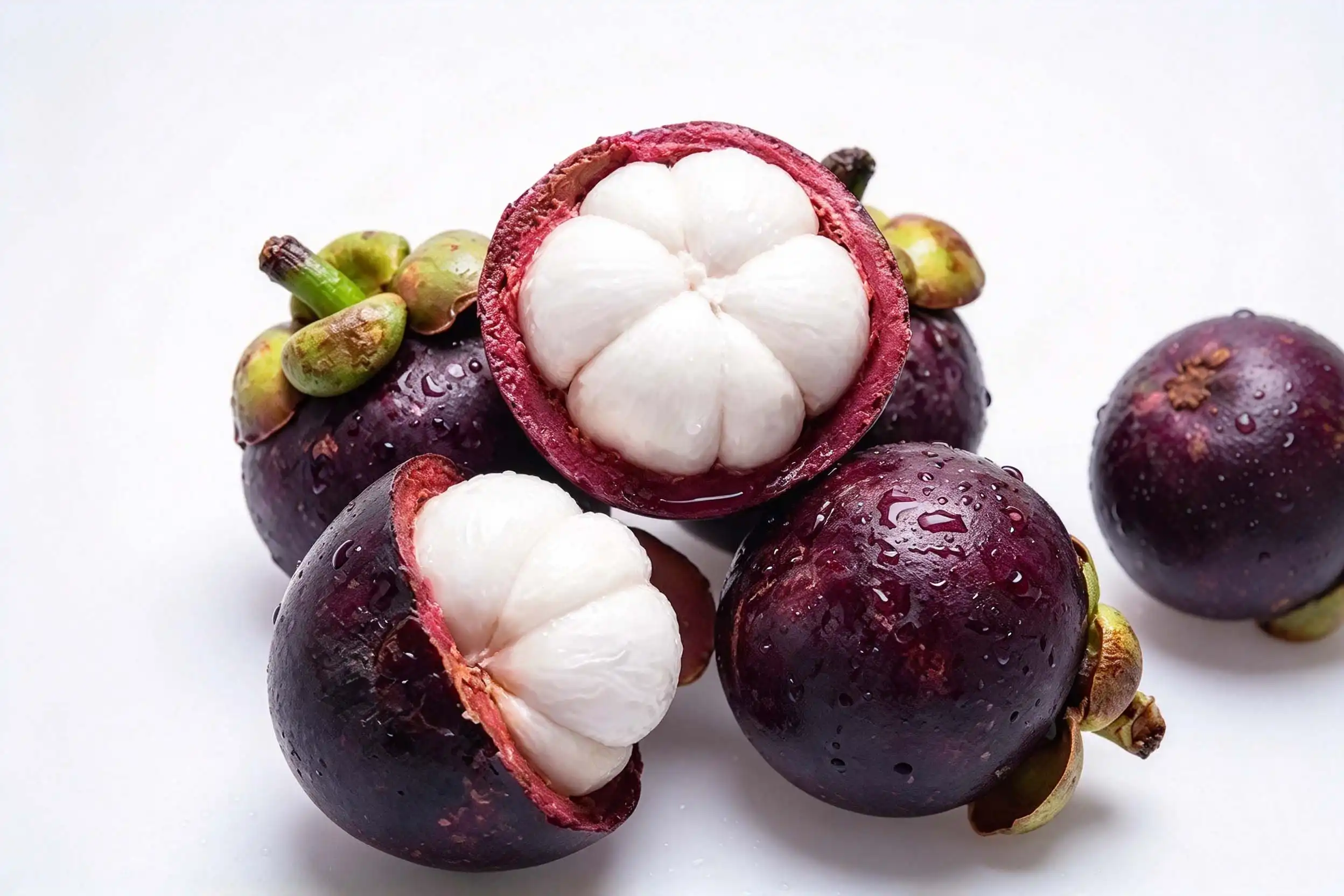
Understanding Mangosteen Extract Powder and Juice Powder
What Is Mangosteen Extract Powder?
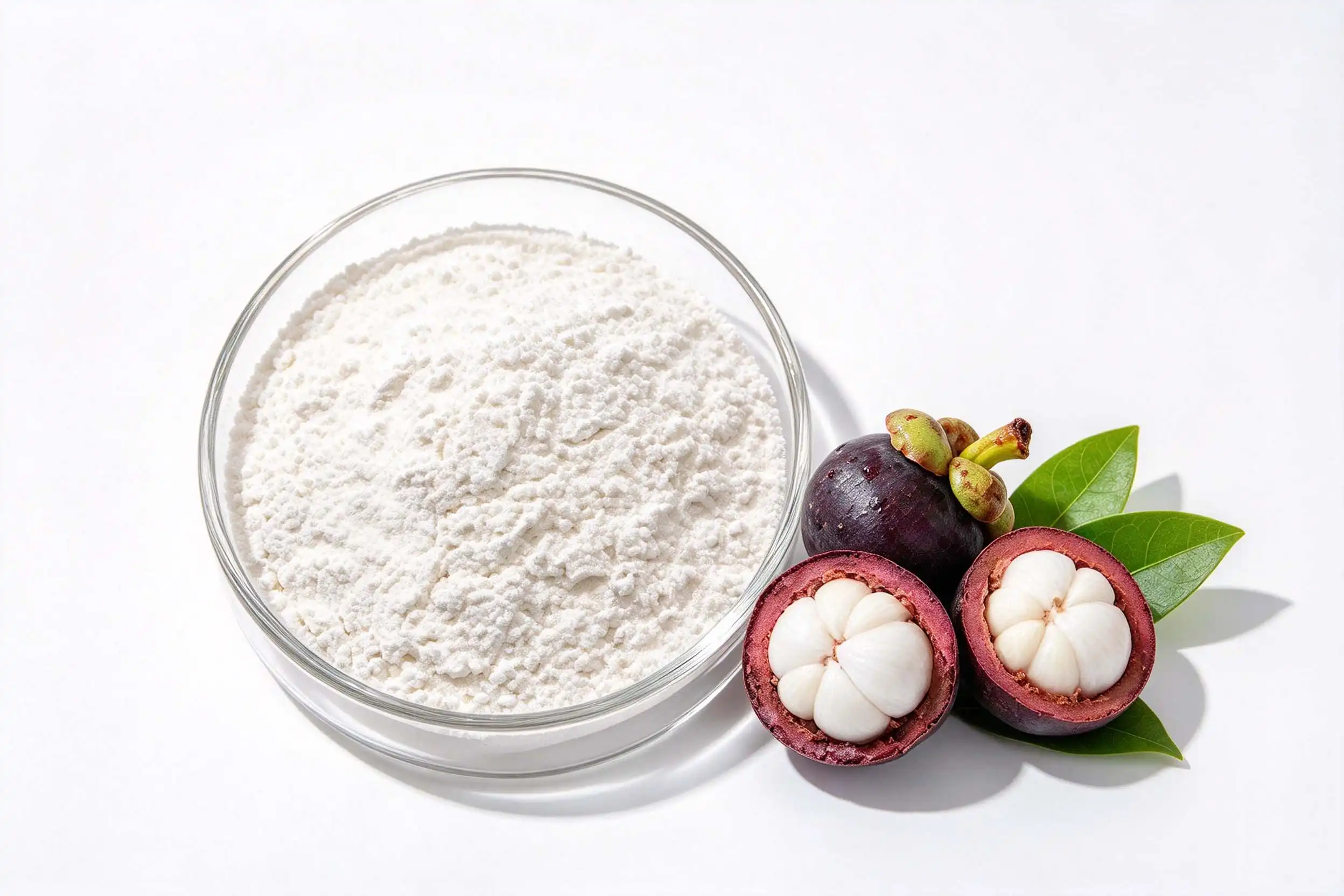
Mangosteen Extract Powder is a standardized herbal component from the fruit and husk of Garcinia mangostana L., the “Queen of Fruits.” The extraction procedure resulted in a concentration of xanthone compounds from the pericarp (rind), particularly α-mangostin and γ-mangostin. The polyphenol content of 10–90% α-mangostin was quantifiable by UV/HPLC analysis, which resulted in a good brownish-yellow or brown powder. This concentrated formulation is intended for use in supplement, cosmetic, and pharmaceutical applications where potency and batch-to-batch consistency are particularly critical.
What Is Mangosteen Juice Powder?
Mangosteen juice powder is made by concentrating the juice of the whole fruit and then spray-drying it into powder form. This technique maintains a greater spectrum of naturally occurring vitamins, carbohydrates, and phytonutrients from the edible pulp. But it doesn’t concentrate xanthones as an extract does. This powder is often lighter, with a greater carbohydrate content and lower α-mangostin concentration (usually less than 1%), and hence better for flavoring, functional beverage mixes, and food applications than focused bioactive delivery.
Key Differences at a Glance
The two goods serve quite different functions. Mangosteen extract powder is designed for quantifiable bioactive performance, whereas juice powder emphasizes flavor, color, and general nutrition preservation. The extract powder is a concentrated polyphenol and should be stored in a cold, dry place, away from light. The juice powder is more hygroscopic and has a tendency to absorb moisture. Both arrive in 25kg barrels, but extract powder demands a higher price per kg owing to the processing necessary.
Comparative Analysis Based on Core Dimensions
Antioxidant Potency and Anti-Inflammatory Activity
The antioxidant density of mangosteen extract powder is always higher than that of juice powder. It has been scientifically shown that α-mangostin, the major xanthone in the rind of the mangosteen, strongly inhibits pro-inflammatory cytokines and reactive oxygen species. A standardized extract at 30% α-mangostin provides therapeutic levels of antioxidant activity at a modest dosage. Because juice powder still contains some natural antioxidants, it cannot reach this intensity as the xanthone-rich pericarp is mostly eliminated during juice processing.
Dosage, Safety, and Regulatory Profile
For supplement and pharmaceutical formulators, getting the dose right is a must. Mangosteen extract powder refined to precise polyphenol percentages makes it available to formulators determining accurate doses per capsule or serving. In the therapeutic literature, the typical dose range is 100 to 500 mg of standardized extract daily. Juice powder is not standardized, making it more difficult to ensure that every batch has the same amount of bioactives. Both forms are typically safe, but extract powder with documented batch-level Certificates of Analysis (CoA) offers better regulatory defensibility in the US and EU markets.
Efficacy in Skin Care and Weight Management
It has been shown that mangosteen extract powder has efficacy against Propionibacterium acnes and reactive oxygen species in cosmeceutical formulations and supports its usage in anti-acne creams and anti-aging serums. For weight control applications, research suggests that α-mangostin may suppress pancreatic lipase activity, which is significant for nutraceutical formulations targeting metabolic health. Juice powder provides beneficial color and a slight antioxidant boost to drinks, but not these focused benefits.
Market Comparison and Buyer Considerations
Organic Certification and Regulatory Compliance
Mangosteen extract powder and juice powder are available in conventional and organic grades. Minimum standards for entering the US and EU market include ISO9001, FSSC22000, KOSHER, HALAL, HACCP, and FDA registration. Powder with HPLC analytical data and traceability to confirmed planting bases has a much higher regulatory standing. If you’re a buyer seeking clean-label markets, make sure the extraction method employs only water or food-grade ethanol, not harsh solvents, to help the natural positioning of your product.
Pricing and Cost-Effectiveness for Bulk Orders
Juice powder is usually cheaper per kg since it is easier to process. But the mangosteen extract powder has a greater value per unit of active ingredient. When calculating the cost per milligram of α-mangostin given, extract powder may sometimes be cheaper for high-strength supplement formulations. If the functional food or beverage application requires more emphasis on product taste and color than on xanthone content, juice powder may be the more economical option. The commercial order MOQ for extract powder is normally 25kg/drum and sample and small trial quantities are available.
Supplier Evaluation and Private Label Options
Of all, competitive price is just one factor in choosing the correct provider. Buyers should look for providers that give batch-level HPLC documentation, possess application support for formulation improvement, and have globally recognized certifications. Suppliers that work with in-house planting bases are better able to track raw materials than those who just get them from the open market. Other differentiators that matter for businesses establishing unique product lines include private label and bespoke formulation capabilities – such as precise polyphenol ratios or co-formulation with complementary extracts.
How Mangosteen Extract Powder and Juice Powder Are Made
Harvest Timing and Raw Material Quality
The quality of mangosteen ingredients starts at the point of harvest. The pericarp, which has the greatest concentration of xanthones, must be picked at the pinnacle of its maturity. At KH, sourcing depends on collaborations with regulated planting bases where varietal selection, soil quality, and harvest timing are maintained to enhance α-mangostin concentration before extraction starts. This upstream control dictates the ceiling of potency for the final extract powder.
Extraction and Drying Technologies
Mangosteen extract powder is prepared by extracting the pericarp with water or edible ethanol, and then concentrating and spray drying or vacuum drying. The procedure concentrates the xanthones, while eliminating superfluous moisture and inert plant material. Juice powder is prepared by extracting the edible pulp, concentrating the liquid under vacuum, and spray-drying the concentrate. Each process yields a chemically different result. The extract powder will include anywhere between 10% and 90% α-mangostin, but the juice powder is often far under 1%.
Quality Control and Shelf Life
Each batch of mangosteen extract powder produced must have a complete report of HPLC analysis to ensure the polyphenol content, heavy metal testing, and microbiological safety data. Proper drying will reduce the moisture content to below 5%, a requirement for shelf stability in maritime freight. 25kg sealed drums with desiccant powder retain potency for 24 months when kept appropriately. Juice powder is more hygroscopic; therefore, it needs more careful, humidity-regulated storage and may have a lower effective shelf life once opened.
B2B Procurement Guide: Which Mangosteen Powder Should You Choose?
Matching Product Type to Your Industry Application
Determine whether to choose extract or juice powder by the function of your final product. Mangosteen extract powder is the obvious choice for nutritional supplement capsules, anti-aging serums, joint health formulations, and pharmaceutical applications where the primary value proposition is standardized xanthone content. Juice powder is better suited for functional drinks, health food items, and animal nutrition mixes when taste, color, and overall antioxidant support will be enough. Mixing the two up in your formula brief will either result in under-dosed items or needlessly expensive expenditures.
Here are the major application matches for each format:
- Mangosteen Extract Powder (Standardized): Dietary supplement capsules and tablets, anti-acne and anti-aging cosmeceuticals, pharmaceutical anti-inflammatory medicines, and nutraceuticals having measured ORAC values needing batch CoA verification.
- Mangosteen juice powder, functional beverage powders, flavored health snacks, animal feed antioxidant blends, and food items where taste and overall content of phytonutrients are the major aims.
- These differentiators allow procurement teams to establish correct specs, preventing expensive reformulation after the first sample.
OEM and Custom Formulation Considerations
The OEM manufacturers profit the most from cooperating with suppliers who do more than just offer ingredients. Compounding guidance, stability testing data, and co-formulation assistance for particular delivery systems – capsules, gummies, serums, or RTD drinks – decreases time-to-market and reformulation costs. It’s just the type of technical help provided by KH’s application laboratory, which is more than a raw-materials supplier for R&D companies; it’s a hands-on collaborator.
Lead Times, MOQ, and Supply Chain Reliability
The flexibility of lead time and minimum order significantly impacts the cash flow and launch timetable of supply chain planners. KH stocks mangosteen extract powder ready for dispatch – Samples and small trial orders ship in 3-5 business days. Commercial orders start from 25kg per barrel. Ocean, air, and courier transportation options available according to urgency and order volume. This flexibility is good for SMEs trying out novel formulations, as well as the bigger businesses who have regular production cycles.
Conclusion
Do not substitute mangosteen juice powder with extract powder and vise versa. For use in supplements, cosmetics, and pharmaceuticals, where proven efficacy is required, extract powder (standardized to certain quantities of α-mangostin or polyphenols and confirmed by HPLC) is the suitable option. Juice powder is used in food, beverage, and flavoring applications when the xanthone content is not the primary concern. For most B2B formulators and supplement companies in the US market, mangosteen extract powder provides superior effectiveness, clearer regulatory posture, and improved batch-to-batch consistency. Decide depending on what your final product genuinely needs to provide.
FAQ
1. Is mangosteen extract powder safe for daily use in supplements?
Yes. Standardized mangosteen extract powder with documented purity and HPLC-verified composition is considered safe within established dosage ranges, typically 100–500 mg per day. Suppliers should provide full batch CoA documentation, including heavy metal and microbial testing, before any commercial use.
2. What makes extract powder different from juice powder nutritionally?
Mangosteen extract powder concentrates xanthones—specifically α-mangostin—to levels between 10% and 90%, making it appropriate for targeted anti-inflammatory and antioxidant applications. Juice powder retains a broader natural nutrient profile from the fruit pulp but contains far lower concentrations of these bioactive compounds.
3. How do I verify a supplier's extract quality?
Request batch-specific HPLC analysis reports, CoA documentation, and samples before placing commercial orders. Reputable suppliers hold certifications such as ISO9001, FSSC22000, HALAL, KOSHER, HACCP, and FDA registration, and can provide traceability documentation from raw material sourcing through finished powder production.
4. What extraction solvents are acceptable for clean-label products?
Only water or food-grade ethanol extraction qualifies for clean-label and natural product positioning. Avoid suppliers who cannot confirm solvent type. KH's extraction process uses only pure water or edible ethanol, which ensures safety, color purity, and rapid dissolution in formulation systems.
Source Your Mangosteen Extract Powder with KH
KH has been producing botanical ingredients since 1996, and our mangosteen extract powder is backed by ISO9001, FSSC22000, KOSHER, HALAL, HACCP, and FDA certifications. As a trusted mangosteen extract powder manufacturer, we offer specifications from 10% to 90% α-mangostin, batch-level HPLC reports, sample orders, and 25kg commercial drums with prompt shipment. Contact our team at info@kingherbs.com to request samples and technical documentation today.
References
1. Pedraza-Chaverri, J. et al. "Antioxidant and anti-inflammatory properties of α-mangostin." Food and Chemical Toxicology, 2008.
2. Ovalle-Magallanes, B., Eugenio-Pérez, D., & Pedraza-Chaverri, J. "Medicinal properties of mangosteen (Garcinia mangostana L.)." Food and Chemical Toxicology, 2017.
3. Chin, Y. W., & Kinghorn, A. D. "Structural characterization, biological effects, and synthetic studies on xanthones from mangosteen." Mini-Reviews in Organic Chemistry, 2008.
4. Ibrahim, M. Y. et al. "α-Mangostin from Garcinia mangostana Linn.: an updated review of its pharmacological properties." Arabian Journal of Chemistry, 2016.
5. Bumrungpert, A. et al. "Xanthones from mangosteen inhibit inflammatory mediators in human macrophages." Journal of Nutrition, 2009.
6. Akao, Y. et al. "Biological and pharmacological activities of xanthones from plant origin." International Journal of Molecular Sciences, 2008.
Send Inquiry

Related Industry Knowledge
- Best Centella Asiatica Extract Powder for OEM Skincare
- How Does Saw Palmetto Extract Powder Support Hair Growth?
- Rhizoma Coptidis Powder: Uses in Modern Herbal Applications
- Natural Ferulic Acid: Quality, Dosage, and Storage Tips
- Why Choose Scutellaria Baicalensis Extract? A Buyer’s Guide for Sourcing
- How to Verify the Purity of Jerusalem Artichoke Extract?
- Exploring the Health Benefits of Bitter Melon Extract Powder
- Is Wild Yam Extract Powder the Future of Hormone Care?
- Premium Valerian Root Extract Powder for Sleep & Calm Support
- Vine Tea Extract Uses, Benefits & Results