_1762508637542.webp)
Jerusalem Artichoke Extract Exporter for Global Ingredient Markets
Aug 10, 2026
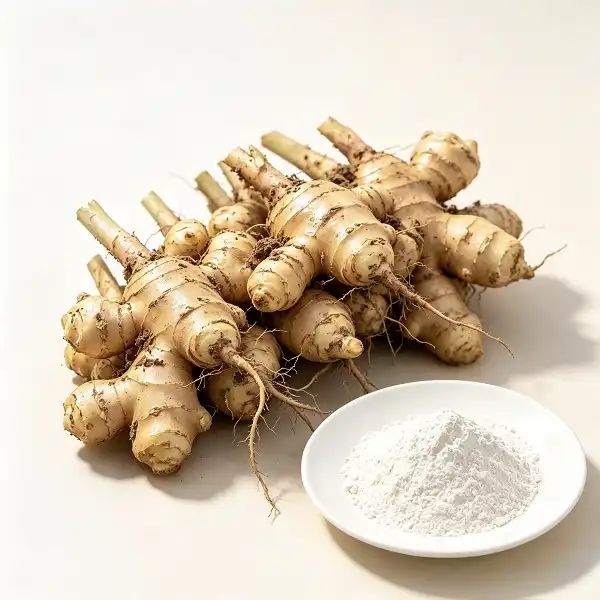
When procurement managers and R&D directors search for premium botanical ingredients, they need more than just product specifications—they need a partner who understands formulation challenges, regulatory demands, and supply chain reliability. Jerusalem Artichoke Extract, derived from the tubers of Helianthus tuberosus Linn., has emerged as a critical ingredient in functional foods, dietary supplements, and nutraceutical formulations. Kingherbs Limited, with over 25 years of expertise in botanical ingredient manufacturing, offers standardized inulin-rich extracts that meet the stringent demands of global markets, backed by comprehensive batch documentation and technical formulation support.

Understanding Jerusalem Artichoke Extract: Key Properties and Benefits
It is from the plant Helianthus tuberosus, which has very high amounts of inulin, a fructan fibre that is used as a main ingredient in products for gut health and metabolic wellness. Our extract is a fine, white to yellowish powder that has been standardised through HPLC testing to make sure that the amount of active ingredient is always the same. With high-purity inulin specs running from 90 to 95% and extract ratios of 4:1 and 10:1, this ingredient can be used in a wide range of formulations.
Functional Benefits Driving Market Demand
Because it contains prebiotics, inulin is a valuable ingredient for companies that want to improve gut health. When good bacteria in the gut break down inulin, they make short-chain fatty acids that help the intestinal barrier work and control the immune system. Because of this process, formulators are adding this ingredient to more and more probiotic and synbiotic products, where it helps helpful bacterial strains live and colonise.
The extract is good for your metabolism because it affects glucose homeostasis and helps with digestion. Soluble fibre slows down the absorption of carbohydrates, which helps keep blood sugar levels stable. This is especially helpful for goods that are meant to help with metabolic syndrome or weight control. According to research, regular usage may make insulin work better, which makes it a useful ingredient for making diabetic-friendly foods.
Technical Specifications That Matter to Formulators
Our Jerusalem Artichoke Extract goes through strict quality control and is approved by the FDA, KOSHER, HALAL, HACCP, and ISO9001 standards. Each batch comes with a thorough HPLC analysis report that shows the active chemical profiles in a clear way. The degree of polymerisation (DP) is usually between 2 and 60, and it has a direct effect on how quickly fermentation happens and how well prebiotics work in the stomach system.
The extract is very stable at high temperatures (up to 140°C) in neutral pH environments. This means it can be used in extrusion processing and baking. It dissolves easily in warm water (over 95% at 60°C), so it can be easily added to drinking systems. It also has a low glycaemic index, below 15. These technical factors deal with common formulation issues that have to do with texture, stability, and how well the drug works in different transport forms.
Comparing Jerusalem Artichoke Extract with Other Prebiotic Ingredients
When optimising ingredient portfolios, procurement professionals often look at more than one source of prebiotics. Comparative advantages help make sure that decisions about where to get materials are in line with how to position a product and what customers want.
Jerusalem Artichoke vs. Chicory Root Extract
Both nutrients contain inulin, but their different structures affect how they ferment and how well they are tolerated by the digestive system. It is common for inulin from chicory to be processed more quickly in the proximal gut, which can cause severe gas in sensitive people. The branched-chain structure of Jerusalem Artichoke Extract allows for a more gradual fermentation profile that extends into the distal gut. This may help with digestive pain when starting to take supplements.
From a sourcing point of view, chicory has ruled the market because it is easy to grow in Europe. But Jerusalem Artichoke has strong benefits for brands that want to stand out with their ingredients and promote clean labels. People who like botanicals from their own area will connect with its North American roots, and its lower processing needs will fit with natural extraction claims that help it stand out in functional food categories.
Powder vs. Liquid Forms: Logistical Considerations
Powder extracts, like the ones we sell in 25 kg drums, are more stable and last longer, which lowers the risk of running out of inventory for companies whose production plans change often. Because it absorbs water, it needs to be stored in the right way. On the other hand, the concentrated form cuts down on shipping costs and makes customs paperwork easier for international shipments. While liquid extracts are useful for some beverage uses, they can make planning purchases more difficult for medium-sized businesses because they need to deal with cold chain logistics and have a shorter shelf life.
Synergistic Formulation with Probiotics
The ability to comprehend how prebiotics and probiotics work together to create new synbiotic products is made possible. Our extract acts as a substrate that helps probiotics stay alive longer while being stored and increases the rate at which they colonise the digestive tract. Trials with different blends of 90–95% inulin and Bifidobacterium and Lactobacillus strains show that adding these three together increases the number of good bacteria in the body within 14 days.
How to Choose Reliable Jerusalem Artichoke Extract Exporters for Global Markets
To build a reliable supply chain, you need to look at suppliers in more ways than just their original price quotes. These traits set transactional vendors apart from strategic partners who can help with long-term product development goals.
Certification Standards and Quality Assurance
Trust in the supply line is built on international approvals. Our ISO9001 certification shows that we handle quality in a planned way at all stages of production, marketing, and purchasing. Compliance with FSSC22000 makes sure that food safety management systems are in line with GFSI standards, which is very important for companies that serve big store chains. KOSHER and HALAL certifications help brands that cater to certain dietary needs get into more markets. HACCP protocols, on the other hand, provide preventative controls that lower the risk of contamination.
Professional exporters are different from commodity traders because they have batch-level documentation in addition to standard certifications. There are Certificates of Analysis with HPLC chromatograms, heavy metal screening, microbiological tests, and pesticide residue analysis in every package. This tracking helps your regulatory filings and gives technical support for label claims, which speeds up the time it takes to get new products on the market.
Production Capacity and Supply Consistency
Quality standards are just as important as scalable production ability. Small businesses may have reasonable prices, but they don't have enough product to support names that are growing. We keep standard specifications in stock so that samples and regular orders can be sent out quickly, within 3–5 business days. Our relationships with controlled planting sites make sure that we can track raw materials from harvest to extraction. This keeps us from having to deal with the quality changes that happen when suppliers take advantage of seasonal shortfalls.
Regional Sourcing Insights
Geographical factors affect both the qualities of the ingredients and how well they can be shipped. North American sources have shorter lead times than US-based manufacturers, which means that US manufacturers can keep less inventory on hand and there are fewer problems in the supply chain. European suppliers usually put a lot of emphasis on organic certification and paperwork about sustainability, which makes them appealing to brands that want to sell natural goods in high-end channels. Asian producers, such as well-known companies like Kingherbs, offer cheap choices without lowering quality, as long as you do your research and make sure they follow GMP guidelines and have analytical tools.
Technical partners are different from ingredient dealers because they can make custom formulations. Our application laboratory helps with mixing, formulating, and testing for safety in drink, gummy, tablet, and skin care systems. Our technical team works together to find solutions that meet the specific needs of your product, whether you need a certain amount of inulin to fructooligosaccharides or Jerusalem Artichoke Extract powder properties that are just right for tableting.
Strategic Sourcing and Procurement Tips for Bulk Buyers
Finding qualified suppliers is only one part of effective procurement. You also need to put in place practices that lower the total cost of ownership and make sure that the materials are always the same.
Supplier Verification and Due Diligence
Third-party audits make sure that manufacturing skills and quality processes are reliable. Ask certification groups for audit reports or take virtual trips of the facility to check on the upkeep of equipment, the analytical lab's capabilities, and the training programs for staff. Peer reviews and industry references can help you figure out how responsive a supplier is during quality investigations or supply disruptions.
Contract Terms and Negotiation Strategies
Minimum order amounts keep the cost of goods and the price per unit in check. Our MOQ structure is flexible enough to allow sample orders for the first review, small kilogram trial orders for formulating, and 25 kg business minimums for starting production. This step-by-step method lowers the financial risk of product creation while building supply chains that can grow as the market does.
Complete buy deals should include details like requirements, sampling rules, lead times, payment terms, and ways to settle disagreements. Quality agreements spell out the acceptable ranges of variation for key parameters, how to handle material that doesn't meet specifications, and who is responsible for not following the rules. These papers keep everyone safe and make things clearer, which speeds up the order fulfilment process.
Negotiation strategies that focus on partnerships over transactional pricing yield superior long-term results. Commitments to buy large amounts of multiple items allow for more efficient shipping and office work. Working together technically to solve formulation problems makes everyone more invested in the success of the product, which makes suppliers more likely to prioritise your orders when they are short on capacity.
Import Compliance and Documentation
When buying things across borders, you have to pay close attention to customs rules, tax classifications, and approvals for ingredients that are specific to each country. Our team provides a wide range of paperwork, such as commercial invoices, packing lists, certificates of origin, and confirmations of regulatory status for the FDA, the EU Novel Food, and other places. Communicating ahead of time about changes to regulations helps you plan for legal needs and avoid costly shipping delays.
From the point of entry to the production floor, good storage and handling methods protect the quality of the Jerusalem Artichoke Extract. Keeping the warehouse at a controlled humidity level stops moisture from absorbing, which can change the way powder flows and make microbes less stable. First-in, first-out inventory rotation and sealed packaging in 25 kg drums keep the quality of the product high during normal use cycles.
Future Trends and Market Outlook for Jerusalem Artichoke Extract
The global functional food and nutritional markets are still growing. This is because people are living longer, they are more aware of how to avoid getting chronic diseases, and they want natural health options. These big trends keep up the demand for plant ingredients that are backed by science and have been shown to work.
Innovations in Extraction Technology
Newer ways of extracting bioactive compounds keep their integrity and increase the yield. Water-based and food-grade ethanol extraction methods are in line with the clean-label movement because they don't use hexane or other chemical solvents that make it harder for regulators to approve products and for customers to accept them. Membrane filtering and spray drying technologies improve the properties of powders, making them easier to dissolve and make into tablets, which opens up more formulation options.
Sustainability and Organic Cultivation
Environmental responsibility is becoming more and more important when it comes to buying things, especially for brands that want to sell to natural goods stores and environmentally conscious customers. Verification of organic certification, regenerative farming methods, and carbon footprint paperwork become ways to stand out from the competition. Our partnerships with planting bases focus on managing the health of the soil and using integrated pest control methods that use as few synthetic inputs as possible while keeping crop yields and active compound concentrations high.
Utilising waste streams is another aspect of sustainability. Growing Jerusalem Artichoke Extract sources biomass that can be used to make biofuels and feed for animals. This creates models for a circular economy that improve the general economics of crops. These stories about sustainability give brands compelling ways to talk about their pledges to business responsibility.
Regulatory Evolution and Market Access
Improvements in standardisation allow for more accurate dosing suggestions and more consistent clinical outcomes. Formulators can reach therapeutic levels in smaller dose sizes by using high-purity inulin specs that reach 95% concentration. This meets customer preferences for convenient supplement forms. These technical changes back up marketing claims that are based on evidence and set premium goods apart in crowded retail categories.
The ways that major markets approve ingredients are still changing. The EU Novel Food system needs a lot of paperwork for new ingredient applications, but the FDA sees inulin as a food fibre that has been used safely for a long time. Keeping up with changes in regulations helps you figure out what you need to do to comply and find ways to grow your market. When you work with importers who keep up with regulatory changes and help you with the submission process, it makes your job easier and speeds up your regional growth.
Conclusion
To find trustworthy sources of high-quality Jerusalem Artichoke Extract, you need to look at exporters' quality systems, technical skills, and willingness to work with you. Kingherbs Limited has been extracting botanicals for 20 years and offers full analytical tests, adjustable order amounts, and formulation support that goes beyond just providing ingredients. Our dedication to traceability, natural extraction methods, and quick customer service solves the main problems that procurement professionals face when they have to set up strong supply chains for new health products.
FAQ
1. What inulin concentration is optimal for different applications?
Depending on what you want to make, you can choose between 90%, 92%, or 95% inulin specifications. When you need the most prebiotic effect per dose, higher amounts (95%) work well for dietary nutrients. Moderate amounts (90–92%) work well for useful foods that need to add fibre while still tasting good. Based on your target dosage and delivery format, our technical team can give you advice on the right specifications.
2. How does your extraction process ensure solvent safety?
We never use hexane or other chemical solvents for extraction; we only use pure water and food-grade ethanol. This method makes products that meet the standards for organic approval and meet the needs of consumers who want clean labels. Each batch is tested for leftover solvents to make sure that safety limits are well below the levels set by regulations.
3. Can you support small trial orders before commercial commitments?
Of course. We know that making a new product needs trying it in a variety of formulation and stability circumstances. Sample orders and orders for just a few kilograms let you check the results before committing to business minimums of 25 kg. This method lowers your financial risk while setting up the contact with the supplier.
4. What documentation do you provide for regulatory submissions?
There are Certificates of Analysis with HPLC chromatograms, microbiological testing, heavy metal screening, pesticide residue analysis, and allergen statements in every shipment. We can also confirm the botanical identity, provide proof of country of origin, and send regulatory status letters to FDA, EU, and other authorities as needed for your filings of Jerusalem Artichoke Extract.
Partner with KH for Premium Jerusalem Artichoke Extract Supply
Kingherbs Limited can help you find the ingredients you need by providing the best plant extracts and offering thorough quality systems and technical knowledge. As a Jerusalem Artichoke Extract provider with a lot of experience, we know how hard it is for companies that make health supplements, functional foods, and cosmetics to find the right ingredients. We can track your order from start to finish, use natural extraction methods, and send quickly from a ready-to-ship inventory. This meets your main needs for safety, regularity, and supply security. Email our team at info@kingherbs.com to talk about your specific formulation needs and to ask for detailed technical documentation that shows how committed we are to the success of your product.
References
1. Roberfroid, M. (2007). Prebiotics: The Concept Revisited. Journal of Nutrition, Volume 137, Issue 3 Supplement, examining Jerusalem artichoke inulin fermentation patterns and gastrointestinal tolerance mechanisms.
2. Niness, K.R. (1999). Inulin and Oligofructose: What Are They? Journal of Nutrition, Volume 129, Issue 7 Supplement, providing comprehensive analysis of prebiotic fiber sources including Jerusalem artichoke composition.
3. Tungland, B.C. & Meyer, D. (2002). Nondigestible Oligo- and Polysaccharides: Their Physiological and Health Benefits. Comprehensive Reviews in Food Science and Food Safety, Volume 1, exploring metabolic effects of inulin-type fructans.
4. Kaur, N. & Gupta, A.K. (2002). Applications of Inulin and Oligofructose in Health and Nutrition. Journal of Biosciences, Volume 27, Issue 7, documenting clinical evidence for Jerusalem artichoke extract health benefits.
5. Gibson, G.R. et al. (2017). Expert Consensus Document: The International Scientific Association for Probiotics and Prebiotics Consensus Statement on Prebiotic Definition and Scope. Nature Reviews Gastroenterology & Hepatology, establishing scientific criteria for prebiotic classification.
6. Van Loo, J. et al. (1995). On the Presence of Inulin in the Monocotyledons. New Phytologist, Volume 130, analyzing botanical distribution and structural variations of inulin across plant species, including Jerusalem artichoke.
Send Inquiry

Related Industry Knowledge
- Holy Basil Extract Powder Supplier with Strict Quality Control
- Can Passionflower Extract Powder Ease Nervous Tension Quickly?
- Tongkat Ali Extract Powder for Men and Women: Hormonal Health Guide
- Where to buy organic nettle extract powder?
- Angelica Officinalis Extract Health Benefits & Medicinal Uses
- How Does Astaxanthin Powder And Oil Support Skin Health?
- Harnessing the Power of Rose Hip Extract Powder for Wellness
- Organic Couch Grass Rhizome Extract for Premium Supplements
- What Are the Key Benefits of Couch Grass Rhizome Extract?
- Innovative Mango Leaf Extract Powder Applications in Supplements