
How Does Apple Root Extract Support a Smoother Skin Texture?
Nov 6, 2026
Apple root extract, a conditioning and antioxidant companion in a well-built composition, helps to achieve a smoother skin texture. The primary ingredients are phloridzin and phloretin, which are plant polyphenols with antioxidant action. Proven humectants and emollients combine to provide the final serum or cream with a softer feel and a more even appearance. It's not a replacement for a moisturizer, and it's not an exfoliator per se. Results vary on purity, dosage, and the whole recipe, thus any claim requires testing of the completed product. This tutorial explains how to handle it appropriately.
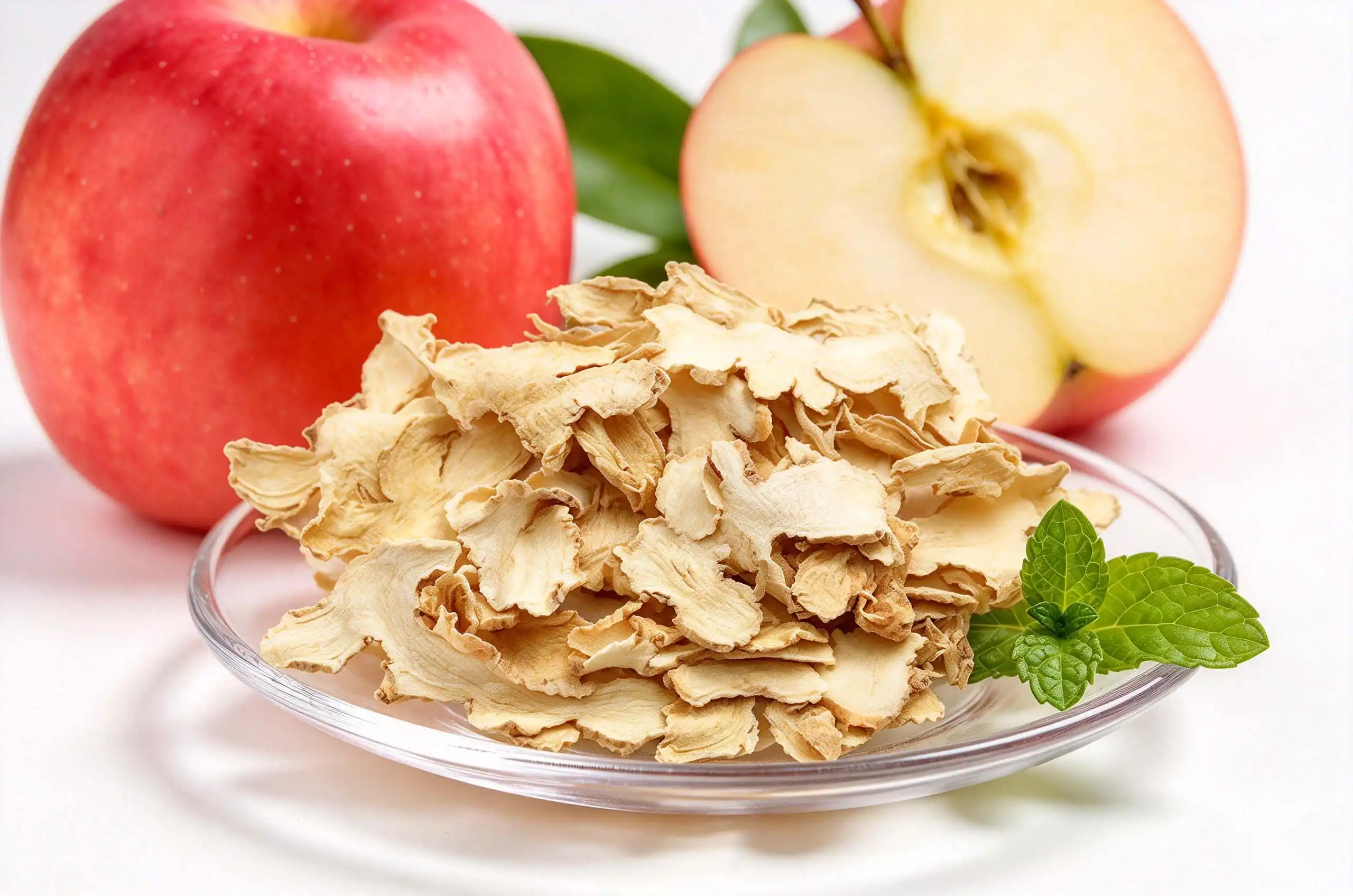
What is apple root extract & why is it used in skin care?
A Botanical, Not A Fruit Extract From The Root
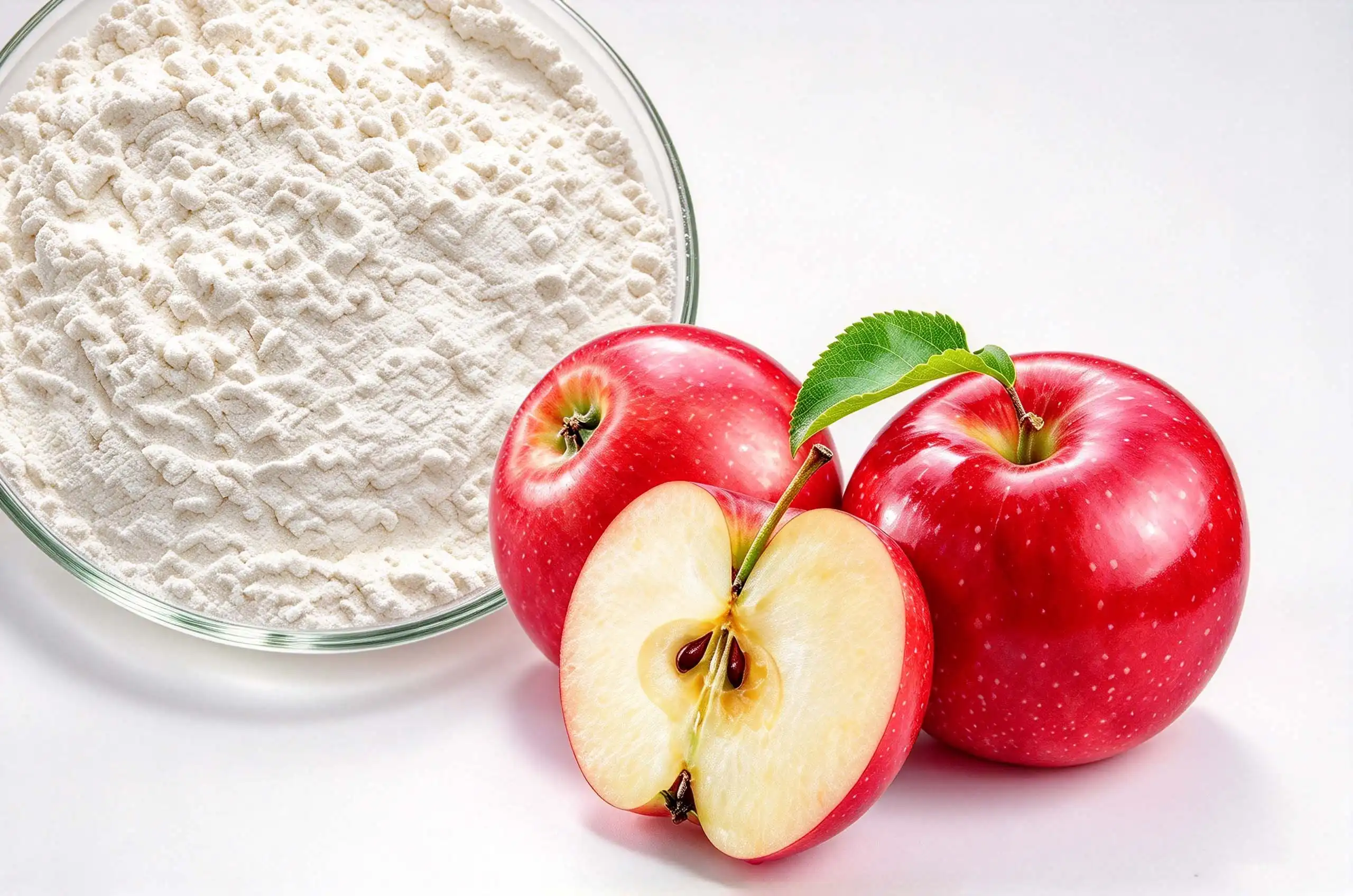
The apple root extract helps to make the skin seem smooth and maintain it healthy and protected from any injury. It contains plant compounds called phloridzin and phloretin. They are known as antioxidants. In a serum or cream, apple root extract may be coupled with humectants and conditioners that are well recognized to improve the appearance and feel. You don't need to massage it on your skin or use it as a lotion. Each claim has to be tested on the whole product, since the results rely on the quality, the dosage, and the complete blend. This book will teach you how to use it securely. The root extract of apple originates from the tree Malus pumila Mill. This is why apple fruit extracts, peel, seed, and stem cells are different. They are composed of various chemicals and sheets. It is a fine white to off-white powder. 90% to 98% phloridzin and 80% to 98% phloretin. Both this level and this level were confirmed by HPLC. Phloretin does not contain the sugar moiety that is present in phloridzin. This is phloridzin, a dihydrochalcone glycoside. Phloridzin is a unique phenolic compound, discovered solely in plants of the genus Malus, according to a 2010 study in Phytochemistry. This is why apple tissue is excellent.
What Smoother Skin Texture Means In Cosmetic Language
In beauty work, "smoother texture" is about how the skin appears and feels – not how it's formed. It covers surface defects and makes the surface seem softer and smoother. Another technique to find out how soft something is is to undertake a poll of users. Moisture of the surface is measured with a corneometer. Cosmetics in the U.S. are intended to clean you up, make you seem better, or modify the way you appear. Claims concerning such things should remain where they belong. This frame lets R&D teams rapidly choose the proper tests and confirms that the product copy is accurate.
Who asks about it and why?
Everyone from OEM/ODM manufacturers to wholesalers and formulators is looking for plant-based actives that are easy on the eyes. The folks who have to purchase items want to know they can trust the well. Research and development leaders want their products to be different, and one approach to make them different is to give them a narrative. QA teams must be able to handle a lot of data at one time. These standards should be satisfied by Apple Root Extract if the supplier provides the name of the plant, extraction procedure, and HPLC results for each lot. Now, this makes it simple to declare that we only use clean water or safe-to-eat ethanol. That's why some corporations utilize the same substance in more than one line of goods. The uniform powder is used for initiatives that make food work better. It's utilized for projects that make vitamins function better.
How Apple Root Extract May Support Smoother-Looking Skin
Antioxidant Positioning for Texture-Focused Products
In the lab, both phloretin and phloridzin can get rid of free radicals. In 2008, a study in the Journal of Cosmetic Dermatology looked at vitamin C, ferulic acid, and phloretin on human skin. It said that it would guard against UV light damage to photos. That wasn't just phloretin; I think a bunch of different things worked together. That's why things that fight free radicals use apple root extract. Making a product that makes skin smoother should match the antioxidant data, so it makes sense to back it. But each brand should check its own for rust and stability.
Hydration and Conditioning Support
An important first step in making skin better is to make sure there is enough water in the skin. There was a study in 2016 in the Indian Journal of Dermatology that talks about how humectants, emollients, and occlusives work in creams. Apple root extract isn't really in those groups. When I mix it with glycerin, plant oils, hyaluronic acid, or ceramides, my face feels better. The base moisturizes and softens the skin, and the extract adds a known plant activity. It's possible to find out what it adds by comparing the full product to one that doesn't have it.
What the Ingredient Does Not Do
Brands should tell the truth about where they stand. I wouldn't sell apple root extract as a scrub because I don't know if it works. A review paper from 2010 in Clinical, Cosmetic and Investigational Dermatology talked about how hydroxy acids break down the bonds between skin cells on the surface. There isn't any information like this about how well phloretin or phloridzin get rid of dead skin. When tests back them up, words like "helps improve the appearance of roughness" work. It doesn't happen that changes to the structure that are promised will last. Along with other ingredients that have been shown to help the barrier and keep the skin moist, the extract should be used.
Formulating with Apple Root Extract and Comparing It with Other Options
From Traditional Texture Solutions to Botanical Strategies
Rapid changes in how the skin feels may be caused by single-component products, harsh exfoliants, or thick systems that coat the skin. Besides that, they may screw with compatibility, stability, or tolerance. Now, many businesses are looking at botanical actives that accomplish more than one thing. Apple root extract is good for skin care, body care, positioning for delicate skin, and professional lines, as long as the base recipe is soft. Always confirm that the plants are what they claim they are. Take a note of how they were taken. Decide how much you want to use. Confirm the pH. Choose a stabilizer. Make sure the final mixture will remain stable.
A Practical Workflow Formulation
Four things to do. The first thing is to establish who the product is for, how it will be used, and what claims may be made about it. Do the job with vitamins, humectants and emollients, and humectants to assist the barrier to perform properly with chemicals and apple root extract. Finally, ensure that the polyphenols are safe. Phytochemicals are sensitive to heat, light, air, and variations in pH. Store the mix in air-tight containers and add the extract when the mixture is cold. This will allow you to observe how the hue changes over time. Just to be sure, run a tiny solubility test in the system you've selected. Bases do various things. Fourth, make the complete recipe to check how stable it is, how well it keeps food fresh, how well it fits in containers, and how it feels to the touch. There are tests and research that indicate a product really does make skin smoother, softer, or more moisturized.
How it compares to other skin texture ingredients
Apple stem cells are not the same as apple roots, fruit, peel, or seeds. This is because each plant may have various phytochemical profiles, documentation, appearance, odor, and reactivity to formulations. Therefore, one design that works for one plant may not work for another. Apple root extract helps get the area ready and plants in the right place. AHAs, BHAs, and PHAs smooth the skin immediately. A firm may produce two items, one with a gentle scrape and one with a cleaning step. When comparing suppliers, consider how they manage things like batch homogeneity, standards, testing, minimum order quantity (MOQ), wait times, packaging, knowledgeable customer support, and who they are selling plants to.
Safety, Quality, and Regulatory Considerations
Claims That Stay Within Cosmetic Rules
The Federal Food, Drug, and Cosmetic Act of the United States says that cosmetics are things that clean, improve, or change the way you look. Now more than ever, it's important to keep records. This is because the Modernization of Cosmetics Regulation Act of 2022 gave the FDA more power to watch these products. What kind of drug or cosmetic it is can be told by how it is written and advertised. Sayings like "helps improve the appearance of roughness" are fine, but don't say the product will cure your skin or change it forever. Diabetes/Metabolism Research and Reviews wrote a review in 2005 about phloridzin research and how it changes the way glucose moves through the body. That subject has nothing to do with skin care.
Documents to Request Before Purchase
You should ask for a certificate of analysis, a technical data sheet, a safety data sheet, INCI information, and a list of the plants that were used to make the product. You need to know how to get the data, how to store it, and how much to use it. Some things that are still there are heavy metals, bacteria, chemicals, allergens, and GMOs. Last, make sure that the batch number and product code are the same in every file. It is important for people who buy things to use HPLC to check the active marker data, which in this case is phloridzin and phloretin. Just saying something in general doesn't prove its content. For every batch we make at KH, we keep a full HPLC measurement record. Our goods also meet both USP and EP standards.
Quality Controls Behind KH Apple Root Extract
From the field, we keep an eye on quality. KH thinks about the kind of plant, the area, and the best time to gather when they work with planting bases. This makes sure that the live content stays the same from one lot to the next. As for the chemicals we use, they are safe. We only use water or ethanol that is safe for food. That's right, this apple root extract is approved by the FDA, FSSC22000, KOSHER, HALAL, HACCP, ORGANIC(EU), and ORGANIC(USDA). You need to get the right license for your sale and the people you want to sell to. Our team can answer any questions you have about specs or tracking. Since 1996, KH has been making herbal products.
Applications and How to Choose an Apple Root Extract Supplier
Product Formats That Fit
Apple root extract is good for professional skin care lines, private-label goods, face serums, moisturizers, masks, sleep aids, body lotions, hand creams, and foot creams. Adding antioxidants and conditioning the hair can help with all of them. It adds a botanical story if the base formula is good. Pay attention to the feel, amount needed, cost, packaging, shelf life, and local rules for each item. People who buy from OEM and ODM often pick more than one option to meet the wants of customers in a range of price points. It still needs to be tried before any claims are made or the product is put on the market.
How to Evaluate an Apple Root Extract Supplier
Start by looking at the most basic skills. Find test materials, make the formula, do batch releases, help with pilot batches, and then move on to bigger batches. There are also business terms to look at, such as the minimum order quantity (MOQ), prices, wait times, packaging, payment terms, backup plans, and supply continuity. It's not just about price. Both the batch number and the product code should match on the records. The supplier should also let you know if the raw materials change where they come from or how they are processed. Before you sign a long-term contract, run sample versions by you and make sure you're happy with them before you sign the contract.
What KH Offers Buyers
These three things are what most people who want to buy apple root extract ask us.
- Traceable, verified supply: Planting bases that keep an eye on the type of plant, the dirt, and the harvesting time are what we use. This helps keep the quality of the raw materials consistent. Your QA team can compare phloridzin and phloretin to the 90%–98% and 80%–98% ranges to make sure the quality is good. Each batch has its own HPLC report.
- Speed and packing: When items and samples are in stock, they can be sent out within 3–5 business days. Shipping is quick when stock is ready. You can buy bits and pieces of the goods to test it out. Sales that are bigger, like business sales, start at 25 kg. We ship in 25 kg drums by sea, air, or express.
- Technical partnership: Our application laboratory helps make compounds, improve formulas, and check the safety of skin care and other systems. It is possible to mix certain amounts of drugs, vitamins, amino acids, and extracts to do certain things. We have all of these things for you in one place.
People often worry about things like uneven batches, slow samples, and not enough technical support when they buy something.
Conclusion
If you use apple root extract with other skin-care and anti-aging products, it can help make your skin smoother, but not by itself. It has phloridzin and phloretin, which were proven by HPLC. This makes it a clear botanical active for formulators. Researchers have looked at phloretin in antioxidant combinations and used it in skin care products in the past. Still, the ingredients used for smoothing and conditioning have been shown to work, but the extract has not been shown to scrub. It's best to make sure that the extract and base go well together. Also, make sure that the product stays stable, doesn't get too hot, and lasts as long as possible. There are rules that cosmetic claims must follow, and they must be backed up by proof such as the CoA, the HPLC report, and the safety statements. The process ends with a careful look at the supplier's ability to track products, make sure batches are consistent, and offer technical support.
FAQ
Is apple root extract an exfoliant?
No. Mix apple root extract with other things to make it stronger and safer. The skin gets smooth again thanks to AHAs and BHAs. If you say something is less rough, you have to test it to back it up.
Can apple root extract suit sensitive-skin products?
It might. What makes something okay are the ingredients, how clear it is, how strong it smells, and the recipe as a whole. Before you put a product on the market as good for sensitive skin, test it in real life with real people.
What use level should I choose?
For each type of extract, the dose is different and depends on what the brand says. First, ask our engineering team for a rough range for your base. Then, try it on to make sure it fits well and feels good.
Can it go into OEM, ODM, or private-label products?
Yes, as long as you follow the rules in your area. At the start, tell us about your market and the forms you need. We can then make sure it fits with your launch plan.
Request Apple Root Extract Samples and Technical Information from KH
Want to buy apple root extract for sale from a business that has a history of providing high-quality products and great customer service? KH gives skin care designers samples, batch HPLC results, and tips on how to use the results. Send us an email at info@kingherbs.com with your application, the proof we need, and how much you want to buy. We'll tell you more and what to do next.
References
1. Journal of Cosmetic Dermatology, 2008. Protective effects of a topical antioxidant mixture containing vitamin C, ferulic acid, and phloretin against ultraviolet-induced photodamage in human skin.
2. Phytochemistry, 2010. Phloridzin: biosynthesis, distribution and physiological relevance in plants.
3. Diabetes/Metabolism Research and Reviews, 2005. Phlorizin: a review.
4. Indian Journal of Dermatology, 2016. Moisturizers: The Slippery Road.
5. Clinical, Cosmetic and Investigational Dermatology, 2010. Applications of hydroxy acids: classification, mechanisms, and photoactivity.
6. U.S. Congress, 2022. Modernization of Cosmetics Regulation Act of 2022.
Send Inquiry
Related Industry Knowledge
- Where Can You Source Top pyrethrum extract Manufacturers?
- Where to Source Quality Rhizoma Coptidis Powder in Bulk?
- How to Choose High-Quality Echinacea Purpurea Extract?
- Can Bitter Melon Extract Powder improve blood sugar?
- Ivy Extract Powder: Uses, Benefits, Safety & Quality Guide
- Onion Extract: Nature’s Solution for Thinning Hair?
- Bacopa Monnieri Extract Powder for Stress Relief?
- Lespedeza Capitata Extract for Plant-Based Kidney Care
- Premium Couch Grass Rhizome Extract for Detox & Wellness
- Can Purple Sweet Potato Extract Support Cellular Protection?