_1762508637542.webp)
Can Camellia Oleifera Seed Extract Support Hair Care Formulas?
Oct 13, 2026
To a certain extent, hair care solutions can benefit from camellia oleifera seed extract. This botanical component is abundant in tea saponins, vitamin E, polyphenols, and unsaturated fatty acids; it is derived from Camellia oleifera Abel seeds. The combination of these bioactive ingredients conditions the scalp, shields hair follicles from free radical damage, and enhances their ability to retain moisture. Research has demonstrated that oleic acid, the primary fatty acid in this extract, can infiltrate the hair shaft and reduce protein depletion. Camellia seed extract provides real practical benefit for B2B formulators looking for an established, all-natural substitute for synthetic actives.
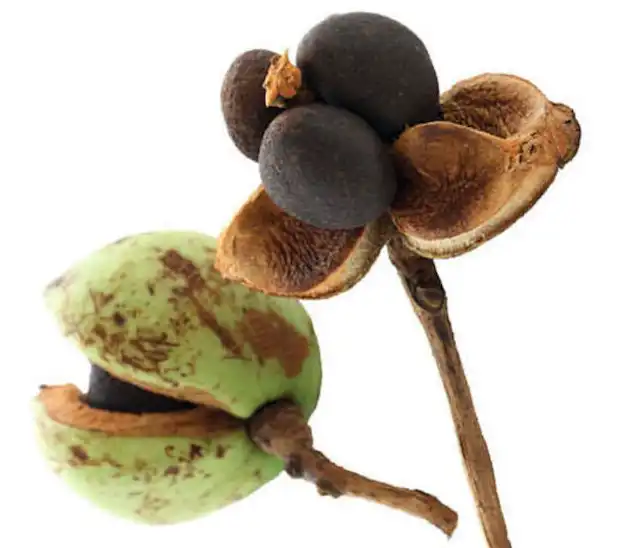
Understanding Camellia Oleifera Seed Extract and Its Hair Care Potential
Botanical Origin and Chemical Profile
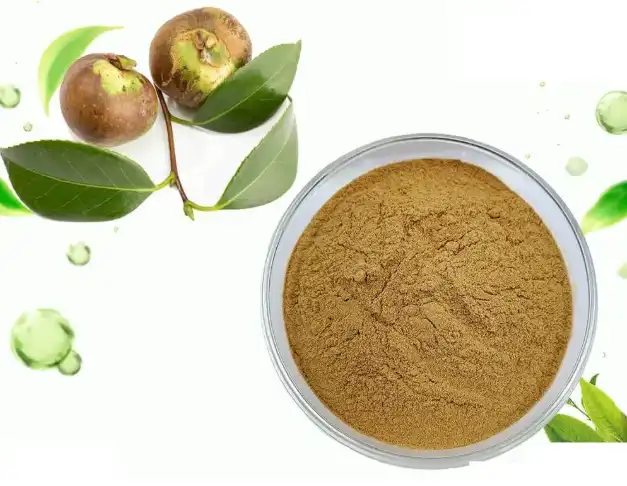
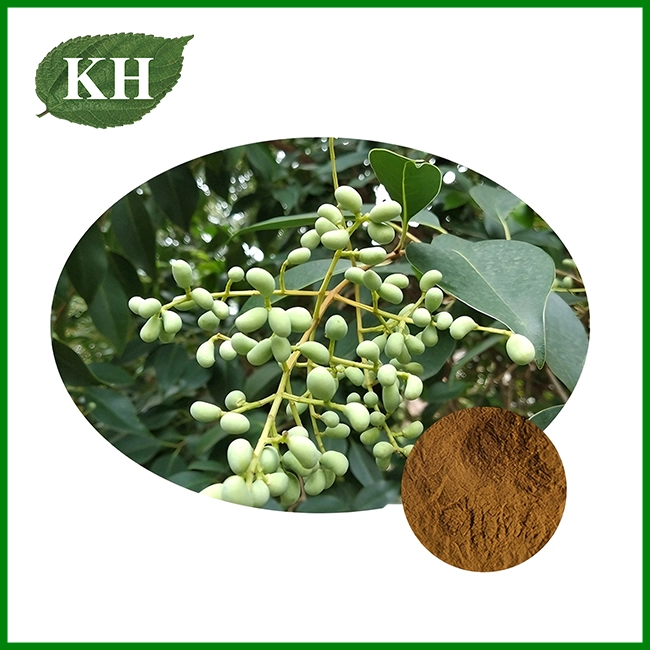
The oil-tea camellia tree produces the seeds that are used to make Camellia oleifera seed extract. China and Southeast Asia have long been home to this tree's cultivation. Extractions from tea seeds include saponins (18%-98% specification), vitamin E, flavonoids, and a high concentration of oleic and linoleic acids. A fine, off-white to light yellow powder. Such compounds exert their effects on a molecular scale. Fatty acids provide a protective coating over each hair strand, preventing it from breaking and losing moisture, while antioxidants eliminate free radicals close to hair cells.
Antioxidant and Scalp-Protective Activity
It is well-known that oxidative stress causes premature hair loss by shrinking hair follicles. A measure of camellia oleifera seed extract's ability to neutralise free radicals is its polyphenol content; this method is similar to the standard DPPH assays for vitamin C. Serum manufacturers, those developing treatments for the scalp to combat oxidative damage caused by environmental factors such as pollution and ultraviolet light, may find this protection particularly useful.
Comparison with Argan, Jojoba, and Coconut Oils
Camellia seed extract has obvious advantages over competing products. A faster rancidity rate is associated with argan oil due to its lower antioxidant content. Jojoba wax esters aren't as effective at cleaning as saponin-based alternatives. Due to its high lauric acid content, coconut oil has the potential to cause protein loss with excessive use. Conversely, formulators have more leeway in how they employ camellia seed extract because it cleans, conditions, and shields against free radicals simultaneously in a single water-soluble powder.
Formulating Hair Care Products with Camellia Oleifera Seed Extract
Recommended Concentration Ranges by Product Type
It is important to get the percentage right for both function and cost-effectiveness. The following ranges are suggested for use with the major product types listed below:
- Shampoos: 0.5%–2% tea saponin content; provides gentle surfactant action without stripping natural scalp oils, compatible with co-surfactants like decyl glucoside.
- Conditioners and hair masks: 1%–3%; oleic acid and vitamin E fractions support slip and strand repair, reducing combing force in independent sensory trials.
- Scalp serums and leave-on treatments: 0.3%–1%; lower concentrations avoid buildup while delivering targeted antioxidant and conditioning benefits.
These ranges find a good balance between delivering active ingredients and keeping customers safe with all hair types. Before increasing output, formulators should try the function at each concentration to make sure it is stable.
Ingredient Compatibility and Formulation Stability
Depending on the pH, Camellia oleifera seed extract is either not charged or slightly charged negatively. This means that it works well with cationic conditioning polymers like Polyquaternium-10, which is used in 2-in-1 systems. It doesn't precipitate with these agents as sulfate surfactants do. The extract is easy to mix in water, which makes the production process easier. The best pH range for finished formulas is between 5.0 and 7.0, which is in line with acidic profiles that are good for the scalp.
Certifications and Regulatory Compliance
Products going to the US and other countries need to be certified to meet certain standards. The camellia oleifera seed extract from KH is certified by ISO9001, FSSC22000, KOSHER, HALAL, HACCP, and the FDA. Before production starts, quality assurance managers can check that each batch meets the requirements for tea saponin content (18% to 98%) using a detailed UV-method certificate of analysis and an HPLC component report. This paperwork backs up regulatory submissions in both the US and EU markets.
Market Comparison and Quality Decision-Making for Procurement
Purity Grades and Product Forms
There is a wide range of quality levels of camellia seed extract on the market. Low-quality ingredients (18% to 40% tea saponins) work well with shampoo bases that need to be cheap. Premium conditioning lines use mid-grade (40% to 70%) fuel. For clinical-grade scalp treatments and recipes that are covered by a patent, high-purity grades (70% to 98%) are best. Before placing a big order, buyers should ask for batch-specific COAs and check the results with a third-party laboratory.
Organic Certification and Traceability
KH works with special planting bases that choose the varieties, take care of the earth, and decide when to gather, all the way from the seeds to the extraction. This end-to-end tracking gets rid of the batch-to-batch differences that purchasing teams often see with commodity sellers. There are organic-certified options for brands that want to position themselves in stores with clean labels or natural certifications.
Evaluating Supplier Claims
The real sign of supply chain dependability is a supplier's ability to give regular data, not just a sample once in a while. Before signing a vendor agreement, purchasing managers should ask for at least three batch COAs in a row, ask for solvent disclosure documentation (KH only uses pure water or food-grade ethanol, never harmful solvents), and make sure the extraction method matches what the label says it does.
Procurement Guidelines for Camellia Oleifera Seed Extract in Hair Care Manufacturing
MOQ, Logistics, and Lead Times
KH has a flexible entry point: trial orders for samples and small kilograms can be placed with no minimum quantity requirement. This makes it easy for R&D teams to use when they are still in the early stages of formulating. Larger orders (25 kg or more per drum) can be shipped by courier, air, or ocean freight, depending on how quickly they need to be delivered and how much they are. Samples are sent out quickly because they are in stock, and they arrive within 3–5 working days.
OEM and Private Label Collaboration
KH is more than just a supplier of raw materials; it also acts as a technical partner. Their application laboratory helps with stability testing, formulation improvement, and making shampoos, conditioners, and scalp serums. Custom camellia seed extract ratios or function-specific blends are available. This lets brands use unique ingredient profiles to make their product lines stand out.
Supply Chain Transparency for Large-Scale Buyers
For medium- to large-sized producers who need a supply that can be scaled up or down, KH keeps written records of all the steps from the planting base to the finished drum. Full batch paperwork is sent with every package. This includes a COA, an HPLC analysis report, a solvent statement, and copies of the certifications. This set of documents directly handles the legal needs of quality assurance directors in charge of launching products in multiple markets.
Case Studies & Future Outlook in the Hair Care Industry
Brand Adoption and Market Reception
Since then, natural hair care has grown a lot. In fact, Grand View Research predicts that the world natural hair care market will reach $14.5 billion by 2030. Brands that have added camellia seed extract to their shampoo and scalp serums have received good feedback from customers, especially those who like "clean beauty" products that look for sulphate-free and biodegradable surfactants.
Emerging Research and Application Scope
Tea saponin's anti-inflammatory effects on the scalp are still being studied, which suggests that it could be used in the future to help control dandruff and oil production. Early research suggests that saponin fractions may stop the growth of Malassezia yeast, which is a main cause of flaky scalps. This could lead to new types of formulations that go beyond traditional conditioning.
Strategic Positioning for B2B Buyers
As people become more careful about where their ingredients come from, brands that market camellia oleifera seed extract as a traceable, certified, multifunctional botanical will do better. As rules about synthetic surfactants get stricter in the EU and the US, buyers who make supply deals now with certified, well-documented providers will have less pressure to change their recipes.
Conclusion
Camellia oleifera seed extract is a naturally occurring ingredient that can be used to clean, condition, protect against free radicals, and improve the health of the skin. Formulators have many choices because it can contain anywhere from 18% to 98% tea saponins, dissolves in water, and works with different types of products. The most important thing for buying teams is to find a provider that has consistent batch paperwork, approved extraction methods, and the ability to offer technical support. KH's camellia seed extract directly meets these needs and has ISO9001, FSSC22000, HALAL, KOSHER, HACCP, and FDA approvals.
FAQ
Is camellia oleifera seed extract safe for all hair types?
Yes, the ingredient is good for fine, coarse, coloured, and sensitive scalps because it has a mild pH range (5.0–7.0) and is made up of non-ionic saponins. At the amounts that are suggested for use, no major sensitisation results have been recorded.
Can it substitute Argan oil in premium hair formulas?
It can do similar things, like conditioning, protecting against free radicals, and smoothing out strands, but it's cheaper and dissolves in water, which is an extra bonus. The texture, on the other hand, is different; argan oil has a richer, more emollient feel. Many formulators mix the two ingredients to get full-spectrum function.
What certifications should buyers request?
Please request proof of ISO9001, FSSC22000, HACCP, FDA approval, and KOSHER/HALAL certifications if applicable. For quality control, you must have batch-specific COAs with UV-verified tea saponin content and HPLC component reports.
How should the extract be stored?
Keep in a cool, dry place below 25°C in containers that can't let water in. Because it is hygroscopic, moisture can cause it to clump together and lose its effectiveness. The shelf life is 24 months if you store it properly.
What is the minimum order quantity?
KH doesn't have a minimum order size for samples or small kilograms of trial products, so early-stage recipe testing is easy to do. Orders for business use start at 25 kg/drum.
Partner with KH for Premium Camellia Oleifera Seed Extract Supply
Since 1996, KH has been a supplier of botanical ingredients. Our camellia oleifera seed extract meets the quality and documentation standards that serious formulators need. We are a reliable company that produces camellia oleifera extract, and we offer trial samples, batch COAs, custom specifications, and full technical support. You can email our team at info@kingherbs.com or go to www.kingherbs.com to get a sample or talk about your recipe needs right away.
References
1. Grand View Research. Natural Hair Care Market Size, Share & Trends Analysis Report. 2023.
2. Huang, Y., et al. "Antioxidant and Moisturising Properties of Camellia oleifera Seed Oil." Journal of Agricultural and Food Chemistry. 2019.
3. Rele, A. S., & Mohile, R. B. "Effect of Mineral Oil, Sunflower Oil, and Coconut Oil on the Prevention of Hair Damage." Journal of Cosmetic Science. 2003.
4. Dawber, R. P. R. "Hair: Its Structure and Response to Cosmetic Preparations. Clinics in Dermatology. 1996.
5. Zhang, M., et al. "Tea Saponins from Camellia oleifera: Structural Characterisation and Biological Activity." Food Chemistry. 2021.
6. Draelos, Z. D. Cosmetic Dermatology: Products and Procedures. 2nd ed. Wiley-Blackwell. 2016.
Send Inquiry
Related Industry Knowledge
- How to Choose a Reliable Bitter Melon Extract Powder Supplier?
- Bamboo Leaf Extract Benefits: Everything You Need to Know
- Can Bitter Melon Extract Powder Improve Nutritional Formulations?
- Can Tongkat Ali Extract Powder Reduce Stress and Cortisol Levels?
- The Skin-Boosting Benefits of Silica and Bamboo Extract
- Wild Yam Extract Powder: Top Uses in Nutritional Products
- Cortex Phellodendri Powder: Benefits, Uses, and Dosage
- What Is Isatis Root Extract? Uses and Functions
- What Is Organic Sea Buckthorn Seed Oil Used For?
- Lespedeza Capitata Extract for Plant-Based Kidney Care