
Why Choose Vine Tea Extract for Botanical Formulas?
Nov 12, 2026
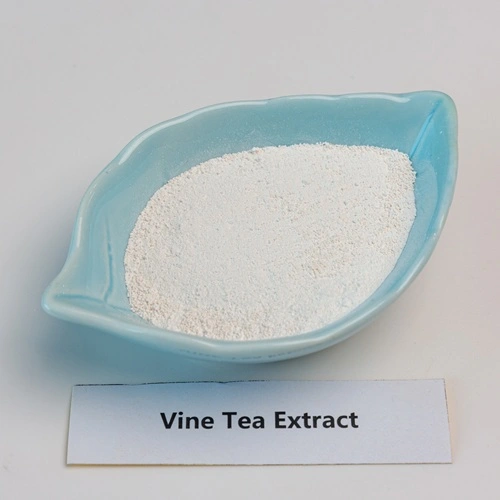
Vine tea extract is easy to use in recipes because it comes from a well-known plant called Ampelopsis grossedentata. It also has a lot of flavonoids, with dihydromyricetin being the main chemical that indicates what kind of flavonoid it is. It's a fine off-white to white powder that doesn't have any caffeine in it. It comes in standard grades for capsules, drink mixes, and functional meals. KH keeps vine tea extract on hand and has batches that have been tested with HPLC. Before you buy, use this advice as a checklist to compare specs, quality papers, and the skills of different suppliers.
What Is Vine Tea Extract?
Botanical Source and Plant Parts
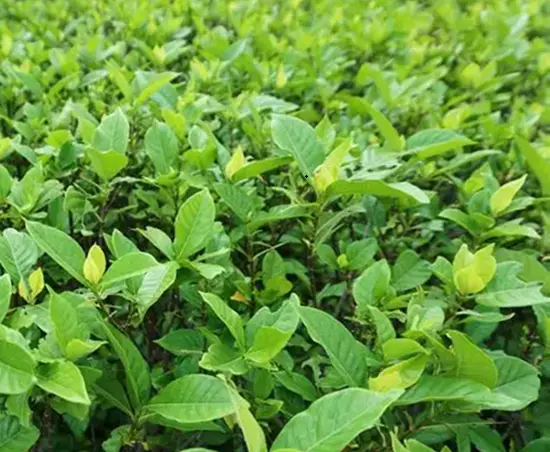
A climbing plant called Ampelopsis grossedentata W. T. Wang grows wild in the mountains of southern China. The vine tea extract comes from the soft roots and leaves of this plant. Even though it has the same name, it is not connected to Camellia sinensis, the plant that grows green and black tea. For more than 600 years, the Tujia people have used it as medicine. It gets its name "Ruler of Flavonoids" from the fact that the young stems and leaves of this plant have 35–45% flavonoids by dry weight. Buyers are worried about the plant part because it changes the color, taste, and active compounds.
Dihydromyricetin, myricetin, and Chemicals Related to Them
The main marker compound in vine tea extract is dihydromyricetin, also known as ampelopsin. Myricetin is the second flavonoid we're selling. It's a different kind of flavonoid and is 80% to 98% pure. A 2021 review in the Journal of Functional Foods says that vine tea is a flavonoid-rich plant that might be used in food. So being careful with words is important in this area. Most of the study on dihydromyricetin comes from tests done in the lab or on animals. An HPLC test tells you a lot more than just the name of a plant or a business pitch.
Get Grades and Specifications
In a recipe, not every powder from this brand will work the same way. Pure dihydromyricetin, normal extract, standardized extract, and raw dried leaf all have different colors, tastes, and ways of mixing with water. We have 4:1 and 10:1 ratio extracts, 10% to 98% dihydromyricetin, and 80% to 98% myricetin, all of which have been checked by HPLC. More of the whole plant profile is kept in grades with lower strengths. For formulas that need better test control, higher purity grades are best. Also, a vine tea extract is not the same as refined dihydromyricetin, so make sure the grade matches the dose and label.
Why Choose Vine Tea Extract for Botanical Formulas?
Caffeine-Free Antioxidant Positioning
Different from regular tea, vine tea extract doesn't have any caffeine or theophylline in it. This makes it a good choice for evening items, mixes without stimulants, and people who don't drink coffee. Because it has flavonoids and dihydromyricetin, it is a plant-based antioxidant that has been shown to get rid of free radicals in the lab. A 2018 review article in Frontiers in Pharmacology talked about the pharmacological effects of dihydromyricetin, mostly in pre-clinical animals. These effects included antioxidant, anti-inflammatory, and metabolic effects. These data support a broad view of health, but they should never be taken as proof that the drug helps a disease.
Target Brands in Wellness Areas
Brands sell vine tea extract to help with antioxidants, liver health, metabolic health, and healthy aging. A study in the Journal of Neuroscience in 2012 on rats and a paper in Alcoholism: Clinical and Experimental Research in 2020 both found a link between dihydromyricetin and liver lipid metabolism and alcohol sensitivity. We don't have a lot of proof from people yet. For the US market, FDA rules say that structure/function language must be used, and disease claims are not allowed. Before you start, I think you should have your regulatory advisor look over every claim, label, and ad.
Formulas and formats should be used
You can put vine tea extract in capsules, pills, bags, grains, premixes, and drink powders. Check the dosage, serving size, powder flow, and moisture uptake for capsules and tablets. Check the pH, taste, color, and ability to mix for drink powders. In our scientific notes, we say that the extract is most stable in slightly acidic (pH 3.0-6.0) environments, while in alkaline environments, it may change color. Our application lab helps with compounding, improving formulations, and testing for stability in skin care, gummies, drinks, and tablets. We also make custom blends with certain amounts or functions.
How Does Vine Tea Extract Compare with Other Botanical Ingredients?
Vine Tea Extract vs. Green Tea Extract
Extract from the Camellia sinensis plant is used to make green tea. It is usually tested to make sure it has the right amount of caffeine and catechins like EGCG. The dihydromyricetin in vine tea extract lets you know that it comes from a different species and doesn't contain caffeine. If you want something that doesn't have any stimulants or that you can use at night, vine tea extract is the best choice. There have been more studies on humans and more people know about green tea, which may help its placement for energy or weight loss. Color and taste are also different, so try each one out on a small scale before making your choice.
Vine tea extract mixed with milk thistle extract
Milk thistle extract comes from the seeds of the Silybum marianum plant and is standardized to silymarin. It has been the subject of more research on liver health products in the past. There are two different types of flavonoids in vine tea extract: dihydromyricetin and myricetin. This helps brands stand out on a shelf full of silymarin. You should compare the two based on their total flavonoid content, taste, pill fill weight, and how well they live up to their claims. You should try the mix in a small amount first to see if it works before going for the whole batch.
Different types of dihydromyricetin and vine tea extract
The grade is what makes an extract different from an isolation. You can pick the level of high purity dihydromyricetin in our vine tea extract that works best for your recipe. It ranges from 10% to 98%. Isolated grades of high purity are good for things that need tight lab control and small dose sizes. Extracts with less strength have more of the plant's flavonoid structure, which is bigger. Dihydromyricetin doesn't mix well with water, which is good for drinks. Because cost-in-use changes based on test and amount, figure it out per serve instead of per kilogram and get HPLC data for each option.
How Can Buyers Verify Vine Tea Extract Quality and Safety?
Standardization and HPLC Testing
Standardization turns a plant powder into an ingredient that can be used again and again. Before you place your order, please let us know the dihydromyricetin range, measurement method, acceptable limits, and checking frequency. When we look at vine tea extract with HPLC, we give a full report of all the parts that make up each batch. HPLC fingerprinting also helps make sure that the product really does come from the right plant and not a cheaper one. Ask for the report for your specific lot, not a general sample sheet, and make sure it meets your needs for how it looks, how much moisture it has, how big the particles are, and how well it dissolves.
Certifications and records of compliance
Records that show how an extract was grown, processed, and handled. We have certifications from the FDA, FSSC22000, KOSHER, HALAL, HACCP, the EU, and the US for ORGANIC products. We also deliver things that meet USP and EP standards. 21 CFR Part 111, the FDA's dietary supplement cGMP rule, says that US supplement companies have to make sure that the ingredients in their products are what they say they are. Provider batch info backs up the work. Find out which certificates are valid for the grade you want to buy.
Review of safety, tracking, and retrieval
Source control starts with the source. We work with planting bases to make sure that the active content stays the same from lot to lot by controlling the variety, the soil, and the time of harvest. For extraction, we only use clean water or ethanol that can be eaten. We never use dangerous solvents. Keep drums somewhere cool and dry. Close the drums. Every product has a different safe dose because it depends on the product's strength, how it is served, the people it is meant for, and the rules of the market where it will be sold. Have drug combinations, intolerances, stomach problems, and use during pregnancy or breastfeeding reviewed by medical and regulatory experts.
How to Select the Right Vine Tea Extract Supplier
Define Your Procurement Brief
To begin, make a list of your target market, the format, the range of high purity dihydromyricetin, the annual volume, the delivery schedule, the packaging, and any legal requirements that need to be met. Then, find out if each applicant is a manufacturer, a trading company, or a distributor. This will affect technical depth and the ability to track products. Get bids on the same things, such as testing, assaying, packing, lead time, shipping terms, and payment terms. It doesn't matter how much the unit price goes down if you are below your goal assay. The choice is unbiased and is based on a scale with different weights for things like accuracy, paperwork, service, freedom, and total cost.
What KH Gives You
Kingherbs Limited has been making botanical and herbal medicines since 1996. We work with businesses that make food, skincare, medicines, health supplements, and animal feeding items. Our vine tea extract is shipped in 25 kg barrels by courier, air, or sea from a ready-to-ship warehouse. It takes 3–5 business days to ship samples and standard items that are in stock. You can order samples or a small test order, and the minimum order quantity for business is 25 kg. We can also help you with logistics and provide extracts, vitamins, minerals, and chemicals all in one place.
Supply More Than Technical Support
A good supplier is very helpful when a formula goes wrong in the lab. We can help you with compounding, testing for stability, and coming up with unique ratios for drinks, gummies, tablets, and skin care products. The finished product is only available in soft pill form. Before you place a large order, I suggest that you try a sample under real processing conditions, such as mixing, heat, pH, and final packaging. Tell us what you need, and we'll suggest a good grade and a good way to take the test.
Conclusion
The vine tea extract comes from the plant Ampelopsis grossedentata, which doesn't have any caffeine and has a lot of flavonoids, with dihydromyricetin being the main one. There are different grades, from ratio extracts to very pure powders. Solubility, taste, dosing, and label approach all play a role in choosing the right option. Compared to green tea extract, milk thistle extract, and pure dihydromyricetin, it has a different profile. However, a lot of the research is still in the early stages, and any claims must stay within the limits set by the government. Quality is controlled by HPLC tests that are unique to each lot, licenses, sources that can be tracked, and gentle extraction with water or drinkable ethanol. The best way to pick a supplier is to look at similar specs, lead times, MOQs, and technical support from different companies. Then, test a pilot version of the finished product to see how well it works.
FAQ
What is juice from vine tea used for?
Brands put it in functional foods, drink powders, and pills to market them as antioxidants, liver health, and metabolic health. Each claim has to follow the rules in that area.
Are dihydromyricetin and vine tea extract the same thing?
No, dihydromyricetin is the important marker compound, and the extract also has other flavonoids in it. We have different types of dihydromyricetin, ranging from 10% to 98%.
Does vine tea extract have caffeine in it?
No, it doesn't have any caffeine or theophylline in it like regular tea does.
What does a COA need to show?
Find the batch number, the HPLC assay, the appearance, and the test methods. Get the report that goes with your lot.
How much is the MOQ, and how long is the wait time?
We give away samples and take on small test orders. The industrial MOQ is 25 kg per drum, and goods that are in stock can be sent out within 3–5 business days.
Request a Vine Tea Extract Specification, Sample, or Bulk Quote
Looking for a vine tea extract supplier that responds quickly? KH offers vine tea extract from ready stock, with HPLC reports, USP and EP-compliant products, and small trial orders. Email info@kingherbs.com with your target market, format, dihydromyricetin requirement, estimated volume, and delivery timeline. We will send specifications, a sample, and a quote.
References
1. Journal of Functional Foods, 2021 – "Vine tea (Ampelopsis grossedentata): A review of chemical composition, functional properties, and potential food applications"
2. Frontiers in Pharmacology, 2018 – "Recent Update on the Pharmacological Effects and Mechanisms of Dihydromyricetin"
3. Evidence-Based Complementary and Alternative Medicine, 2017 – "The Versatile Effects of Dihydromyricetin in Health"
4. The Journal of Neuroscience, 2012 – "Dihydromyricetin as a Novel Anti-Alcohol Intoxication Medication"
5. Alcoholism: Clinical and Experimental Research, 2020 – "Dihydromyricetin Protects the Liver via Changes in Lipid Metabolism and Enhanced Ethanol Metabolism"
6. U.S. Food and Drug Administration, Federal Register, 2007 – "Current Good Manufacturing Practice in Manufacturing, Packaging, Labeling, or Holding Operations for Dietary Supplements (21 CFR Part 111)"
Send Inquiry
Related Industry Knowledge
- What Applications Benefit From Valerian Root Extract Powder?
- Where Can You Buy Certified Aloe Vera Gel Powder?
- Mangosteen Extract Powder for Supplements, Foods, and Cosmetics
- Where to Buy High Quality Passionflower Extract Powder Wholesale?
- How Quickly Can Blueberry Extract Powder Show Visible Benefits?
- How Does White Willow Bark Extract Powder Help Reduce Inflammation?
- How Does Blueberry Extract Powder Support Immune Function?
- The Skin-Boosting Benefits of Silica and Bamboo Extract
- Mulberry Leaf Extract Powder: Traditional Herb, Modern Science
- Watermelon Powder for Electrolyte & Hydration Blends