_1762508637542.webp)
Pyrethrum Extract for Agriculture: Key Uses and Benefits
Oct 9, 2026
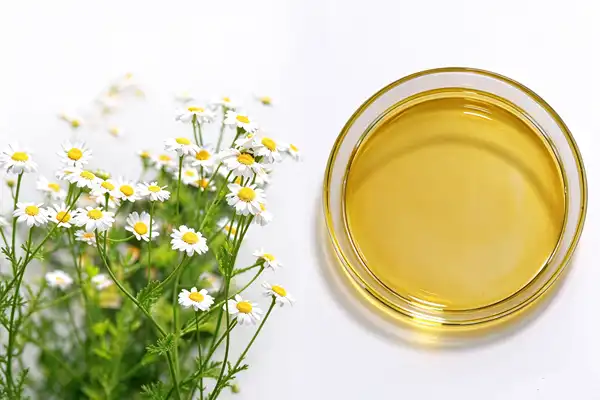
The extract of pyrethrum, obtained from the flowers of pyrethrum extract cinerariifolium Trev., is widely considered one of the most reliable natural insecticides for managing agricultural pests. With a viscous liquid that ranges from buff to brown and is standardised by high-performance liquid chromatography (HPLC) to contain fifty percent pyrethrins, this botanical extract comprises six active ester compounds that provide a quick knockdown against a wide variety of insects. Because of its biodegradable profile, low mammalian toxicity, and compliance with organic certification programs, it is an ingredient that agricultural input firms, formulators, and procurement teams turn to when they are looking for proven pest control options that are favourable to regulations.

Understanding Pyrethrum Extract
What It Is and Where It Comes From
A Chrysanthemum species known as Pyrethrum cinerariifolium, which is mostly cultivated in East Africa and Tasmania, is used to generate pyrethrum extract. This extract is made from the dried flower heads of the plant. Six ester compounds, including Pyrethrin I and II, Cinerin I and II, and Jasmolin I and II, are naturally present in the flowers. These compounds work in conjunction with one another to eliminate insects. Since 1996, Kingherbs has been producing this extract in its facility. As a means of preserving the integrity of the active components, we only make use of distilled water and ethanol of food-grade quality, and never any synthetic liquids.
How Does It Work Against Insects?
Within the neurological systems of insects, the six esters produced when pyrethrum extract is applied disrupt voltage-gated sodium channels. This results in nerve firing that is not under control, which ultimately leads to fast paralysis and death. This strategy can easily eradicate aphids, thrips, whiteflies, and other pests that feed on stored grains. Pyrethrum extract operates distinctly from synthetic poisons, which is significant because it can eradicate pests that have developed resistance to carbamates or organophosphates.
Why It Matters for B2B Buyers?
Product developers and buying managers are able to overcome three significant problems with the assistance of pyrethrum extract. These challenges are getting organic certification, ensuring that no residues are left behind, and managing insect resistance. Due to the fact that it decomposes rapidly when exposed to sunshine, late-stage crop sprays continue to fulfil the requirements of the Maximum Residue Limit (MRL). Products that are prepared with high-purity pyrethrins can be included on the OMRI and EcoCert websites. These products are able to satisfy the growing demand for clean-label, organic agricultural inputs.
Pyrethrum Extract vs Other Pest Control Solutions
Compared to Synthetic Pyrethroids and Permethrin
Permethrin and other synthetic pyrethroids are chemically altered to withstand ultraviolet light and remain in the environment for longer periods of time, while pyrethrum extract is biodegradable. In contrast to synthetic alternatives, which can be more harmful to cats and marine life, pyrethrum extract decomposes in a matter of days under typical field settings. For export crop growers and organic farmers, who must adhere to stringent regulations to enter new markets, this differentiation is crucial.
Compared to Neem Oil and Other Botanical Insecticides
When it comes to controlling development and stopping insects from feeding, neem oil is slow compared to pyrethrum extract. When time is critical, such as during unexpected insect outbreaks just before harvest, pyrethrum is the better choice. It could be difficult to combine chemicals for spray pumps with neem because of its higher viscosity. The usage of pyrethrum extract is more common in concentrated spray combinations and ultra-low volume mist applications.
Compared to Conventional Chemical Insecticides
Many chemical pesticides, such as organophosphates, have the potential to cause harm to mammals and leave significant residues in both the soil and the water. Many of these chemicals are currently subject to restrictions on the markets in the United States and the European Union. The approval process for pyrethrum extract is significantly simplified, and it continues to be in compliance across a variety of foreign markets. Pyrethrum extract is a naturally occurring chemical that has a comprehensive safety profile.
Key Agricultural Uses and Application Methods
Organic Crop Production and Pre-Harvest Applications
Pyrethrum extract is commonly utilised in organic farming for the cultivation of leafy greens, berries, and vegetables. This type of farming is characterised by the careful monitoring of chemical waste. Growers are able to manage outbreaks of whitefly or aphids late in the season without putting their organic certification at jeopardy because to its zero-day pre-harvest interval (PHI). Due to the fact that it dissipates rapidly and does not harm beneficial predator insects after twenty-four to forty-eight hours, it is an excellent candidate for integration with integrated pest management (IPM) programs in greenhouse environment systems.
Public Health Vector Control and ULV Fogging
The elimination of mosquitoes that are responsible for the transmission of diseases such as West Nile Virus, Dengue, and Zika is accomplished through the use of pyrethrum extract in ultra-low volume (ULV) mist by public health officials and pest firms. This is beneficial to the environment because it decomposes quickly and does not remain in the soil or groundwater for an extended period of time. In contrast to alternatives to organophosphates, it does not necessitate extensive research on the effects on community health, which enables medical organisations to react more quickly to outbreaks caused by vectors.
Food Processing and Grain Storage
A small number of pesticides have been authorised for use in food processing facilities, such as mills and bakeries, and on stored grains, including pyrethrum extract. It eliminates the need to close buildings for ventilation for extended periods of time while effectively controlling moth larvae, flour beetles, and weevils. Food procurement managers greatly appreciate the benefits of reduced downtime costs and operating supply chains.
Procurement Guide for Pyrethrum Extract
Evaluating Supplier Quality and Certifications
In order to verify that pyrethrins make up at least 50% of the total, commercial purchasers should ask for batch-level HPLC proof. You must only buy from vendors who have the necessary certifications, such as those from the FDA, KOSHER, HALAL, ISO9001, and FSSC22000. In order to ensure downstream compliance, procurement teams rely on Kingherbs' comprehensive component readings and all of these certificates for each batch.
MOQ, Packaging, and Logistics Options
The commercial minimum order quantity (MOQ) for pyrethrum extract is 25 kilograms, and Kingherbs provides it in 1 kg and 5 kg bottles. New customers can place trial orders for samples or small quantities before committing to full production volumes. To strike a balance between price and speed, shipping choices include courier services, ocean freight, and air freight. Buyers may anticipate predictable delivery times to assist with production planning, thanks to ready stock and timely shipment.
Pricing Considerations and Supply Stability
Since the plants used to make pyrethrum extract are primarily grown in Australia and East Africa, supply can fluctuate based on regional weather and annual flower yields. Prices may shift by 20% to 30% during years with low stocks. Establishing a long-term relationship with a reputable manufacturer like Kingherbs, rather than spot-sourcing, provides more stable pricing and guaranteed supplies when demand is high. Kingherbs has maintained a steady supply since 1996.
Environmental and Safety Considerations
Degradation Profile and Ecological Impact
Pyrethrum extract breaks down quickly when exposed to soil microbes and UV light, with a field half-life of usually one to two days. This limits accumulation in water systems and reduces exposure for non-target organisms. Both the EFSA in the EU and the EPA in the US recognize pyrethrins as low-persistence chemicals, which simplifies the regulatory approval process for businesses creating new formulations.
Effects on Beneficial Insects and Pollinators
Even though pyrethrum extract can be harmful to bees and other pollinators when it comes into direct contact with them, the risk window is extremely narrow due to the fact that the product is so quickly eliminated. Application of the extract should be done late at night or early in the morning, when blooms are closed and pollinators are less busy. This method is considered to be the best technique. The fact that this makes it possible for beneficial insects to resume their job in a secure manner after twenty-four to forty-eight hours is a huge benefit over alternatives that are persistently synthetic.
Safe Handling and Storage Requirements
Pyrethrum extract must be stored in sealed, UV-protected containers at temperatures below 25°C. Exposure to air, heat, or light will accelerate degradation. Workers should wear appropriate PPE during the formulation and application process. When kept in a cool, dark place, the product has a shelf life of approximately two years. Kingherbs includes technical handling guidelines with every business order to ensure product integrity from receipt to end use.
Conclusion
Pyrethrum extract is unique in agricultural pest management because it provides fast-acting efficacy while remaining safe for the environment. Its ability to break down naturally and its eligibility for organic certification make it an excellent choice for formulators in regulated markets. The quality of the pyrethrum extract you source directly impacts product performance and regulatory standing. Partnering with a reliable supplier that offers transparent documentation, verified active content, and a steady supply is the baseline for success in food storage, crop protection, and public health applications.
FAQ
Is pyrethrum extract the same as pyrethrins?
No, they are not the same. Pyrethrin refers only to the six active ester molecules, whereas pyrethrum extract is the full botanical oil from the plant. If a label states "Pyrethrins 50%", it means those six active esters account for half of the product's weight according to HPLC testing.
Is pyrethrum extract safe for organic certification programmes?
Yes. High-purity pyrethrum extract is approved by OMRI for organic food production in the US and meets EcoCert standards. Buyers should always verify documentation for specific products, as certain additives like PBO may affect organic eligibility.
Can pyrethrum extract be mixed with other pest control agents?
Pyrethrum extract is compatible with various organic pesticides and can be tank-mixed with kaolin clay, insecticidal soaps, or spinosad. It is frequently combined with piperonyl butoxide (PBO) to prevent insects from recovering after knockdown. Always consult a formulation chemist before field application.
What distinguishes a quality pyrethrum extract supplier?
Key indicators of a trustworthy supplier include batch-verified pyrethrin content via HPLC or GC, certified extraction methods that avoid dangerous solvents, and relevant food safety certifications. Strong technical support and full traceability from raw material to finished extract are also essential.
Source Your Pyrethrum Extract Through KH — Trusted Supplier Since 1996
KH (Kingherbs) has supplied certified pyrethrum extract to formulators, procurement teams, and agricultural supply companies worldwide for nearly 30 years. As a direct manufacturer and supplier, we provide HPLC documentation and ISO9001, FSSC22000, HACCP, KOSHER, HALAL, and FDA-compliant products. Trial orders are available before full commercial commitment. Contact our technical team at info@kingherbs.com or visit www.kingherbs.com to discuss your needs or request a sample.
References
1. Casida, J. E., & Quistad, G. B. (1995). Pyrethrum Flowers: Production, Chemistry, Toxicology, and Uses. Oxford University Press.
2. United States Environmental Protection Agency (EPA). (2011). Pyrethrins and Pyrethroid Pesticides: Risk Assessment and Registration Review. EPA Publication.
3. Food and Agriculture Organization of the United Nations (FAO). (2000). Specifications and Evaluations for Agricultural Pesticides: Pyrethrins. FAO/WHO Joint Meeting on Pesticide Specifications.
4. Isman, M. B. (2006). Botanical insecticides, deterrents, and repellents in modern agriculture and an increasingly regulated world. Annual Review of Entomology, 51, 45–66.
5. Khater, H. F. (2012). Prospects of botanical biopesticides in insect pest management. Pharmacologia, 3(12), 641–656.
6. Wanjiku, C. K., et al. (2019). Pyrethrum production in Kenya: Agronomy, processing, and market linkages. Industrial Crops and Products, 132, 398–408.
Send Inquiry
Related Industry Knowledge
- Where to Buy Bulk Mimosa Pudica Powder for Import and Distribution
- Best Tilia Extract Supplier for Bulk Cosmetic Ingredients
- Where to Buy Saw Palmetto Extract Powder: Supplier & Import Guide
- Why Choose Natural White Willow Bark Extract Powder for Supplements?
- Is Tongkat Ali Extract Powder Safe for Daily Supplementation?
- The Power of Blueberry Extract Powder in Cosmetics
- Can Cortex Phellodendri Powder Help with Skin Conditions?
- What Is Bacopa Monnieri Extract Powder Used For?
- How Dill Seed Extract Enhances Overall Health Naturally
- What Is Isatis Root Extract? Uses and Functions