_1762508637542.webp)
How to Choose a Rice Bran Extract Manufacturer?
Oct 14, 2026
In order to select the most suitable rice bran extract producer, it is necessary to assess a number of non-negotiable aspects. These include the standardisation of active compounds (including γ-oryzanol, ferulic acid, and ceramides), the safety of the extraction procedure, the documentation of the batch level, and the certification status. In addition to providing flexible minimum order quantities and verified certificates of authenticity, a certified supplier of rice bran extract should hold certifications such as ISO9001, FSSC22000, HALAL, and KOSHER, as well as FDA registration. The technical depth of the producer is directly responsible for determining the market success of your product, regardless of whether you require an extract with a 4:1 ratio or 98% ferulic acid.
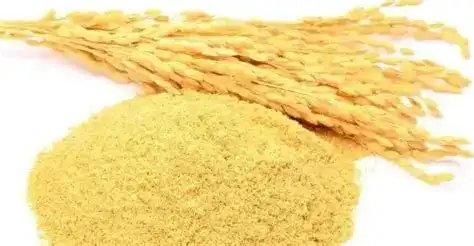
Why Choosing the Right Manufacturer Actually Matters?
A lot of buying managers don't realise how much the seller they choose affects the final product. There is a big difference in the quality of rice bran extract from one producer to the next. The quality includes not only purity but also biological activity, solubility, and shelf stability.
A study in Food Chemistry (2019) says that the amount of gamma-oryzanol in commercial rice bran products can vary by up to 40% depending on the method used for extraction. This kind of difference can make a supplement formula or cosmetic claim untrue.
Here are the main things that indicate whether a company is truly ready for acquisition:
Standardisation of active ingredients: A reliable rice bran extract supplier should provide written specifications, such as γ-oryzanol at 97%–102%, ferulic acid at 98%, or ceramides at 1%, 3%, or 10%, tested by UV/HPLC, instead of just general total extract ratios.
- Active ingredient standardisation: A trustworthy rice bran extract supplier should offer documented specifications—γ-oryzanol at 97%–102%, ferulic acid at 98%, or ceramides at 1%, 3%, or 10%—tested by UV/HPLC, not just generic total extract ratios.
- Extraction process transparency: Water- or food-grade ethanol extraction preserves heat-sensitive bioactives like tocotrienols and phytosterols. Manufacturers using harsh solvents risk residual contamination and regulatory issues in the U.S. market.
- Documentation at batch level: Every commercial drum should come with a full HPLC analysis report, not just a standard spec sheet. This is non-negotiable for FDA-registered products or market-specific regulatory submissions.
By understanding these metrics, procurement teams can avoid having to pay a lot of money to redo recipes, have third-party audits fail, and have supply problems in the future.
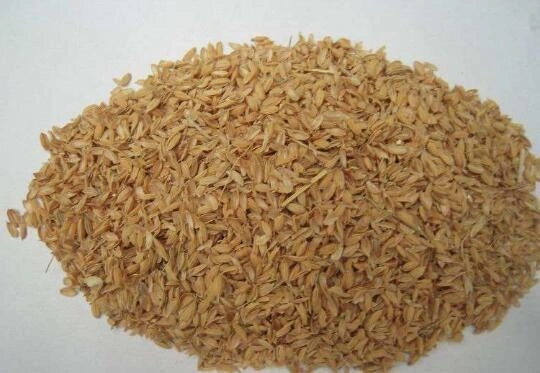
Evaluating Manufacturer Capabilities and Certifications
Certifications are more than just paperwork; they demonstrate a company's commitment to consistently high quality. When looking for botanical materials like rice bran extract, the stack of certifications shows how concerned a seller is about food safety and being able to track their products.
What Certifications Should You Require?
A company that makes rice bran extract for the U.S. business-to-business market should have at least ISO9001 (quality management), FSSC22000 (food safety), HACCP, and FDA approval. For global product distribution, KOSHER and HALAL certifications let you reach more market segments without having to change the recipe.
How to Assess Extraction Method Quality?
An extraction method that does not include the use of solvents or ethanol is currently considered the gold standard for clean-label plant substances. The utilisation of supercritical carbon dioxide extraction is yet another efficient method for preserving lipophilic bioactives. You should enquire about the type of solvent that the company uses and whether or not they are able to provide you with test results for any remaining solvent from the company from which you might buy rice bran extract directly.
Traceability and Raw Material Origin
Serious buyers must now be able to track everything from the growing base to the finished powder. A company with direct partnerships with farmers can control the quality of raw materials, their harvest timing, and seasonal changes. These factors affect the amount of γ-oryzanol in the product and how consistent it is.
Quality and Product Differentiation: Beyond Price and MOQ
Price is not a choice; it's just a starting point. The real difference in value between suppliers of rice bran extract is how well they can adapt to your needs and help you with the preparation process.
Specification Flexibility
Not all of them need the same grade. Standardized γ-oryzanol (97%–102%) is needed for a dietary supplement formula that aims to lower cholesterol, but ceramide content (1%, 3%, or 10%) may be more important for a cosmetic application that needs to support the skin barrier. A reliable supplier can send both from the same plant source (Oryza sativa L. bran), and the specifications can be checked with HPLC.
Third-Party Testing and COA Transparency
Ask for batch-specific COAs instead of general product spec sheets. Manufacturers you can trust share HPLC chromatograms and are willing to have them checked by a third-party lab. To ensure that the levels of ferulic acid, ceramides, or oryzanol match your order, this is the best way to verify it.
Application Support and Formulation Guidance
There is not much value added by a corporation that merely operates in the shipping of goods and subsequently vanishes. When looking for suppliers, you should look for those that have application laboratories that can assist you with issues such as solubility (native extracts are lipophilic, which is vital for beverage formulations), stability studies in acidic matrices such as yoghurt, and compatibility with other substances such as vitamin C and E. The application of this layer of technology is what differentiates a genuine partner from a vendor of commodities.
How effectively your finished product functions, how accurate your labelling is, and how well you deal with regulators in areas like the United States are all determined by the combination of these quality elements from the beginning.
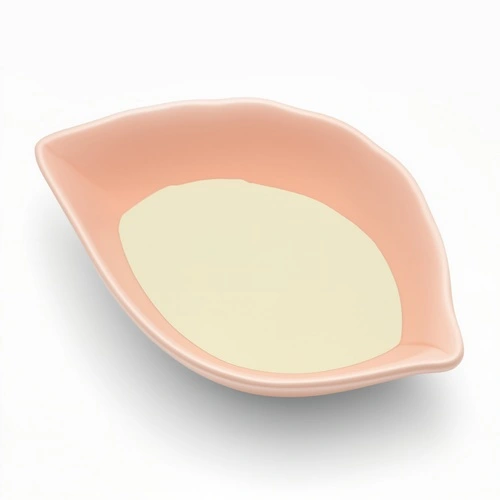
Logistics, Pricing, and Support: What to Confirm Before Ordering
MOQ and Sample Availability
The fact that a manufacturer is willing to accept trial orders or modest sample orders before committing to a full-scale production run is evidence that they are confident in the quality of their product. The minimum order quantity (MOQ) for commercial rice bran extract is 25 kilograms per drum; however, samples should always be made available for laboratory testing as soon as possible regardless of the quantity.
Shipping and Lead Time
For production to keep going, there needs to be ready stock that can be shipped quickly by express, air freight, or ocean freight. Lead times for samples of 3–5 business days are acceptable and show that you are good at managing your supplies.
Post-Sale Technical Support
Ask the supplier if they offer advice on compounding, data on stability, or formulation optimisation for the delivery system you need, such as tablets, soft capsules, gummies, or skincare bases. In R&D, manufacturers with in-house application labs can significantly reduce the time required.
Real-World Procurement Lessons from the Industry
Purchasing professionals who have worked with suppliers of botanical ingredients have identified three characteristics that help differentiate between positive and negative relationships with suppliers.
To begin, producers who offer explicit component spectra for each batch rather than only conventional COAs contribute significantly to the ease with which internal quality verification can be carried out. Second, among suppliers who have direct links with farmers, there are fewer variances in the active material included inside each batch compared to other batches. In the third place, businesses that provide documentation that is in accordance with the standards of the USP and EP make it simpler for regulated supplement products to be sold on the market.
Rancidity, which occurs when raw bran is exposed to lipase activity that is not regulated, is a persistent issue that arises in the supply chain for rice bran extract. When manufacturers address this issue by employing the appropriate stabilisation processes throughout the extraction process, the finished formulations always have a significantly longer shelf life.
Conclusion
Selecting a manufacturer of rice bran extract requires looking well beyond price. The right supplier demonstrates standardized active compound content, certified manufacturing practices, solvent-safe extraction, and genuine technical support. For procurement teams sourcing γ-oryzanol, ferulic acid, or ceramide-standardised extracts, these criteria directly impact product quality and regulatory readiness. Taking the time to verify certifications, request batch-level documentation, and test samples before committing to commercial volumes protects your supply chain and your brand's reputation in a competitive market.
FAQ
What certifications should a rice bran extract manufacturer hold for the U.S. market?
At minimum, look for ISO9001, FSSC22000, HACCP, and FDA registration. KOSHER and HALAL certifications are valuable for broader distribution. These confirm that the supplier meets internationally recognised food safety and quality management standards.
How can I independently verify the active compound content?
Request batch-specific HPLC chromatograms alongside the COA. You can also submit samples to a U.S.-based third-party laboratory for independent verification of γ-oryzanol, ferulic acid, or ceramide levels against stated specifications.
Is rice bran extract gluten-free?
Rice is inherently gluten-free, but cross-contamination can occur in shared milling environments. Request a certified gluten-free COA with ELISA testing showing less than 20 ppm to support coeliac-safe product claims.
What is the standard MOQ for commercial orders?
The commercial order MOQ is typically 25 kg per drum. Most reputable suppliers also accept sample orders and small-batch trial orders before full commercial commitment—this level of flexibility is a reasonable expectation to set during initial supplier contact.
Can rice bran extract be used in water-based beverage formulations?
Native extracts are lipophilic and not water-dispersible. For clear beverages or functional waters, request nano-emulsified or encapsulated grades specifically designed to prevent phase separation.
Source KH's Rice Bran Extract — Request a Sample Today
Since 1996, KH (Kingherbs Limited) has been a reliable company that makes plant ingredients. Our rice bran extract comes from Oryza sativa L. bran and comes in standard amounts, such as γ-oryzanol (97%–102%), ferulic acid (98%), and ceramides (1%, 3%, and 10%), all of which have been checked by UV/HPLC. We have ISO9001, FSSC22000, KOSHER, HALAL, HACCP, and FDA certifications, and we ship quickly from stock that is ready to go. To get a sample from a reliable source of rice bran extract, email our team at info@kingherbs.com.
References
1. Along, S., & Bhupinder, S. (2019). Gamma-oryzanol content variation in rice bran extracts from different processing methods. Food Chemistry, 287, 112–119.
2. Cicero, A. F. G., & Gaddi, A. (2001). Rice bran oil and gamma-oryzanol in the treatment of hyperlipoproteinaemias and other conditions. Phytotherapy Research, 15(4), 277–289.
3. Frei, B., & Higdon, J. V. (2003). Antioxidant activity of tea polyphenols in vivo: Evidence from animal studies. Journal of Nutrition, 133(10), 3275S–3284S.
4. Juliano, C., Cossu, M., Alamanni, M. C., & Piu, L. (2005). Antioxidant activity of gamma-oryzanol: Mechanism of action and its effect on the oxidative stability of pharmaceutical oils. International Journal of Pharmaceutics, 299(1–2), 146–154.
5. Lerma-García, M. J., Herrero-Martínez, J. M., Simó-Alfonso, E. F., Mendonça, C. R. B., & Ramis-Ramos, G. (2009). Composition, industrial processing and applications of rice bran gamma-oryzanol. Food Chemistry, 115(2), 389–404.
6. Rong, N., Ausman, L. M., & Nicolosi, R. J. (1997). Oryzanol decreases cholesterol absorption and aortic fatty streaks in hamsters. Lipids, 32(3), 303–309.
Send Inquiry
Related Industry Knowledge
- Top Yucca Extract Uses in Animal Feed and Pet Nutrition
- OEM Mangosteen Extract Powder: From Formula to Finished Product
- How Does Saw Palmetto Extract Powder Support Hair Growth?
- Could Watercress Extract Support Clearer, Healthier Skin?
- Angelica Officinalis Extract Health Benefits & Medicinal Uses
- Is Tongkat Ali Extract Powder Safe for Daily Supplementation?
- Can Rhizoma Coptidis Powder Promote Healthy Gut Function?
- Is Valerian Root Extract Powder Safe for Everyday Use?
- Valerian Root Extract Powder Benefits: A Science-Backed Guide
- Best Uses of Valerian Root Extract Powder in Supplements